


🍳 In This Article
- The Rich History and Cultural Roots of This Dish
- Why This Recipe Works: The Food Science Behind It
- Complete Ingredient Breakdown
- Step-by-Step Instructions
- Expert Tips from Years of Kitchen Experience
- Nutritional Benefits and Health Insights
- Creative Variations and Dietary Adaptations
- Frequently Asked Questions
- Final Thoughts
There are few culinary experiences as universally beloved yet deceptively simple as a perfect Margherita pizza. For me, it evokes memories of sun-drenched piazzas in Naples, the scent of wood smoke mingling with sweet tomatoes and fragrant basil. It’s a dish that celebrates the power of quality ingredients, where each component shines without competition. I’ve spent years chasing that elusive perfection in my own kitchen, experimenting with countless dough recipes, tomato brands, and mozzarella types. What I’ve learned is that while the ingredients are few, the science and technique behind bringing them together are what truly transform a good pizza into an unforgettable one. It’s a journey of understanding gluten, harnessing yeast, and mastering heat, all to create a dish that is, at its heart, a beautiful expression of Italian culinary heritage.
The Rich History and Cultural Roots of This Dish
The Margherita pizza, in its iconic simplicity, is a relatively modern invention with deep roots in Neapolitan culinary tradition. While flatbreads topped with various ingredients have existed in the Mediterranean for millennia, the pizza as we know it began to truly take shape in Naples, Italy, during the 17th and 18th centuries. Initially, these were street foods, often sold by vendors to the working class, topped with simple, readily available ingredients like lard, cheese, garlic, and basil. The arrival of the tomato from the Americas in the 16th century, though initially viewed with suspicion as a poisonous plant, eventually revolutionized Italian cuisine, and particularly Neapolitan pizza.
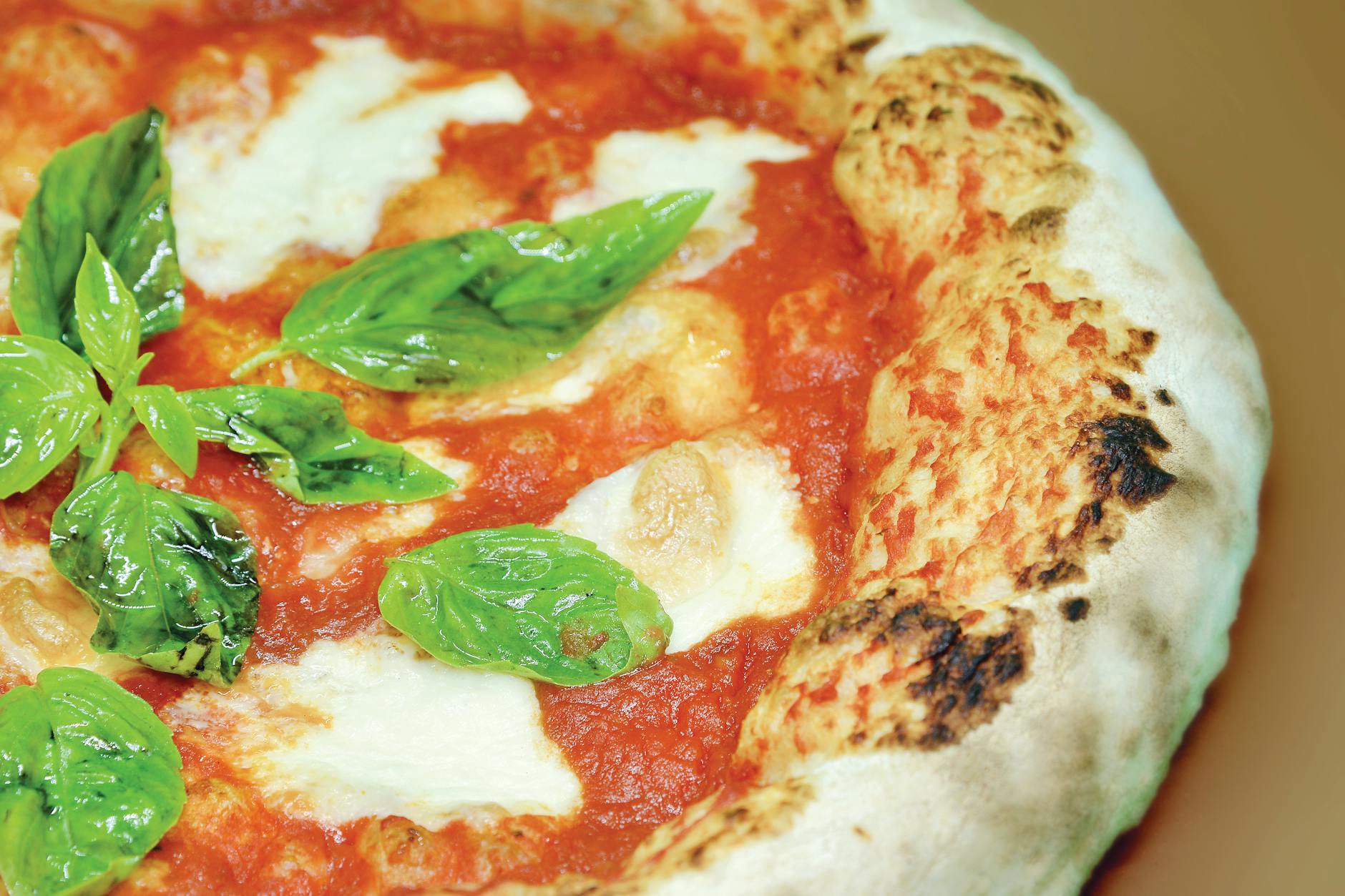
The legend of the Margherita pizza’s creation is perhaps one of the most charming in food history. In 1889, King Umberto I and Queen Margherita of Savoy visited Naples. Raffaele Esposito, a pizzaiolo from Pizzeria Brandi (or possibly its predecessor, Pietro e basta così), was commissioned to prepare various pizzas for the Queen. To honor her, Esposito reportedly created a pizza featuring the colors of the Italian flag: red (San Marzano tomatoes), white (fresh mozzarella), and green (fresh basil). Queen Margherita was said to be delighted by this patriotic and delicious creation, and thus, the pizza was named in her honor. While some food historians debate the exact details of this origin story, it remains a beloved narrative that underscores the pizza’s cultural significance.
Beyond the legend, the Margherita pizza embodies the philosophy of Neapolitan cuisine: celebrating the finest, freshest local ingredients with minimal fuss. Its adherence to specific standards, even codified by the Associazione Verace Pizza Napoletana (AVPN) – a body dedicated to preserving the authenticity of Neapolitan pizza – highlights its importance. These standards dictate everything from the type of flour (soft wheat flour type 00), the method of kneading, the specific San Marzano tomatoes, the fresh mozzarella (fior di latte or mozzarella di bufala), to the wood-fired oven at extremely high temperatures (485°C/905°F) for a very short cooking time (60-90 seconds). While replicating a true wood-fired oven at home is challenging, understanding these principles is key to crafting an authentic experience.

📷 Photo by Jade Sandra on Pexels — Free to use under the Pexels License
Why This Recipe Works: The Food Science Behind It
The magic of a perfect Margherita pizza isn’t just about good ingredients; it’s about how they interact on a molecular level under intense heat. Let’s start with the dough. The precise ratio of flour, water, yeast, and salt is crucial for gluten development. When you knead the dough, you’re aligning the gluten proteins (glutenin and gliadin) into an elastic network. This network is what gives the crust its structure, allowing it to trap the carbon dioxide produced by the yeast during fermentation. This gas, along with steam generated during baking, creates the characteristic airy, open crumb structure and those beautiful blisters on the crust. The fermentation process itself, driven by yeast, doesn’t just produce CO2; it also generates complex flavor compounds that contribute to the dough’s depth.
According to American Heart Association, heart-healthy cooking guidance plays an important role in understanding food preparation and nutrition.
When the pizza hits a screaming hot oven, several critical reactions occur almost simultaneously. The intense heat causes the water in the dough to rapidly turn into steam, which expands the air pockets and creates that desired airy interior. The exterior, exposed to direct heat, undergoes the Maillard reaction – a complex chemical process between amino acids and reducing sugars. This is responsible for the rich, golden-brown color and the savory, toasted flavors of the crust. Simultaneously, sugars in the dough caramelize, adding another layer of sweetness and depth. The high heat also rapidly cooks the toppings, preventing the crust from becoming soggy.
The choice of fresh mozzarella (fior di latte) is also scientifically sound. Unlike low-moisture shredded mozzarella, fresh mozzarella has a higher water content and a delicate protein structure. When heated, it melts into creamy pools, releasing just enough moisture to create a luscious topping without drowning the crust. Its mild flavor allows the San Marzano tomatoes to shine. These tomatoes, with their low acidity and high sugar content, are minimally processed (often just crushed) to preserve their fresh, vibrant flavor. A quick blast of heat in the oven intensifies their sweetness without reducing them to a bland puree. Finally, the fresh basil, added *after* baking, is crucial. Its volatile aromatic compounds are heat-sensitive; adding it post-oven preserves its bright, peppery notes, which would otherwise dissipate or burn if cooked for too long.
Complete Ingredient Breakdown
Making an authentic Margherita is an exercise in restraint and quality. Every ingredient serves a purpose, contributing to the symphony of flavors and textures.
According to USDA FoodData Central, nutritional data and food composition plays an important role in understanding food preparation and nutrition.
- For the Dough:
- “00” Flour (Tipo 00): 500 grams (about 4 cups). This finely milled Italian wheat flour has a moderate protein content (around 11-12%), ideal for creating a tender yet chewy crust with good extensibility. Its fine texture allows for a very smooth dough. While bread flour (stronger gluten) can be used, “00” flour yields a more traditional Neapolitan texture.
- Lukewarm Water: 325 ml (about 1 ⅓ cups). Water acts as the solvent for yeast and helps hydrate the flour, initiating gluten formation. Lukewarm water (around 95-105°F / 35-40°C) is ideal for activating yeast without killing it.
- Active Dry Yeast: 7 grams (about 2 ¼ teaspoons). This fungus is the engine of our dough, consuming sugars and producing carbon dioxide, which leavens the dough, and ethanol, which contributes to flavor.
- Fine Sea Salt: 10 grams (about 1 ¾ teaspoons). Salt is vital for flavor, enhancing the taste of the flour and balancing the sweetness of the yeast. It also helps control yeast activity and strengthens the gluten network, contributing to a better crust structure.
- Extra Virgin Olive Oil (optional, for coating): A small amount (1-2 tablespoons) for coating the dough during bulk fermentation prevents it from drying out and sticking.
- For the Sauce:
- San Marzano Tomatoes (DOP): 1 (28-ounce / 794g) can, whole peeled. These plum tomatoes, grown in the Agro Sarnese-Nocerino region of Italy, are less acidic, sweeter, and have fewer seeds than other varieties. Their delicate flavor is paramount for an authentic Margherita.
- Fine Sea Salt: ½ teaspoon, or to taste. A little salt enhances the natural sweetness and depth of the tomatoes.
- Extra Virgin Olive Oil: 1 tablespoon. A drizzle adds richness and helps carry the tomato flavor.
- For the Topping:
- Fresh Mozzarella (Fior di Latte or Mozzarella di Bufala): 225-250 grams (8-9 ounces). Look for fresh, low-moisture mozzarella packed in water or whey. Fior di latte (cow’s milk mozzarella) is excellent, but mozzarella di bufala (buffalo milk mozzarella) offers a richer, tangier flavor. Its high moisture content means it melts beautifully without making the pizza greasy.
- Fresh Basil Leaves: 10-12 large leaves. The vibrant, peppery, slightly sweet aroma of fresh basil is non-negotiable for a Margherita. It’s added mostly after baking to preserve its delicate flavor.
- Extra Virgin Olive Oil: For drizzling. A final touch that adds gloss, flavor, and helps the basil adhere.

📷 Photo by Christopher Seufert on Pexels — Free to use under the Pexels License
Step-by-Step Instructions
Before diving in, remember the chef’s mantra: mise en place. Have all your ingredients measured, prepped, and within reach. This will make the cooking process smoother and more enjoyable, allowing you to focus on technique. For more delicious ideas, explore our easy lunch ideas collection.
- Step 1 — Prepare the Dough: In a large mixing bowl, combine the lukewarm water and yeast. Let it sit for 5-10 minutes until foamy, indicating the yeast is active. Stir in the “00” flour and salt. Mix with a spoon or your hands until a shaggy dough forms. Turn the dough out onto a lightly floured surface and knead for 10-15 minutes. The goal is to develop the gluten, making the dough smooth, elastic, and able to pass the “windowpane test” (stretching a small piece of dough thin enough to see light through it without tearing). Place the dough in a lightly oiled bowl, cover with plastic wrap, and let it rise in a warm place for 1.5-2 hours, or until doubled in size. This bulk fermentation allows yeast to produce flavor compounds and CO2.
- Step 2 — Portion and Proof: Gently punch down the risen dough to release excess gas. Divide the dough into 3-4 equal portions (each approximately 200-250g for a 10-12 inch pizza). Shape each portion into a tight ball by tucking the edges underneath. Place the dough balls on a lightly floured baking sheet, cover loosely with plastic wrap or a damp cloth, and let them proof for another 30-45 minutes at room temperature. This secondary proofing allows the gluten to relax, making the dough easier to stretch.
- Step 3 — Prepare the Sauce and Cheese: While the dough proofs, prepare your sauce. Open the can of San Marzano tomatoes and crush them by hand or with a fork in a bowl. Avoid using a blender or food processor, as this can make the sauce too watery and introduce air. Stir in the ½ teaspoon of sea salt and 1 tablespoon of extra virgin olive oil. Taste and adjust seasoning if necessary. For the mozzarella, drain it well and gently tear it into small, bite-sized pieces. Pat the pieces dry with paper towels to remove excess moisture; this prevents a soggy crust.
- Step 4 — Preheat Your Oven and Pizza Stone/Steel: This is critical for a crispy crust. Place a pizza stone or steel on the middle rack of your oven. Preheat the oven to its highest possible temperature (usually 500-550°F / 260-290°C) for at least 45 minutes to 1 hour. This ensures the stone or steel is thoroughly heated, providing intense, direct heat to the crust, crucial for triggering the Maillard reaction and steam production.
- Step 5 — Assemble the Pizza: Lightly flour a pizza peel or the back of a baking sheet. Take one dough ball and, using your fingertips, gently press it from the center outwards, leaving a small raised rim for the crust. Avoid using a rolling pin, which can deflate the air bubbles. Stretch the dough carefully into a 10-12 inch round. Once stretched, quickly spread about ¼ cup of the crushed San Marzano sauce evenly over the dough, leaving the rim bare. Distribute about one-quarter of the torn mozzarella pieces over the sauce.
- Step 6 — Bake and Finish: Carefully slide the assembled pizza onto the preheated pizza stone or steel in the oven. Bake for 7-12 minutes, or until the crust is golden brown, puffed, and blistered, and the cheese is melted and bubbly with some browned spots. Cooking time will vary based on your oven’s temperature and efficiency. Once baked, use the pizza peel to transfer the pizza to a cutting board. Immediately scatter a few fresh basil leaves over the hot pizza and drizzle with a little extra virgin olive oil. The residual heat will warm the basil without cooking it, preserving its vibrant flavor. Slice and serve hot.
Expert Tips from Years of Kitchen Experience
Making a good pizza is easy; making an outstanding one requires attention to detail and a nuanced understanding of the process. These are the lessons I’ve learned that truly elevate a homemade Margherita.
- Temperature Control: The single most important factor for a great crust is high heat. My trick is to preheat the oven with the pizza stone or steel for at least an hour, even longer if possible, at the absolute highest setting. This super-heated surface provides the thermal shock needed to cook the bottom of the crust rapidly, creating that crisp exterior while keeping the interior airy. If your oven has a broiler, you can turn it on for the last minute or two of baking to get extra char and blistering on the top crust, mimicking a wood-fired oven.
- Ingredient Quality: For a dish with so few ingredients, their quality is paramount. Invest in genuine San Marzano tomatoes with the DOP (Denominazione d’Origine Protetta) seal – the difference in sweetness and acidity is palpable. Similarly, seek out fresh mozzarella (fior di latte or mozzarella di bufala) from a reputable source. Its delicate texture and lower melting point are crucial for the creamy, non-greasy topping. And always, *always* use fresh basil; dried basil simply won’t do justice to the vibrant flavor profile of a Margherita.
- Timing and Patience: The dough is a living thing, and patience is its best friend. Don’t rush the fermentation process. A longer, slower rise, especially a cold fermentation in the refrigerator for 24-48 hours after the initial rise, develops more complex flavors in the dough. When stretching the dough, be gentle. Rushing or forcing it with a rolling pin will deflate those precious gas bubbles, resulting in a dense, tough crust. Allow the dough’s elasticity to work with you.
- Seasoning Balance: Margherita pizza is all about balance and simplicity. The sauce needs only a touch of salt to enhance the tomatoes’ natural sweetness; too much will overpower them. The cheese and basil provide their own distinct flavors, so avoid adding unnecessary herbs or spices. A final drizzle of high-quality extra virgin olive oil after baking adds a fruity, peppery note that completes the dish without adding complexity. Less truly is more here.
Nutritional Benefits and Health Insights
While often seen as an indulgence, a traditional Margherita pizza, when made with quality ingredients, offers surprising nutritional benefits. The foundation, the dough, primarily provides carbohydrates for energy, with “00” flour typically having about 360 calories and 10g of protein per 100g. If you opt for whole wheat flour in your dough, you’ll increase the fiber content, which aids digestion and promotes satiety, though it will alter the classic texture.
The star of the sauce, San Marzano tomatoes, are a nutritional powerhouse. They are an excellent source of Vitamin C, crucial for immune function, and Vitamin K, important for blood clotting. More notably, tomatoes are rich in lycopene, a powerful antioxidant that gives them their red color. Lycopene has been linked to a reduced risk of certain cancers and heart disease. Cooking tomatoes, even briefly, can actually increase the bioavailability of lycopene, making it easier for the body to absorb. Fresh basil contributes Vitamin K, essential for bone health, and various antioxidants and anti-inflammatory compounds, adding a nutritional boost to its aromatic charm.
Fresh mozzarella provides a significant source of protein, essential for muscle repair and growth (around 18g protein per 100g), and is an excellent source of calcium, vital for strong bones and teeth (approximately 160mg calcium per 100g). It also contains phosphorus and B vitamins. While mozzarella does contain saturated fat, in moderation, it can be part of a balanced diet. Overall, a slice of homemade Margherita pizza (approx. 1/4 of a 12-inch pizza) might range from 300-400 calories, offering a good balance of macronutrients with beneficial vitamins and antioxidants. For dietary considerations, a lower-sodium version can be achieved by carefully controlling the salt in both dough and sauce. For dairy-free, plant-based mozzarella alternatives are readily available, though they may melt differently. For more delicious ideas, explore our cooking tips and guides collection.
Creative Variations and Dietary Adaptations
While the classic Margherita is perfect in its simplicity, it also serves as a fantastic canvas for creative twists and dietary adjustments. Here are a few ways to experiment:
- Vegan Margherita: The biggest swap here is the cheese. Look for high-quality, plant-based mozzarella that melts well. Many brands now offer cashew-based or coconut oil-based mozzarella that can mimic the texture. Nutritional yeast can be added to the sauce for a subtle cheesy umami flavor. Ensure your dough is made without any animal products (most standard doughs are naturally vegan).
- Gluten-Free Margherita: Use a reputable gluten-free pizza flour blend. These blends often contain a mix of rice flour, tapioca starch, and xanthan gum to mimic gluten’s elasticity. Be aware that GF doughs can be stickier and less elastic, so handle them gently. I often recommend pre-baking the crust for 5-7 minutes before adding toppings to ensure it cooks through.
- Spicy Margherita: For those who love a kick, consider drizzling a high-quality Calabrian chili oil over the pizza after it comes out of the oven. Alternatively, finely chop a small amount of fresh red chili or a pinch of red pepper flakes into the tomato sauce for a subtle warmth that infuses the entire pie.
- Neapolitan-Inspired Margherita with a Twist: While not strictly traditional, some enjoy adding a few small dollops of fresh ricotta cheese alongside the mozzarella for an extra creamy, slightly tangy element. You could also experiment with a very light sprinkle of Parmigiano-Reggiano for a sharper, saltier note, though purists might frown upon it.
- High-Protein Margherita: To boost the protein content, consider using a higher-protein flour for your dough, such as a strong bread flour (though it will change the texture slightly). You could also crumble a small amount of lean ground turkey or chicken into the sauce, or add some thinly sliced grilled chicken breast after baking, though this moves away from the classic.
- Meal Prep Friendly Version: The dough can be made ahead and cold-fermented in the refrigerator for up to 3 days, developing more complex flavors. You can also prepare the tomato sauce in advance and store it. Assemble and bake the pizza fresh when ready to eat for the best results.
Frequently Asked Questions
Why is my pizza dough not rising properly?
Several factors can inhibit yeast activity. The most common culprits are water temperature (too hot will kill the yeast, too cold won’t activate it), expired or inactive yeast, or too much salt directly contacting the yeast. Ensure your water is between 95-105°F (35-40°C). Always check the expiration date on your yeast, and if unsure, proof it separately in lukewarm water with a pinch of sugar first. Also, excessive flour or not enough kneading can prevent proper gluten development, which is necessary to trap the gas bubbles produced by the yeast, resulting in a dense dough.
How do I prevent a soggy pizza crust?
A soggy crust is a common frustration, but entirely avoidable! The key is moisture management and high heat. First, ensure your oven and pizza stone/steel are fully preheated to the highest possible temperature for at least an hour. This provides the necessary thermal shock. Second, drain your fresh mozzarella thoroughly and pat it dry with paper towels; excess moisture from the cheese is a major culprit. Third, don’t overload the pizza with sauce or toppings. A thin, even layer is best for a Margherita. Finally, if you’re consistently getting a soggy bottom, consider a longer bake time at a slightly lower rack, or ensuring your dough is properly developed and not too wet.
Can I make the pizza dough or sauce ahead of time?
Absolutely, and I highly recommend it for the dough! Making the dough 1-3 days in advance and allowing it to cold ferment in the refrigerator develops incredible depth of flavor. After the initial rise, punch down the dough, divide it into balls, and place them in individual oiled containers in the fridge. Take them out at least 1-2 hours before you plan to bake to allow them to come to room temperature and relax. The sauce can also be made a day or two in advance and stored in the refrigerator, allowing the flavors to meld further. However, assemble the pizza just before baking for the freshest result.
What’s the best way to reheat leftover Margherita pizza?
Forget the microwave – it makes the crust rubbery. My preferred method for reheating leftover pizza is a hot skillet on the stovetop. Place a slice in a non-stick skillet over medium-low heat, cover it with a lid (or foil) for a few minutes to steam the cheese and toppings, then remove the lid and let the bottom crisp up. Alternatively, you can reheat it in a preheated oven (around 350°F/175°C) on a baking sheet for 8-10 minutes, or in an air fryer at 350°F/175°C for 3-5 minutes, until the crust is crispy and the cheese is melted and bubbly again.
Why are San Marzano tomatoes so important for an authentic Margherita?
San Marzano tomatoes, specifically those with the DOP certification from Italy, are crucial due to their unique flavor profile and physical characteristics. They are known for their elongated shape, relatively low seed count, thin skin, and most importantly, a perfect balance of sweetness and acidity. This balance means they don’t require much seasoning or cooking to taste fantastic, allowing their pure, vibrant tomato flavor to shine through. Other tomatoes can be too acidic, too watery, or lack the inherent sweetness that defines the classic Margherita sauce. Using them is a nod to tradition and a commitment to flavor integrity.
Final Thoughts
Crafting a homemade Margherita pizza is more than just following a recipe; it’s an act of culinary passion, a dance between tradition and science. Each time I pull a perfectly blistered, fragrant Margherita from my oven, I feel a deep sense of satisfaction. It’s a reminder that sometimes, the simplest things, made with care and the best ingredients, are truly the most profound. Don’t be afraid to experiment, to feel the dough, to trust your senses. The journey to your perfect pizza is a delicious one, full of learning and joy. So go forth, embrace the warmth of your kitchen, and bring a taste of Naples into your home. Buon appetito!