


🍳 In This Article
- The Rich History and Cultural Roots of This Dish
- Why This Recipe Works: The Food Science Behind It
- Complete Ingredient Breakdown
- Step-by-Step Instructions
- Expert Tips from Years of Kitchen Experience
- Nutritional Benefits and Health Insights
- Creative Variations and Dietary Adaptations
- Frequently Asked Questions
- Final Thoughts
There is a specific, intoxicating sound in a professional kitchen that signals the start of a great meal: the aggressive hiss of cold protein hitting a scorching-hot pan. As a culinary journalist who has spent years shadowing line cooks and food scientists alike, I have found that no dish captures this sensory magic quite like a garlic butter shrimp stir fry. It is the ultimate “weeknight warrior” recipe—a dish that demands less than fifteen minutes of your time but delivers a complexity of flavor usually reserved for slow-cooked stews. The secret lies not just in the speed, but in the volatile chemistry of garlic meeting fat and the rapid transformation of crustacean proteins. When the aroma of browning butter hits your nostrils, mixed with the pungent, sulfurous notes of toasted garlic, you realize that “quick and easy” doesn’t have to mean “compromised.”
The Rich History and Cultural Roots of This Dish
While the concept of a “shrimp stir fry” might immediately evoke images of East Asian wok cooking, the garlic butter variation is a fascinating example of culinary globalization. Stir-frying as a technique dates back over two thousand years to the Han Dynasty in China, originally developed as a way to preserve fuel by cooking food rapidly over high heat. However, the specific marriage of shrimp, heavy garlic, and butter is a more modern, cross-cultural evolution. It draws heavy inspiration from the Mediterranean “scampi” tradition—where langoustines or shrimp are sautéed in olive oil, garlic, and butter—and fuses it with the high-intensity, vegetable-forward methodology of the Cantonese stir-fry.
In the mid-20th century, as global trade routes expanded and refrigeration improved, shrimp became a staple of the “quick dinner” movement in Western households. The coastal regions of the United States, particularly in the South and along the Pacific Coast, began adapting traditional French butter-basting techniques to the rapid-fire pace of the stir-fry pan. This resulted in a dish that felt both exotic and comforting, utilizing the abundance of the sea alongside the pantry staples of the modern kitchen. It’s a dish that belongs to no single country but rather to the universal language of the “hungry cook.”
Furthermore, the cultural significance of garlic cannot be overstated. From ancient Egyptian laborers who used it for strength to the legendary “Garlic Belt” of the Mediterranean, this allium has always been the backbone of flavorful cooking. When we combine it with the high-heat stir-fry method, we are essentially participating in a global tradition of maximizing flavor through minimal intervention. This recipe represents the pinnacle of that evolution: a dish that is as much at home in a bustling San Francisco bistro as it is in a family kitchen in Bangkok or a seaside villa in Naples.

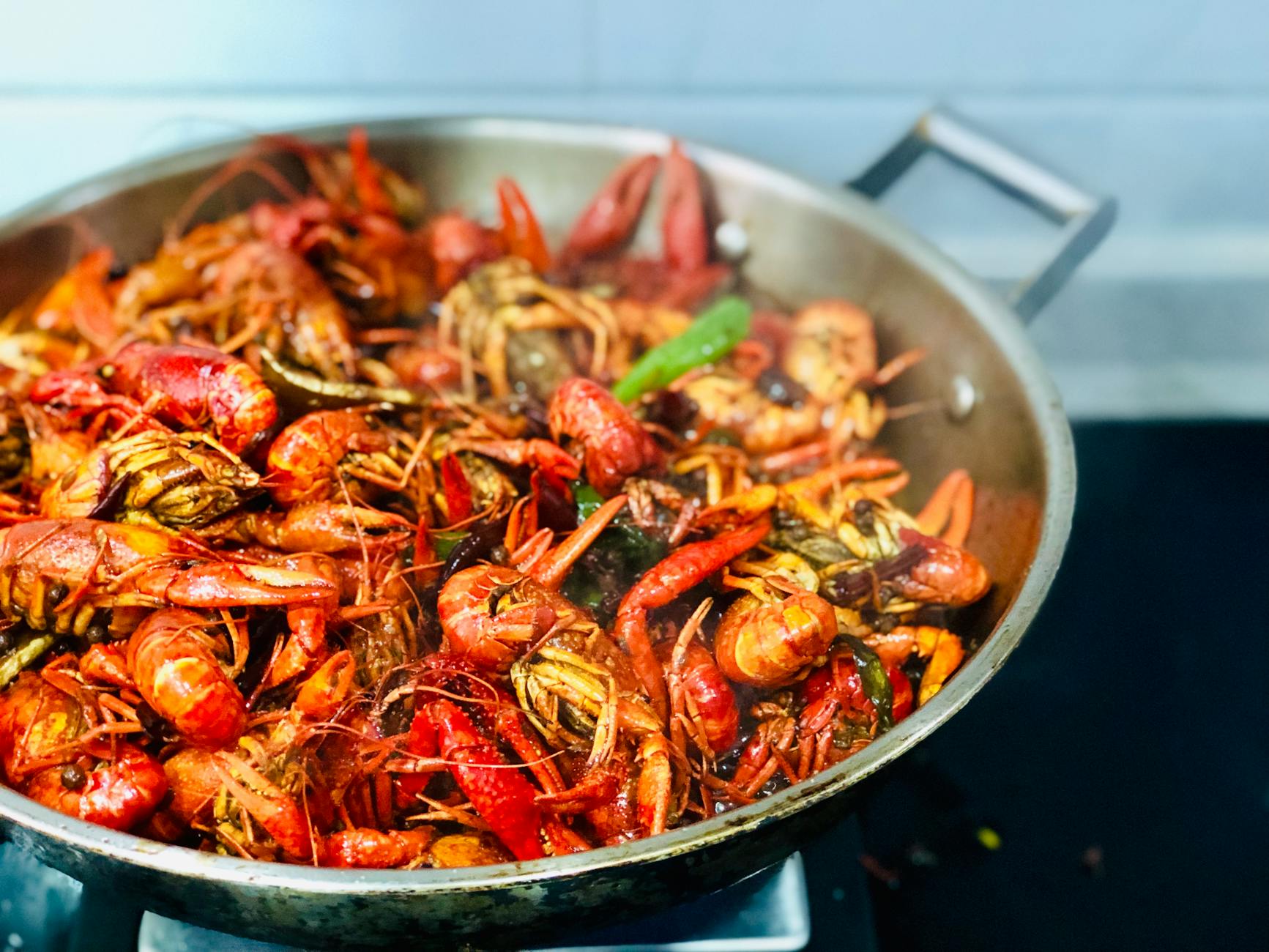
📷 Photo by Son Tung Tran on Pexels — Free to use under the Pexels License
Why This Recipe Works: The Food Science Behind It
The success of a 15-minute stir fry is rooted in three major scientific principles: the Maillard reaction, protein denaturation, and fat emulsification. Shrimp are composed of loosely packed muscle fibers and a high percentage of water. When they hit a pan heated to approximately 375°F (190°C), the Maillard reaction begins. This is the chemical reaction between amino acids and reducing sugars that gives browned food its distinctive, savory flavor. Because shrimp cook so quickly, achieving this browning without overcooking the interior is a delicate dance of thermodynamics. If your pan isn’t hot enough, the shrimp will steam in their own juices, resulting in a rubbery texture rather than a crisp, savory exterior.
According to Harvard T.H. Chan School of Public Health, evidence-based nutrition research plays an important role in understanding food preparation and nutrition.
Then we must consider the garlic. Garlic contains a compound called alliin and an enzyme called alliinase. When you mince or crush garlic, these two combine to form allicin, which provides that classic pungent kick. However, allicin is heat-sensitive. In this stir fry, we introduce the garlic toward the middle-end of the process. This allows the garlic to infuse the butter without burning. If garlic exceeds 350°F (177°C) for too long, it undergoes a bitter transformation as its natural sugars carbonize. By using butter as a vehicle, we create a thermal buffer that protects the garlic while allowing its aromatic oils to coat every millimeter of the shrimp.
Finally, the “sauce” in this dish is actually a quick emulsion. By finishing the dish with a splash of lemon juice or a tablespoon of cold butter at the very end, we are creating a microscopic suspension of fat in liquid. The proteins slightly leached from the shrimp act as natural emulsifiers, binding the melted butter and citrus juice into a glossy, velvety coating. This is why the dish feels rich despite the short cooking time; you aren’t just eating melted fat, you are eating a structured sauce that clings to the ingredients through molecular tension.
Complete Ingredient Breakdown
To achieve the perfect balance of texture and taste, every ingredient in this 15-minute window must serve a specific purpose. Here is what you will need, along with the reasoning behind each choice.
According to World Health Organization (WHO), dietary guidelines and healthy eating plays an important role in understanding food preparation and nutrition.
- Shrimp (450g / 1 lb): I recommend “jumbo” or “large” shrimp (21/25 count per pound). Larger shrimp provide a better surface-area-to-volume ratio for browning without overcooking the center. Ensure they are peeled and deveined, but I love leaving the tails on for a more aesthetic presentation and a slight boost in calcium-rich flavor during the sear.
- Unsalted Butter (45g / 3 tbsp): Using unsalted butter allows you to control the sodium levels precisely. Butter provides the “smoke point” challenge; it adds incredible flavor but can burn. We will mitigate this by using a small amount of neutral oil alongside it.
- Fresh Garlic (5-6 large cloves): Do not use the pre-minced jarred variety. The sulfur compounds in fresh garlic are far more vibrant. For this recipe, we want a medium mince—not a paste—to prevent instant burning.
- Snap Peas (150g / approx. 1.5 cups): These provide the essential “crunch” factor. They contain high levels of natural sugars that caramelize slightly under high heat.
- Red Bell Pepper (1 large, sliced thin): This adds sweetness and Vitamin C. The thin slices (julienne) ensure they cook at the same rate as the shrimp.
- Lemon Juice (15ml / 1 tbsp): The acidity is crucial for “brightening” the dish. It breaks through the richness of the butter and acts as a catalyst for the flavors.
- Neutral Oil (15ml / 1 tbsp): Use avocado or grapeseed oil. These have high smoke points, allowing us to get the pan hot enough for a proper sear without the butter solids burning immediately.
- Garnish: Fresh parsley or green onions add a necessary hit of chlorophyll and freshness to finish the plate.

📷 Photo by Márcio Carvalho on Pexels — Free to use under the Pexels License
Step-by-Step Instructions
Before you turn on the stove, you must have your “mise en place” ready. In a 15-minute recipe, there is no time to chop while you cook. Everything should be measured and within arm’s reach. For more delicious ideas, explore our drinks and beverages collection.
- Step 1 — Preparation and Drying: Pat the shrimp completely dry with paper towels. This is the most important step. If the shrimp are wet, the energy of the pan will be wasted evaporating surface moisture (steaming) rather than browning the protein (searing). Season them lightly with sea salt and cracked black pepper.
- Step 2 — The High-Heat Sear: Heat a large stainless steel or cast-iron skillet over medium-high heat. Add the neutral oil. Once the oil shimmers (approx. 375°F / 190°C), add the shrimp in a single layer. Do not crowd the pan; if necessary, do this in two batches. Let them sear undisturbed for 90 seconds until a golden-brown crust forms. Flip and cook for another 60 seconds, then remove them from the pan. They should be about 80% cooked.
- Step 3 — Aromatics and Vegetables: Reduce the heat to medium. Add 1 tablespoon of the butter to the residual oil. Immediately add the sliced bell peppers and snap peas. Sauté for 2-3 minutes. You want the vegetables to be “tender-crisp”—vibrant in color but with a firm bite.
- Step 4 — The Garlic Infusion: Create a small well in the center of the vegetables. Add the remaining 2 tablespoons of butter and the minced garlic. Stir the garlic constantly for about 30-45 seconds until it becomes fragrant and turns a pale golden color. Do not let it turn dark brown, or it will become bitter.
- Step 5 — Recombination and Emulsification: Add the shrimp (and any juices they released on the plate) back into the pan. Pour in the lemon juice. Toss everything vigorously for 60 seconds. This movement helps the melting butter and lemon juice emulsify into a light sauce that coats the vegetables and shrimp.
- Step 6 — Finishing Touches: Turn off the heat. The residual heat of the pan will finish cooking the shrimp to an internal temperature of 120°F-140°F (49°C-60°C). Toss in your fresh herbs and give it one final stir. Serve immediately over a bed of jasmine rice or zucchini noodles.
Expert Tips from Years of Kitchen Experience
Achieving a perfect stir fry is less about the recipe and more about the technique. After years of testing seafood recipes, I’ve learned that the smallest adjustments make the biggest difference in the final mouthfeel and flavor profile.
- Temperature Control: Never start with a cold pan. If you don’t hear that aggressive sizzle the moment the shrimp touch the metal, take them out and wait. A cold start leads to “leaking,” where the shrimp lose their internal juices, becoming dry and tough. Conversely, if the butter starts smoking excessively, move the pan off the heat for 10 seconds to regulate the temperature.
- Ingredient Quality: Since this is a “clean” recipe with few ingredients, their quality is magnified. Use a high-fat European-style butter if possible; it has less water content and a higher smoke point than standard commercial butter. For the shrimp, “Flash Frozen at Sea” (FAS) is often better than “fresh” shrimp at the counter, which may have been sitting on ice for days.
- Timing and Patience: Resist the urge to stir the shrimp constantly. Stir-frying doesn’t mean “constant motion” for the protein; it needs contact time with the pan to develop the Maillard reaction. Only start the “stirring” part once the initial sear is established.
- Seasoning Balance: Always taste a vegetable before serving. If the dish tastes “flat,” it usually needs more acid (lemon) or salt, not more butter. The acid acts like a volume knob for all other flavors.
Nutritional Benefits and Health Insights
From a nutritional standpoint, this garlic butter shrimp stir fry is a powerhouse of lean protein and essential micronutrients. A standard serving of shrimp (approx. 100g) provides roughly 20-24 grams of high-quality protein while remaining relatively low in calories (around 100 kcal for the shrimp alone). Shrimp is also one of the best dietary sources of selenium, an antioxidant that supports heart health and thyroid function, and provides over 50% of your daily requirement for Vitamin B12, which is essential for neurological health.
The addition of garlic brings more than just flavor. Garlic is rich in manganese, Vitamin B6, and Vitamin C. More importantly, the allicin produced when garlic is crushed has been linked in numerous studies to improved cholesterol levels and blood pressure regulation. While the recipe uses butter, the fat content is balanced by the high fiber and antioxidant density of the snap peas and bell peppers. For those watching their saturated fat intake, the butter can be partially replaced with heart-healthy extra virgin olive oil, though the flavor profile will shift from “rich and creamy” to “fruity and peppery.”
For those with specific dietary needs, this recipe is naturally low-carb and keto-friendly. If you are following a gluten-free diet, this dish is a safe haven as it relies on whole food ingredients without hidden thickeners. To make it dairy-free, a high-quality vegan butter or clarified butter (ghee) works beautifully. Ghee is particularly excellent for stir-frying because the milk solids have been removed, giving it a much higher smoke point (485°F / 250°C) while retaining that sought-after buttery aroma. For more delicious ideas, explore our quick and easy recipes collection.
Creative Variations and Dietary Adaptations
One of the reasons I love this recipe is its versatility. Once you master the base technique, you can pivot the flavor profile in several directions depending on what you have in your pantry.
- The Spicy “Chili Crisp” Twist: Replace the black pepper with a tablespoon of Sichuan chili crisp or red pepper flakes. Add a teaspoon of toasted sesame oil at the very end for a smoky, spicy depth that pairs perfectly with the garlic.
- The Mediterranean Variation: Swap the snap peas for halved cherry tomatoes and baby spinach. Finish the dish with a sprinkle of crumbled feta cheese and a few Kalamata olives. The acidity of the tomatoes creates a more “saucy” consistency.
- The “Ginger-Soy” Fusion: Add a tablespoon of freshly grated ginger along with the garlic. Replace the salt with 15ml of low-sodium soy sauce or liquid aminos. This version bridges the gap between the butter-heavy West and the umami-rich East.
- The Garden-Heavy Version: If you want to increase the volume without adding calories, add ribboned zucchini (zoodles) or thinly sliced bok choy. These vegetables cook in under two minutes and absorb the garlic butter beautifully.
- Vegan Adaptation: If you’re cooking for plant-based friends, replace the shrimp with extra-firm tofu cubes that have been pressed and patted dry. You will need to sear the tofu for longer (about 4-5 minutes per side) to achieve a crispy exterior before adding the garlic and vegetables.
Frequently Asked Questions
Can I use frozen shrimp without thawing them first?
I strongly advise against cooking shrimp directly from frozen in a stir fry. Frozen shrimp will release a massive amount of water as they melt, which will drop the pan temperature and boil the shrimp rather than searing them. For the best results, thaw them overnight in the refrigerator or place them in a sealed bag under cold running water for 15 minutes. Always pat them dry before they hit the pan.
Why does my garlic always burn and turn bitter?
Garlic burns because it is low in water and high in sugar. If you add it at the same time as the shrimp, it will be in the pan too long. The secret is to add the garlic only when the dish is nearly finished. By adding it to the melting butter in the final minutes, the fat surrounds the garlic particles and prevents them from reaching the “scorching” temperature of the bare pan surface.
Is it better to cook shrimp with the shells on or off?
For a quick 15-minute stir fry, “peeled and deveined” is the way to go. While shells add flavor, they also act as an insulator, making it harder to get a quick sear on the meat. Additionally, the “easy-eat” factor of a stir fry is lost if guests have to peel hot, buttery shrimp at the table. If you want that shell flavor, you can sauté the shells in the oil first, remove them, and then use that infused oil to cook the rest of the dish.
How do I prevent the butter from browning too much?
This is where the “neutral oil” trick comes in. By mixing butter with an oil that has a higher smoke point, you slightly stabilize the milk solids. However, some “browning” is actually desirable—it’s called *beurre noisette* in French cooking and adds a nutty, toasted dimension to the dish. Just ensure it doesn’t cross the line from brown to black.
Final Thoughts
Cooking is often viewed as a chore, a necessary hurdle between a long workday and a moment of rest. But dishes like this 15-minute garlic butter shrimp stir fry remind us that the kitchen can be a place of rapid, rewarding transformation. There is a deep satisfaction in taking raw, disparate ingredients and, through the application of heat and science, creating something that looks and tastes like a celebration. I’ve made this dish countless times—for tired friends, for family, and for myself on those nights when I thought I was too busy to cook. Every time, the result is the same: a reminder that good food doesn’t require hours; it only requires a bit of heat, a little bit of knowledge, and a lot of garlic. I encourage you to get your pan screaming hot, trust the process, and make this recipe your own.