


🍳 In This Article
- The Rich History and Cultural Roots of This Dish
- Why This Recipe Works: The Food Science Behind It
- Complete Ingredient Breakdown
- Step-by-Step Instructions
- Expert Tips from Years of Kitchen Experience
- Nutritional Benefits and Health Insights
- Creative Variations and Dietary Adaptations
- Frequently Asked Questions
- Final Thoughts
There is a specific sound in a professional kitchen that signals the start of something extraordinary: the aggressive hiss of cold protein meeting a shimmering, hot pan. When it comes to salmon, that hiss is the herald of the Maillard reaction, the chemical magic that turns a simple piece of fish into a culinary masterpiece. For years, I believed that a truly deep, complex teriyaki required hours of simmering and marinating. I was wrong. Through my work as a culinary journalist, I’ve discovered that the intersection of high-quality ingredients and precise heat management allows us to bypass the clock without sacrificing a single note of flavor. This 15-minute teriyaki salmon isn’t just a “fast food” alternative; it is an exercise in efficiency and food science, designed for the modern home cook who refuses to settle for mediocrity even on a Tuesday night.
The beauty of this dish lies in its contrast. You have the oily, rich flake of the Atlantic or Sockeye salmon, the sharp bite of ginger, and the deep, fermented umami of soy sauce, all bound together by a glaze that clings to the fish like liquid silk. I remember the first time I perfected this at home—I had just come back from a grueling assignment in Tokyo, and I wanted to replicate the *tare* (glaze) I had tasted in a small yakitori alley. By understanding how sugars caramelize and how proteins denature, I realized I could condense that experience into a single-pan process. This recipe is the result of that obsession, a marriage of traditional Japanese flavor profiles and Western pan-searing techniques that fits perfectly into a busy lifestyle.
The Rich History and Cultural Roots of This Dish
The word “teriyaki” is often misunderstood in Western culinary circles as merely a bottled sauce found on supermarket shelves. In reality, “teriyaki” describes a traditional Japanese cooking technique. The name is derived from the nouns *teri* (照り), which refers to the shine or luster given by the sugar content in the glaze, and *yaki* (焼き), which means grilling or broiling. Historically, this method emerged during the Edo period (1603–1867) in Japan, as changes in agricultural methods and urbanization led to the development of new, flavorful sauces. The traditional base—a mixture of soy sauce, mirin, and sake—was designed to preserve fish while enhancing its natural sweetness, a necessity in an era before modern refrigeration.
While the technique is quintessentially Japanese, the teriyaki salmon we know and love today underwent a fascinating transformation in the mid-20th century, particularly in Hawaii. Japanese immigrants integrated local ingredients, such as pineapple juice and brown sugar, into the traditional *tare* to suit available resources and local palates. This “Pacific Rim” style of teriyaki eventually migrated to the mainland United States, specifically Seattle, which became a hub for teriyaki shops in the 1970s. This cultural evolution turned a refined Japanese technique into a global comfort food staple, proving that great flavors are never static; they travel, adapt, and improve through cross-cultural exchange.
In Japan, salmon wasn’t always the primary choice for teriyaki; yellowtail (*buri*) or mackerel were more common. However, as salmon farming expanded globally, the fish’s high fat content made it the perfect canvas for the sweet-and-salty glaze. The oiliness of the salmon provides a necessary counterpoint to the saltiness of the soy, creating a balanced flavor profile that hits every part of the tongue. Understanding this history helps us appreciate that when we cook this dish in under 20 minutes today, we are participating in a centuries-old tradition of culinary refinement and adaptation.

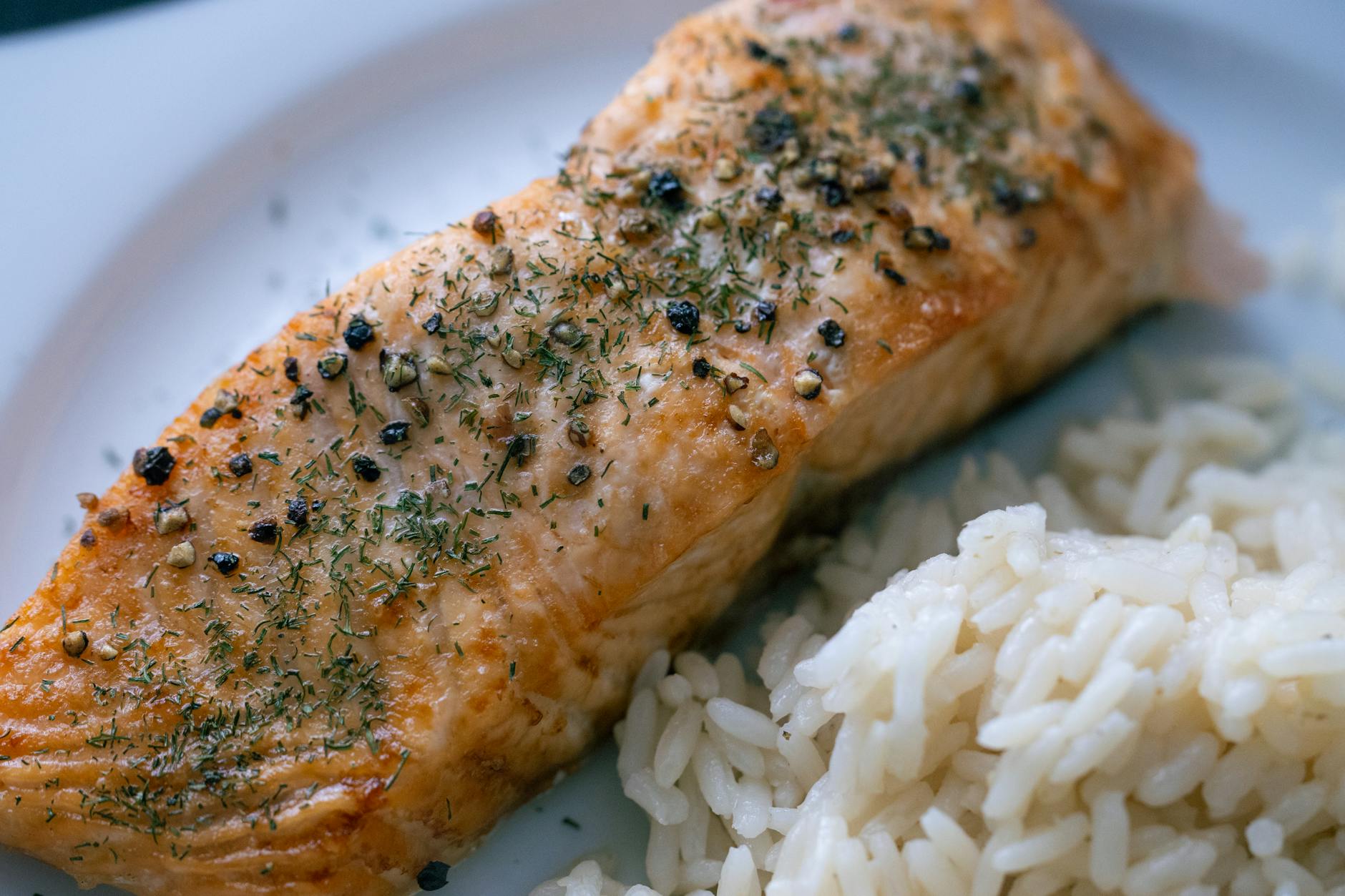
📷 Photo by Bá Soares on Pexels — Free to use under the Pexels License
Why This Recipe Works: The Food Science Behind It
The success of a 15-minute salmon dish depends entirely on two scientific principles: the Maillard reaction and the reduction of sugars. The Maillard reaction is a chemical reaction between amino acids and reducing sugars that gives browned food its distinctive flavor. When you sear the salmon at a high temperature (around 300°F to 350°F or 150°C to 175°C), the proteins on the surface rearrange to create hundreds of new flavor compounds. This is why we don’t crowd the pan; if there is too much moisture or too many fillets, the temperature drops, and the fish steams rather than sears, leaving you with a grey, bland exterior instead of a golden-brown crust.
According to USDA FoodData Central, nutritional data and food composition plays an important role in understanding food preparation and nutrition.
Then, there is the science of the glaze. A traditional teriyaki sauce is an emulsion of fermented soy, alcohol (from mirin or sake), and sugar. As the sauce heats in the pan with the fish, the water evaporates, increasing the concentration of solutes. This process, known as reduction, thickens the sauce. But there’s a catch: sugar burns at 320°F (160°C). If you add the glaze too early while the pan is at searing temperature, the sugars will undergo pyrolysis (burning) rather than caramelization, resulting in a bitter taste. The trick I’ve mastered is adding the sauce only after the salmon is 70% cooked, allowing the residual heat to thicken the glaze into a “nappe” consistency—one that is thick enough to coat the back of a spoon—without scorching.
Finally, we must consider protein denaturation. Salmon is rich in connective tissue called collagen, but unlike tough cuts of beef, fish collagen dissolves at much lower temperatures. If you overcook salmon, the muscle fibers contract too tightly, squeezing out the moisture and the white protein known as albumin. By using a fast, high-heat method and finishing with a glaze, we create a thermal barrier that keeps the interior of the fish at a perfect medium-rare (around 125°F/52°C), ensuring the flakes remain succulent and translucent rather than dry and chalky.
Complete Ingredient Breakdown
To achieve the best results in a short timeframe, the quality of your ingredients is paramount. Each component serves a specific structural or chemical purpose in the dish. I always recommend weighing ingredients in grams for the most consistent results, though standard cup measurements work well for this forgiving glaze.
According to PubMed Central, peer-reviewed food science studies plays an important role in understanding food preparation and nutrition.
- Salmon Fillets (2 x 170g / 6oz portions): Look for “center-cut” fillets. They are uniform in thickness, which ensures even cooking. I prefer skin-on salmon because the skin acts as an insulator, protecting the delicate flesh from the direct heat of the pan and providing a textural contrast.
- Soy Sauce (60ml / 1/4 cup): This provides the salt and the umami base. If you are sensitive to salt, use a “reduced sodium” version, as the reduction process will naturally concentrate the saltiness.
- Mirin (45ml / 3 tbsp): A Japanese rice wine with a low alcohol content and high sugar content. It provides the “teri” (shine) and a subtle acidity that balances the richness of the fish.
- Honey or Brown Sugar (15g / 1 tbsp): While mirin is sweet, an extra touch of honey adds viscosity and a different dimension of sweetness that helps the glaze cling to the fish.
- Fresh Ginger (10g, finely grated): Ginger contains *gingerol*, which provides a pungent heat. More importantly, ginger contains enzymes that can help tenderize the surface of the fish slightly.
- Garlic (1 clove, minced): Garlic adds depth and aromatic complexity. I recommend mincing it very finely so it integrates into the sauce without leaving large, burnt bits in the pan.
- Toasted Sesame Oil (5ml / 1 tsp): Added at the very end, this oil provides a nutty aroma that is volatile and would be lost if added at the beginning of the cooking process.
- Neutral Oil (15ml / 1 tbsp): Use grapeseed, avocado, or canola oil. These have high smoke points, allowing you to sear the fish without the oil breaking down and smoking.

📷 Photo by Picas Joe on Pexels — Free to use under the Pexels License
Step-by-Step Instructions
Before you turn on the stove, ensure your “mise en place” is ready. In a 20-minute recipe, there is no time to grate ginger while the fish is sizzling. Have your rice already steaming or resting in the background so everything hits the plate at the same time. For more delicious ideas, explore our dinner recipe collection collection.
- Step 1 — Prepare the Salmon: Remove the salmon from the refrigerator 10 minutes before cooking to take the chill off. Use a paper towel to pat the skin and flesh completely dry. Moisture is the enemy of the Maillard reaction; any water on the surface must evaporate before browning can begin. Season both sides lightly with salt, but go easy as the soy sauce is already salty.
- Step 2 — Whisk the Glaze: In a small bowl, combine the soy sauce, mirin, honey, grated ginger, and minced garlic. Stir until the honey is fully dissolved. This ensures that when the liquid hits the hot pan, the sugars are evenly distributed and won’t clump or burn in one spot.
- Step 3 — The Initial Sear: Heat your neutral oil in a non-stick or well-seasoned stainless steel skillet over medium-high heat. Once the oil shimmers and just begins to wisps of smoke (approx. 375°F/190°C), place the salmon fillets skin-side down. Press down firmly with a spatula for 10 seconds to prevent the skin from curling. Cook undisturbed for 4-5 minutes until the skin is crispy.
- Step 4 — The Flip and Finish: Carefully flip the fillets. The skin should be golden and shatter-crisp. Cook on the second side for only 1-2 minutes. At this point, the salmon should be opaque about two-thirds of the way up the side.
- Step 5 — Deglaze and Reduce: Turn the heat down to medium. Pour the teriyaki mixture directly into the pan. It will bubble vigorously—this is the water evaporating and the sugars beginning to concentrate. Use a spoon to continuously baste the tops of the salmon with the bubbling sauce for about 2 minutes.
- Step 6 — The Glossy Finish: Once the sauce has reduced by half and looks like a thick syrup, remove the pan from the heat. Stir in the toasted sesame oil. The residual heat will finish cooking the salmon to a perfect medium. Let the fish rest in the pan for 60 seconds before serving over steamed jasmine or sushi rice.
Expert Tips from Years of Kitchen Experience
Achieving a professional result at home often comes down to the small details that recipes rarely mention. After a decade of developing recipes, I’ve found that these four pillars are what separate a “home cooked” meal from a “chef-quality” experience.
- Temperature Control: Most home cooks are afraid of high heat, but for salmon, heat is your friend. If the pan isn’t hot enough when the fish hits, the skin will stick and tear. However, you must be ready to dial it back the moment the sauce enters the pan. Think of it as a two-stage process: High heat for texture, medium heat for flavor development.
- Ingredient Quality: Since this recipe has so few ingredients, there is nowhere for low quality to hide. Use naturally brewed soy sauce (which is fermented for months) rather than chemically hydrolyzed soy sauce. The difference in depth and “funk” is night and day. Similarly, fresh ginger is non-negotiable; powdered ginger lacks the bright, citrusy notes required to cut through the fatty salmon.
- Timing and Patience: The hardest part of cooking salmon is leaving it alone. Resist the urge to move the fish around in the pan. Every time you lift it to check the bottom, you lose heat and interrupt the crust formation. Trust the timer and the visual cues of the changing color on the side of the fillet.
- Seasoning Balance: Always taste your glaze with a clean spoon before it goes into the pan. If it’s too salty, add a teaspoon of water or a squeeze of lime juice. If it’s too sharp, add a pinch more sugar. The balance of sweet, salty, and acidic is subjective, and your palate is the final authority.
Nutritional Benefits and Health Insights
Beyond its incredible flavor, this dish is a nutritional powerhouse. A standard 170g serving of salmon provides approximately 34 grams of high-quality protein and is one of the best sources of long-chain omega-3 fatty acids (EPA and DHA). These essential fats are celebrated in nutritional science for their ability to reduce inflammation, lower blood pressure, and support brain health. I often tell my readers that eating salmon is like “brain fuel” in the most delicious form possible.
Furthermore, salmon is rich in Vitamin B12, which is essential for DNA synthesis and nerve function, and Selenium, a trace mineral that protects bone health and reduces the risk of certain cancers. One often-overlooked nutrient in salmon is astaxanthin, the antioxidant pigment that gives the fish its pink color. Astaxanthin has been linked to improved skin elasticity and hydration. When paired with ginger—which contains gingerol, a compound with potent anti-inflammatory and antioxidant effects—this meal becomes a functional food powerhouse that supports the immune system while providing steady energy through its balance of healthy fats and proteins.
For those watching their sodium intake, this recipe can easily be adapted. By substituting the soy sauce with liquid aminos or a “low-sodium” soy variant, you can reduce the salt content by up to 40% without losing the essential umami profile. If you are following a gluten-free diet, simply swap the soy sauce for Tamari, which provides the same fermented depth without the wheat content often found in traditional soy sauces. For more delicious ideas, explore our healthy dinner recipes collection.
Creative Variations and Dietary Adaptations
While the classic version is a staple, the versatility of the teriyaki technique allows for numerous adaptations to suit different dietary needs or flavor preferences.
- Spicy Gochujang Twist: For those who love heat, add 1 tablespoon of Korean Gochujang (fermented chili paste) to the glaze. This adds a smoky, spicy depth that pairs beautifully with the fatty salmon.
- Vegan “Teriyaki Tofu”: Swap the salmon for extra-firm tofu. Press the tofu for 20 minutes to remove moisture, coat in cornstarch, and pan-fry until crispy before adding the glaze. The cornstarch helps the glaze adhere to the porous tofu.
- Citrus Infusion: Replace half of the mirin with fresh orange or pineapple juice. The fruit acids provide a bright, tropical lift and help further tenderize the fish proteins.
- Sheet-Pan Meal Prep: If you are cooking for a crowd, you can double the glaze and bake the salmon at 400°F (200°C) for 10-12 minutes, brushing the glaze on in the last 3 minutes of cooking.
- Low-Carb/Keto Version: Replace the honey and mirin with a keto-friendly sweetener like erythritol and a splash of rice vinegar. Serve over cauliflower rice instead of white rice to keep the glycemic index low.
Frequently Asked Questions
Why did my teriyaki sauce turn into a hard candy in the pan?
This happens when the sugars in the honey and mirin are over-reduced or cooked at too high a temperature for too long. Once the water evaporates, the sugar temperature rises rapidly toward the “hard crack” stage. To fix this, simply add a tablespoon of water or sake to the pan and stir vigorously; the liquid will re-dissolve the sugar and bring the sauce back to a syrupy consistency.
Is it safe to eat salmon that is still slightly translucent in the middle?
Yes, provided you are using high-quality, fresh salmon. Most chefs recommend cooking salmon to medium-rare or medium (125°F-135°F). At this temperature, the proteins have set enough to flake, but the fats haven’t fully rendered out, leaving the fish moist. Cooking it until it is opaque all the way through often results in a dry, “chalky” texture.
Can I use frozen salmon for this quick recipe?
Absolutely, but with one caveat: it must be fully thawed and patted extremely dry. Frozen salmon often releases more moisture during cooking due to the cell walls breaking during the freezing process. To ensure a good sear, thaw it overnight in the fridge and give it extra attention with the paper towels before it hits the pan.
My salmon skin isn’t crispy; what went wrong?
The most common culprit is moisture. If the skin is damp, it will steam. Another possibility is that the pan wasn’t hot enough, or you didn’t use enough oil. The oil conducts heat into the uneven surface of the skin; without enough of it, only parts of the skin will crisp while others remain rubbery. Finally, make sure you don’t pour the glaze directly over the skin—pour it into the pan around the fish to keep the skin’s top-side dry and crunchy.
Final Thoughts
Cooking is often viewed as a chore, but I see it as a daily opportunity to engage with the physical world in a meaningful way. This Quick Teriyaki Salmon is a testament to the idea that “fast” doesn’t have to mean “thoughtless.” By understanding the chemistry of your ingredients and the physics of your pan, you can create a meal that nourishes both the body and the soul in less time than it takes to order delivery. I love adding a final sprinkle of toasted sesame seeds and some thinly sliced scallions at the end—not just for the look, but for that final hit of texture and freshness. I encourage you to take this recipe, make it your own, and remember that the best meals are the ones where you can taste the intent and the science behind every bite. Happy cooking!