


🍳 In This Article
There are some meals that just feel like a warm hug for your body and soul, and for me, the humble Buddha Bowl sits right at the top of that list. I remember the first time I truly “got” the Buddha Bowl concept. It wasn’t just a random assortment of ingredients thrown into a bowl; it was a symphony of textures, colors, and flavors, all harmoniously balanced. I was at a small, cozy café during a particularly busy week, feeling rundown and craving something genuinely nourishing. What arrived at my table was a vibrant masterpiece: perfectly roasted sweet potatoes, glistening chickpeas, fluffy quinoa, and slices of creamy avocado, all drizzled with a rich, nutty tahini dressing. It was love at first bite, and since that day, I’ve been on a mission to perfect my own version, making it a staple in my kitchen for those days when I need a delicious, guilt-free reset.
What Makes This Dish So Special
The term “Buddha Bowl” itself is often said to refer to the bowl being so generously filled that it resembles the round belly of a Buddha, or simply because it’s a perfectly balanced, wholesome meal. Regardless of its exact origin, what makes this dish truly special is its incredible versatility and the holistic nourishment it provides. It’s not just a collection of ingredients; it’s a thoughtfully constructed meal designed to hit every note: sweet, savory, tangy, creamy, and crunchy. Each component plays a vital role, from the earthy sweetness of roasted sweet potatoes to the satisfying chew of quinoa and the vibrant zest of the tahini dressing. It’s a complete meal that feels gourmet yet is surprisingly simple to prepare, making it a favorite for busy weeknights or a beautiful centerpiece for a healthy lunch spread.
According to Food Network, mastering fundamental cooking techniques makes every recipe easier and more delicious.
Beyond its aesthetic appeal and delightful taste, this Vegan Buddha Bowl is a nutritional powerhouse. Sweet potatoes are brimming with beta-carotene, an antioxidant converted to Vitamin A in the body, essential for vision and immune function, alongside a healthy dose of fiber. Chickpeas bring plant-based protein and more fiber to the table, promoting satiety and digestive health. Quinoa, often lauded as a “superfood,” is one of the few plant foods that is a complete protein, meaning it contains all nine essential amino acids, making it an excellent choice for vegans and vegetarians. Avocado adds heart-healthy monounsaturated fats, which aid in nutrient absorption and contribute to that luxurious creamy texture, while the tahini dressing offers healthy fats, calcium, and a distinctive nutty flavor that ties everything together. It’s truly a meal that fuels your body with clean, wholesome energy.
What I personally adore about the Buddha Bowl is its inherent customizability. While the core components of roasted sweet potato, chickpeas, quinoa, and avocado with tahini dressing form a fantastic foundation, it’s a dish that invites creativity. You can swap grains, add different vegetables, experiment with various dressings, or introduce new plant-based proteins. This adaptability means you can enjoy a Buddha Bowl almost daily without ever getting bored, always discovering new flavor combinations and textures. It’s also an incredible recipe for meal prepping, as many of the components can be cooked ahead of time and assembled fresh, ensuring you have healthy, delicious meals ready to go throughout the week. It’s a testament to how simple, whole ingredients can be transformed into something truly extraordinary and deeply satisfying.

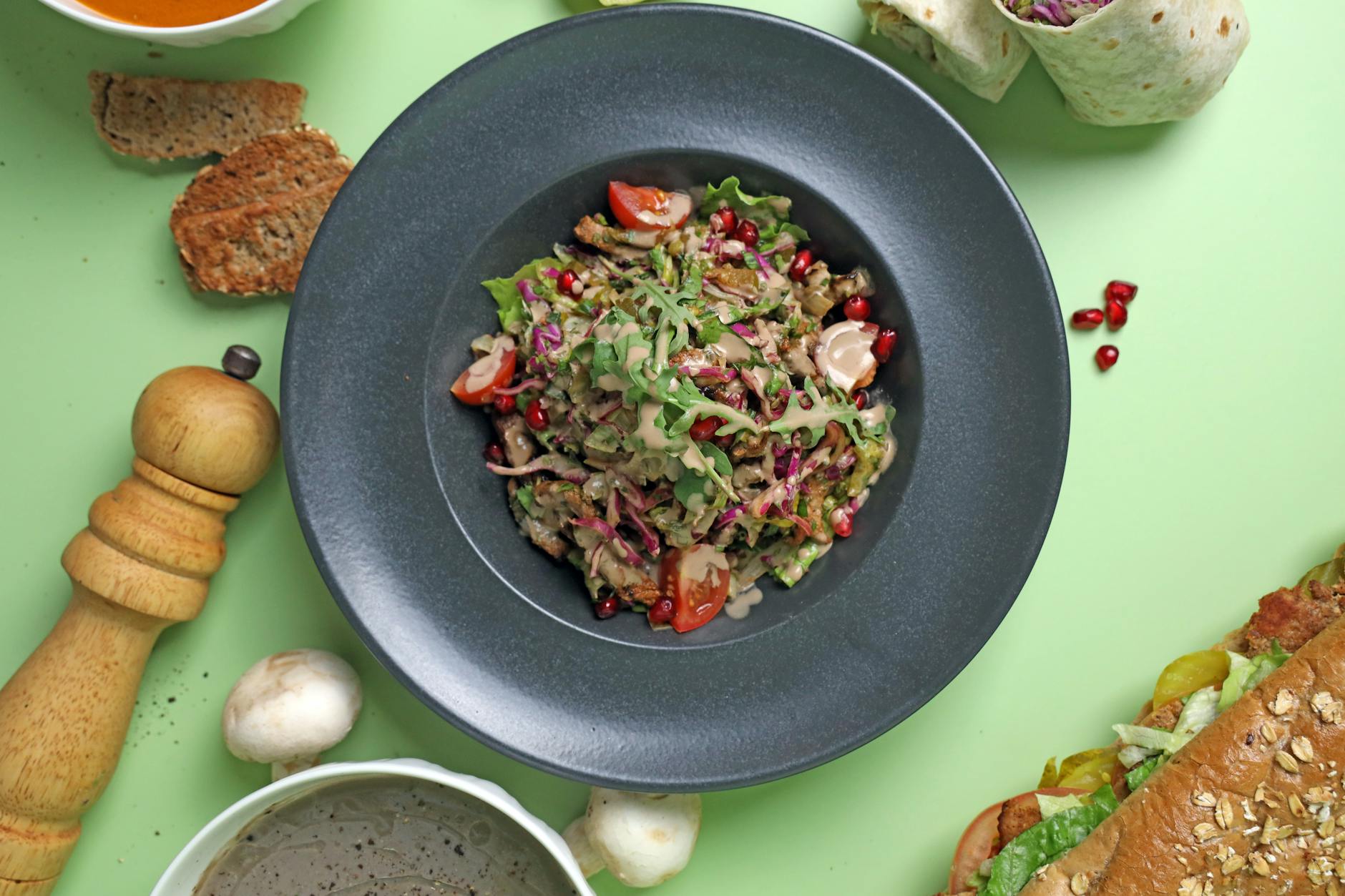
📷 Photo by Abdurahman Yarichev on Pexels
Ingredients You Will Need
Crafting the perfect Vegan Buddha Bowl begins with selecting quality ingredients. Here’s a detailed look at what you’ll need, along with some insights into why each component is essential for flavor and nutrition:
According to The Kitchn, mastering fundamental cooking techniques makes every recipe easier and more delicious.
- Sweet Potatoes (2 medium, about 1.5 lbs / 680g): Choose firm, smooth-skinned sweet potatoes. When roasted, their natural sugars caramelize, creating a beautifully sweet and tender interior with slightly crispy edges. They are a fantastic source of Vitamin A, Vitamin C, and fiber, adding vibrant color and essential nutrients.
- Canned Chickpeas (1 can, 15 oz / 425g, drained and rinsed): These humble legumes are your plant-based protein powerhouses. They get wonderfully crispy when roasted, adding a delightful textural contrast and a savory, earthy note. Chickpeas are rich in fiber, protein, and various minerals like iron and folate, making them incredibly satiating.
- Uncooked Quinoa (1 cup / 185g): I prefer tri-color quinoa for its visual appeal, but white or red quinoa works just as well. This ancient grain is a complete protein, offering all nine essential amino acids, and cooks up light and fluffy. It provides a neutral base that absorbs the flavors of the dressing and other components beautifully.
- Avocados (2 medium, ripe): Look for avocados that yield slightly to gentle pressure. Their creamy, buttery texture and mild flavor provide a luxurious counterpoint to the roasted vegetables and grains. Avocados are packed with healthy monounsaturated fats, potassium, and vitamins K, C, B5, B6, and E, contributing to satiety and overall heart health.
- Extra Virgin Olive Oil (3 tablespoons, divided): A high-quality olive oil is crucial for roasting vegetables and forming the base of our dressing. It helps achieve that desirable caramelization on the sweet potatoes and chickpeas, imparting a rich, fruity flavor and providing healthy monounsaturated fats.
- Smoked Paprika (1 teaspoon): This spice adds a beautiful smoky depth and a warm, slightly sweet flavor to the roasted chickpeas and sweet potatoes. It’s also a good source of antioxidants.
- Ground Cumin (1/2 teaspoon): Cumin brings an earthy, warm, and slightly pungent flavor that complements the chickpeas and sweet potatoes perfectly, enhancing their savory notes.
- Sea Salt (1 teaspoon, divided) & Black Pepper (1/2 teaspoon, divided): Essential for seasoning, bringing out the natural flavors of all the ingredients. Salt enhances sweetness and balances bitterness, while pepper adds a subtle kick.
- Tahini (1/4 cup / 60ml): This sesame paste is the star of our dressing, providing a rich, nutty, and slightly bitter flavor that is uniquely satisfying. Opt for a good quality, smooth tahini for the best results. It’s an excellent source of calcium, healthy fats, and protein.
- Fresh Lemon Juice (2 tablespoons): Freshly squeezed lemon juice is non-negotiable for the dressing. Its bright acidity cuts through the richness of the tahini, waking up all the flavors and adding a zesty freshness to the entire bowl.
- Garlic (1 clove, minced): Fresh garlic adds a pungent, aromatic kick to the dressing. For a milder flavor, you can roast the garlic clove with the sweet potatoes. Allicin, the compound responsible for garlic’s distinctive aroma, is also known for its health benefits.
- Cold Water (2-4 tablespoons): Used to thin the tahini dressing to the perfect pourable consistency. Start with less and add gradually.
- Fresh Parsley (2 tablespoons, chopped, for garnish): A sprinkle of fresh parsley adds a pop of color, a herbaceous note, and a touch of freshness that brightens the whole dish.
- Sesame Seeds (1 teaspoon, for garnish, optional): Toasted sesame seeds provide a subtle crunch and reinforce the nutty theme from the tahini.
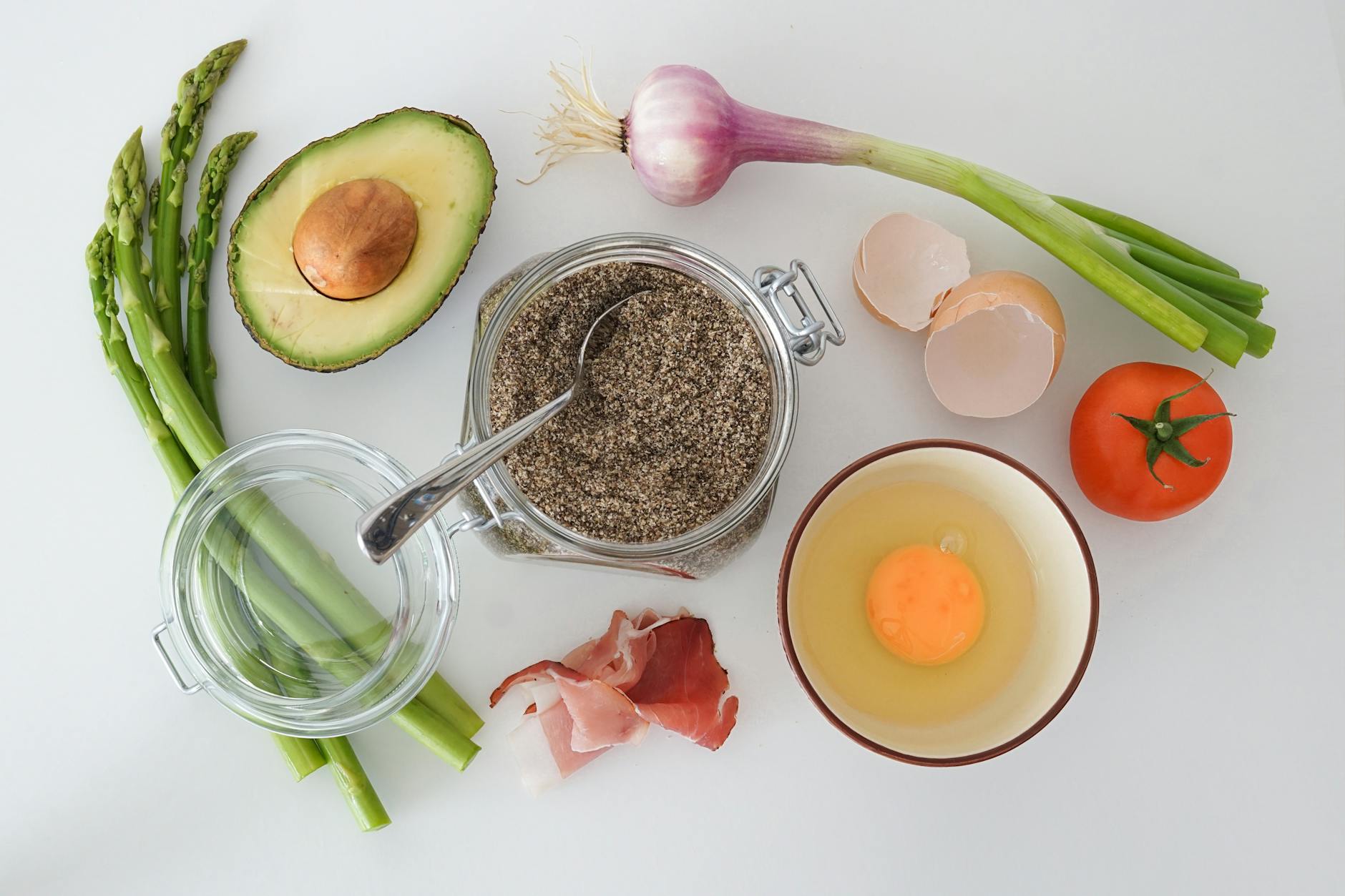
📷 Photo by mali maeder on Pexels For more delicious ideas, check out our snacks and appetizers section.
Step-by-Step Instructions
Let’s get cooking! This recipe is designed to be efficient, allowing you to roast your vegetables and cook your quinoa simultaneously, bringing this delicious and healthy meal to your table in under an hour. Precision in cooking times and temperatures is key to achieving perfectly tender sweet potatoes, crispy chickpeas, and fluffy quinoa.
According to Epicurious, mastering fundamental cooking techniques makes every recipe easier and more delicious.
- Step 1: Prepare and Roast the Sweet Potatoes and Chickpeas
Preheat your oven to 400°F (200°C). Wash and peel the sweet potatoes, then cut them into 1/2-inch (1.25 cm) cubes. For the chickpeas, drain and rinse them thoroughly, then pat them very dry with a clean kitchen towel or paper towels – this is crucial for crispiness! On a large baking sheet, toss the cubed sweet potatoes with 1 tablespoon of olive oil, 1/2 teaspoon of smoked paprika, 1/4 teaspoon of cumin, 1/2 teaspoon of sea salt, and 1/4 teaspoon of black pepper. On a separate section of the same baking sheet (or a second sheet if needed to avoid overcrowding), toss the dried chickpeas with 1 tablespoon of olive oil, the remaining 1/2 teaspoon of smoked paprika, 1/4 teaspoon of cumin, 1/4 teaspoon of sea salt, and 1/4 teaspoon of black pepper. Ensure both the sweet potatoes and chickpeas are spread in a single layer. Roast for 20-25 minutes, or until the sweet potatoes are tender and lightly caramelized, and the chickpeas are golden brown and slightly crispy. Give the pan a gentle shake halfway through cooking to ensure even roasting. - Step 2: Cook the Quinoa
While the vegetables are roasting, prepare your quinoa. Rinse 1 cup (185g) of uncooked quinoa under cold running water in a fine-mesh sieve for about 30 seconds. This step removes saponins, a natural coating that can give quinoa a bitter taste. In a medium saucepan, combine the rinsed quinoa with 2 cups (480ml) of cold water and a pinch of salt. Bring to a boil over medium-high heat, then immediately reduce the heat to low, cover the saucepan tightly, and simmer for 15 minutes. After 15 minutes, remove the saucepan from the heat, but keep it covered, and let it steam for another 5 minutes. This final resting period allows the quinoa to absorb any remaining moisture and become perfectly fluffy. Fluff with a fork before serving. - Step 3: Prepare the Avocado
While the quinoa rests and the vegetables finish roasting, prepare your avocados. Halve the avocados lengthwise, carefully remove the pit, and scoop out the flesh. Slice or dice the avocado as desired. To prevent browning, you can lightly spritz the cut avocado with a little extra lemon juice if you won’t be assembling the bowls immediately. - Step 4: Whisk Together the Tahini Dressing
In a small bowl, combine 1/4 cup (60ml) of tahini, 2 tablespoons of fresh lemon juice, 1 minced clove of garlic, 1/4 teaspoon of sea salt, and 2 tablespoons of cold water. Whisk vigorously with a fork or a small whisk. The mixture will initially seize up and become very thick – don’t worry, this is normal! Continue whisking, gradually adding the remaining 1-2 tablespoons of cold water, one teaspoon at a time, until the dressing is smooth, creamy, and has a pourable consistency, similar to a thin yogurt or heavy cream. Taste and adjust seasoning as needed, adding more lemon juice or salt if desired. - Step 5: Assemble Your Buddha Bowls
Once all components are ready, it’s time to assemble your beautiful Buddha Bowls. Divide the fluffy quinoa evenly among 2-4 serving bowls (depending on desired portion size). Artfully arrange the roasted sweet potatoes, crispy chickpeas, and sliced avocado in separate sections on top of the quinoa. The visual appeal is part of the Buddha Bowl experience! - Step 6: Garnish and Serve
Generously drizzle the creamy tahini dressing over all the components in each bowl. Finish with a sprinkle of fresh chopped parsley and a dash of sesame seeds, if using, for extra flavor and texture. Serve immediately and enjoy the harmonious blend of flavors and textures.
Pro Tips for Perfect Results
Achieving a truly outstanding Buddha Bowl involves a few insider tricks that elevate each component from good to absolutely glorious. These tips are backed by a little bit of food science, ensuring you get perfect results every time.
According to Serious Eats, mastering fundamental cooking techniques makes every recipe easier and more delicious. For more delicious ideas, check out our breakfast recipe ideas section.
- Tip 1: The Secret to Crispy Chickpeas: Dryness and Space.
The number one rule for crispy roasted chickpeas is to ensure they are *bone dry* before they hit the oven. After rinsing, spread them on a clean kitchen towel and pat them vigorously until no moisture remains. Any residual water will cause them to steam rather than roast, resulting in a soft, chewy texture instead of a satisfying crunch. Additionally, never overcrowd your baking sheet. Giving each chickpea space allows the hot air to circulate around them, promoting even cooking and maximizing the Maillard reaction, which is that magical chemical process responsible for browning and developing deep, savory flavors. If your pan is too full, they’ll steam each other and stay soft. - Tip 2: Fluffy Quinoa Every Time: Rinse and Rest.
Many people skip rinsing quinoa, but it’s a game-changer. Quinoa naturally has a bitter-tasting coating called saponin. A thorough rinse under cold water in a fine-mesh sieve removes this, ensuring your quinoa tastes clean and nutty. The second crucial step is the resting period after cooking. Once the liquid has been absorbed, taking the pot off the heat but keeping it covered allows the quinoa to steam in its own residual heat. This gentle steaming ensures every grain fully expands, becoming light and fluffy rather than clumpy or mushy. It’s the difference between a good side dish and a truly exceptional one. - Tip 3: Mastering the Tahini Dressing Consistency: Add Water Slowly.
Tahini, a ground sesame paste, can be a bit finicky. When you first mix it with lemon juice and garlic, it often seizes up and becomes incredibly thick – sometimes almost solid. This is a natural reaction as the proteins and fats in tahini react with the acid. The key to a silky-smooth, pourable dressing is to add cold water *very slowly*, one tablespoon at a time, while whisking continuously. Starting with too much water can result in a thin, watery dressing that lacks body. Gradually adding water allows you to emulsify the tahini properly, creating that luscious, creamy texture that perfectly coats every ingredient in your bowl. I love adding a tiny pinch of cayenne pepper to my dressing for a subtle warmth!
Variations and Substitutions
One of the true beauties of the Buddha Bowl is its incredible flexibility. Once you have the core concept down, you can truly make it your own by swapping in different ingredients based on what you have on hand, what’s in season, or simply what you’re craving. Here are some of my favorite ways to mix things up:
For the grain base, while quinoa is a fantastic complete protein, you could easily substitute it with other wholesome grains. Brown rice, farro, or even couscous (if you’re not strictly gluten-free) make excellent alternatives, each bringing a slightly different texture and flavor profile. If you’re looking for a lower-carb option, cauliflower rice or a bed of mixed greens can serve as a wonderful foundation. I often use a mix of half quinoa and half massaged kale for an extra boost of greens!
Don’t limit yourself to just sweet potatoes and chickpeas for the roasted components. This bowl is a perfect canvas for almost any vegetable. Try adding broccoli florets, bell pepper strips, zucchini slices, or even Brussels sprouts to the baking sheet alongside your sweet potatoes. For a pop of green, lightly steamed asparagus or green beans are also excellent. Tofu or tempeh can also be cubed, marinated, and roasted or pan-fried to add another layer of plant-based protein and texture, perhaps alongside or instead of the chickpeas for variety. One trick I have discovered is to roast some sliced red onion with the sweet potatoes for a lovely caramelized sweetness and depth.
The tahini dressing, while a classic, can also be customized or swapped entirely. For a different flavor profile, consider a peanut sauce (peanut butter, soy sauce, lime, ginger), a creamy cashew-based dressing (soaked cashews, water, nutritional yeast, lemon), or a simple maple-mustard vinaigrette. You can also play with the tahini dressing itself by adding a pinch of chili flakes for heat, a tablespoon of nutritional yeast for a cheesy umami flavor, or even a touch of maple syrup for added sweetness. And for garnishes, explore beyond parsley and sesame seeds – toasted pumpkin seeds, hemp seeds, fresh cilantro, or even a sprinkle of crumbled vegan feta can add delightful finishing touches.
Frequently Asked Questions
Can I make this Vegan Buddha Bowl ahead of time for meal prep?
Absolutely, this Buddha Bowl is an ideal candidate for meal prepping! You can prepare most of the components in advance to save time during the week. Cook the quinoa and allow it to cool completely before storing it in an airtight container in the refrigerator for up to 4-5 days. Roast the sweet potatoes and chickpeas, let them cool, and store them separately in airtight containers in the fridge for up to 3-4 days. The tahini dressing can also be made ahead and stored in an airtight jar in the refrigerator for up to a week; it might thicken slightly, so simply add a teaspoon or two of water and whisk before serving to restore its pourable consistency. I always recommend slicing the avocado fresh just before assembling your bowl, as it oxidizes and browns quickly.
How do I prevent the avocado from browning if I want to pre-slice it?
While it’s best to cut avocado right before serving for optimal freshness and color, if you must prepare it ahead, there are a few tricks to slow down the browning process. The browning is caused by oxidation when the avocado flesh is exposed to air. You can lightly brush or spritz the cut surfaces with an acidic liquid like lemon juice or lime juice. Then, store the avocado tightly covered with plastic wrap, pressing the wrap directly onto the avocado’s surface to minimize air exposure. Another method is to store avocado halves with their pit still in, face down in a container with a small amount of water (though this can sometimes affect texture). However, even with these methods, the avocado will eventually brown, so fresh is always best.
What other vegetables work well in a Buddha Bowl, and how should I prepare them?
The beauty of a Buddha Bowl is its adaptability to almost any vegetable! For roasting, consider broccoli florets, cauliflower florets, bell pepper strips, zucchini slices, or Brussels sprouts. Toss them with a little olive oil, salt, and pepper, and roast at 400°F (200°C) for 15-20 minutes, or until tender-crisp. Leafy greens like spinach or kale can be massaged with a little olive oil and lemon juice for a softer texture, or simply added fresh. Steamed vegetables like asparagus, green beans, or snap peas add a vibrant crunch. Even raw shredded carrots, cucumber, or red cabbage can be fantastic additions for a fresh element. The key is to think about contrasting textures and flavors to keep each bite interesting and satisfying. For more delicious ideas, check out our dinner recipe collection section.
Final Thoughts
There’s something truly grounding about creating a meal that is as beautiful as it is nourishing. This Vegan Buddha Bowl with Creamy Tahini Dressing isn’t just a recipe; it’s an invitation to slow down, appreciate the vibrant colors and wholesome ingredients, and savor every bite. It’s a testament to how delicious and satisfying plant-based eating can be, proving that healthy food is never boring. I sincerely hope this recipe inspires you to dive into the world of Buddha Bowls, experiment with your favorite ingredients, and discover the joy of creating a meal that truly makes you feel good from the inside out. Give it a try this week, and don’t forget to tell me how it turned out!