


🍳 In This Article
- The Rich History and Cultural Roots of This Dish
- Why This Recipe Works: The Food Science Behind It
- Complete Ingredient Breakdown
- Step-by-Step Instructions
- Expert Tips from Years of Kitchen Experience
- Nutritional Benefits and Health Insights
- Creative Variations and Dietary Adaptations
- Frequently Asked Questions
- Final Thoughts
There is a specific, intoxicating aroma that defines a home-cooked meal: the scent of garlic and rosemary hitting a hot oven. For me, this scent is a time machine. It takes me back to my early days in a professional kitchen, where I first learned that the simplest ingredients—when treated with the right scientific principles—can outperform the most expensive delicacies. Roasting vegetables is often dismissed as a “basic” skill, yet it is perhaps the most transformative technique in a cook’s arsenal. When you slide a sheet pan into a 400°F (200°C) oven, you aren’t just heating food; you are initiating a complex series of chemical reactions that turn fibrous, raw plants into tender, umami-rich delights. The magic lies in the balance of high heat, the right fat, and the brightening power of acidity. In this guide, we’re going beyond the recipe to explore the “why” behind the sizzle, ensuring your roasted vegetables are never soggy, but always perfectly charred and bursting with seasonal vitality.
The Rich History and Cultural Roots of This Dish
The practice of roasting vegetables over or near an open flame is as old as the discovery of fire itself. Long before the invention of the modern convection oven, our ancestors utilized hearths and clay ovens to soften tough root vegetables and enhance their natural sweetness. In the Mediterranean, particularly in the regions of Provence and Tuscany, the “sheet pan” approach evolved from the communal village ovens. Families would bring their prepared trays of seasonal produce—drizzled with local olive oil and tossed with wild-grown herbs like oregano and thyme—to be roasted after the day’s bread had finished baking. This “cucina povera” or “cooking of the poor” philosophy celebrated the bounty of the land, proving that luxury was found in the quality of the harvest rather than the complexity of the technique.
Historically, the shift toward the modern sheet pan meal as we know it today gained momentum in the mid-20th century. As home ovens became more reliable and temperature-controlled, the convenience of roasting everything on a single tray became a staple of busy households. In North America, the tradition of roasting was often reserved for the “Sunday Roast,” where root vegetables like potatoes and carrots sat beneath a joint of meat, absorbing its rendered fats. However, as our understanding of plant-based nutrition and global flavors expanded, the vegetables took center stage. The integration of lemon and fresh herbs reflects a Greco-Roman influence, where citrus was prized not just for its flavor but for its ability to preserve and cut through the richness of oils.
Today, the sheet pan method is a global phenomenon, adapted by various cultures to suit their local flora. In the Levant, you might find cauliflower roasted with tahini and lemon; in the American South, sweet potatoes and okra are the stars. This dish is a testament to the evolution of cooking: it began as a necessity of the hearth and has transformed into a sophisticated culinary art form that emphasizes the *terroir* of the ingredients. By choosing seasonal vegetables, you are participating in a centuries-old tradition of eating in harmony with the earth’s natural cycles, ensuring that the produce is at its peak of both flavor and nutrient density.
📷 Photo by Denys Gromov on Pexels — Free to use under the Pexels License
Why This Recipe Works: The Food Science Behind It
The primary reason roasted vegetables taste so much better than boiled or steamed ones is the Maillard reaction. This is a chemical reaction between amino acids and reducing sugars that gives browned food its distinctive, savory flavor. Unlike caramelization, which is the pyrolysis of sugar at high temperatures, the Maillard reaction occurs at lower temperatures (starting around 285°F or 140°C) and creates hundreds of different flavor compounds. When you roast at 400°F (200°C), you are providing the perfect environment for this reaction to flourish on the surface of the vegetable, while the interior remains moist. The key is to remove enough surface moisture through evaporation so the temperature can rise above the boiling point of water (212°F/100°C), allowing the browning process to begin.
According to Harvard T.H. Chan School of Public Health, evidence-based nutrition research plays an important role in understanding food preparation and nutrition.
Another critical scientific element is heat transfer. A sheet pan works through both conduction and convection. The bottom of the vegetable in contact with the metal pan cooks via conduction, which is why the side facing down always gets the best “char.” The rest of the vegetable cooks via convection, as the hot air of the oven circulates around it. This is why crowding the pan is the ultimate sin of roasting. If the vegetables are too close together, they release steam that gets trapped between them. Instead of roasting, the vegetables end up steaming in their own moisture, resulting in a mushy texture and a lack of flavor development. By leaving space, you allow the moisture to escape, ensuring the air stays dry and the surfaces become crisp.
Finally, we must consider the role of fats and acids. Olive oil acts as a heat conductor, ensuring that the heat from the pan and the air is evenly distributed across the irregular surfaces of the vegetables. It also serves as a solvent for the fat-soluble vitamins (A, D, E, and K) found in the produce, making them more bioavailable for your body to absorb. The addition of lemon juice at the end is not just for flavor; the citric acid acts as a “brightener.” It breaks down some of the heavy, roasted notes and stimulates the salivary glands, which actually makes the flavors of the herbs and the natural sugars of the vegetables feel more intense on the palate.
Complete Ingredient Breakdown
To achieve the perfect roast, we need a mix of textures and densities. I’ve categorized these by their “cooking personality” to help you understand how they behave in the heat. For this recipe, we will aim for a total of about 1.2 kilograms (roughly 2.6 lbs) of mixed vegetables, which perfectly fits a standard 18×13 inch half-sheet pan.
According to World Health Organization (WHO), dietary guidelines and healthy eating plays an important role in understanding food preparation and nutrition.
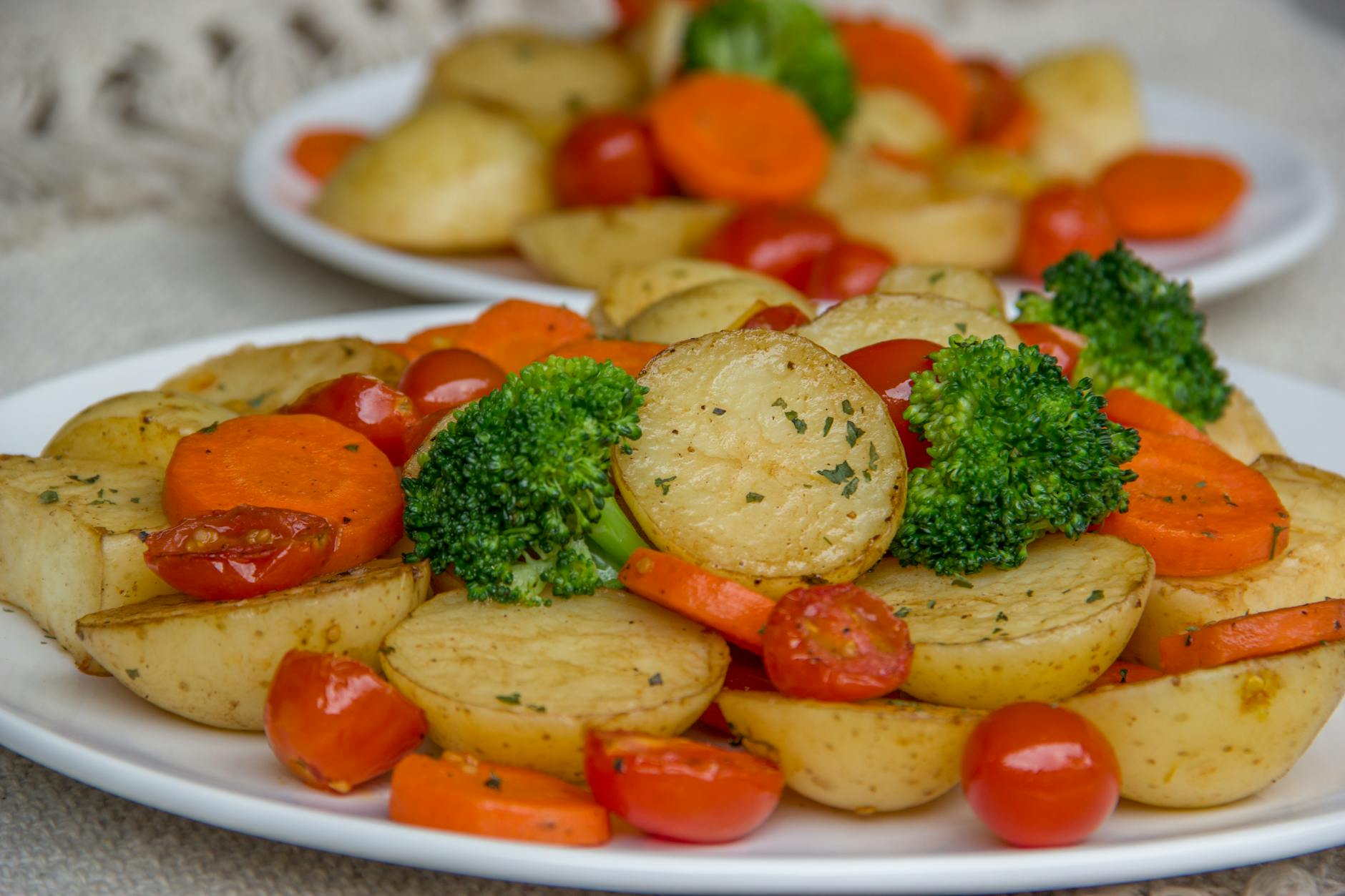
- The Foundation (Dense Roots): 300g (approx. 2 medium) Carrots and 300g (approx. 2 medium) Parsnips. These are high in natural sugars (sucrose and glucose), which caramelize beautifully. Cut these into 1-inch chunks. If you don’t like parsnips, substitute with sweet potatoes or butternut squash.
- The Texture Builders (Cruciferous): 300g (1 medium head) Broccoli or Cauliflower florets. These have a high surface area, which means more room for the Maillard reaction. They provide a lovely crunch and a nutty flavor when charred.
- The Aromatics: 1 large Red Onion (cut into wedges) and 6-8 whole Garlic cloves (peeled). Red onions contain anthocyanins (antioxidants) and become incredibly sweet when roasted. The garlic cloves, when roasted whole, turn into “garlic butter” inside their skins—mellow, sweet, and spreadable.
- The Finishing Touch (Freshness): 1 large Lemon (half sliced into thin rounds to roast, half reserved for juice). Roasting the lemon slices softens the rind and mellows the acidity, making the whole slice edible and intensely flavorful.
- The Fat: 60ml (1/4 cup) Extra Virgin Olive Oil. Choose a high-quality oil with a relatively high smoke point. I prefer a cold-pressed oil for its polyphenols, which contribute a peppery finish.
- The Herbs: 3 sprigs of fresh Rosemary and 5 sprigs of fresh Thyme. Hard herbs like these can withstand the high heat of the oven without burning to a crisp, unlike soft herbs like parsley or basil, which should only be added at the very end.
- Seasoning: 10g (approx. 2 tsp) Coarse Sea Salt and 2g (approx. 1/2 tsp) freshly cracked Black Pepper. Salt is essential for osmosis—it draws out internal moisture so the surface can brown.
📷 Photo by Mateusz Feliksik on Pexels — Free to use under the Pexels License
Step-by-Step Instructions
Success in the kitchen begins with *mise en place*—having everything in its place. Before you even turn on the oven, ensure your vegetables are washed and, most importantly, dried thoroughly. Any residual water will create steam, which is the enemy of the roast. I like to prep my vegetables an hour ahead of time and let them air-dry on a kitchen towel. For more delicious ideas, explore our drinks and beverages collection.
- Step 1 — Oven Calibration and Pan Prep: Preheat your oven to 400°F (200°C). If you have a convection setting, use it, but drop the temperature to 375°F (190°C). Place your empty sheet pan inside the oven while it preheats. This “preheated pan” trick is one I discovered after years of catering; it ensures that the moment the vegetables hit the metal, conduction begins, preventing sticking and creating an immediate sear.
- Step 2 — The Uniform Cut: Slice your carrots and parsnips into uniform 1-inch rounds or batons. Cut the broccoli into bite-sized florets. The goal is surface area. If one piece is twice the size of another, the smaller one will burn before the larger one is tender. Science dictates that smaller pieces have a higher surface-area-to-volume ratio, meaning they cook faster.
- Step 3 — The Emulsion Toss: In a large mixing bowl (not on the pan!), combine the vegetables, garlic, and onion wedges. Drizzle the olive oil over them and sprinkle with salt and pepper. Use your hands to toss everything vigorously. You want every single nook and cranny coated in a thin film of oil. This oil layer acts as a protective barrier and a heat conductor.
- Step 4 — Arranging the Landscape: Carefully remove the hot sheet pan from the oven. Spread the vegetables across the pan in a single layer. You should hear a satisfying sizzle. Arrange the lemon slices and herb sprigs among the vegetables. Ensure there is at least a half-inch of space between the pieces. If it looks crowded, use two pans.
- Step 5 — The Roasting Phase: Slide the pan into the middle rack of the oven. Set a timer for 20 minutes. Do not open the oven door during this time; every time you open it, you lose significant heat and disrupt the steady convection currents needed for even browning.
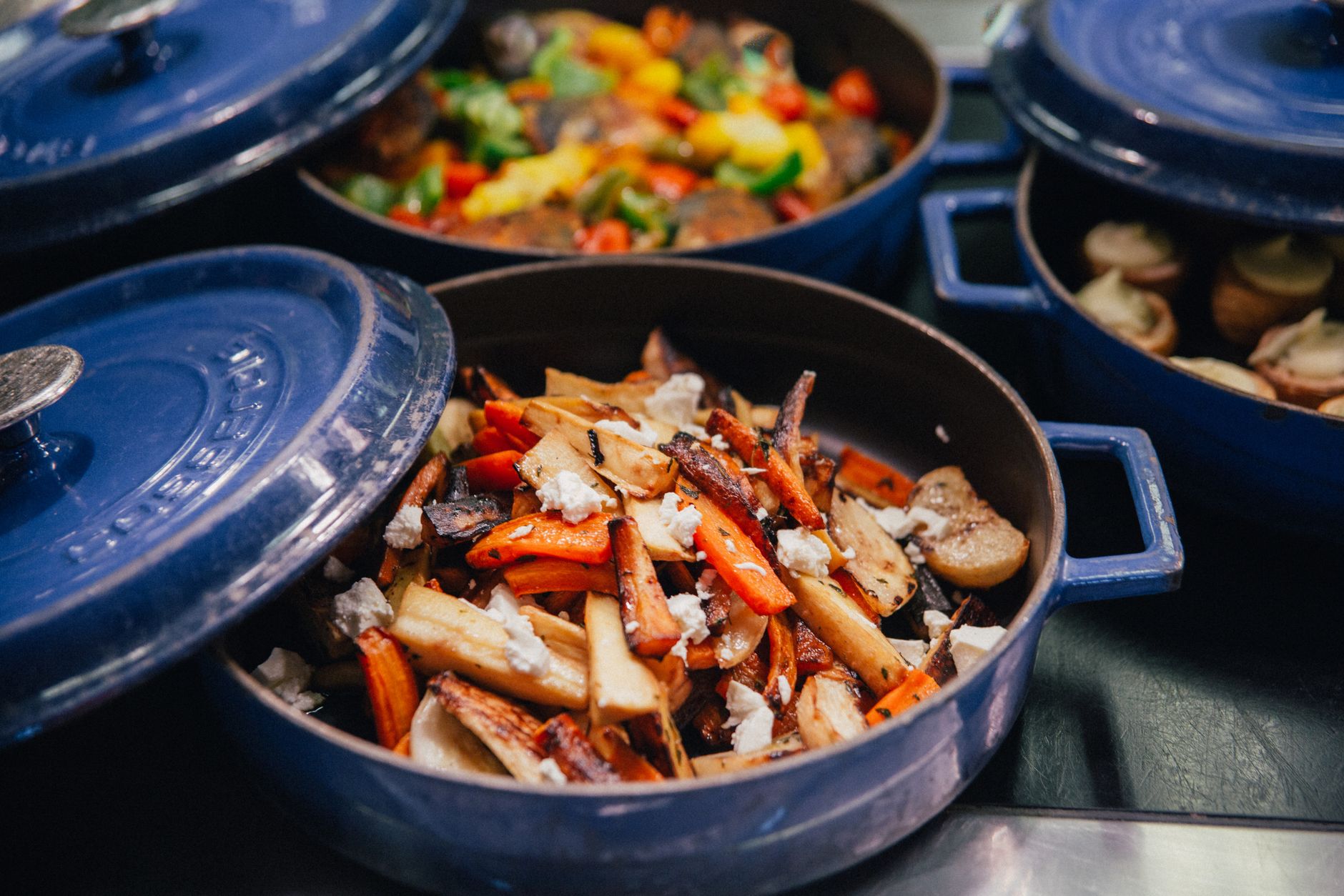
- Step 6 — The Flip and Finish: After 20 minutes, use a wide metal spatula to toss and flip the vegetables. This exposes the previously “upward” side to the hot metal of the pan. Roast for another 10-15 minutes. You are looking for “fork-tender” interiors and “char-spotted” exteriors. The carrots should look slightly shrunken and wrinkled—this is a sign that water has evaporated and flavors have concentrated.
Expert Tips from Years of Kitchen Experience
The difference between a “good” tray of vegetables and a “restaurant-quality” one often comes down to the small details that many home cooks overlook. After roasting thousands of pans of produce, I’ve realized that the most common mistake is fear of the char. Many people pull their vegetables out too early because they see a little black on the edges of the broccoli. That black isn’t “burnt”—it’s flavor. It provides a bitter counterpoint to the sweetness of the caramelized sugars.
- Temperature Control: If your oven has “hot spots,” rotate your pan 180 degrees halfway through. Also, avoid using parchment paper if you want maximum browning. While it makes cleanup easier, paper acts as an insulator, slowing down the conduction from the metal pan to the food. If you must use it, accept a slightly softer texture.
- Ingredient Quality: Use “heavy” vegetables for the best results. A carrot that feels limp in the store has already lost its cellular turgor (water pressure), meaning it won’t have that snappy, juicy interior after roasting. Always buy the firmest produce available.
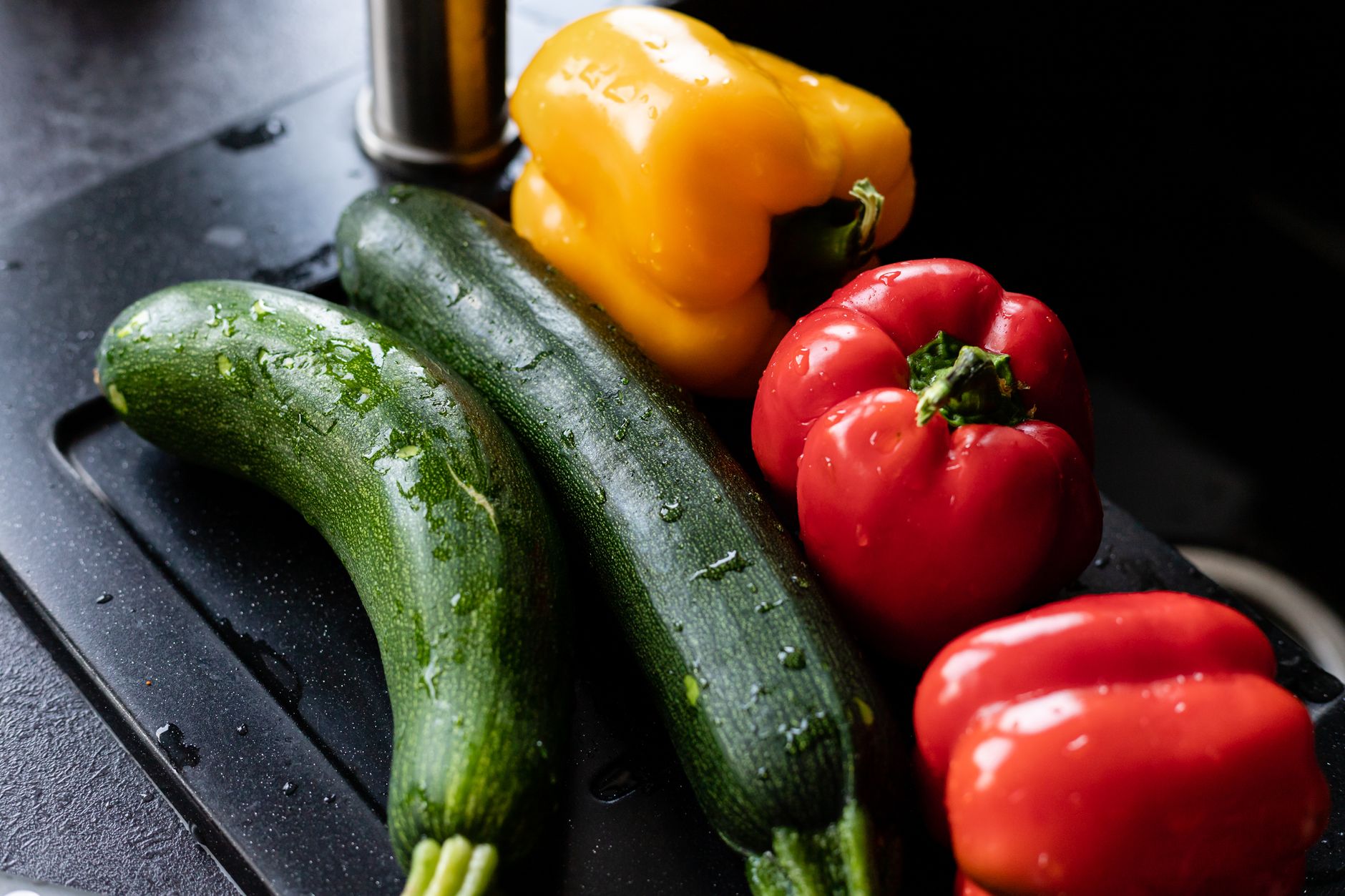
- Timing and Patience: Different vegetables have different cooking times. If you are mixing very hard roots (like beets) with very soft ones (like zucchini), add the soft ones to the pan 15 minutes after the hard ones. This “staggered roasting” ensures everything finishes at the same moment.
- Seasoning Balance: Always taste a piece of carrot or broccoli right when it comes out of the oven. The heat will have muted the salt slightly. I often add a final tiny pinch of flaky sea salt (like Maldon) at the end to provide a textural crunch and an immediate pop of salinity.
Nutritional Benefits and Health Insights
Roasted vegetables are a nutritional powerhouse, offering a dense concentration of vitamins and minerals. For example, a single serving of this recipe (about 1.5 cups) contains approximately 150-180 calories, 4g of protein, and 8g of dietary fiber. The fiber is crucial for gut health, acting as a prebiotic that feeds the beneficial bacteria in your microbiome. Because roasting involves minimal water (unlike boiling), most of the water-soluble vitamins like Vitamin C and the B-complex vitamins remain within the vegetable rather than leaching out into the cooking liquid.
Furthermore, the bioavailability of certain antioxidants actually increases with heat. Lycopene (found in red peppers or tomatoes) and beta-carotene (found in carrots and sweet potatoes) are locked within the plant’s cellular walls. The roasting process breaks down these cellulose walls, making it easier for your digestive system to absorb these fat-soluble nutrients. When combined with the healthy monounsaturated fats in olive oil, your body can efficiently transport these antioxidants into your bloodstream, where they work to combat oxidative stress and inflammation.
From a dietary perspective, this dish is naturally gluten-free, vegan, and Paleo-friendly. It is low in glycemic load, meaning it won’t cause the rapid blood sugar spikes associated with processed carbohydrates. For those watching their sodium intake, the use of fresh herbs and lemon juice allows you to reduce the amount of salt needed while still maintaining a robust flavor profile. It truly is one of the most “honest” ways to eat—simple, whole ingredients prepared with care. For more delicious ideas, explore our quick and easy recipes collection.
Creative Variations and Dietary Adaptations
Once you master the basic technique, the sheet pan becomes a canvas for global flavors. You can adapt this recipe to suit any season or craving by simply swapping the herb and spice profile.
- The Mediterranean Twist: Swap the rosemary for dried oregano. Once roasted, toss the vegetables with 50g of crumbled feta cheese, a handful of Kalamata olives, and a drizzle of balsamic glaze. The salty feta complements the sweet roasted onions perfectly.
- The Spicy Harissa Roast: Before roasting, whisk 1 tablespoon of harissa paste into your olive oil. This adds a smoky, North African heat. Serve with a dollop of Greek yogurt or labneh to cool the palate.
- The Autumn Harvest: Use cubes of butternut squash and Brussels sprouts. Replace the lemon with 1 tablespoon of maple syrup and a pinch of cinnamon. This version is particularly high in Vitamin A and manganese.
- The Miso-Ginger Umami Bomb: Instead of lemon and herbs, whisk 1 tablespoon of white miso paste with 1 tablespoon of grated ginger and a splash of sesame oil. Toss the veggies in this mixture. The miso provides a deep, fermented saltiness that enhances the Maillard reaction.
- The Protein-Boosted Meal: Turn this side dish into a full meal by adding a can of drained, patted-dry chickpeas to the pan. The chickpeas will get crispy and nutty, adding about 15g of plant-based protein to the dish.
Frequently Asked Questions
Why do my vegetables always turn out mushy instead of crispy?
Mushiness is almost always caused by steam. This happens for three reasons: you are crowding the pan, your oven temperature is too low, or your vegetables were wet when they went in. Ensure your oven is at least 400°F, use a large enough pan to give each piece “breathing room,” and pat your produce dry with a towel. Also, avoid using too much oil; a light coating is all you need. Excess oil can lead to a “fried” soggy texture rather than a roasted crisp one.
Can I use frozen vegetables for this recipe?
You can, but the results will differ. Frozen vegetables are blanched before freezing, which breaks down their structure. They also contain more internal ice crystals. To roast frozen veggies, do not thaw them. Toss them in oil and salt while frozen and roast at a higher temperature (425°F/220°C). They won’t have the same “snap” as fresh, but the high heat will help evaporate the extra moisture quickly.
How long can I store leftovers, and what’s the best way to reheat them?
Roasted vegetables will last for 3-4 days in an airtight container in the refrigerator. However, they will lose their crispness. To reheat, avoid the microwave, which will make them rubbery. Instead, place them back on a sheet pan in a 350°F (175°C) oven for 10 minutes. This will re-crisp the edges and revive the flavors. Leftover roasted vegetables are also fantastic when blended into a soup or tossed into a cold grain salad.
What are the best herbs to use if I don’t have rosemary or thyme?
Stick to “woody” herbs for the roasting process. Sage and oregano are excellent substitutes. If you only have “soft” herbs like parsley, cilantro, dill, or mint, do not roast them. Instead, chop them finely and toss them with the vegetables *after* they come out of the oven. The residual heat will release their oils without turning them brown or bitter.
Final Thoughts
Cooking is often viewed as a chore, but I prefer to see it as a daily opportunity to engage with the physical world. There is something deeply grounding about the tactile nature of chopping vegetables and the rhythmic sizzle of the oven. This sheet pan lemon herb roast isn’t just a recipe; it’s a lesson in patience and observation. It teaches you to watch for the subtle change in color, to smell the exact moment the garlic is perfectly toasted, and to appreciate the inherent beauty of seasonal produce. I love adding a handful of toasted pine nuts or a sprinkle of nutritional yeast at the very end for an extra layer of complexity, but even in its simplest form, this dish is a triumph. I encourage you to use this as a starting point. Experiment with different vegetables, play with the acidity levels, and don’t be afraid of a little char. Your kitchen is your laboratory, and the results are always delicious. Happy roasting!