


🍳 In This Article
- The Rich History and Cultural Roots of This Dish
- Why This Recipe Works: The Food Science Behind It
- Complete Ingredient Breakdown
- Step-by-Step Instructions
- Expert Tips from Years of Kitchen Experience
- Nutritional Benefits and Health Insights
- Creative Variations and Dietary Adaptations
- Frequently Asked Questions
- Final Thoughts
There is a specific sound in a professional kitchen that signals the transition from preparation to magic: the high-pitched hiss of a cold protein hitting a scorching pan. When it comes to salmon, that hiss is the precursor to a sensory journey that defines my weeknight cooking philosophy. For years, I believed that a truly deep, complex teriyaki required hours of marinating and a slow reduction process. I was wrong. Through the lens of food science and a bit of trial and error in my own kitchen, I discovered that you can achieve a “lacquered” finish—that beautiful, mirror-like sheen known in Japan as teri—in the time it takes for your rice cooker to reach its final countdown. This dish isn’t just about speed; it’s about understanding how sugars and proteins interact under heat to create a meal that is both nutritionally dense and emotionally satisfying.
The Rich History and Cultural Roots of This Dish
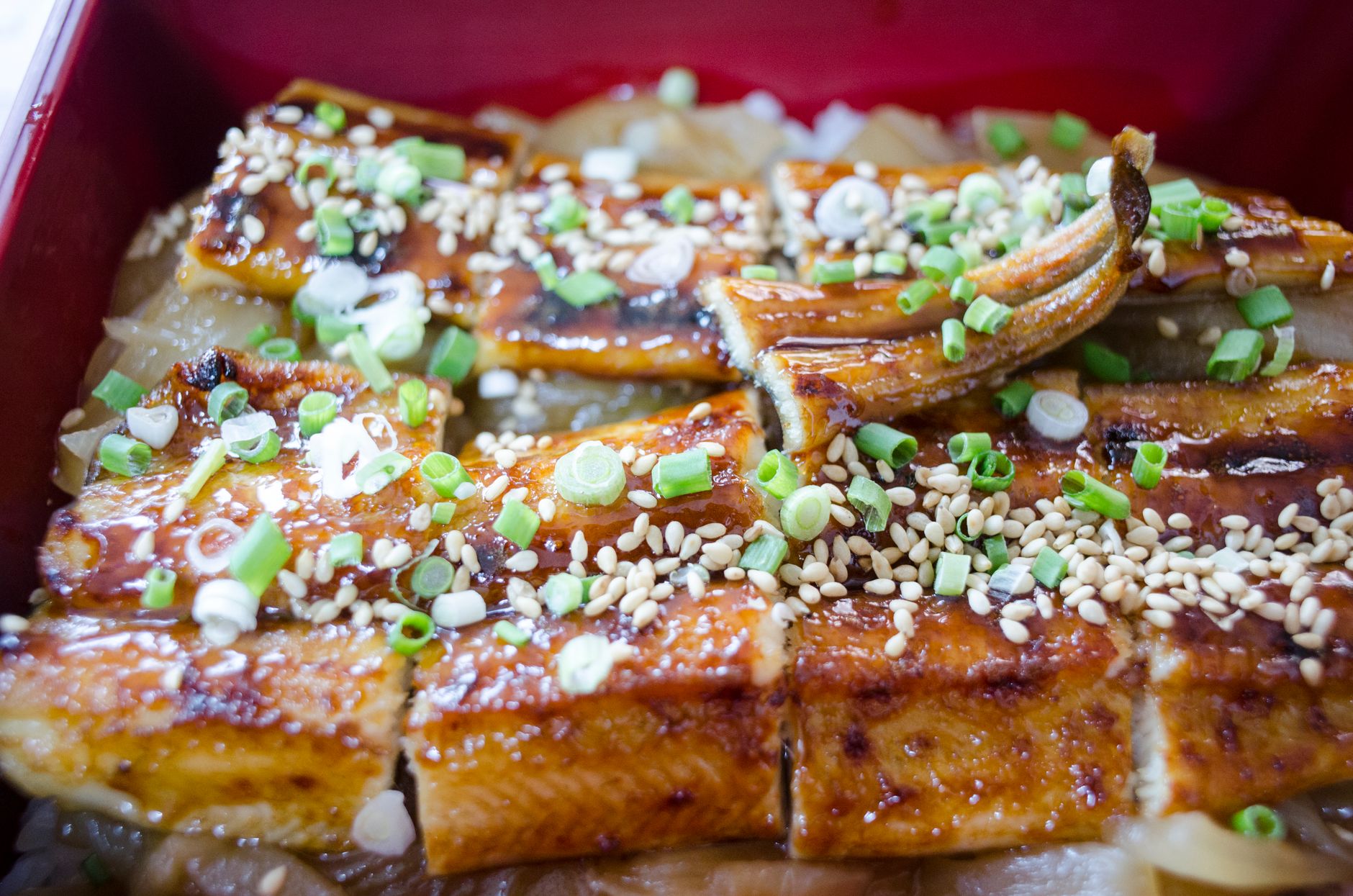
The word “teriyaki” is often misunderstood in Western culinary circles as merely a bottled sauce found on a grocery shelf. In reality, the term describes a traditional Japanese cooking technique. Derived from the nouns teri (glosss or luster) and yaki (broiled or grilled), it refers to the method of brushing meat or fish with a glaze during the cooking process to create a shiny, flavorful exterior. Historically, the origins of teriyaki are somewhat debated, but most culinary historians trace its refinement to the Edo period (1603–1867) in Japan. During this era, changes in agricultural practices and the increased availability of soy sauce and mirin allowed chefs to develop this signature glaze, which was originally applied primarily to seafood like yellowtail and eel.
As Japanese immigrants moved to Hawaii and the United States in the early 20th century, the dish evolved. In the 1960s, particularly in Seattle, a unique “teriyaki culture” emerged. Local cooks began incorporating ingredients like pineapple juice, brown sugar, and ginger to cater to local palates, creating a sweeter, thicker version of the sauce. This cross-cultural evolution transformed teriyaki from a subtle, refined glaze into a bold, comforting staple of the “Quick & Easy” category. While traditional Japanese teriyaki is often thinner and more savory, the version we celebrate today—and the one we are making here—strikes a perfect balance between those ancient techniques and modern, fast-paced convenience.
Understanding this history helps us appreciate the simplicity of the ingredients. In Japanese culture, the focus is often on the quality of the fish itself. The glaze is meant to enhance, not mask, the natural oils of the salmon. By making your own sauce at home instead of using a preservative-laden bottle, you are participating in a centuries-old tradition of artisanal cooking, even if you are only spending twenty minutes at the stove. It is a reminder that “fast food” can still be “slow food” in spirit, respecting the ingredients and the heritage behind them.
📷 Photo by makafood on Pexels — Free to use under the Pexels License
Why This Recipe Works: The Food Science Behind It
To master a 20-minute meal, you must understand the chemistry of your pan. The first major player here is the Maillard reaction. This is a chemical reaction between amino acids and reducing sugars that gives browned food its distinctive flavor. When you sear the salmon at a high temperature (around 375°F or 190°C), you aren’t just cooking the fish; you are creating hundreds of new flavor compounds. This is why we sear the salmon before adding the sauce. If we boiled the fish in the sauce, we would miss out on that complex, savory crust that provides a structural and flavor counterpoint to the sweet glaze.
According to National Institutes of Health (NIH), vitamin and mineral research plays an important role in understanding food preparation and nutrition.
The second scientific principle at work is viscosity and reduction. Our homemade teriyaki sauce relies on the evaporation of water to concentrate flavors and sugars. As the water in the soy sauce and mirin evaporates, the sugar molecules become more concentrated, and the sauce undergoes caramelization. This increases the viscosity, allowing the sauce to cling to the fish rather than sliding off into the pan. This is also why we use mirin; it contains complex sugars that provide a superior shine compared to granulated white sugar, which can sometimes crystallize or burn too quickly.
Finally, we must address protein denaturation. Salmon is rich in collagen and fat, but its muscle fibers are delicate. If you cook it too long, the proteins tighten and squeeze out moisture, resulting in that white, chalky substance called albumin appearing on the surface. By using a “hard sear” on the skin side and a gentle “baste” with the sauce at the end, we ensure the internal temperature stays around 125°F to 130°F (52°C to 54°C). This results in a medium-rare to medium center where the fats have rendered into a buttery texture without the protein becoming tough or dry.
Complete Ingredient Breakdown
For this recipe, quality is your best friend. Because there are so few ingredients, each one must pull its weight. I always recommend sourcing wild-caught salmon if possible, though high-quality farmed Atlantic salmon works well due to its higher fat content, which is very forgiving for beginners.
According to American Heart Association, heart-healthy cooking guidance plays an important role in understanding food preparation and nutrition.
- Salmon Fillets (2 portions, approx. 170g each): Look for center-cut fillets of uniform thickness. This ensures even cooking. Keep the skin on—it acts as an insulator and provides a wonderful texture.
- Soy Sauce (60ml / 1/4 cup): This provides the salt and the umami base. I prefer a naturally brewed Shoyu for depth, but Tamari is an excellent gluten-free substitute.
- Mirin (60ml / 1/4 cup): A Japanese rice wine with a low alcohol content and high sugar content. It is the secret to the “teri” (gloss). If you can’t find it, a mix of dry sherry and a teaspoon of honey works in a pinch.
- Fresh Ginger (15g, finely grated): Ginger contains gingerol, which provides a spicy heat and also acts as a natural meat tenderizer.
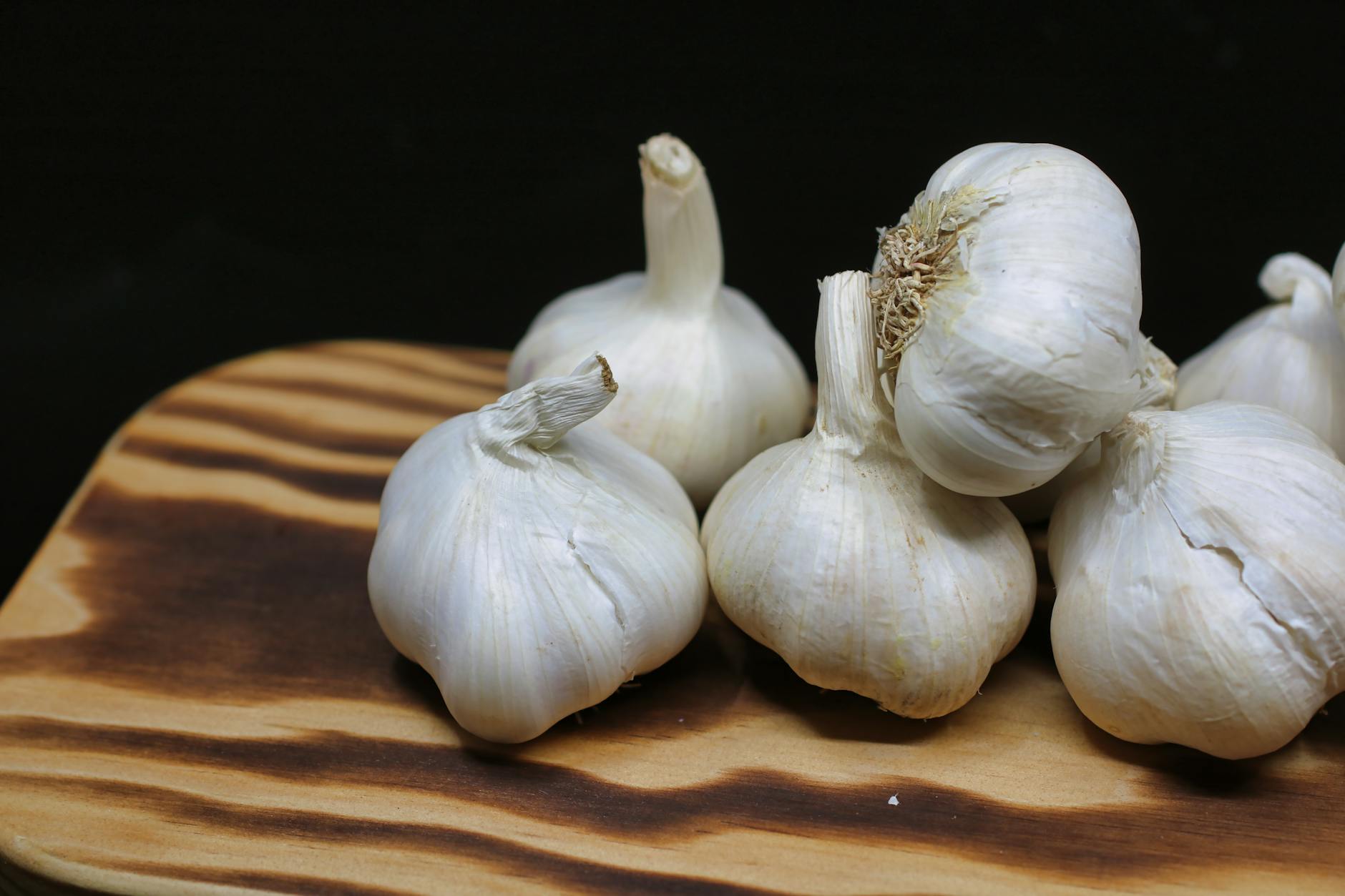
- Garlic (2 cloves, minced): Adds an aromatic pungency that balances the sweetness of the glaze.
- Brown Sugar (1 tablespoon): While mirin is sweet, a touch of brown sugar adds molasses notes and speeds up the caramelization process.
- Rice (1 cup dry, Jasmine or Short-grain): The canvas for our dish. Short-grain (sushi rice) is traditional, but Jasmine provides a lovely floral aroma that complements the ginger.
- Garnish: Toasted sesame seeds for crunch and thinly sliced green onions for a fresh, sulfurous bite to cut through the richness of the fish.
📷 Photo by Nick Collins on Pexels — Free to use under the Pexels License
Step-by-Step Instructions
Success in a 20-minute recipe comes down to mise en place. Have your sauce mixed and your garnishes chopped before the salmon ever touches the pan. This prevents the frantic “searching for the ginger” while your fish overcooks. Let’s begin. For more delicious ideas, explore our easy lunch ideas collection.
- Step 1 — Prepare the Rice: Rinse 200g of rice under cold water until the water runs clear. This removes excess surface starch, preventing the rice from becoming gummy. Combine with 300ml of water in a pot or rice cooker. Bring to a boil, then reduce to a simmer, cover, and cook for 15 minutes. Let it sit, covered, for 5 minutes after the heat is off to allow the steam to finish the job.
- Step 2 — Create the Teriyaki Base: In a small bowl, whisk together the soy sauce, mirin, brown sugar, grated ginger, and minced garlic. Ensure the sugar is mostly dissolved. This “slurry” will become our glaze. I love adding a teaspoon of toasted sesame oil here for an extra layer of toasted aroma.
- Step 3 — Dry and Season the Salmon: Use a paper towel to pat the salmon fillets bone-dry. This is the most important step for a good sear. Moisture on the surface will create steam, preventing the Maillard reaction. Season lightly with salt, but remember the soy sauce is already salty, so don’t go overboard.
- Step 4 — The Initial Sear: Heat 1 tablespoon of neutral oil (like grapeseed or canola) in a heavy-bottomed skillet over medium-high heat until it shimmers. Place the salmon skin-side down. Press down gently with a spatula for 30 seconds to prevent the skin from curling. Cook for 4-5 minutes until the skin is crispy and the flesh has cooked about halfway up the side.
- Step 5 — The Glaze Reduction: Flip the salmon carefully. Immediately pour the teriyaki mixture into the pan. The liquid will bubble vigorously—this is the water evaporating. As the sauce thickens, use a spoon to continuously baste the top of the salmon. This “lacquering” technique builds layers of flavor.
- Step 6 — Finishing and Resting: Once the sauce has reduced to a syrupy consistency (it should coat the back of a spoon) and the salmon reaches an internal temperature of 130°F (54°C), remove the pan from the heat. Let the salmon rest in the pan for 60 seconds. This allows the residual heat to finish the center and the sauce to set into a thick glaze.
Expert Tips from Years of Kitchen Experience
After a decade of writing about food, I’ve realized that the difference between a “home cook” and a “chef” is often just a few small habits. These tips will elevate your 20-minute salmon from a simple meal to a culinary event.
- Temperature Control: Never put cold fish into a cold pan. Let your salmon sit at room temperature for about 10 minutes before cooking. If the fish is too cold, the outside will burn before the inside reaches the proper temperature, leading to a “gradient” of overcooked meat.
- Ingredient Quality: Use fresh ginger, never the powdered stuff. The volatile oils in fresh ginger provide a bright, citrusy top note that powder simply cannot replicate. If you’re in a rush, you can grate the ginger with the skin on—just wash it well first!
- Timing and Patience: Resist the urge to move the fish around. Once it hits the pan, leave it alone until it’s time to flip. Moving it disrupts the heat transfer and will tear the delicate skin before it has a chance to crisp up and release naturally from the pan.
- Seasoning Balance: If your sauce tastes too salty, add a squeeze of fresh lime juice or a teaspoon of rice vinegar at the very end. The acid will brighten the dish and balance the sodium and sugar, making the flavors “pop” on your palate.
Nutritional Benefits and Health Insights
This dish is a nutritional powerhouse. A standard 170g serving of salmon provides approximately 34g of high-quality protein and is one of the best sources of long-chain Omega-3 fatty acids (EPA and DHA). These essential fats are celebrated by nutrition scientists for their role in cardiovascular health, reducing systemic inflammation, and supporting cognitive function. Furthermore, salmon is rich in Astaxanthin, the antioxidant pigment that gives the fish its red color, which has been linked to skin health and protection against oxidative stress.
When paired with steamed rice, you get a balanced macronutrient profile. To make this even healthier, you can use brown rice or quinoa to increase the fiber content, which aids in digestion and provides a slower release of energy (lower glycemic index). The ginger and garlic in the sauce aren’t just for flavor; they contain compounds like allicin and gingerol, which have well-documented antimicrobial and anti-inflammatory properties. For those watching their sodium intake, using a “low-sodium” soy sauce can reduce the salt content by up to 40% without sacrificing the essential umami profile. For more delicious ideas, explore our cooking tips and guides collection.
Creative Variations and Dietary Adaptations
One of the reasons I love this recipe is its versatility. You can use the same technique and glaze for almost any protein or lifestyle need.
- The Vegan Twist: Substitute the salmon with extra-firm tofu or thick slices of King Oyster mushrooms. Press the tofu for 20 minutes beforehand to remove water, then sear exactly like the fish. Use a splash of maple syrup instead of brown sugar for a completely plant-based glaze.
- The Spicy Kick: Add 1 teaspoon of sambal oelek or red pepper flakes to the sauce. The heat pairs beautifully with the sweetness of the mirin and the richness of the salmon fat.
- The Low-Carb Option: Swap the rice for cauliflower rice or a bed of sautéed bok choy. Instead of brown sugar and mirin, use a keto-friendly sweetener like erythritol and a splash of rice vinegar with a drop of stevia.
- The Sheet Pan Version: If you’re cooking for a crowd and don’t want to stand over the stove, toss broccoli and salmon on a tray, pour the sauce over, and roast at 400°F (200°C) for 12-15 minutes. You won’t get the same sear, but the convenience is unbeatable.
Frequently Asked Questions
Why does my salmon skin always stick to the pan?
Sticking usually happens for two reasons: the pan wasn’t hot enough, or the fish was too wet. Ensure the oil is shimmering and almost smoking before adding the fish. Once the skin undergoes the Maillard reaction and becomes crisp, it will naturally “release” from the pan. If you try to flip it and it resists, give it another 30 seconds.
Can I make the teriyaki sauce in bulk and store it?
Absolutely! You can make a large batch of the sauce (soy, mirin, sugar, ginger, garlic) and simmer it on its own for 10 minutes until thickened. Store it in a glass jar in the fridge for up to two weeks. This makes your 20-minute dinner even faster, as you only need to sear the fish and pour on the pre-made glaze.
What is the best way to reheat leftover teriyaki salmon?
Salmon is notorious for becoming rubbery in the microwave. The best way to reheat it is in a toaster oven at 275°F (135°C) covered with foil for about 8-10 minutes. This gently warms the fats without tightening the protein fibers. Alternatively, flake the cold salmon into a salad or over fresh warm rice for a “chirashi” style bowl.
Can I use frozen salmon for this recipe?
Yes, but with a caveat. Frozen salmon must be completely thawed in the refrigerator overnight. Once thawed, it often contains more surface moisture than fresh fish, so you must be extra diligent about patting it dry with paper towels to ensure you get a good sear rather than a soggy steam.
Final Thoughts
Cooking shouldn’t be a chore, especially on a Tuesday night when your energy is low. This Quick Teriyaki Salmon is my go-to “reset” meal. It’s a reminder that with a few pantry staples and a basic understanding of heat, you can create something that nourishes both the body and the spirit. I love adding a few extra sesame seeds at the end just for that professional touch—it’s a small detail, but we eat with our eyes first. I encourage you to take this recipe and make it your own. Maybe you prefer more garlic, or perhaps you like a squeeze of orange juice in your glaze. The kitchen is your laboratory, and this 20-minute framework is just the beginning of your experimentation. Happy cooking, and may your salmon always be crispy and your glaze always be glossy!