


🍳 In This Article
- The Rich History and Cultural Roots of This Dish
- Why This Recipe Works: The Food Science Behind It
- Complete Ingredient Breakdown
- Step-by-Step Instructions
- Expert Tips from Years of Kitchen Experience
- Nutritional Benefits and Health Insights
- Creative Variations and Dietary Adaptations
- Frequently Asked Questions
- Final Thoughts
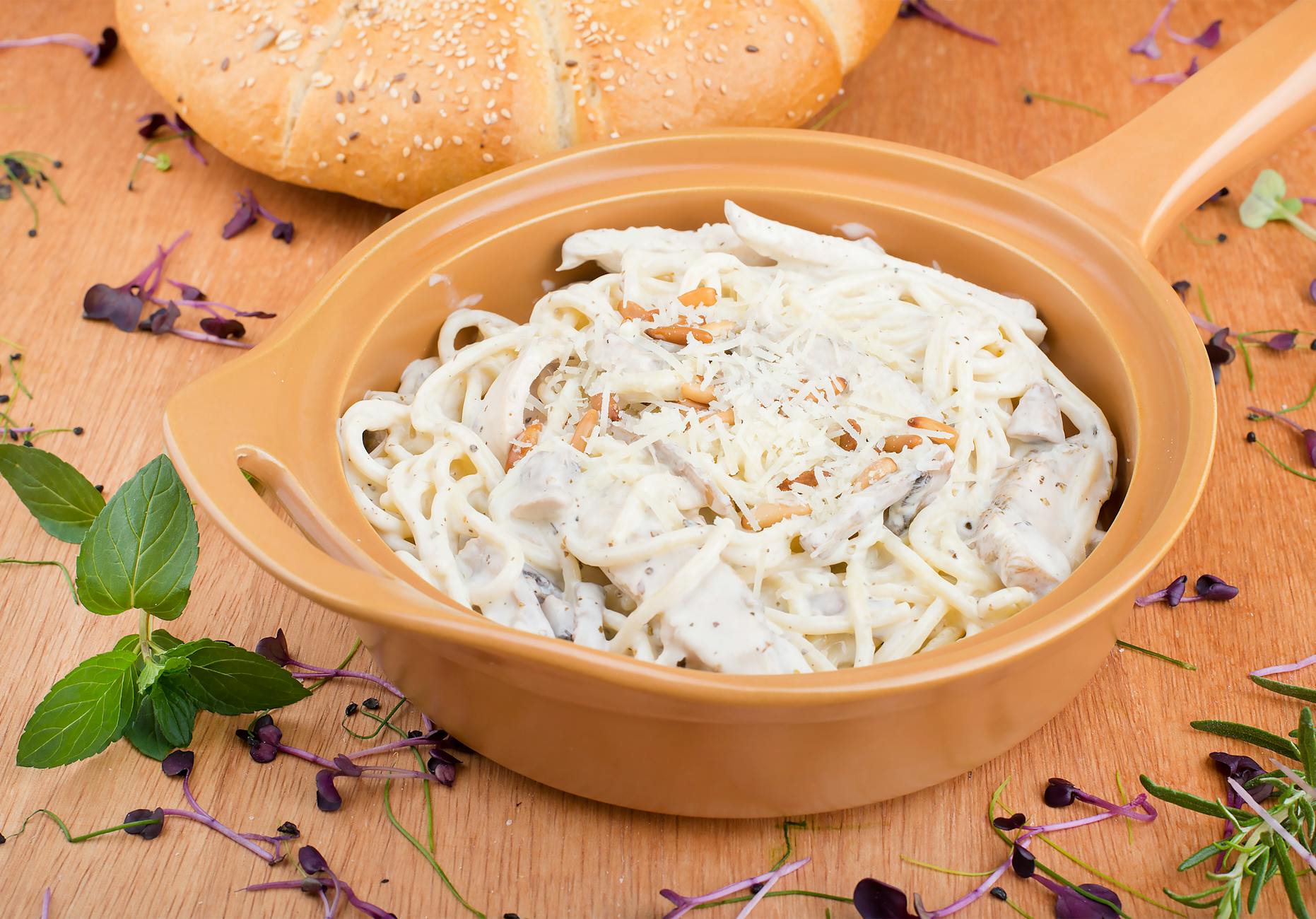
There is a specific kind of alchemy that happens in a heavy-bottomed skillet at 6:00 PM on a Tuesday. We have all been there: the craving for something deeply comforting, restaurant-grade in its complexity, yet the daunting prospect of a mountain of dishes looms large. This is where the one-pot method transcends mere convenience and enters the realm of culinary brilliance. I remember the first time I attempted a “Tuscan” style cream sauce early in my career; I used three different pans and ended up with a broken sauce and overcooked poultry. It took years of testing the chemistry of starch and fat to realize that the secret to the most cohesive, velvety sauce actually lies in cooking the pasta directly in the flavor base. By leveraging the natural starches that usually wash down the drain with the pasta water, we create a self-thickening emulsion that coats every strand of fettuccine in a way a separate sauce never could.
The Rich History and Cultural Roots of This Dish
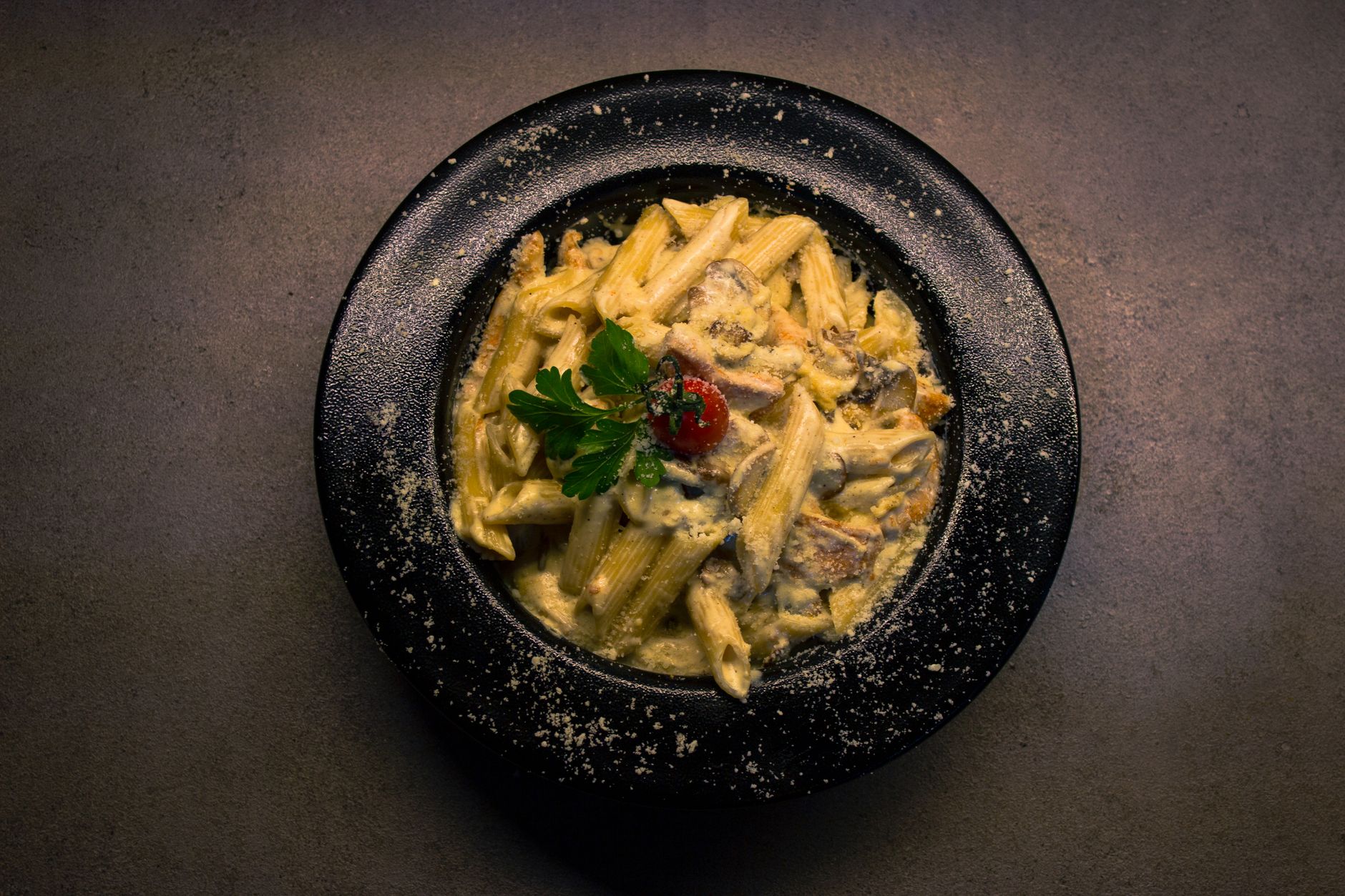
While the name “Tuscan Chicken” evokes images of rolling hills in Val d’Orcia and ancient stone farmhouses, the dish as we recognize it today—heavy with cream and sun-dried tomatoes—is a fascinating example of “culinary romanticism.” In actual Tuscan cuisine, the philosophy is centered on *cucina povera* (the kitchen of the poor), which emphasizes simplicity, beans, hearty greens like Lacinato kale, and high-quality olive oil. Authentic regional dishes from Tuscany, such as *Pollo alla Cacciatora*, rely on wine and tomato bases rather than heavy dairy. The “creamy Tuscan” profile is largely an Italian-American evolution that gained massive popularity in the late 20th century, blending the rustic ingredients of the Mediterranean with the French-influenced cream sauces beloved in North American bistros.
The inclusion of sun-dried tomatoes is a nod to Southern Italian preservation techniques. Historically, tomatoes were sliced and dried on ceramic rooftops in the intense Mediterranean sun to concentrate their sugars and acidity for the winter months. By the 1990s, sun-dried tomatoes became the “it” ingredient in global fusion cooking, providing a punch of umami that cuts through rich fats. In this one-pot version, we are honoring that history of preservation while adapting it for the modern, fast-paced kitchen. We are essentially building a flavor bridge between the sun-drenched fields of Italy and the efficiency required by a contemporary home cook.
The evolution of “one-pot” cooking itself has roots in every major culture, from the Spanish paella to the French cassoulet. These dishes were born of necessity—cooking over a single fire or in a communal oven. Today, we revisit these methods not because we lack resources, but because we value the “flavor marriage” that occurs when ingredients simmer together from start to finish. When chicken, aromatics, and pasta share the same environment, the chicken absorbs the garlic’s pungency, and the pasta absorbs the savory chicken fats, creating a unified flavor profile that multi-pot cooking simply cannot replicate.
📷 Photo by mohammad mohebbi on Pexels — Free to use under the Pexels License
Why This Recipe Works: The Food Science Behind It
The success of this dish relies on two critical scientific principles: the Maillard reaction and starch-based emulsification. When we sear the chicken at a high temperature (around 300°F to 500°F or 150°C to 260°C), the amino acids and reducing sugars undergo a chemical transformation that creates hundreds of different flavor compounds. This is the Maillard reaction. Those golden-brown bits left at the bottom of the pan, known as *fond*, are the concentrated essence of savory flavor. By deglazing the pan with liquid later, we incorporate that *fond* back into the sauce, providing a depth of flavor that offsets the sweetness of the cream.
According to American Heart Association, heart-healthy cooking guidance plays an important role in understanding food preparation and nutrition.
The second pillar of this recipe is the management of amylose and amylopectin—the starches found in pasta. In traditional cooking, pasta is boiled in a large volume of water, and the starch is discarded. In our one-pot method, we use a calculated amount of liquid (chicken stock and cream). As the pasta cooks, it releases starch into the surrounding liquid. These starch molecules act as emulsifiers, binding the fats from the heavy cream and the Parmesan cheese to the water-based stock. This prevents the sauce from “breaking” or becoming oily. The result is a glossy, stable sauce that clings to the pasta through the power of molecular cohesion.
Complete Ingredient Breakdown
To achieve the perfect balance of flavor and texture, each ingredient must serve a specific purpose. Here is what you will need for a family-sized portion (4-6 servings):
According to Mayo Clinic, nutrition science and health plays an important role in understanding food preparation and nutrition.
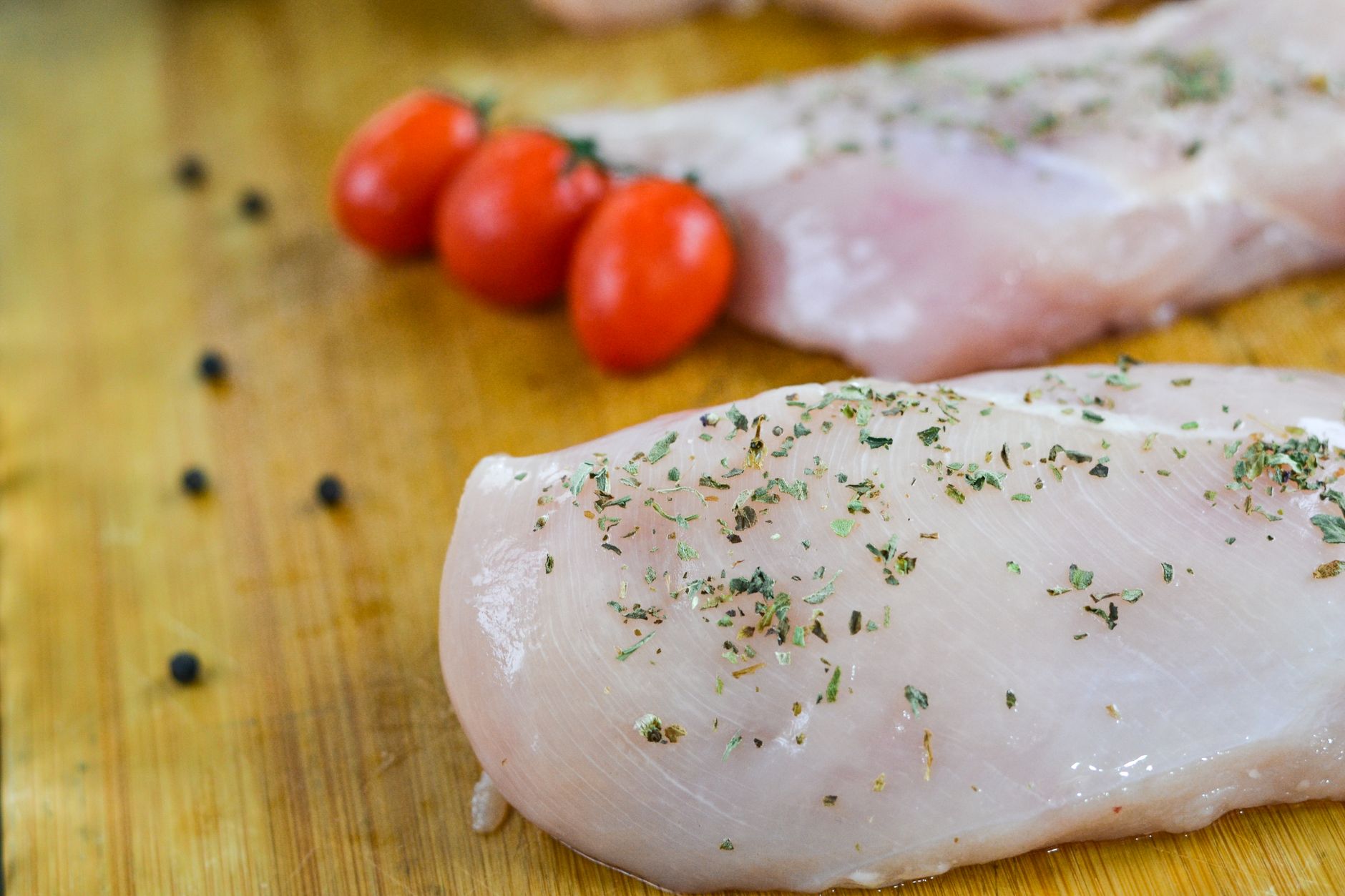
- Chicken Breast or Thighs (500g / 1.1 lbs): I prefer skinless, boneless thighs for their higher fat content and resistance to overcooking, but breasts work well if sliced thinly across the grain to ensure tenderness.
- Short Pasta (350g / 12 oz): Penne, fusilli, or campanelle are ideal. Their shapes and ridges are designed to “trap” the creamy sauce, increasing the surface area for flavor delivery.
- Sun-Dried Tomatoes (100g / 3.5 oz): Use the variety packed in oil. The oil itself is infused with tomato essence; I always use a tablespoon of this oil to sear the chicken for an extra layer of flavor.
- Fresh Baby Spinach (150g / 5 oz): Spinach provides a necessary hit of Vitamin K and a vibrant color contrast. It wilts in seconds, making it the perfect “finish” ingredient.
- Heavy Cream (240ml / 1 cup): With a fat content of at least 36%, heavy cream provides the luxurious mouthfeel and stability needed for the emulsion.
- Chicken Stock (700ml / 3 cups): This acts as the cooking medium for the pasta. Use low-sodium stock so you can control the final seasoning.
- Parmesan Cheese (60g / 2 oz): Always grate your own from a wedge. Pre-shredded cheeses are coated in potato starch or cellulose to prevent clumping, which can make your sauce gritty.
- Aromatics: 4 cloves of fresh garlic (minced), 1 small shallot (finely diced), and 1 teaspoon of dried oregano. The garlic contains allicin, which provides that signature pungent aroma when crushed.
📷 Photo by Djordje Vezilic on Pexels — Free to use under the Pexels License
Step-by-Step Instructions
Before you turn on the stove, ensure your *mise en place* is complete. In a fast-moving one-pot recipe, having your ingredients measured and chopped is the difference between a relaxed cooking experience and a frantic one. For more delicious ideas, explore our vegetarian meal ideas collection.
- Step 1 — Searing the Protein: Heat 1 tablespoon of sun-dried tomato oil and 1 tablespoon of butter in a large, deep skillet or Dutch oven over medium-high heat (approx. 375°F / 190°C). Season the chicken with salt and pepper. Add the chicken to the pan in a single layer. Let it sit undisturbed for 4 minutes to develop a deep golden crust (Maillard reaction). Flip and cook for another 3 minutes. Remove the chicken and set aside; it doesn’t need to be fully cooked through yet as it will finish in the sauce.
- Step 2 — Building the Aromatics: Reduce the heat to medium. In the same pan, add the diced shallots and sun-dried tomatoes. Sauté for 2 minutes until the shallots are translucent. Add the minced garlic and oregano, stirring constantly for 30 seconds. Do not let the garlic brown, as burnt garlic contains bitter sulfur compounds that will permeate the entire dish.
- Step 3 — Deglazing and Liquid Integration: Pour in the chicken stock and heavy cream. Use a wooden spoon to scrape the bottom of the pan, releasing all those flavorful browned bits (the *fond*). Bring the mixture to a gentle simmer. The liquid should look like a pale, creamy orange thanks to the tomato oil.
- Step 4 — The Pasta Infusion: Add the dry pasta directly into the simmering liquid. Stir well to ensure every piece is submerged. Cover the pan with a tight-fitting lid and reduce the heat to low-medium. This creates a pressurized steam environment that cooks the pasta evenly while preventing too much liquid from evaporating.
- Step 5 — Simmering to Al Dente: Cook for 10-12 minutes, stirring every 3 minutes to prevent the pasta from sticking to the bottom. As the pasta absorbs the liquid, the sauce will naturally thicken. Test the pasta at the 10-minute mark; it should be *al dente*—firm to the bite but not crunchy.
- Step 6 — The Final Emulsion: Stir in the seared chicken (and any juices that collected on the plate), the fresh spinach, and the grated Parmesan. Stir gently for 1-2 minutes until the spinach has wilted and the cheese has completely melted into the sauce. If the sauce is too thick, add a splash of stock. Season with a squeeze of fresh lemon juice to provide an acidic “brightness” that cuts through the fat.
Expert Tips from Years of Kitchen Experience
Achieving a restaurant-quality finish requires more than just following steps; it requires an understanding of how ingredients behave under heat. After making this dish hundreds of times, I’ve learned that the smallest adjustments make the biggest impact on the final plate.
- Temperature Control: Never let the sauce reach a rolling boil once the cream is added. High heat can cause the dairy proteins to denature and clump, leading to a grainy sauce. A gentle simmer is all you need for the starch to do its job.
- Ingredient Quality: Because this is a quick recipe, the quality of the chicken stock is paramount. If you don’t have homemade stock, use a high-quality bone broth. The gelatin in bone broth adds a silky “lip-smacking” quality to the sauce that standard stock lacks.
- Timing and Patience: One trick I discovered is to “carry-over cook” the pasta. I turn off the heat when the pasta is just slightly underdone. The residual heat in the heavy skillet will finish the cooking process during the 2 minutes it takes to wilt the spinach, ensuring the pasta never becomes mushy.
- Seasoning Balance: Always taste your sauce *after* adding the Parmesan. Parmesan is naturally high in sodium (approx. 1.5g per 100g), so if you salt the sauce too early, the final result may be unpleasantly salty. A final crack of fresh black pepper adds piperine, which provides a heat that lingers on the back of the palate.
Nutritional Benefits and Health Insights
This dish is a powerhouse of macronutrients and essential vitamins. A standard serving provides approximately 35-40 grams of high-quality protein, essential for muscle repair and satiety. The chicken is a primary source of niacin (Vitamin B3), which aids in energy metabolism. By using the one-pot method, we also retain more of the water-soluble vitamins (like B-vitamins) that are usually lost when pasta water is discarded.
The “Tuscan” elements bring significant micronutrient value. Sun-dried tomatoes are a concentrated source of lycopene, a potent antioxidant that has been linked to heart health and skin protection. Interestingly, lycopene is more “bioavailable” (easier for your body to absorb) when it has been cooked and paired with a fat source, like the cream and olive oil in this recipe. The baby spinach contributes a massive dose of Vitamin K (over 100% of your daily requirement in one serving), which is vital for bone health and blood clotting. For those looking to reduce carbohydrates, you can swap half the pasta for cannellini beans, which increases the fiber content and adds a creamy texture of its own. For more delicious ideas, explore our delicious dessert recipes collection.
Creative Variations and Dietary Adaptations
The beauty of this flavor profile is its versatility. You can easily adapt this recipe to suit various dietary needs or to simply shake up your routine.
- The Vegan Variation: Swap the chicken for smoked tofu or chickpeas. Use a full-fat coconut milk or a cashew-based cream instead of dairy. Nutritional yeast provides the “cheesy” umami flavor that Parmesan usually offers.
- The Spicy Calabrian Twist: Add 2 teaspoons of Calabrian chili paste or red pepper flakes during the aromatic stage. The heat pairs beautifully with the sweetness of the sun-dried tomatoes.
- The Low-Carb/Keto Version: Omit the pasta and stock. Sauté the chicken, aromatics, tomatoes, and spinach, then finish with a heavy reduction of cream and cheese. Serve over steamed cauliflower or zucchini noodles (zoodles).
- The Seafood Swap: Use large shrimp or scallops instead of chicken. Sear them quickly (2 minutes per side) and remove them, then add them back only at the very end to prevent a rubbery texture.
- The Whole-Grain Boost: Use whole-wheat penne for extra fiber. Note that whole-wheat pasta may require an additional 1/2 cup of stock and 3-4 minutes more of cooking time as the bran and germ absorb liquid more slowly.
Frequently Asked Questions
Why did my cream sauce “split” or look oily?
A sauce “splits” when the fat separates from the liquid. This usually happens if the heat is too high or if you used a low-fat dairy product like skim milk. To fix it, remove the pan from the heat and whisk in a tablespoon of cold heavy cream or a splash of hot pasta water. The cold cream helps re-stabilize the emulsion by lowering the temperature and introducing new emulsifying proteins.
Can I make this ahead of time for meal prep?
Yes, though pasta continues to absorb liquid as it sits. If you are reheating this the next day, the sauce will be quite thick. I recommend adding a splash of water or milk before microwaving or reheating on the stovetop. Store in an airtight container for up to 3 days. I do not recommend freezing this dish, as the cream sauce can become grainy upon thawing.
Is it possible to use fresh tomatoes instead of sun-dried?
You can use cherry tomatoes, but the flavor profile will change significantly. Fresh tomatoes have a higher water content and more acidity, whereas sun-dried tomatoes provide a concentrated, chewy sweetness. If using fresh, sauté them until they burst before adding the liquid to ensure their juices are incorporated into the sauce base.
What is the best way to get a good sear on the chicken in a one-pot meal?
The key is “thermal mass.” Ensure your pan is hot before adding the chicken, and do not crowd the pan. If you add too much cold meat at once, the pan temperature drops, and the chicken will steam in its own juices rather than searing. If necessary, sear the chicken in two batches to maintain that high-heat environment required for the Maillard reaction.
Final Thoughts
Cooking is often presented as a chore, but when you understand the science of the one-pot method, it becomes an act of efficiency and joy. This Creamy Tuscan Chicken Pasta is more than just a quick meal; it is a masterclass in building layers of flavor. Every time I make this, I am reminded that the best food doesn’t require a dozen pans or a culinary degree—it requires an appreciation for how ingredients interact. I love adding a handful of toasted pine nuts at the very end for a buttery crunch, or sometimes a dash of nutmeg to the cream to echo the flavors of a classic Bechamel. I encourage you to use this recipe as a foundation. Taste as you go, trust your senses, and don’t be afraid to let the pasta “drink” that sauce. There is no greater satisfaction than serving a restaurant-quality meal and knowing you’ll be done with the dishes before the stars are out.