


🍳 In This Article
- The Rich History and Cultural Roots of This Dish
- Why This Recipe Works: The Food Science Behind It
- Complete Ingredient Breakdown
- Step-by-Step Instructions
- Expert Tips from Years of Kitchen Experience
- Nutritional Benefits and Health Insights
- Creative Variations and Dietary Adaptations
- Frequently Asked Questions
- Final Thoughts
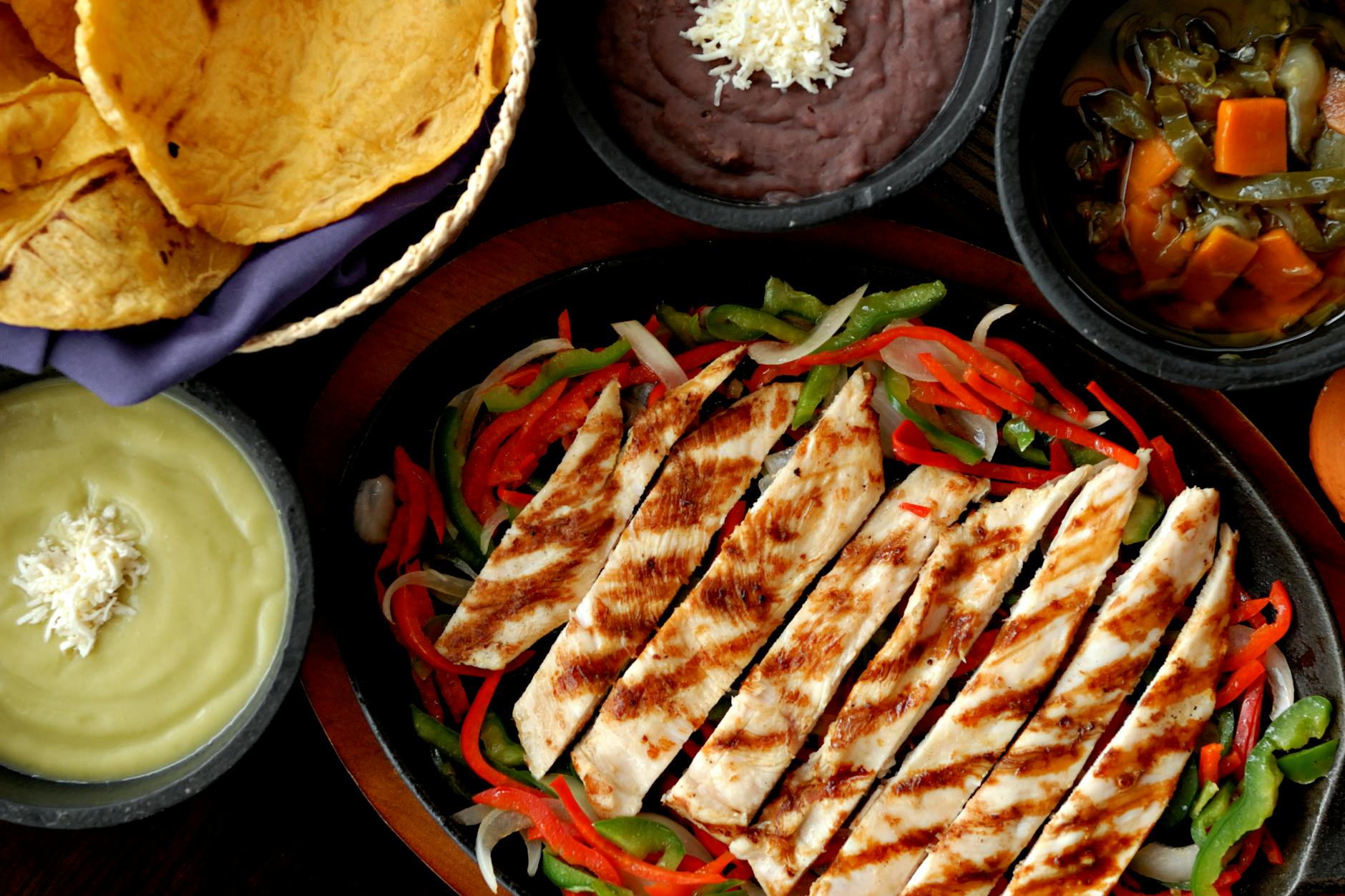
There is a specific, Pavlovian response triggered by the sound of a sizzling cast-iron skillet emerging from a restaurant kitchen. That hiss, accompanied by a cloud of aromatic steam scented with cumin and charred peppers, is the universal signal that fajitas have arrived. However, as much as I adore the theatricality of a restaurant presentation, the reality of a Tuesday night at 6:00 PM rarely allows for the maintenance of a seasoned skillet and the intense smoke production of a high-heat stovetop sear. This is where the magic of the sheet pan comes into play. By leveraging the convective power of a modern oven, we can replicate that deep, caramelized flavor profile with a fraction of the effort and almost zero cleanup. Over my years in professional kitchens and as a culinary journalist, I’ve found that the sheet pan is perhaps the most underrated tool for achieving the Maillard reaction across a large volume of ingredients simultaneously. It’s not just about convenience; it’s about the intelligent application of heat to create a cohesive, vibrant meal that nourishes both the body and the soul after a long day.
The Rich History and Cultural Roots of This Dish
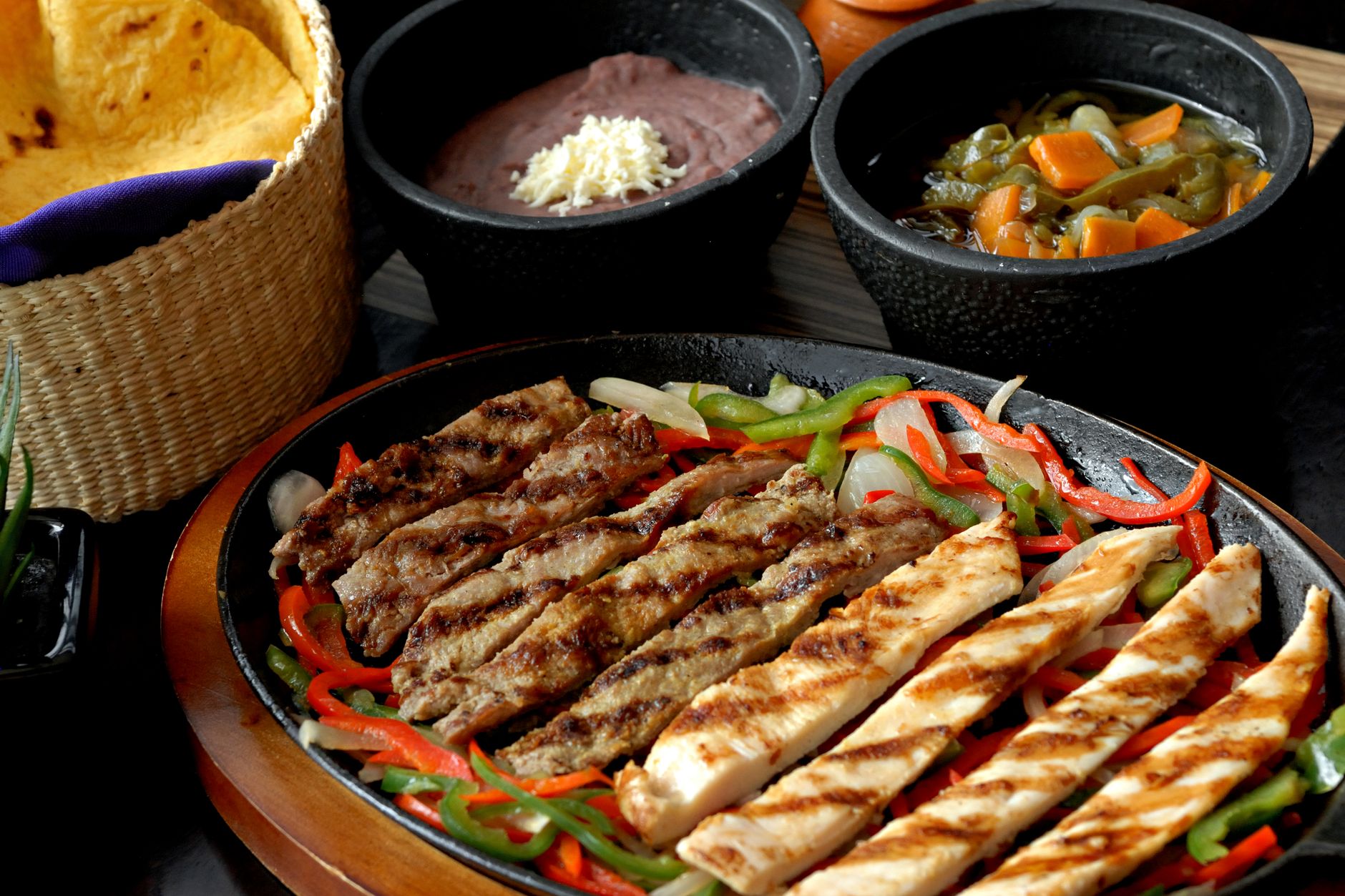
While we often associate fajitas with ancient Mexican culinary traditions, the dish as we know it today is a quintessential example of Tex-Mex evolution. The term “fajita” is derived from the Spanish word “faja,” which translates to “belt” or “girdle.” This refers to the skirt steak, a thin, tough diaphragm muscle of the cow that was often given to Mexican vaqueros (cowboys) in West Texas and the Rio Grande Valley as part of their wages during cattle roundups in the 1930s. These resourceful cooks learned that by marinating this tough cut in lime juice and grilling it over open mesquite fires, they could transform a “throwaway” cut into a tender, flavorful delicacy. It was a dish born of necessity, ingenuity, and a deep understanding of how to manipulate protein fibers through acid and fire.
The transition from a regional cowboy staple to a global phenomenon began in the late 1960s and early 1970s. Sonny Falcón, often credited as the “Fajita King,” operated the first commercial fajita taco concession stand at a festival in Kyle, Texas, in 1969. Around the same time, upscale hotels in Austin and Houston began featuring “sizzling fajitas” on their menus, elevating the dish from campfire fare to a theatrical dining experience. It wasn’t until the 1980s that chicken fajitas became a popular alternative, catering to a growing public interest in leaner proteins. This adaptation allowed the flavor profile—heavy on lime, garlic, and earthy spices—to reach an even broader audience, cementing the dish’s status as a pillar of North American cuisine.
Today, the sheet pan method represents the latest stage in the fajita’s evolution. It reflects our modern need for efficiency without sacrificing the bold, punchy flavors that defined the original vaquero cookouts. By moving the process from the open flame to the oven, we are essentially “roasting” the fajitas, a technique that allows for more even heat distribution and the inclusion of a wider variety of vegetables. While a purist might argue that the lack of charcoal smoke changes the character of the dish, the use of smoked paprika and high-quality cumin in our spice blend bridges that gap, providing a sophisticated depth of flavor that pays homage to its smoky origins.
📷 Photo by DΛVΞ GΛRCIΛ on Pexels — Free to use under the Pexels License
Why This Recipe Works: The Food Science Behind It
The success of a sheet pan meal hinges on two primary scientific principles: the Maillard reaction and moisture management. The Maillard reaction is a chemical reaction between amino acids and reducing sugars that gives browned food its distinctive flavor. To achieve this in an oven, we need high heat (425°F/220°C) and a dry environment. If the pan is overcrowded, the vegetables will release their internal moisture, creating a localized steam bath. Instead of browning, your chicken and peppers will “stew,” resulting in a rubbery texture and muted flavors. By spreading the ingredients in a single layer on a large rimmed baking sheet, we allow that moisture to evaporate quickly, letting the dry heat of the oven concentrate the natural sugars in the bell peppers and onions.
According to Harvard T.H. Chan School of Public Health, evidence-based nutrition research plays an important role in understanding food preparation and nutrition.
Another critical element is the role of the marinade, specifically the emulsification of oil and acid. When we toss our chicken and vegetables in a mixture of oil, lime juice, and spices, we aren’t just adding flavor; we are creating a protective barrier. The oil acts as a heat conductor, ensuring that the surface of the chicken reaches the necessary temperature for browning before the interior overcooks. Meanwhile, the citric acid in the lime juice begins to denature the proteins in the chicken. This process, often called “cold cooking,” breaks down the tightly wound protein strands, allowing them to retain more moisture during the high-heat roasting process. This is why even lean chicken breast can remain remarkably juicy when prepared this way.
Finally, we must consider the thermal mass of the sheet pan itself. A heavy-duty, rimmed aluminum baking sheet is ideal because it conducts heat rapidly and evenly. I always recommend preheating the oven thoroughly—at least 20 minutes—before the pan goes in. Some chefs even prefer to preheat the empty pan itself. When the room-temperature ingredients hit a hot pan, the “searing” begins instantly from the bottom up, while the hot air of the oven works from the top down. This dual-direction heating is what gives the peppers those beautiful charred edges while keeping the onions translucent and sweet.
Complete Ingredient Breakdown
To create the perfect sheet pan fajita, balance is key. We want a mix of textures, a spectrum of sweetness from the peppers, and a robust spice blend that ties everything together. Here is what you will need for a standard family-sized batch (serving 4 people):
According to World Health Organization (WHO), dietary guidelines and healthy eating plays an important role in understanding food preparation and nutrition.
- Chicken (1.5 lbs / 680g): I prefer boneless, skinless chicken thighs for their higher fat content and resilience to high heat. However, chicken breast works perfectly well if sliced into uniform 1/2-inch strips. The key is uniformity; if the pieces are different sizes, the small ones will dry out before the large ones are safe to eat.
- Bell Peppers (3 large / approx. 450g): Use a variety of colors—red, yellow, and orange. Red peppers are the sweetest as they are the most ripe, providing a lovely counterpoint to the savory chicken. Green peppers offer a slightly more bitter, earthy note that adds complexity.
- Red Onion (1 large / approx. 200g): Red onions hold their shape better than yellow onions during high-heat roasting and provide a beautiful purple hue that makes the dish “pop” visually.
- The Fat (3 tbsp Avocado or Grapeseed Oil): You need an oil with a high smoke point. Extra virgin olive oil has a lower smoke point (around 375°F) and can develop off-flavors at 425°F. Avocado oil is my go-to for its neutral flavor and 500°F smoke point.
- The Spice Blend: A combination of 2 tsp chili powder (for base heat), 1 tsp ground cumin (for earthiness), 1 tsp smoked paprika (for that “grilled” aroma), 1/2 tsp garlic powder, and 1 tsp kosher salt. If you like heat, add 1/4 tsp of cayenne pepper.
- The Brightener (2 fresh limes): You will use the juice of one lime to toss with the ingredients before cooking and the second lime for serving. Fresh acidity is non-negotiable here.
- Serving Essentials: Flour or corn tortillas, fresh cilantro, sliced avocado or guacamole, and a dollop of Greek yogurt or sour cream.
📷 Photo by Adonyi Gábor on Pexels — Free to use under the Pexels License
Step-by-Step Instructions
Before you begin, clear your workspace. The beauty of this recipe is the “mise en place”—once everything is sliced and seasoned, the oven does the heavy lifting. I love to put on a podcast and focus on the rhythmic slicing of the vegetables; it’s a great way to decompress after work. For more delicious ideas, explore our delicious dessert recipes collection.
- Step 1 — Preparation and Preheating: Preheat your oven to 425°F (220°C). Position your oven rack in the center. While the oven heats, lightly grease a large (18×13 inch) rimmed baking sheet with a small amount of oil or line it with parchment paper for even easier cleanup.
- Step 2 — The Precision Slice: Slice your chicken into 1/2-inch thick strips. Slice the bell peppers and onions into strips of similar width. This is a crucial “science” step: if the vegetables are too thin, they will turn to mush before the chicken is cooked. If the chicken is too thick, it will be raw in the middle. Aim for a consistent “finger-width” for everything.
- Step 3 — The Emulsified Toss: In a large mixing bowl (or directly on the sheet pan if you’re feeling bold), combine the chicken, peppers, and onions. Drizzle with the 3 tablespoons of high-smoke-point oil and the juice of one lime. Sprinkle the spice blend evenly over the top.
- Step 4 — Coating for Flavor: Use your hands or large tongs to toss the mixture thoroughly. You want every single strip of chicken and every sliver of pepper to be glistening with oil and coated in spices. This ensures even heat conduction and prevents the spices from burning in dry patches.
- Step 5 — The Single Layer Spread: Spread the mixture onto the prepared baking sheet. This is the most important rule: DO NOT OVERCROWD. If the ingredients are piled on top of each other, use two sheet pans instead. There should be visible space between most of the pieces to allow for proper air circulation and moisture evaporation.
- Step 6 — The Roasting Phase: Place the pan in the oven and roast for 18 to 22 minutes. At the 10-minute mark, use a spatula to quickly toss the ingredients on the pan to ensure even browning. You’ll know they are done when the chicken reaches an internal temperature of 165°F (74°C) and the edges of the peppers are slightly charred and blistered.
Expert Tips from Years of Kitchen Experience
After making this dish dozens of times for both my family and for professional testing, I’ve picked up a few nuances that elevate it from a simple “tray bake” to something truly special. It’s the small details—the “chef’s touch”—that make the difference.
- Temperature Control: If your oven has a convection setting (a fan that circulates air), use it! Convection roasting is the sheet pan’s best friend. It speeds up the evaporation of moisture and results in significantly better browning. If using convection, you may want to lower the temperature to 400°F (200°C) and check the chicken a few minutes early.
- Ingredient Quality: Since this is a “quick” recipe, the quality of your spices matters immensely. Cumin loses its aromatic oils quickly once ground. If your cumin has been sitting in the pantry for three years, it’s time to replace it. For an extra boost, toast whole cumin seeds in a dry pan for 60 seconds before grinding them yourself.
- Timing and Patience: Resist the urge to pull the pan out as soon as the chicken looks white. The magic happens in the last three minutes when the natural sugars in the onions undergo pyrolysis—the final stage of browning. Those dark, “burnt-looking” bits on the onions are actually concentrated flavor bombs.
- Seasoning Balance: Always taste a piece of pepper once it comes out of the oven. If it tastes “flat,” it likely needs a pinch more salt or another squeeze of lime. Salt enhances flavor, but acid (lime) brightens it. Often, when a dish feels like it’s missing something, it’s acid, not salt, that it needs.
Nutritional Benefits and Health Insights
From a nutritional standpoint, sheet pan fajitas are a powerhouse of micronutrients and lean macronutrients. A single serving of this dish (roughly 1/4 of the pan) typically contains about 280-320 calories, providing approximately 35 grams of high-quality protein and only 12 grams of healthy fats (when using chicken thighs). If you choose chicken breast, the fat content drops even further. This makes it an excellent choice for muscle recovery and satiety.
The vegetable components are where the real health benefits lie. Bell peppers are one of the richest dietary sources of Vitamin C; a single red bell pepper provides over 150% of the recommended daily intake. Vitamin C is crucial for collagen synthesis and immune function. Furthermore, the red onions contain quercetin, a flavonoid antioxidant that has been studied for its anti-inflammatory properties. By roasting these vegetables with a small amount of oil, you actually increase the bioavailability of fat-soluble vitamins like Vitamin A (found in the peppers), making it easier for your body to absorb these nutrients.
For those with specific dietary needs, this recipe is naturally gluten-free (when served with corn tortillas or over greens) and dairy-free. To keep it low-carb or keto-friendly, simply skip the tortillas and serve the mixture over a bed of cauliflower rice or shredded romaine lettuce. The high fiber content from the peppers and onions, combined with the protein from the chicken, ensures a low glycemic load, preventing the energy crashes often associated with heavy weeknight meals. For more delicious ideas, explore our easy lunch ideas collection.
Creative Variations and Dietary Adaptations
One of the reasons I return to this recipe so often is its incredible versatility. Once you master the basic technique, you can adapt it to whatever you have in the fridge or any dietary restrictions you may be hosting.
- The Vegetarian “Portobello” Twist: Replace the chicken with 3 or 4 large Portobello mushroom caps sliced into strips. Mushrooms have a wonderful “meaty” texture and are rich in umami. Because mushrooms release more water than chicken, I recommend roasting them at 450°F to ensure they brown rather than steam.
- The Spicy “Habanero” Kick: If you are a fan of intense heat, finely mince half a habanero pepper and mix it into the oil and spice blend. The fruity notes of the habanero pair beautifully with the sweetness of the roasted bell peppers. Just remember to wear gloves when handling the seeds!
- The Shrimp Variation: Shrimp cooks much faster than chicken. To make shrimp fajitas, roast the peppers and onions for 12 minutes first, then add the seasoned shrimp to the pan and roast for an additional 5-7 minutes until they are pink and opaque.
- The Steak Fajita Upgrade: Use flank steak or skirt steak cut across the grain into thin strips. Steak benefits from a very hot pan, so I suggest preheating the baking sheet in the oven for 10 minutes before adding the ingredients to get a better sear on the beef.
- The Mediterranean Fusion: Swap the cumin and chili powder for dried oregano, lemon juice instead of lime, and add some sliced zucchini and cherry tomatoes to the pan. Serve with pita bread and tzatziki for a completely different flavor profile using the same “quick and easy” method.
Frequently Asked Questions
Why do my vegetables always turn out soggy instead of charred?
Soggy vegetables are almost always a result of overcrowding or low temperature. When you pack too many ingredients onto one pan, the steam released during cooking has nowhere to go, so it sits around the food. Use the largest pan you have, or split the recipe between two pans. Also, ensure your oven is truly at 425°F; many home ovens run cool, so using an internal oven thermometer can be a game-changer for your roasting results.
Can I meal prep this dish for the week?
Absolutely! This is one of my favorite meal-prep recipes. You can slice the chicken and vegetables up to two days in advance and keep them in an airtight container. I recommend storing the raw chicken separately from the vegetables. After cooking, the fajita mixture stays fresh in the refrigerator for up to 4 days. To reheat, I suggest a quick flash in a hot skillet rather than the microwave to maintain the texture of the peppers.
What is the best way to warm the tortillas?
Don’t settle for cold tortillas! While the fajitas are resting for a minute after coming out of the oven, wrap a stack of tortillas in damp paper towels and microwave them for 30 seconds, or wrap them in foil and pop them into the still-warm oven for 5 minutes. For the best flavor, char them individually over a gas flame on your stove for 10 seconds per side using tongs.
How can I make this recipe even faster?
If you’re really short on time, you can purchase pre-sliced “fajita mix” vegetables from the produce section of most grocery stores. You can also use a high-quality store-bought taco seasoning, though I find the homemade blend of cumin and smoked paprika is much more sophisticated. Using a mandoline for the onions can also shave a few minutes off your prep time, but be careful with your fingers!
Final Thoughts
Cooking at home shouldn’t feel like a chore, especially on those evenings when your energy is low and your “to-do” list is high. These sheet pan fajitas represent everything I love about modern home cooking: they are efficient, nutritious, and incredibly flavorful. There is a profound satisfaction in pulling a tray of vibrant, sizzling food out of the oven and knowing that dinner is served with almost no dishes to wash afterward. I’ve found that this recipe often becomes a gateway for people who are intimidated by the kitchen; it proves that you don’t need complex techniques to produce a meal that tastes like it came from a professional line. I encourage you to make this your own—experiment with the spices, try different proteins, and most importantly, enjoy the process. There is a simple joy in the sizzle that I hope you find as rewarding as I do. Happy cooking!