


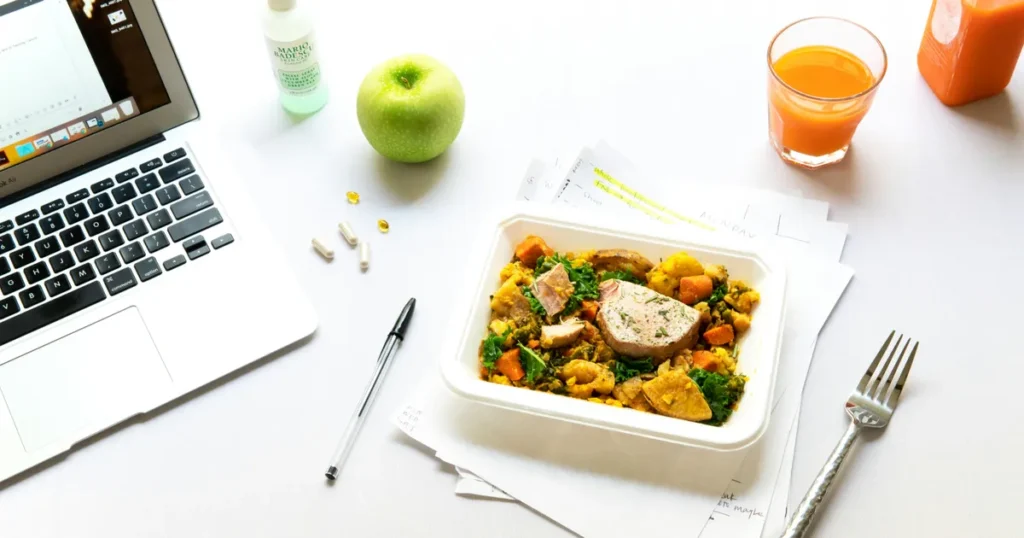
I remember a time, early in my work-from-home journey, when the convenience of my kitchen became a double-edged sword. Breakfast would roll into lunch, and before I knew it, I was grabbing whatever was easiest – often highly processed, nutrient-poor options that left me sluggish and unfocused. It took a conscious effort to realize that unlocking sustained energy and productivity meant a radical shift in my approach to healthy lunch recipes for work from home professionals. This isn’t just about avoiding the drive-thru; it’s about fueling your body and mind for peak performance, transforming your midday meal from a chore into a strategic advantage.
Embracing the Power of Batch Cooking
For any work-from-home professional, time is a precious commodity. Batch cooking isn’t merely a trend; it’s a fundamental strategy for consistent healthy eating. Dedicating a couple of hours on a Sunday or Monday morning to prepare components rather than full meals can dramatically change your week. Think about roasting a large tray of vegetables like broccoli, sweet potatoes, and bell peppers, cooking a batch of quinoa or brown rice, and grilling some chicken breasts or baking a tray of chickpeas. These versatile building blocks then become the foundation for diverse, nutritious lunches throughout the week, minimizing decision fatigue during busy workdays.
The beauty of this approach lies in its flexibility and waste reduction. Instead of cooking a single meal, you’re creating an arsenal of ingredients that can be mixed and matched. One day, your roasted veggies and quinoa might become a vibrant salad with a lemon-tahini dressing; the next, they could be warmed up with some black beans and salsa for a quick burrito bowl. This intelligent meal prep ensures that come 1 PM, a wholesome, satisfying meal is just minutes away, preventing the dreaded “what’s for lunch?” panic that often leads to less healthy, impulsive choices. It’s truly a game-changer for maintaining focus through the afternoon.
Smart Ingredient Choices for Longevity
When batch cooking, prioritize ingredients that hold up well in the refrigerator. Hearty greens like kale or spinach can be pre-washed and stored, ready for salads or sautéing. Grains like farro or lentils maintain their texture beautifully, as do root vegetables. Avoid overly delicate items that might wilt quickly. For proteins, consider hard-boiled eggs, pre-cooked lean ground turkey, or even canned tuna, which offer quick, no-cook options when you’re truly pressed for time. Planning for a variety of textures and flavors will keep your palate engaged and prevent meal boredom by the end of the week, making healthy eating in 2026 even more sustainable.
Plant-Powered Plates for Sustained Energy
Shifting towards more plant-based lunches can offer a remarkable boost in energy and overall well-being. Incorporating a variety of vegetables, legumes, and whole grains provides a rich spectrum of vitamins, minerals, and fiber, which are crucial for digestive health and stable blood sugar levels. A vibrant Buddha bowl, for instance, can be a feast for both the eyes and the body. Start with a base of mixed greens or quinoa, add a generous serving of roasted or steamed vegetables like asparagus and carrots, include a protein source like black beans or lentils, and finish with a sprinkle of nuts or seeds for healthy fats and crunch. This approach keeps you full and energized without the heavy feeling that often accompanies richer meals.
Don’t underestimate the versatility of plant-based ingredients. A simple chickpea salad sandwich, made with mashed chickpeas, celery, red onion, and a touch of vegan mayo or Greek yogurt, offers a protein-rich alternative to traditional deli meats. Lentil soup, prepped in a large batch, provides comforting warmth and sustained energy. The key is to think beyond just “salad” and explore the vast world of plant-centric cuisine. From hearty bean chili to vibrant veggie wraps, these meals are not only delicious but also incredibly efficient for work-from-home professionals looking to optimize their nutrition and maintain mental clarity throughout their workday.
Quick & Easy Protein-Packed Meals
Protein is the cornerstone of a satisfying and energizing lunch. It helps with satiety, muscle maintenance, and preventing the infamous afternoon slump. For work-from-home professionals, this means choosing protein sources that are both convenient and versatile. Think beyond just chicken breast; canned wild salmon or tuna, cottage cheese, Greek yogurt, and even edamame can be rapidly incorporated into delicious meals. A quick lunch could be as simple as a scoop of cottage cheese topped with fresh berries and a handful of almonds, or a bowl of Greek yogurt mixed with chia seeds and a drizzle of honey. These options require minimal preparation but deliver a powerful nutritional punch.
Another fantastic, protein-rich option involves leveraging leftovers creatively. If you had grilled salmon for dinner, flake it over a bed of spinach with some cherry tomatoes and a light vinaigrette for a gourmet lunch in minutes. Leftover steak can be sliced thinly and added to a whole-wheat wrap with some hummus and shredded vegetables. The goal is to make healthy eating effortless, ensuring you’re not tempted by less nutritious options out of sheer convenience. Prioritizing protein ensures your energy levels remain stable, allowing you to power through your tasks without feeling lethargic. For more ideas on balanced nutrition, the World Health Organization offers excellent general guidance.
The Art of the Elevated Desk Salad
The “desk salad” often gets a bad rap for being boring, but I firmly believe it’s an underappreciated canvas for culinary creativity and nutritional excellence. The secret to an elevated desk salad is layering and texture. Start with a robust base, not just iceberg lettuce. Think mixed greens, spinach, or even massaged kale. Then, add a variety of colorful vegetables: shredded carrots, cucumber, bell peppers, cherry tomatoes, and thinly sliced red onion. The more colors, the more nutrients you’re likely getting. This vibrant foundation is crucial for making your salad an exciting and appealing meal, rather than a mere obligation.
Next, introduce your protein and healthy fats. Grilled chicken, hard-boiled eggs, chickpeas, lentils, or a sprinkle of feta cheese are excellent protein choices. For healthy fats, consider avocado slices, walnuts, almonds, or pumpkin seeds, which add a satisfying crunch and essential fatty acids. A homemade dressing, perhaps a simple olive oil and vinegar mix with herbs, will always surpass store-bought options in terms of flavor and health. Pre-prepping these components and assembling just before eating ensures freshness and prevents sogginess. This approach transforms a humble salad into a powerhouse of nutrients, perfect for keeping you sharp and focused throughout your workday in 2026.
Mediterranean-Inspired Lunch Bowls
Drawing inspiration from the Mediterranean diet offers a wealth of healthy lunch recipes for work from home professionals, emphasizing fresh ingredients, healthy fats, and lean proteins. A classic Mediterranean lunch bowl might feature a base of fluffy couscous or quinoa, topped with crisp cucumber, juicy tomatoes, kalamata olives, and a sprinkle of crumbled feta cheese. Add a generous serving of grilled chicken, baked salmon, or even white beans for a protein boost. The flavors are bright, refreshing, and incredibly satisfying, providing sustained energy without feeling heavy.
The beauty of these bowls lies in their simplicity and the quality of their components. Drizzle with a homemade lemon-herb vinaigrette – a simple blend of extra virgin olive oil, fresh lemon juice, oregano, and a pinch of salt and pepper. This type of meal is easy to assemble using pre-prepped ingredients, making it ideal for busy weekdays. It’s a testament to how whole, unprocessed foods can create deeply flavorful and nourishing meals that support both physical health and mental clarity. Embracing Mediterranean-inspired lunches is a delicious way to ensure your midday meal is both enjoyable and incredibly beneficial for your productivity.
Key Takeaways
- Prioritize Meal Prep: Dedicate time to batch cook versatile ingredients like grains, roasted vegetables, and lean proteins. This strategy saves time during the week, reduces decision fatigue, and ensures healthy options are always readily available, preventing impulsive, less nutritious choices.
- Embrace Plant-Based Power: Incorporate a wide array of vegetables, legumes, and whole grains into your lunches. These provide essential fiber, vitamins, and minerals, leading to stable energy levels, improved digestion, and a lighter, more focused feeling throughout your afternoon.
- Focus on Protein for Satiety: Ensure each lunch includes a substantial source of protein, whether from lean meats, fish, dairy, or plant-based options like chickpeas and lentils. Protein is crucial for satiety, muscle maintenance, and preventing energy crashes, keeping you productive.
- Get Creative with Your Combinations: Don’t let healthy eating become boring. Mix and match pre-prepped components, explore different culinary inspirations like Mediterranean bowls, and actively seek out new flavor profiles to keep your lunch exciting and something to look forward to each day.
Frequently Asked Questions
How can I make my healthy lunches taste better?
Flavor comes from fresh ingredients and smart seasoning. Use fresh herbs, citrus juices, good quality olive oil, and a variety of spices. Don’t shy away from healthy fats like avocado or nuts for richness, and consider making your own dressings and sauces, which are often fresher and more flavorful than store-bought options.
What if I don’t have much time for meal prep?
Start small. Even preparing one component, like a batch of quinoa or chopping vegetables for a few days, can make a difference. Utilize convenience items like pre-washed greens, canned beans, or frozen vegetables. Focus on assembly-style meals where pre-cooked ingredients are simply combined, rather than complex cooking.
How do I prevent my pre-made lunches from getting soggy?
The key is to keep wet and dry ingredients separate until just before eating. Pack dressings in small containers, and layer salads with hearty greens at the bottom, followed by vegetables, proteins, and then toppings. For grains or pasta salads, avoid adding dressing until you’re ready to eat, or add it lightly if preparing for a day or two ahead.
Are there budget-friendly healthy lunch options for WFH?
Absolutely. Focus on affordable staples like legumes (beans, lentils, chickpeas), whole grains (rice, oats), and seasonal vegetables. Buying in bulk, cooking from scratch, and utilizing less expensive protein sources like eggs, canned fish, or chicken thighs can significantly reduce costs while maintaining high nutritional value.
Conclusion
Adopting healthy lunch recipes for work from home professionals isn’t just about nutrition; it’s about optimizing your entire workday. By making conscious choices and investing a little time in preparation, you can transform your midday meal into a powerful tool for sustained energy, improved focus, and overall well-being. Ditch the convenience trap and embrace the incredible benefits of fueling your body with intention. Your productivity, mood, and long-term health will undoubtedly thank you for it, allowing you to thrive in your remote environment.