


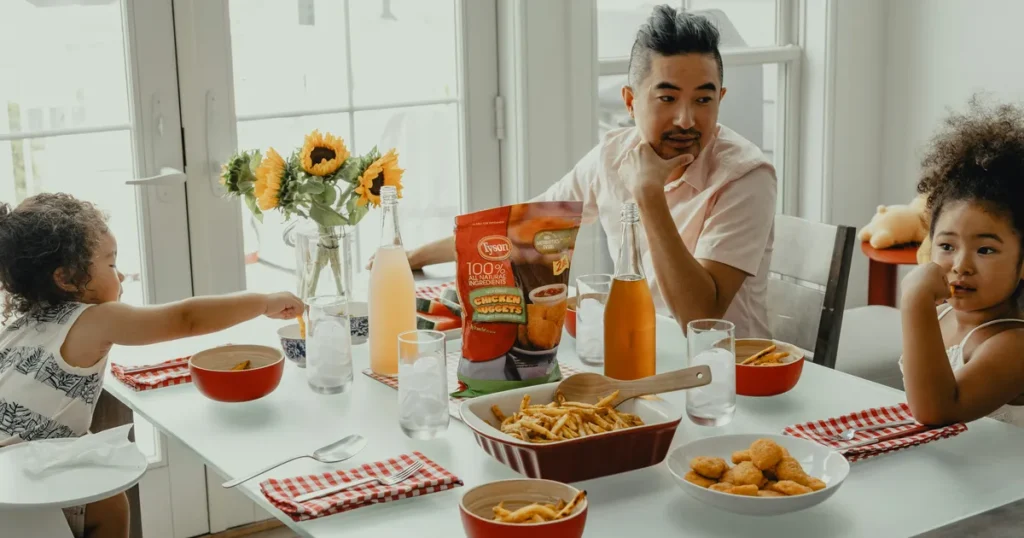
As a parent and a lifelong food enthusiast, I’ve personally navigated the daily dilemma of feeding a family. One morning, while staring blankly into a half-empty fridge, I realized the true challenge wasn’t cooking elaborate meals, but consistently delivering simple lunch ideas for family daily routine that were both nutritious and exciting. It’s a universal struggle, often overlooked amidst the chaos of school runs and work deadlines. Yet, lunch is a critical midday refuel, impacting everything from energy levels to focus. My journey has taught me that with a bit of strategy and a sprinkle of creativity, you can banish the lunchbox blues and transform midday meals into something genuinely anticipated by everyone at the table.
The Power of Prep: Your Weekend Lunch Warrior
Diving headfirst into the world of meal preparation can seem daunting, but it’s arguably the most impactful strategy for simplifying your family’s daily lunch routine. Dedicating a couple of hours on a Sunday to batch-cook versatile ingredients can dramatically reduce weekday stress. Imagine having pre-cooked quinoa, roasted chicken, or a big pot of lentil soup ready to assemble into various meals. This proactive approach ensures you always have a healthy base to work from, making frantic last-minute decisions a thing of the past and paving the way for more balanced meals.
Effective meal prepping isn’t about cooking every single component for every lunch. Instead, focus on staple ingredients that can be mixed and matched. Think about washing and chopping a large batch of vegetables like carrots, bell peppers, and cucumbers. Prepare a big bowl of salad greens, ready to be portioned. Hard-boiled eggs, cooked ahead of time, are a fantastic protein boost. For more detailed guidance on safe food storage and meal prep techniques, authoritative resources like fda.gov/food/safe-food-handling offer invaluable tips to keep your prepped meals fresh and safe.
No-Cook Wonders: Rapid & Refreshing Meals
Sometimes, the greatest simplicity comes from avoiding the stove altogether. No-cook lunch ideas are an absolute lifesaver on those mornings when time is truly of the essence, or when you simply crave something light and fresh. Think beyond the basic sandwich; consider vibrant salad jars, layered with dressing at the bottom, followed by sturdy vegetables, grains, and greens on top. These can be assembled in minutes and packed with a delightful variety of textures and flavors, ensuring a satisfying and quick meal without any heat.
Embracing the no-cook philosophy means leveraging high-quality, ready-to-eat ingredients. This could include pre-cooked rotisserie chicken, canned tuna or salmon, pre-washed spinach, and a medley of fresh fruits. A simple charcuterie-style plate with cheese, whole-grain crackers, sliced apples, and a handful of nuts offers a balanced and appealing option that requires zero cooking. These meals are perfect for packing for school or work, providing a refreshing break from heavier, cooked dishes.
The Hummus Haven: A Dip of Delights
Hummus stands out as a true superstar in the realm of simple, no-cook lunches. This creamy, protein-packed dip, made from chickpeas, tahini, lemon juice, and olive oil, offers incredible versatility. It can be the star of a wrap with some crisp veggies, a spread for whole-wheat toast, or a delightful dip for carrot sticks, cucumber slices, and pita bread. Its nutritional profile, rich in fiber and plant-based protein, makes it an excellent choice for sustained energy throughout the afternoon, keeping everyone full and focused until dinner.
Leftovers, Level Up! Creative Culinary Recycling
The concept of “leftovers” often conjures images of uninspired, reheated meals, but with a little creativity, dinner’s remnants can be transformed into exciting, brand-new lunches. This approach is not only incredibly time-efficient but also fantastic for reducing food waste. Instead of simply re-plating last night’s meal, think about how components can be repurposed. A classic example is turning leftover roasted chicken into a vibrant chicken salad sandwich or a topping for a green salad.
Consider taking that extra step to reimagine ingredients. Leftover chili can become the base for loaded nachos or a hearty chili-cheese baked potato. Roasted vegetables can be tossed with pasta for a quick veggie pasta salad or blended into a creamy soup. Even a simple side of rice from dinner can be quickly fried with an egg and some frozen vegetables for a homemade, healthier fried rice, a strategy many families will appreciate by 2026. This mindful approach to leftovers ensures variety and prevents mealtime boredom.
Kid-Approved & Customizable: Everyone’s Happy
One of the biggest hurdles in planning simple lunch ideas for family daily routine is accommodating diverse palates, especially when kids are involved. The secret lies in offering customizable options and involving children in the decision-making process. A “build-your-own” concept, whether it’s tacos, mini pizzas on pita bread, or a bento box with various compartments, empowers kids to choose their ingredients, making them more likely to eat what’s offered. This participation fosters a sense of ownership over their meals.
Focus on creating a balanced plate that appeals to their senses. Colorful fruits and vegetables, fun shapes cut from sandwiches, and small, manageable portions can make lunch more inviting. Resources like healthychildren.org/nutrition provide excellent advice on nurturing healthy eating habits in children, emphasizing the importance of variety and positive mealtime experiences. By providing options like mini skewers with cheese and grapes or whole-grain crackers with various spreads, you can ensure everyone finds something they love, making lunch a happy occasion.
Beyond the Sandwich: Fueling Your Family Smartly
While sandwiches are a classic for a reason, relying on them daily can lead to a nutritional rut and meal fatigue. Expanding your repertoire beyond the bread-and-filling staple is crucial for providing a wider range of nutrients and keeping lunch exciting. Think about incorporating more whole grains, diverse protein sources, and an abundance of fruits and vegetables into your midday meals. This diversification ensures your family receives a broad spectrum of vitamins, minerals, and fiber essential for sustained energy and overall health.
Explore options like hearty grain bowls featuring farro or brown rice topped with roasted veggies, beans, and a light vinaigrette. Consider cottage cheese or Greek yogurt parfaits layered with berries and granola for a protein-rich alternative. Soups and stews, especially those packed with vegetables and legumes, are wonderfully nourishing and can be easily made in advance. By embracing these varied and nutrient-dense choices, you’re not just filling stomachs; you’re actively contributing to your family’s long-term well-being, a commitment that will pay dividends well into 2026 and beyond.
Key Takeaways
- Embrace Meal Prep: Dedicate time on weekends to batch-cook staples and chop vegetables, significantly reducing weekday lunch stress and decision fatigue.
- Diversify Beyond Sandwiches: Explore no-cook options like salads, wraps, and snack plates, alongside creative leftover transformations, to keep meals exciting and nutritionally varied.
- Involve the Family: Empower children with choices and “build-your-own” concepts to increase their engagement and willingness to eat healthy, customizable lunches.
- Prioritize Nutrition: Focus on whole grains, lean proteins, and abundant fruits/vegetables to provide sustained energy and a broad spectrum of essential nutrients for everyone.
Frequently Asked Questions
How can I make lunches appealing for picky eaters?
Involve them in meal planning and preparation, offer choices within a healthy framework, use fun cookie cutters for sandwiches, and present food in bento-style boxes with small, separate compartments. Don’t force them to eat; instead, consistently offer healthy options and be a good role model yourself.
What are the best ways to pack lunches for food safety?
Always use insulated lunch bags with ice packs to keep perishable foods cold. Ensure all containers are clean and airtight. Pack hot foods in a thermos that has been preheated with boiling water. Teach children to wash their hands before eating and to discard uneaten perishable items.
How can I make healthy lunches budget-friendly?
Prioritize cooking from scratch using seasonal ingredients, buy in bulk when appropriate for staples like grains and legumes, and strategically use leftovers. Avoid single-serving packaged snacks, which are often more expensive and less nutritious than homemade alternatives.
What are some good vegetarian or plant-based lunch options?
Hummus and veggie wraps, lentil soup, bean burritos, pasta salad with roasted vegetables, chickpea salad sandwiches, and quinoa bowls with black beans and avocado are all excellent, protein-rich plant-based choices that are both simple and satisfying.
Conclusion
Crafting simple, delicious, and nutritious lunch ideas for your family daily routine doesn’t have to be a source of stress. By adopting strategies like smart meal prep, embracing no-cook solutions, creatively repurposing leftovers, and involving your family in the process, you can transform midday meals into a highlight of the day. Remember, consistency and a little bit of planning go a long way in ensuring everyone is well-fueled, happy, and ready to tackle the rest of their day with energy and focus. Enjoy the journey of discovering new family favorites!