



🍳 In This Article
- The Rich History and Cultural Roots of This Dish
- Why This Recipe Works: The Food Science Behind It
- Complete Ingredient Breakdown
- Step-by-Step Instructions
- Expert Tips from Years of Kitchen Experience
- Nutritional Benefits and Health Insights
- Creative Variations and Dietary Adaptations
- Frequently Asked Questions
- Final Thoughts
There’s a certain magic that happens when food transforms from raw ingredients into something truly spectacular with minimal hands-on effort. For me, few dishes capture this enchantment quite like slow cooker pulled pork. It’s more than just a meal; it’s an experience. The moment you walk into your kitchen after hours of low, gentle cooking, greeted by the rich, smoky-sweet aroma that permeates every corner of your home, is pure culinary bliss. It speaks of cozy evenings, effortless entertaining, and the promise of a fork-tender feast. I remember the first time I truly nailed a slow cooker pulled pork – the meat practically dissolved at the touch of a fork, shimmering with its own juices and coated in a deeply flavored barbecue sauce. It wasn’t just dinner; it was a revelation, a testament to the power of time and patience in the kitchen.
The Rich History and Cultural Roots of This Dish
The story of pulled pork is deeply intertwined with the history of barbecue itself, a culinary tradition that traces its roots back to the Taino people of the Caribbean, who cooked meat slowly over an indirect fire on a *barbacoa*. This method was adopted by Spanish explorers and eventually made its way to the American South, where it evolved into the iconic barbecue we know and love today. Pork, being a readily available and economical meat, became the star of Southern barbecue, particularly in regions like the Carolinas and Memphis.
Originally, whole hogs or large cuts of pork shoulder were cooked for many hours over wood coals in pits, a labor-intensive process that yielded incredibly tender, smoky meat. This slow-cooking method was essential for breaking down the tough connective tissues in cuts like the pork shoulder, transforming them into succulent, shreddable deliciousness. As communities gathered for feasts and celebrations, the pitmaster would “pull” the meat apart by hand, hence the name “pulled pork.”
Over centuries, regional variations of barbecue sauce and cooking techniques emerged. Carolina barbecue, for instance, is famous for its vinegar-based sauces (especially in Eastern NC) or mustard-based sauces (South Carolina), while Kansas City is known for its sweet, thick, tomato-based sauces. Memphis often features a dry rub and a tomato-vinegar sauce. The slow cooker, a relatively modern invention, democratized this time-honored tradition, allowing home cooks to achieve similar fall-apart tender results without needing a backyard pit, bringing the soulful flavors of Southern barbecue into everyday kitchens across the globe.

📷 Photo by tom davis on Pexels — Free to use under the Pexels License
Why This Recipe Works: The Food Science Behind It
The magic of slow cooker pulled pork lies squarely in a fascinating interplay of food science. We start with a pork shoulder, often called a Boston butt or pork butt, which is an ideal cut for this application because it’s rich in both intramuscular fat and, crucially, connective tissue, primarily collagen. Collagen is a tough protein that makes raw meat chewy. However, when subjected to low, consistent heat for an extended period – typically above 160°F (71°C) but below 200°F (93°C) – this collagen slowly breaks down.
This breakdown process is called denaturation and hydrolysis. The collagen strands unravel and then dissolve into gelatin, a much softer, jelly-like substance. This gelatin then melts into the muscle fibers, lubricating them and giving the pork its characteristic moist, tender, and “fall-apart” texture. The intramuscular fat also renders slowly, basting the meat from within and contributing immense flavor and juiciness. Without this slow transformation, the pork shoulder would remain tough and unappetizing.
Furthermore, searing the pork shoulder before slow cooking isn’t just for show; it’s a critical step for flavor development. This high-heat exposure triggers the Maillard reaction, a complex chemical process between amino acids and reducing sugars that creates hundreds of new flavor compounds. These compounds are responsible for the rich, savory, slightly browned crust and the deep umami notes that form the foundation of our pulled pork’s flavor profile. The barbecue sauce, a blend of acids (vinegar), sugars, and spices, also plays a role. The acids further assist in tenderizing the meat and balancing the richness, while the sugars caramelize slightly during cooking, adding depth and a sticky glaze.
Complete Ingredient Breakdown
Crafting the perfect slow cooker pulled pork sandwich starts with understanding each ingredient’s role. Here’s what you’ll need and why:
• For the Pork:
According to USDA FoodData Central, nutritional data and food composition plays an important role in understanding food preparation and nutrition.
• Pork Shoulder (Boston Butt), 3-4 lbs (1.3-1.8 kg): This is the star. Its high fat content and abundant connective tissue (collagen) are essential for achieving that melt-in-your-mouth tenderness when slow-cooked. A leaner cut would result in dry, tough pork.
• Olive Oil, 1 tbsp: Used for searing the pork. It has a higher smoke point than butter, allowing for a good Maillard reaction without burning.
• Yellow Onion, 1 large, roughly chopped: Provides a foundational aromatic sweetness and savory depth as it slowly cooks down, contributing to the overall complexity of the sauce.
• Garlic, 4-5 cloves, minced: An essential aromatic that adds pungent, savory notes, enhancing the umami of the dish.
• Chicken Broth or Water, 1/2 cup (120ml): Adds a small amount of liquid to the slow cooker to prevent scorching and help create steam, which aids in tenderizing the meat. Broth adds more flavor.
• For the Dry Rub:
• Smoked Paprika, 1 tbsp: Provides a beautiful reddish hue and a crucial smoky flavor that complements the barbecue profile.
• Brown Sugar, 1 tbsp: Adds a touch of sweetness that balances the savory and spicy notes, and aids in caramelization during searing.
• Salt, 1 tsp: Essential for seasoning the meat, drawing out moisture initially, and enhancing all other flavors through osmosis.
• Black Pepper, 1 tsp: Adds a pungent, aromatic warmth.
• Garlic Powder, 1 tsp: Concentrated garlic flavor that adheres well to the meat.
• Onion Powder, 1 tsp: Adds another layer of savory onion flavor.
• Chili Powder, 1 tsp: Offers a mild, earthy warmth and a subtle kick. For a spicier version, increase this or add a pinch of cayenne.
• For the Barbecue Sauce (Homemade or your favorite store-bought):
• Ketchup, 1 cup (240ml): Forms the sweet, tangy base of most classic American barbecue sauces.
• Apple Cider Vinegar, 1/4 cup (60ml): Provides essential acidity to cut through the richness of the pork, brighten flavors, and contribute to tenderization.
• Brown Sugar, 2 tbsp: Adds more sweetness and molasses notes, balancing the vinegar.
• Worcestershire Sauce, 1 tbsp: Deepens the umami and adds a complex savory tang.
• Dijon Mustard, 1 tbsp: Adds a zesty, pungent kick and acts as an emulsifier, helping the sauce come together smoothly.
• Liquid Smoke, 1/2 tsp (optional): If you don’t have a smoker, this offers a concentrated smoky aroma. I love adding this for that authentic pit-smoked feel.
• Hot Sauce, 1 tsp (or to taste): For a subtle warmth or a fiery kick, depending on your preference.
• For Serving:
• Brioche Buns or Potato Rolls, 6-8: Soft, slightly sweet buns provide the perfect textural contrast to the tender pork.
• Coleslaw (optional): A crisp, tangy coleslaw offers a refreshing crunch and a cool counterpoint to the rich, warm pork.
• Dill Pickle Slices (optional): Their sharp acidity and crunch provide an excellent palate cleanser.
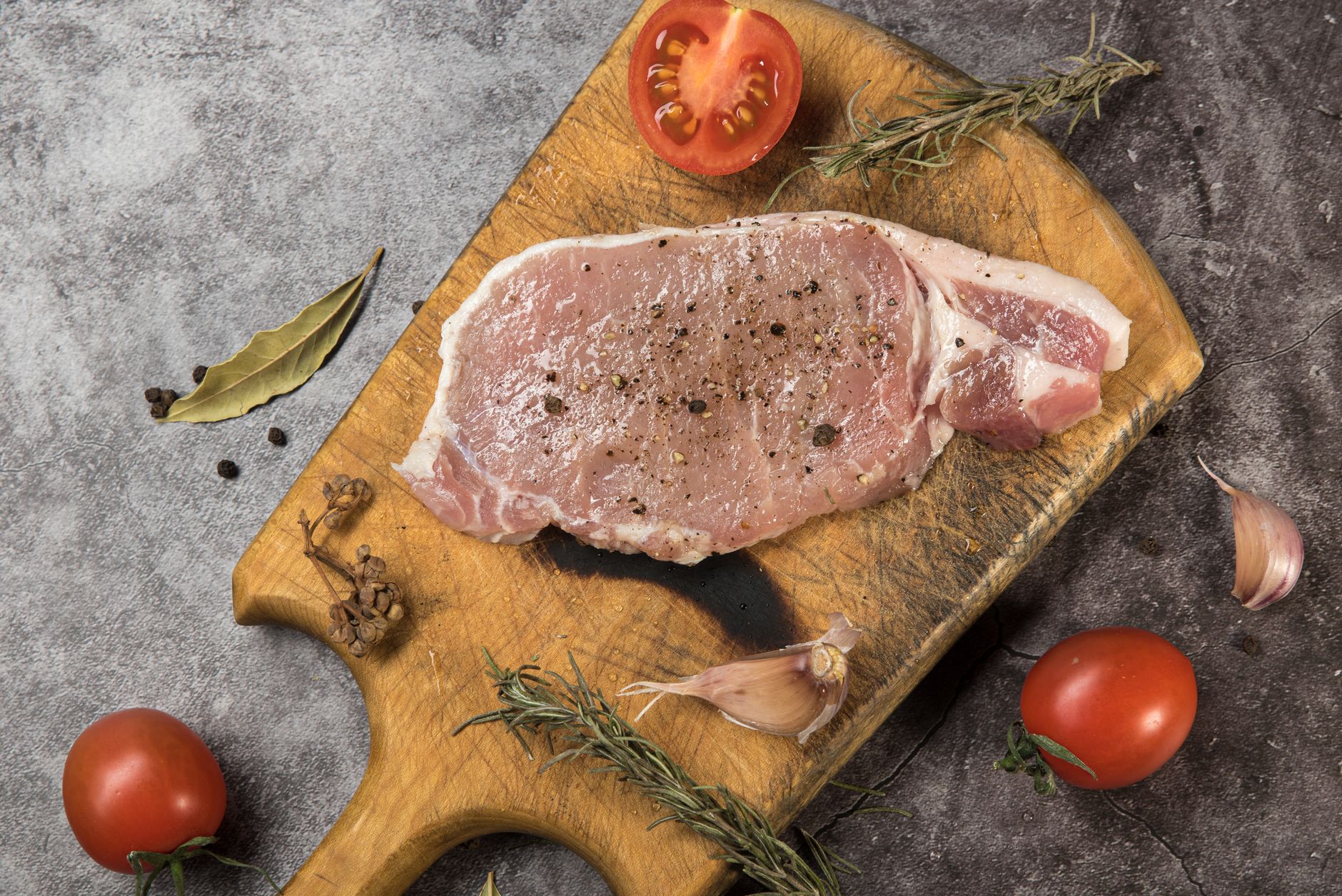
📷 Photo by Evgeniy Alekseyev on Pexels — Free to use under the Pexels License
Step-by-Step Instructions
Before diving into the cooking, remember the importance of *mise en place* – having all your ingredients prepped and measured. This ensures a smooth, enjoyable cooking process and allows you to focus on the techniques that build incredible flavor.
- Prep and Season the Pork: Pat the pork shoulder dry thoroughly with paper towels. This is crucial for achieving a good sear. In a small bowl, combine all the dry rub ingredients (smoked paprika, brown sugar, salt, black pepper, garlic powder, onion powder, chili powder). Rub this mixture generously all over the pork shoulder, pressing it firmly into the meat to ensure it adheres well.
- Sear for Flavor: Heat the olive oil in a large, heavy-bottomed skillet or Dutch oven over medium-high heat until shimmering. Carefully place the seasoned pork shoulder into the hot pan. Sear for 4-5 minutes per side, turning with tongs, until a deep golden-brown crust forms. This browning is the Maillard reaction at work, developing complex savory flavors that will permeate the entire dish. Remove the pork and set aside.
- Build the Aromatics and Sauce: Reduce the heat to medium. Add the chopped yellow onion to the same skillet and sauté for 5-7 minutes until softened and translucent, scraping up any browned bits from the bottom of the pan – these are packed with flavor! Add the minced garlic and cook for another minute until fragrant. Deglaze the pan with the chicken broth or water, scraping vigorously to release any remaining fond (the browned bits) from the bottom. Pour this mixture into your slow cooker.
- Combine and Cook: Place the seared pork shoulder into the slow cooker on top of the onions and broth. In a separate bowl, whisk together all the barbecue sauce ingredients (ketchup, apple cider vinegar, brown sugar, Worcestershire sauce, Dijon mustard, liquid smoke, hot sauce). Pour this sauce evenly over the pork. Cover the slow cooker with its lid. Cook on LOW for 8-10 hours, or on HIGH for 4-6 hours, until the pork is incredibly tender and can be easily shredded with a fork. One trick I discovered after years of cooking is to avoid lifting the lid during this process, as each peek releases valuable heat and moisture, extending the cooking time.
- Shred the Pork: Once cooked, carefully remove the pork shoulder from the slow cooker and place it in a large bowl. The meat should be so tender that it practically falls apart. Using two forks, shred the pork into desired pieces, discarding any large pieces of fat or gristle that haven’t rendered down. The ease with which it shreds is your indicator of perfect doneness, signifying that the collagen has fully converted to gelatin.
- Finish and Serve: Skim any excess fat from the surface of the sauce remaining in the slow cooker, if desired. Return the shredded pork to the slow cooker, stirring it into the barbecue sauce to coat thoroughly. Allow it to sit on the “warm” setting for 15-20 minutes, allowing the flavors to meld beautifully. Serve the warm pulled pork generously piled onto toasted brioche or potato rolls. For the ultimate sandwich experience, I love adding a spoonful of crisp coleslaw and a few tangy dill pickle slices on top.
Expert Tips from Years of Kitchen Experience
Turning a good pulled pork into an outstanding one often comes down to a few key insights gleaned from countless hours in the kitchen. It’s these subtle adjustments and understandings that elevate a dish from merely satisfying to truly memorable.
• Temperature Control: The “low and slow” mantra isn’t just a catchy phrase; it’s the scientific principle behind tender pulled pork. Cooking at a lower temperature for a longer period allows the collagen in the pork shoulder to gradually break down into gelatin without drying out the meat. If the temperature is too high, the muscle fibers contract too quickly, squeezing out moisture before the collagen has a chance to fully convert, resulting in dry, tough pork. Resist the urge to frequently lift the slow cooker lid, as this drops the internal temperature significantly, prolonging cooking time and potentially affecting the final texture.
According to Mayo Clinic, nutrition science and health plays an important role in understanding food preparation and nutrition.
• Ingredient Quality: While pulled pork is a humble dish, the quality of your ingredients makes a noticeable difference. A well-marbled pork shoulder will yield juicier, more flavorful results than a very lean one. Fresh, aromatic spices for your dry rub will provide a more vibrant flavor profile than old, stale ones. And while a good store-bought barbecue sauce can work in a pinch, taking the time to whisk together a homemade version allows you to control the balance of sweet, tangy, and smoky notes, truly personalizing your dish.
• Timing and Patience: Pulled pork isn’t a dish to rush. The specified cooking times are guidelines; the true indicator of doneness is the meat’s texture. It’s ready when it literally falls apart with minimal effort from two forks. If it still offers resistance, it needs more time. Rushing the process, either by cranking up the heat or cutting the cooking short, will prevent the collagen from fully breaking down, leaving you with chewy, unsatisfying meat rather than the desired silky tenderness. Trust the process, and let time work its magic.
• Seasoning Balance: Achieving the perfect balance in your barbecue sauce is paramount. You want a harmonious blend of sweetness (from brown sugar, ketchup), acidity (from apple cider vinegar, mustard), savory depth (Worcestershire, garlic/onion), and a touch of heat (chili powder, hot sauce). Always taste your sauce before pouring it over the pork and adjust as needed. I love adding a splash of fresh lime juice or a tiny bit more vinegar right at the end of the cooking process for a bright, tangy finish that cuts through the richness beautifully. This small addition can awaken all the other flavors.
Nutritional Benefits and Health Insights
Pulled pork, when prepared thoughtfully, can be a surprisingly nutritious component of a balanced diet. Pork shoulder itself is an excellent source of high-quality protein, which is essential for muscle repair, growth, and overall bodily function. A 3-ounce (approx. 85g) serving of cooked pork shoulder typically provides around 25-30 grams of protein, making it a significant contributor to your daily protein needs.
Beyond protein, pork is packed with an array of vital vitamins and minerals. It’s particularly rich in B vitamins, including Thiamine (B1), Riboflavin (B2), Niacin (B3), Pyridoxine (B6), and Cobalamin (B12). These B vitamins are crucial for energy metabolism, nerve function, and red blood cell formation. Pork also provides substantial amounts of selenium, an antioxidant that supports immune health, and zinc, which is vital for immune function and wound healing. While pork shoulder does contain fat, much of it renders out during the slow cooking process, and the remaining intramuscular fat contributes to the meat’s juiciness. To make it healthier, you can trim off visible excess fat before cooking and skim rendered fat from the sauce after shredding.
To enhance the overall nutritional profile of your pulled pork sandwich, consider serving it on a whole-grain bun to increase fiber intake, which aids digestion and can help regulate blood sugar. Piling on a generous serving of homemade coleslaw made with a vinegar-based dressing (instead of creamy mayo-heavy ones) adds a fantastic crunch, fiber, and vitamins like Vitamin C from the cabbage, along with beneficial probiotics if using fermented cabbage. For those watching sodium or sugar intake, opting for a homemade barbecue sauce allows for precise control over these ingredients, using natural sweeteners like a touch of honey or reducing the overall sugar content.
Creative Variations and Dietary Adaptations
The beauty of pulled pork lies in its versatility. Once you’ve mastered the basic technique, the possibilities for creative variations and dietary adaptations are endless.
• Spicy Chipotle Pulled Pork: For those who crave heat, incorporate 1-2 minced chipotle peppers in adobo sauce into your barbecue sauce. The chipotles add a smoky, earthy heat that pairs wonderfully with pork. You can also add a teaspoon of cayenne pepper to the dry rub for an extra kick.
• Carolina-Style Tangy Pork: If you prefer a less sweet, more acidic profile, lean into a Carolina barbecue style. Reduce the brown sugar in the sauce by half and increase the apple cider vinegar by an additional 1/4 cup (60ml). You might also add a teaspoon of mustard powder to the dry rub for an extra layer of tang. This version is fantastic with a simple vinegar-based coleslaw.
• Smoky Tex-Mex Twist: Instead of traditional barbecue sauce, consider a sauce made with fire-roasted tomatoes, green chilies, cumin, oregano, and a squeeze of lime juice. Serve the shredded pork in warm tortillas with a sprinkle of cojita cheese, pickled red onions, and fresh cilantro for a delicious taco night.
• Vegan “Pulled Pork”: For a plant-based alternative, use young green jackfruit (canned in brine, rinsed and drained) or king oyster mushrooms. Shred the jackfruit/mushrooms and cook them in the slow cooker with a similar spice rub and barbecue sauce. The texture mimics shredded meat surprisingly well, and it absorbs the flavors beautifully. This is a fantastic way to enjoy the essence of the dish without meat.
• Meal-Prep Friendly Bowls: This recipe is perfect for meal prepping. After shredding the pork and mixing it with the sauce, portion it into individual containers. Serve with a side of brown rice or quinoa and a generous helping of steamed or roasted vegetables (like broccoli or sweet potato) for a balanced, ready-to-eat meal throughout the week. It freezes wonderfully for longer storage too.
• Gluten-Free Adaptation: Ensure your barbecue sauce is certified gluten-free (many commercial brands are, but always check labels). Serve on gluten-free buns or as a topping for baked potatoes, rice bowls, or even lettuce wraps.
Frequently Asked Questions
Why is my pulled pork dry and tough even after slow cooking for hours?
This is a common issue, and it usually boils down to one of two things: either the pork wasn’t cooked long enough, or it was cooked at too high a temperature. The connective tissue (collagen) in pork shoulder needs ample time and low heat to break down into gelatin. If it’s still tough, it simply hasn’t reached that point yet. Continue cooking on low until it shreds effortlessly. Conversely, if the heat is too high, the muscle fibers can seize up and expel moisture before the collagen has a chance to convert, leading to a dry texture. Ensure your slow cooker is functioning correctly and maintaining a consistent low temperature.
Can I make this pulled pork ahead of time and how should I store it?
Absolutely! Pulled pork is a fantastic make-ahead meal, and often tastes even better the next day as the flavors have more time to meld. Once cooked and shredded, mix it thoroughly with the sauce. Store it in an airtight container in the refrigerator for up to 3-4 days. For longer storage, it freezes exceptionally well. Portion the cooled pulled pork into freezer-safe bags or containers, ensuring there’s enough sauce to keep it moist. It can be frozen for up to 3 months. Thaw overnight in the refrigerator and reheat gently on the stovetop over low heat, or in the microwave, adding a splash of broth or water if it seems dry.
How can I adapt this recipe for specific dietary needs, such as gluten-free or lower sodium?
For a gluten-free version, the main concern is typically the barbecue sauce, as some commercial brands may contain gluten-derived ingredients (like malt vinegar or thickeners). Always check the label or make your own sauce from scratch using gluten-free ingredients. Serve the pulled pork on gluten-free buns, over rice, baked potatoes, or in lettuce wraps. For a lower-sodium option, choose a low-sodium chicken broth and opt for a homemade barbecue sauce where you can control the salt content. Reduce the added salt in the dry rub and taste as you go. You can also rinse canned ingredients like ketchup if using, though making from scratch is best.
My barbecue sauce seems too thin/thick after cooking. How can I fix it?
If your sauce is too thin, it often means there was too much liquid or not enough reduction. To thicken it, you can remove the lid for the last hour of cooking to allow some moisture to evaporate. Alternatively, after shredding the pork, remove a cup of the sauce, mix in 1-2 tablespoons of cornstarch (or arrowroot powder) to create a slurry, then stir it back into the slow cooker. Cook on high for another 15-30 minutes, stirring occasionally, until thickened. If your sauce is too thick, simply thin it out with a splash of chicken broth, apple cider vinegar, or even a little water until it reaches your desired consistency.
Final Thoughts
Making slow cooker pulled pork is more than just following a recipe; it’s an act of culinary patience and a celebration of comfort. There’s an immense satisfaction in taking a humble cut of meat and transforming it into something so profoundly tender and flavorful, all while your kitchen fills with an aroma that promises warmth and good times. This dish embodies the essence of home cooking – hearty, comforting, and designed to be shared.
Don’t be afraid to experiment with the spice rub or the barbecue sauce. Add a secret ingredient, adjust the heat, or play with different regional flavor profiles. This recipe is a fantastic canvas for your own culinary creativity. Whether you’re feeding a crowd, preparing for a busy week, or simply craving that deep, smoky, sweet-and-tangy goodness, this slow cooker pulled pork will become a cherished staple in your cooking repertoire. So, set it and forget it, and prepare to be rewarded with a meal that nourishes both body and soul. Happy cooking!