



?? In This Article
- The Rich History and Cultural Roots of Breakfast Hash
- Why This Recipe Works: The Food Science Behind It
- Complete Ingredient Breakdown
- Step-by-Step Instructions
- Expert Tips from Years of Kitchen Experience
- Nutritional Benefits and Health Insights
- Creative Variations and Dietary Adaptations
- Frequently Asked Questions
- Final Thoughts
There’s something magical about the sizzle of potatoes hitting a hot skillet first thing in the morning. The aroma of caramelizing onions, the crackle of crisping edges—it’s a sensory wake-up call that no bowl of cereal can match. I first fell in love with breakfast hash during a chilly autumn trip to Vermont, where a roadside diner served a version so good it ruined me for all other breakfasts. The secret? A perfect balance of crispy and tender, with eggs that oozed golden yolks over a bed of spiced, smoky potatoes. Now, years later, I’ve refined the technique to make it fast enough for weekday mornings without sacrificing that diner-quality crunch. Here’s how to nail it every time—and why your body will thank you for it.
The Rich History and Cultural Roots of Breakfast Hash
Breakfast hash isn’t just a modern convenience—it’s a dish with deep roots in resourcefulness and thrift. The word “hash” comes from the French hacher, meaning “to chop,” and its origins trace back to 18th-century Europe, where cooks repurposed leftover meats and vegetables into hearty morning meals. In America, hash became a staple during the Great Depression, when families stretched small amounts of protein with potatoes and onions. The version we know today—crispy, pan-fried, and topped with eggs—evolved in New England diners, where short-order cooks perfected the art of the “corned beef hash” in cast-iron skillets.
Regional variations abound. In the American South, hash often includes bell peppers and Cajun spices, while in the Southwest, it might feature chorizo and jalapeños. In the UK, “hash” traditionally refers to a boiled and mashed mixture (like “corned beef hash”), but the fried, crispy version has gained popularity thanks to brunch culture. What unites these iterations is their adaptability—hash is the ultimate “clean-out-the-fridge” dish, a canvas for whatever you have on hand. This flexibility is why it’s endured for centuries: it’s nourishing, economical, and endlessly customizable.
One fascinating historical tidbit? Hash was once considered a working-class meal, but it gained gourmet status in the 1980s when chefs like Alice Waters began elevating it with fresh herbs and artisanal ingredients. Today, it’s a brunch menu darling, but its humble origins remind us that great food doesn’t need to be complicated—just well-executed.
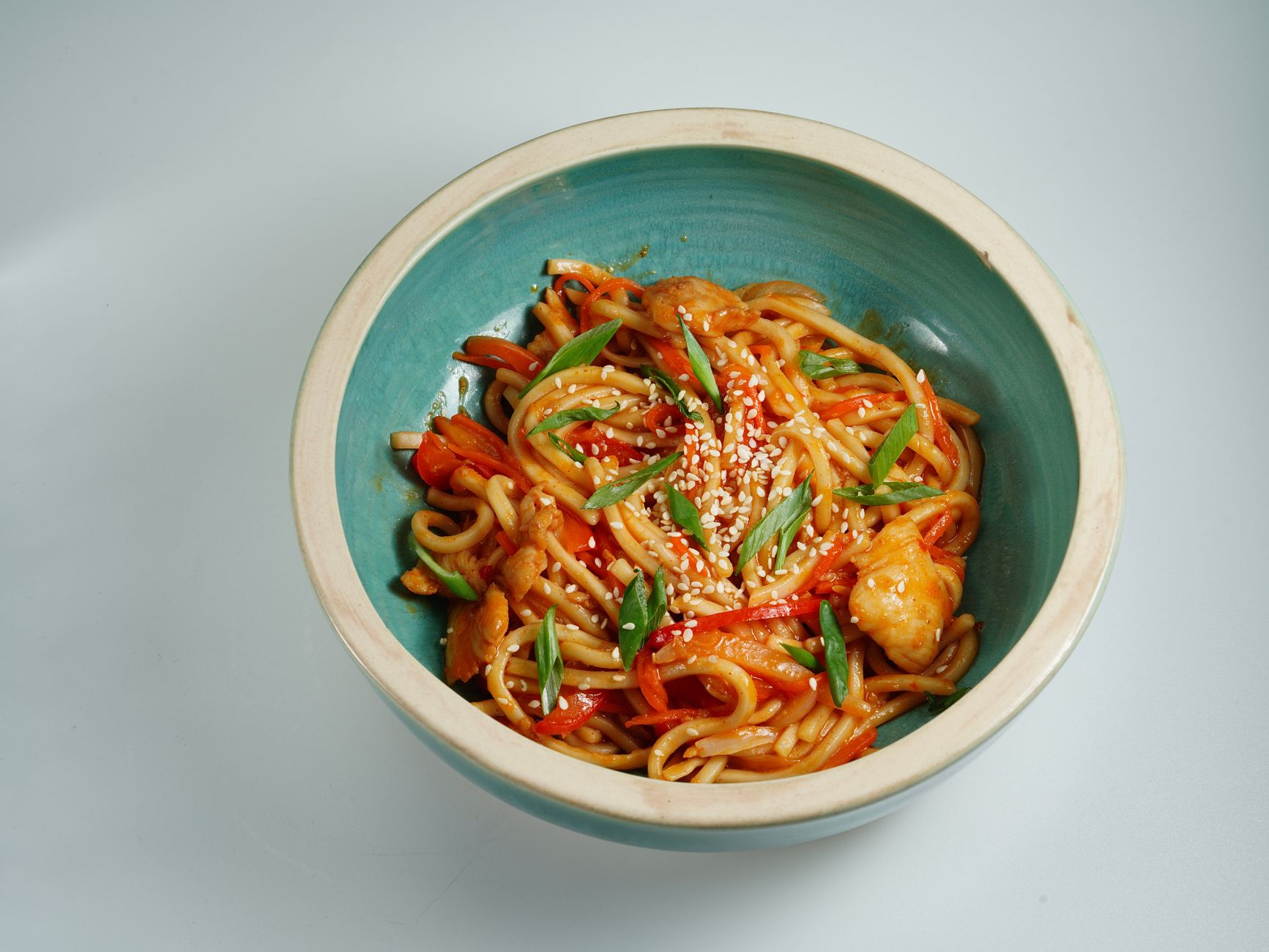
?f?? Photo by Nadin Sh on Pexels – Free to use under the Pexels License
Why This Recipe Works: The Food Science Behind It
The key to a perfect breakfast hash lies in two critical reactions: the Maillard reaction and starch gelatinization. When you sear potatoes in a hot skillet, the Maillard reaction (a chemical reaction between amino acids and reducing sugars) creates that irresistible golden-brown crust and deep, nutty flavors. This reaction peaks at around 300–350°F (150–175°C), which is why a screaming-hot skillet is non-negotiable. If your pan isn’t hot enough, the potatoes will steam instead of crisp, leaving you with a sad, soggy mess.
According to Harvard T.H. Chan School of Public Health, evidence-based nutrition research plays an important role in understanding food preparation and nutrition.
Meanwhile, starch gelatinization is what transforms raw potatoes into tender, creamy bites. Potatoes are packed with starch granules that absorb water and swell when heated. For the best texture, par-cooking the potatoes in salted water (or microwaving them) jumpstarts this process, ensuring the insides are fully tender by the time the outsides crisp up. This two-step cooking method—par-cooking followed by high-heat frying—is the secret to achieving that coveted contrast of crispy exterior and fluffy interior.
Another pro tip? The eggs. A perfectly cooked egg on top of hash isn’t just for looks—it’s a nutritional and textural powerhouse. The proteins in egg whites coagulate at 144–149°F (62–65°C), while yolks thicken at 149–158°F (65–70°C). Cooking them “sunny-side up” (with runny yolks) ensures the fats in the yolk remain liquid, creating a rich, saucy contrast to the crispy potatoes. Plus, the yolk’s lecithin acts as a natural emulsifier, binding the flavors of the hash into a cohesive bite.
Complete Ingredient Breakdown
Every ingredient in this hash serves a purpose, from texture to flavor to nutrition. Here’s what you’ll need and why each component matters:
According to World Health Organization (WHO), dietary guidelines and healthy eating plays an important role in understanding food preparation and nutrition.
Base Ingredients
- Russet potatoes (450g / 1 lb, diced into ½-inch cubes): Russets are ideal for hash because their high starch content yields a fluffier interior and crispier exterior. Waxy potatoes (like red or Yukon Gold) can work in a pinch, but they’ll hold their shape more and won’t crisp as well. For extra crispiness, soak the diced potatoes in cold water for 10 minutes to remove excess starch, then pat them very dry.
- Yellow onion (1 medium, finely diced): Onions add sweetness and depth as they caramelize. Yellow onions are the best choice here because they balance sweetness and sharpness. If you’re short on time, you can swap in shallots for a more delicate flavor, but they’ll cook faster, so adjust the timing.
- Bell peppers (1 red or green, diced): Peppers add color, crunch, and a subtle sweetness. Red peppers are sweeter and higher in vitamin C (152% DV per cup!), while green peppers offer a slightly bitter contrast. For a smoky twist, use half a poblano pepper instead.
- Olive oil or butter (3 tbsp): Fat is essential for crisping the potatoes and carrying flavor. Olive oil has a higher smoke point (375°F/190°C) and adds fruity notes, while butter (smoke point 300°F/150°C) lends richness but burns more easily. For the best of both worlds, use a mix: 2 tbsp olive oil + 1 tbsp butter. If you’re watching calories, 1 tbsp of oil is enough, but the potatoes won’t crisp as well.
- Smoked paprika (1 tsp): This spice adds a subtle smokiness that mimics the flavor of bacon or ham without the meat. It’s also rich in antioxidants like capsanthin, which gives it its vibrant red color. Regular paprika works in a pinch, but it lacks the depth of smoked paprika.
- Garlic powder (½ tsp): Fresh garlic can burn in the high heat of the skillet, so powdered garlic is a safer bet. It adds savory, umami notes without the risk of bitterness. For extra punch, add 1 minced garlic clove in the last 2 minutes of cooking.
- Salt and black pepper (to taste): Salt isn’t just for flavor—it’s crucial for drawing out moisture from the potatoes, which helps them crisp. Use kosher salt for better control (it’s less dense than table salt). Freshly cracked black pepper adds a sharp, aromatic contrast to the sweet potatoes and peppers.
- Eggs (4 large): Eggs are the crowning glory of this dish. For runny yolks, cook them sunny-side up or over-easy. If you prefer firmer yolks, go for over-hard. The protein in eggs (6g per large egg) makes this hash a satisfying, muscle-friendly meal. For a vegan option, see the variations section below.
- Fresh parsley or chives (2 tbsp, chopped): A bright, fresh garnish cuts through the richness of the potatoes and eggs. Parsley is high in vitamin K (133% DV per ¼ cup), which supports bone health. Chives add a mild oniony flavor and a pop of color.
- Par-Cook the Potatoes:
In a large pot, cover the diced potatoes with cold water by 1 inch. Add 1 tsp of salt and bring to a boil. Reduce the heat to medium and simmer for 4–5 minutes, until the potatoes are just tender but not falling apart (a fork should pierce them with slight resistance). Drain immediately and spread the potatoes on a baking sheet lined with paper towels. Pat them very dry—any moisture will steam the potatoes instead of crisping them. Let them cool for 5 minutes while you prep the other ingredients.
- Sauté the Aromatics:
Heat a large cast-iron or nonstick skillet over medium-high heat. Add 2 tbsp of olive oil and swirl to coat the pan. Once the oil is shimmering (about 2 minutes), add the diced onion and bell pepper. Cook for 4–5 minutes, stirring occasionally, until the onions are translucent and the peppers have softened. If using fresh garlic, add it now and cook for 30 seconds until fragrant. Sprinkle with ½ tsp salt and ¼ tsp black pepper to help draw out moisture.
- Crisp the Potatoes:
Push the onions and peppers to one side of the skillet. Add the remaining 1 tbsp of oil (or butter) to the empty side, then add the par-cooked potatoes in a single layer. Press them down with a spatula to ensure maximum contact with the pan. Let them cook undisturbed for 4–5 minutes, until the bottoms are deeply golden and crispy. Sprinkle the smoked paprika, garlic powder, and a pinch of salt over the potatoes, then stir to combine with the onions and peppers. Cook for another 3–4 minutes, stirring occasionally, until the potatoes are evenly crisped.
- Create Wells for the Eggs:
Use your spatula to create 4 small wells in the hash, spacing them evenly. Crack an egg into each well. Reduce the heat to medium-low, cover the skillet with a lid, and cook for 3–4 minutes. The lid traps steam, which helps the egg whites set without overcooking the yolks. For firmer yolks, cook for 5–6 minutes. If the tops of the whites aren’t setting, baste them with a little of the hot oil from the pan using a spoon.
- Garnish and Serve:
Sprinkle the hash with chopped parsley or chives. Taste and adjust the seasoning with more salt and pepper if needed. Serve immediately, straight from the skillet, with crusty bread or avocado slices on the side. The eggs will continue to cook slightly from the residual heat, so dig in right away! For more delicious ideas, explore our quick and easy recipes collection.
- Temperature Control:
The biggest mistake home cooks make is not preheating the skillet properly. A cold pan leads to steamed potatoes, not crispy ones. Heat your skillet over medium-high for at least 5 minutes before adding the oil. To test if it’s ready, flick a drop of water onto the pan—if it sizzles and evaporates immediately, you’re good to go. If it just sits there, wait another minute.
Another temperature tip: Don’t crowd the pan. If you add too many potatoes at once, they’ll steam instead of crisp. Cook them in batches if necessary, and keep the first batch warm in a 200°F (95°C) oven while you finish the rest.
- Ingredient Quality:
Not all potatoes are created equal. Russets are the gold standard for hash because of their high starch content, but if you’re in a pinch, Yukon Golds can work—they’ll just be creamier and less crispy. Avoid waxy potatoes like red or fingerlings; they hold their shape too well and won’t develop that coveted crunch.
For the eggs, freshness matters. Older eggs have thinner whites that spread out more in the pan, making them harder to contain in the wells. If your eggs are on the older side, crack them into a small bowl first, then slide them into the wells to minimize spreading.
- Timing and Patience:
Resist the urge to stir the potatoes too often. Let them sit undisturbed for at least 4 minutes to develop a crust. If you’re constantly flipping them, they’ll never crisp. The same goes for the eggs—don’t peek under the lid! Every time you lift it, you release heat and steam, which slows down the cooking process.
If you’re cooking for a crowd, make the hash in batches and keep it warm in the oven. Eggs don’t reheat well, so cook them fresh for each serving. Alternatively, cook the hash ahead of time and reheat it in the skillet before adding the eggs.
- Seasoning Balance:
Salt is your friend, but it’s easy to overdo it. Remember that the potatoes absorb salt during par-cooking, and the eggs will also need seasoning. Taste the hash before adding the eggs and adjust as needed. If you’re using salty add-ins (like bacon or cheese), reduce the salt in the potatoes accordingly.
For extra depth, deglaze the pan with a splash of vinegar or hot sauce after cooking the onions. The acidity will lift the browned bits (fond) from the bottom of the pan, adding a bright, tangy note to the hash.
- Calories: ~350 kcal
- Protein: 12g (24% DV) – Eggs and potatoes provide a complete protein profile, making this a great post-workout meal.
- Carbohydrates: 40g (13% DV) – Mostly from the potatoes, which are a good source of complex carbs for sustained energy.
- Fiber: 5g (18% DV) – Thanks to the potatoes (with skin) and bell peppers. Fiber supports digestion and keeps you full longer.
- Fat: 15g (19% DV) – Primarily healthy unsaturated fats from olive oil and egg yolks. The yolks also contain choline, a nutrient essential for brain health.
- Vitamin C: 120% DV – Bell peppers are one of the richest sources of vitamin C, which supports immune function and skin health.
- Vitamin K: 50% DV – From the parsley and eggs, crucial for blood clotting and bone metabolism.
- Potassium: 25% DV – Potatoes are packed with potassium, which helps regulate blood pressure and muscle function.
- Iron: 15% DV – Eggs and potatoes provide heme and non-heme iron, important for oxygen transport in the blood.
- Antioxidants: Smoked paprika and bell peppers contain carotenoids like beta-carotene and capsanthin, which combat oxidative stress and inflammation.
- Gluten-Free: This hash is naturally gluten-free, but check your spices and garnishes for hidden gluten (e.g., some smoked paprika blends contain wheat).
- Dairy-Free: Skip the butter and use only olive oil. For a cheesy flavor, sprinkle nutritional yeast over the finished dish.
- Lower-Sodium: Reduce the salt to ½ tsp total and use low-sodium spices. Boost flavor with lemon zest or fresh herbs instead.
- Lower-Carb: Swap half the potatoes for diced cauliflower or turnips. They’ll crisp up similarly but with fewer carbs.
- Replace eggs with 1 cup of crumbled firm tofu (sautéed with turmeric for color and nutritional yeast for a cheesy flavor).
- Use 1 tbsp of olive oil + 1 tbsp of vegan butter for richness.
- Add ½ cup of black beans for extra protein and fiber.
- Garnish with avocado slices and a drizzle of hot sauce.
- Swap the bell pepper for 1 diced jalapeño and ½ cup of corn kernels.
- Add 1 tsp of ground cumin and ½ tsp of chili powder with the smoked paprika.
- Top with ¼ cup of crumbled queso fresco and a dollop of Greek yogurt (or sour cream).
- Serve with warm tortillas or tortilla chips on the side.
- Add ½ cup of diced zucchini and ¼ cup of Kalamata olives to the skillet with the onions.
- Use 1 tsp of dried oregano instead of smoked paprika.
- Top with ¼ cup of crumbled feta cheese and a sprinkle of za’atar.
- Garnish with fresh dill and lemon wedges for serving.
- Cook the potatoes and aromatics as directed, but skip the eggs.
- Store the hash in an airtight container in the fridge for up to 4 days.
- To reheat, warm 1 cup of hash in a skillet over medium heat for 5–7 minutes, stirring occasionally, until crispy. Add a splash of water or broth to help steam the potatoes if they’re drying out.
- Cook fresh eggs to order and serve on top.
- Not drying the potatoes thoroughly: After par-cooking, potatoes release moisture. If you don’t pat them dry, that moisture will steam them in the pan instead of crisping them. Use paper towels to blot them until they’re completely dry.
- Overcrowding the pan: Too many potatoes in the pan lower the temperature, causing them to steam. Cook in batches if necessary, and make sure the potatoes are in a single layer with space between them.
- Stirring too often: Every time you stir, you break the crust that’s forming. Let the potatoes cook undisturbed for at least 4 minutes before flipping.
- Using the wrong oil: Butter has a low smoke point and can burn, leaving a bitter taste. Olive oil is a better choice for high-heat cooking. If you love the flavor of butter, use a mix of olive oil and butter (2:1 ratio).
- Cook the hash (potatoes + aromatics) as directed, but do not add the eggs.
- Let the hash cool completely, then store it in an airtight container in the fridge for up to 4 days or in the freezer for up to 3 months.
- To reheat, warm 1 cup of hash in a skillet over medium heat for 5–7 minutes, stirring occasionally, until crispy. Add a splash of water or broth if the potatoes are drying out.
- Once the hash is hot, create wells and cook fresh eggs as directed.
- Eggs: Replace with 1 cup of crumbled firm tofu (sautéed with ½ tsp turmeric for color and 1 tbsp nutritional yeast for a cheesy flavor). For a more egg-like texture, try a tofu scramble with black salt (kala namak), which has a sulfurous taste similar to eggs.
- Butter: Use olive oil, coconut oil, or vegan butter. For extra richness, add 1 tbsp of tahini or cashew cream to the hash before serving.
- Cheese: Skip it or use a dairy-free cheese alternative. Nutritional yeast adds a cheesy, umami flavor without dairy.
- Protein boost: Add ½ cup of cooked lentils, black beans, or chickpeas for extra fiber and plant-based protein.
- Cauliflower: Use 2 cups of riced cauliflower or finely diced cauliflower florets. Par-cook it in the microwave for 3–4 minutes to soften, then pat it dry before crisping in the skillet. Cauliflower has a mild flavor and a similar texture to potatoes when crisped.
- Turnips or rutabaga: These root vegetables have a slightly sweet, earthy flavor and a lower glycemic index than potatoes. Dice them into ½-inch cubes and par-cook for 5–6 minutes before crisping.
- Zucchini or summer squash: Use 2 cups of diced zucchini. Skip the par-cooking step—just pat the zucchini dry and cook it directly in the skillet. It won’t crisp as much as potatoes, but it adds a nice texture.
- Mushrooms: Add 1 cup of diced cremini or portobello mushrooms for a meaty, umami-rich alternative. They’ll shrink as they cook, so use more than you think you need.
- Fridge: Let the hash cool completely, then transfer it to an airtight container. Store for up to 4 days. To reheat, warm 1 cup of hash in a skillet over medium heat for 5–7 minutes, stirring occasionally, until crispy. Add a splash of water or broth if the potatoes are drying out. Cook fresh eggs to order.
- Freezer: Portion the hash into freezer-safe containers or bags and freeze for up to 3 months. Thaw overnight in the fridge before reheating. For best results, reheat frozen hash in the skillet over medium-low heat, stirring occasionally, until heated through (about 10 minutes).
- Eggs: If you have leftover eggs, store them separately in the fridge for up to 2 days. Reheat them gently in a skillet over low heat, covered, for 1–2 minutes. Avoid microwaving—they’ll overcook and turn rubbery.
Seasoning and Fat
Protein and Garnish
Step-by-Step Instructions
This recipe is all about timing and technique. Follow these steps closely, and you’ll have a hash that’s crispy, flavorful, and ready in under 30 minutes. The key? Mise en place—have everything prepped and ready to go before you start cooking. There’s no time to chop once the potatoes hit the pan!
Expert Tips from Years of Kitchen Experience
After making this hash hundreds of times (and burning my fair share of potatoes), I’ve learned a few tricks that take it from good to outstanding. Here’s what separates a mediocre hash from one that’ll have your family begging for seconds:
Nutritional Benefits and Health Insights
This breakfast hash isn’t just delicious—it’s a nutritional powerhouse. Here’s a breakdown of what makes it so good for you, along with some dietary considerations:
Macronutrients (per serving, with 1 egg):
Vitamins and Minerals:
Dietary Adaptations: For more delicious ideas, explore our snacks and appetizers collection.
Creative Variations and Dietary Adaptations
One of the best things about breakfast hash is its versatility. Here are five ways to customize it to your taste or dietary needs:
1. Meat Lover’s Hash
Add 150g (5 oz) of cooked bacon, sausage, or ham to the skillet with the onions. Crumble the bacon or dice the sausage into small pieces so it crisps up. For extra richness, stir in ¼ cup of shredded cheddar cheese just before adding the eggs. The fat from the meat will add incredible flavor, but if you’re watching calories, drain the bacon on paper towels first.
2. Vegan Breakfast Hash
Skip the eggs and use these swaps:
The tofu won’t mimic eggs exactly, but it provides a satisfying, protein-rich alternative with a similar texture when crisped in the pan.
3. Spicy Southwest Hash
Give your hash a Tex-Mex twist with these additions:
The jalapeño adds heat, while the cumin and chili powder bring earthy, smoky notes that pair perfectly with the sweet potatoes.
4. Mediterranean Hash
Take your taste buds to Greece with these ingredients:
The olives and feta add a briny, salty contrast to the sweet potatoes, while the lemon brightens the whole dish.
5. Meal-Prep Friendly Hash
Make a big batch of hash ahead of time and reheat portions throughout the week:
This method saves time on busy mornings while keeping the hash tasting fresh. Pro tip: Freeze the hash in individual portions for up to 3 months—just thaw overnight in the fridge before reheating.
Frequently Asked Questions
Why are my potatoes soggy instead of crispy?
Soggy potatoes are usually the result of one (or more) of these mistakes:
If your potatoes are already soggy, don’t despair! Spread them on a baking sheet and broil them for 3–5 minutes to crisp them up.
Can I make this hash ahead of time?
Yes, but with a few caveats. The potatoes reheat well, but the eggs do not. Here’s how to do it:
For meal prep, portion the hash into containers and store the eggs separately. Cook the eggs fresh when you’re ready to eat.
What are some good dairy-free or vegan substitutions?
This hash is easy to adapt for dairy-free or vegan diets. Here are the best swaps:
For a vegan “egg” topping, try this trick: Blend ¼ cup of silken tofu with 1 tbsp of chickpea flour, ½ tsp turmeric, and a pinch of black salt. Pour the mixture into the wells in the hash and cook covered for 3–4 minutes, until set. It won’t be identical to eggs, but it’s a delicious alternative.
How can I make this hash lower in carbs?
If you’re watching your carb intake, you can reduce the potatoes by half and replace them with lower-carb vegetables. Here are some great options:
For extra protein, add ½ cup of cooked ground turkey or chicken to the skillet with the onions. This will help balance the meal and keep you full longer.
What’s the best way to store and reheat leftovers?
Leftover hash is best stored without the eggs. Here’s how to do it:
Pro tip: Freeze the hash in individual portions for easy grab-and-go breakfasts. Pair it with a pre-cooked egg (like a hard-boiled egg) for a quick, balanced meal.
Final Thoughts
There’s a reason breakfast hash has stood the test of time: it’s simple, satisfying, and endlessly adaptable. Whether you’re feeding a hungry family on a busy weekday or treating yourself to a lazy weekend brunch, this dish delivers big on flavor and nutrition without requiring hours in the kitchen. The crispy potatoes, runny eggs, and bold spices create a symphony of textures and tastes that never get old.
What I love most about this recipe is how it encourages creativity. Don’t have bell peppers? Toss in some spinach or mushrooms. Out of smoked paprika? A pinch of cayenne and a dash of Worcestershire sauce will do the trick. The beauty of hash is that it’s a blank canvas—perfect for using up whatever you have on hand. Over the years, I’ve made it with everything from leftover roasted sweet potatoes to kimchi, and it’s always delicious.
So go ahead, give this recipe a try. Make it your own. Swap the spices, add your favorite veggies, or top it with avocado and hot sauce. And when you take that first bite—crispy potatoes, creamy eggs, and all the flavors melding together—you’ll understand why this dish has been a morning staple for generations. Here’s to breakfasts that are quick, easy, and anything but boring.