


🍳 In This Article
- The Rich History and Cultural Roots of This Dish
- Why This Recipe Works: The Food Science Behind It
- Complete Ingredient Breakdown
- Step-by-Step Instructions
- Expert Tips from Years of Kitchen Experience
- Nutritional Benefits and Health Insights
- Creative Variations and Dietary Adaptations
- Frequently Asked Questions
- Final Thoughts
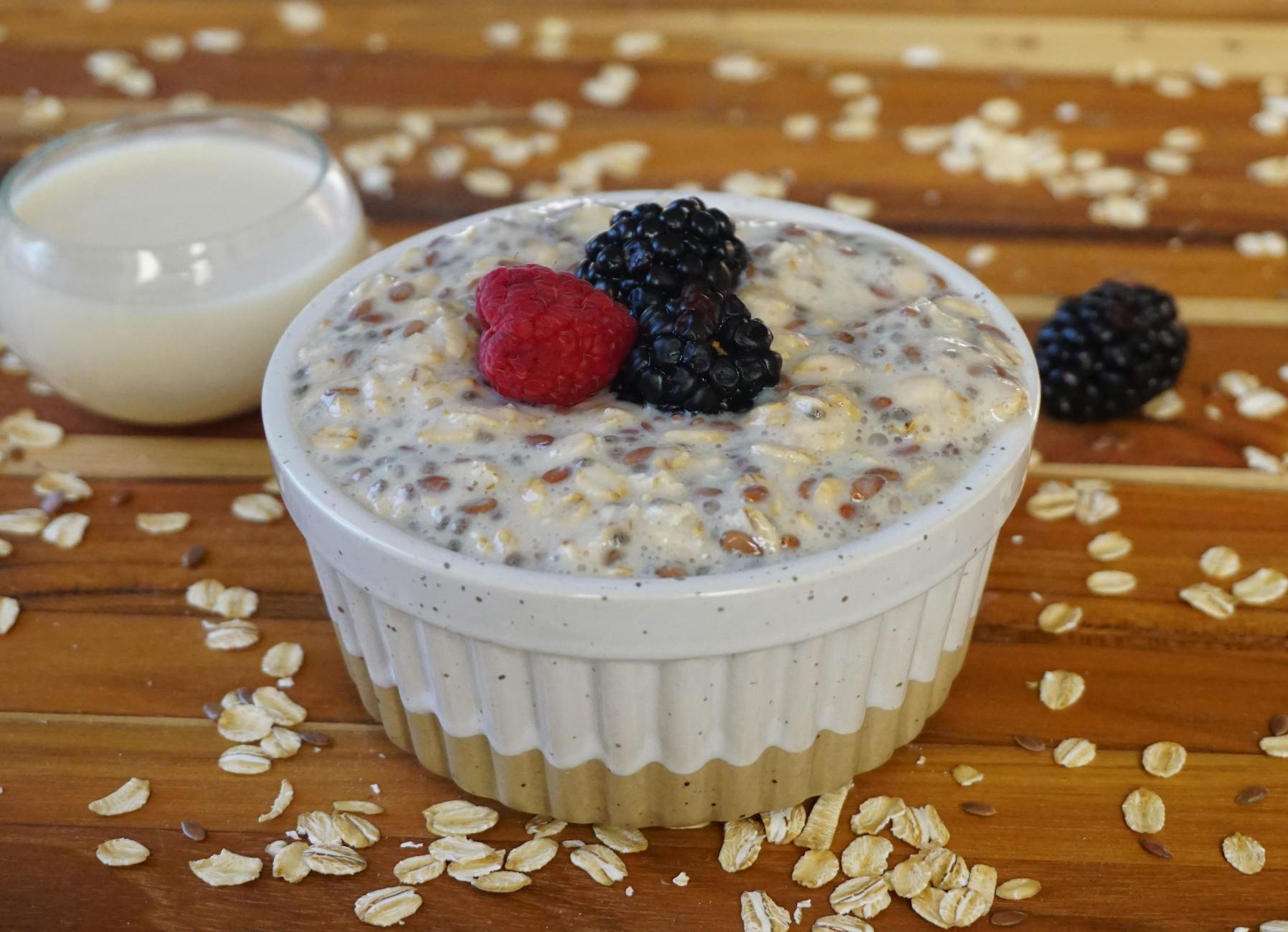
There is a specific kind of morning magic that occurs when you open the refrigerator door at 7:00 AM and find a beautifully layered, perfectly chilled jar of oats waiting for you. It is the culinary equivalent of a “gift from your past self.” For years, I struggled with the morning rush, often settling for a piece of toast or, worse, nothing at all, until I began experimenting with the chemistry of the cold soak. As a culinary journalist, I’ve spent a decade dissecting the Maillard reaction in seared steaks and the aeration of soufflés, but there is something uniquely fascinating about the humble oat. It doesn’t require heat to transform; it simply requires time, the right hydration ratio, and an understanding of cellular breakdown. When you master the ratio of liquid to grain, you aren’t just making “cold oatmeal”—you are creating a sophisticated, creamy porridge that rivals any stovetop version in both texture and nutritional bioavailability.
The Rich History and Cultural Roots of This Dish
While overnight oats feel like a modern “Instagrammable” trend, their lineage is deeply rooted in European clinical nutrition. The dish we recognize today is a direct descendant of *Bircher-muesli*, developed around 1900 by the Swiss physician Maximilian Bircher-Benner. Working at his sanatorium in Zurich, Dr. Bircher-Benner was a pioneer in raw food therapeutics. He believed that a diet rich in raw fruits, vegetables, and grains was essential for healing. His original recipe wasn’t actually oat-centric; it was a “dietary apple dish” where the oats were a secondary binder, soaked for 12 hours in water and served with condensed milk, honey, and a generous amount of grated whole apple, including the skin and core.
The cultural significance of the dish shifted throughout the 20th century. In Scotland, the tradition of “crowdie” or “cranachan” often involved toasted oats soaked in cream or whiskey, though these were more celebratory than medicinal. However, the Swiss model of raw, soaked grains became the gold standard for health-conscious Europeans. It wasn’t until the early 21st century that the “overnight oat” as we know it—repackaged in Mason jars for the modern commuter—exploded in popularity. This evolution represents a shift from the clinical to the convenient, yet the core principle remains identical: the slow hydration of the grain to make it more digestible and palatable without the application of high heat.
Today, the dish has transcended its humble beginnings to become a canvas for global flavors. In the Middle East, you might find overnight grains flavored with rosewater and pistachios; in Southeast Asia, coconut milk and pandan are common additions. The version we are exploring today—focusing on blueberry, chocolate, and tropical profiles—represents the intersection of Western meal-prep culture and the diverse flavor palettes of the modern pantry. By understanding where this dish came from, we can better appreciate the simplicity of its preparation and the complexity of its nutritional heritage.

📷 Photo by Markus Spiske on Pexels — Free to use under the Pexels License
Why This Recipe Works: The Food Science Behind It
The “magic” of overnight oats is actually a process called cold-steeping or starch hydration. Unlike traditional oatmeal, which uses heat to rapidly swell starch granules (a process called gelatinization), overnight oats rely on a slower diffusion of liquid into the oat’s endosperm. When oats are soaked for 6–12 hours, the starches soften and the beta-glucan—a type of soluble fiber—begins to form a viscous, gel-like structure. This is what gives the oats their creamy, pudding-like consistency without the need for cream or butter. I’ve found that using a 1:1.5 ratio of oats to liquid provides the most balanced texture; any less and the oats remain chalky; any more and they become unpleasantly soupy.
According to Mayo Clinic, nutrition science and health plays an important role in understanding food preparation and nutrition.
Another critical scientific component is the reduction of phytic acid. Grains, seeds, and nuts contain phytic acid, an “anti-nutrient” that can inhibit the absorption of minerals like iron, zinc, and calcium. By soaking the oats in a slightly acidic medium (like yogurt or even just the natural enzymes in the oats), you activate phytase, an enzyme that breaks down phytic acid. This makes the nutrients in your breakfast more bioavailable to your body. Furthermore, the addition of chia seeds in these recipes serves a dual purpose. Chia seeds are hydrocolloids; they can absorb up to 10–12 times their weight in liquid, creating a mucilaginous outer layer that adds structural integrity and a “thickened” mouthfeel to the oats, effectively acting as a natural emulsifier for the entire mixture.
Complete Ingredient Breakdown
To achieve the perfect jar, we must look at our ingredients through the lens of function and flavor. For all three variations, we start with a “Master Base.”
According to USDA FoodData Central, nutritional data and food composition plays an important role in understanding food preparation and nutrition.
- Old-Fashioned Rolled Oats (80g / ~1 cup): These are the “Goldilocks” of oats. Unlike steel-cut oats, which remain too toothsome when cold-soaked, or instant oats, which turn to mush, rolled oats are steamed and flattened, allowing for optimal liquid absorption while maintaining a pleasant “al dente” texture.
- Chia Seeds (10g / 1 tbsp): Essential for the “gel” factor. They provide structural support and a massive boost of Omega-3 fatty acids.
- Greek Yogurt or Coconut Cream (60g / 1/4 cup): This provides the acidity needed for phytic acid breakdown and adds a rich, tangy creaminess. For the tropical version, coconut cream offers a higher fat content (approx. 20%) which carries the flavor of the fruit more effectively.
- Liquid Base (120ml / 1/2 cup): I prefer unsweetened almond or oat milk. The proteins in dairy milk can sometimes “tighten” the oats too much, whereas nut milks provide a cleaner flavor profile that lets the additions shine.
Flavor-Specific Additions:
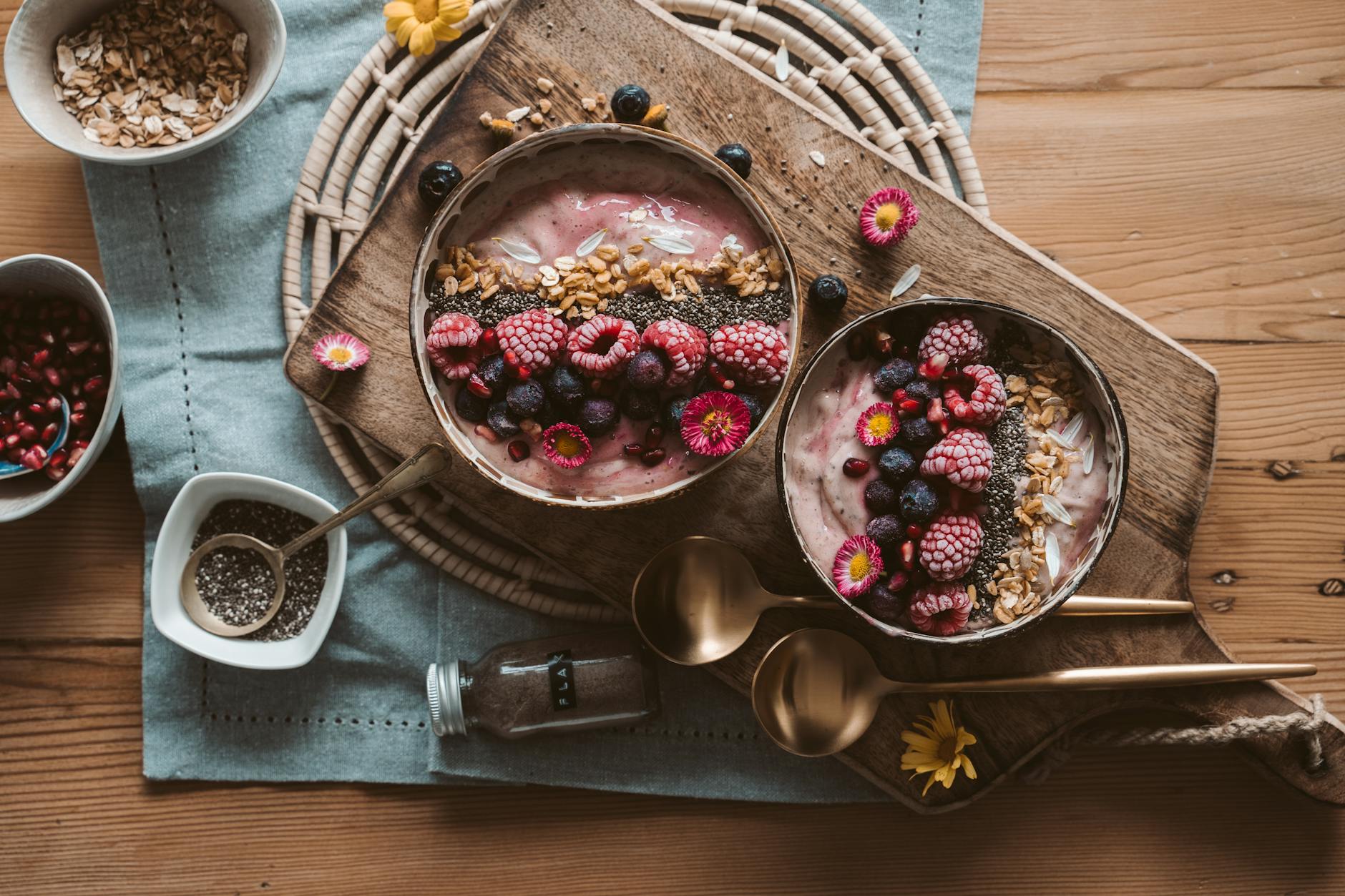
- Blueberry Lemon: Fresh or frozen blueberries (high in anthocyanins) and 2g of lemon zest. The citric acid in the zest brightens the heavy starches of the oats.
- Dark Chocolate: High-quality Dutch-processed cocoa powder (5g) and a pinch of sea salt. The salt is crucial—it suppresses bitterness and enhances the perception of sweetness without adding extra sugar.
- Tropical: Fresh mango cubes and toasted coconut flakes. Mango contains the enzyme amylase, which can actually help break down the oat starches further, making for a softer texture.
📷 Photo by Taryn Elliott on Pexels — Free to use under the Pexels License
Step-by-Step Instructions
Preparation is the key to success. Ensure your jars are clean and your ingredients are at room temperature before mixing to allow for even distribution of the powders and seeds. For more delicious ideas, explore our cooking tips and guides collection.
- Step 1 — The Dry Foundation: In a 16oz (approx. 475ml) wide-mouth glass jar, combine 80g of rolled oats, 10g of chia seeds, and a tiny pinch (approx. 0.5g) of fine sea salt. If making the chocolate version, add your 5g of cocoa powder now. Whisk these dry ingredients with a fork to ensure the chia seeds are distributed; this prevents them from clumping into “gel-balls” later.
- Step 2 — The Acid and Fat: Add 60g of Greek yogurt or coconut cream directly onto the dry mix. This provides the necessary fats to carry fat-soluble flavors and the acidity to begin the enzymatic breakdown of the oats.
- Step 3 — Hydration: Pour in 120ml of your chosen liquid (milk or milk alternative). Add your sweetener at this stage—I recommend 10ml (2 tsp) of maple syrup or honey. The sugars will dissolve more evenly in the liquid before the oats begin to swell.
- Step 4 — The Emulsification Shake: Secure the lid tightly and shake the jar vigorously for 30 seconds. This is a crucial “chef’s trick.” Shaking creates a temporary emulsion between the yogurt and milk and ensures every single oat flake is coated in liquid.
- Step 5 — The Flavor Fold: Open the jar and gently fold in your fruit components (blueberries or mango). If making the chocolate version, I love adding 10g of cacao nibs at this stage for a textural contrast.
- Step 6 — The Cold Steep: Wipe the rim of the jar, seal it, and place it in the refrigerator at 40°F (4°C) or below. Let the oats rest for a minimum of 6 hours, though 12 hours is the “sweet spot” for maximum hydration and flavor development.
Expert Tips from Years of Kitchen Experience
The difference between a “good” jar of oats and a “gourmet” one lies in the details. After making thousands of these for clients and my own family, I’ve discovered several nuances that elevate the dish.
- Temperature Control: Never add frozen fruit directly to the oats if you plan to eat them in less than 4 hours. The ice crystals will lower the temperature of the mixture too much, slowing down the hydration of the oats. If using frozen berries, let them thaw slightly or extend the soak time to 8+ hours.
- Ingredient Quality: Use “Dutch-processed” cocoa for the chocolate version. It has been treated with an alkalizing agent to reduce acidity, giving it a smoother, deeper chocolate flavor that pairs perfectly with the natural sweetness of oats. Also, always use pure vanilla extract rather than imitation; the alcohol base in pure extract helps carry the aroma through the cold medium.
- Timing and Patience: Oats reach their peak texture between 12 and 24 hours. Beyond 48 hours, the oats begin to lose their structural integrity and can become “slimy” as the starches fully disintegrate. If you are meal-prepping for the week, I recommend prepping the dry jars and adding the liquid the night before you plan to eat them.
- Seasoning Balance: Most people forget to salt their oats. Salt is a flavor potentiator. A tiny pinch of sea salt doesn’t make the oats salty; it makes the chocolate taste more “chocolatey” and the blueberries taste more “vibrant.” It’s the single most important seasoning in your pantry.
Nutritional Benefits and Health Insights
From a nutritional standpoint, overnight oats are a powerhouse. A standard serving (using the measurements above) provides approximately 350-400 calories, 12-15g of protein, and 8-10g of dietary fiber. The star of the show is beta-glucan, a soluble fiber that has been clinically shown to reduce LDL (bad) cholesterol levels and improve heart health. Because these oats are not boiled, the beta-glucan remains highly concentrated and effective.
The inclusion of chia seeds adds roughly 4g of alpha-linolenic acid (ALA), an essential Omega-3 fatty acid that supports brain health and reduces inflammation. Furthermore, because this is a cold-prep meal, the “resistant starch” in the oats remains intact. Resistant starch acts as a prebiotic, feeding the beneficial bacteria in your gut microbiome. For those monitoring blood sugar, overnight oats have a lower Glycemic Index (GI) than cooked oatmeal. The slow digestion of the soaked raw starch leads to a more gradual release of glucose into the bloodstream, preventing the “energy crash” often associated with sugary breakfasts. For more delicious ideas, explore our drinks and beverages collection.
Creative Variations and Dietary Adaptations
The beauty of this method is its infinite adaptability. Here are a few ways to pivot the recipe based on your needs:
- The High-Protein Powerhouse: Swap half of the yogurt for 25g of high-quality whey or pea protein powder. Increase the liquid by 30ml to account for the powder’s absorbency. This can bring your protein count up to 30g+ per jar.
- The Savory Twist: Omit the fruit and sugar. Use water or vegetable broth as the liquid, and add a dollop of miso paste and a swirl of tahini. Top with a soft-boiled egg and furikake in the morning. It sounds unusual, but the science of the soak works just as well for savory profiles.
- The Keto-Adjacent Version: Replace the oats with a blend of hemp hearts, sliced almonds, and extra chia seeds. Since these don’t have the same starch content, reduce the liquid by 25% to maintain a thick consistency.
- The Autumnal Spice: Add 2g of cinnamon and 1g of ground ginger to the base. Use pumpkin purée instead of yogurt for a “Pumpkin Pie” flavor profile that is rich in Vitamin A (beta-carotene).
- The Nut Butter Swirl: For any of the three main flavors, I love adding a tablespoon of almond or peanut butter. Don’t mix it in completely; leave it as a “ribbon” so you get concentrated bursts of healthy fats and protein.
Frequently Asked Questions
Can I use steel-cut oats for this recipe?
Technically, yes, but the texture will be significantly different. Steel-cut oats are the whole oat groat chopped into pieces, not flattened. They require at least 24–48 hours of soaking to become chewable, and even then, they will have a very firm, grainy texture. If you prefer a “crunchier” breakfast, you can use a 50/50 blend of rolled and steel-cut oats.
How long do these stay fresh in the refrigerator?
For optimal food safety and texture, consume your overnight oats within 3 to 4 days. While they are safe to eat up to 5 days, the oats will become increasingly soft and the fruit may begin to release excess water (syneresis), which can make the mixture runny. Always keep them sealed in an airtight container to prevent them from absorbing “fridge odors.”
Do I have to eat them cold, or can I heat them up?
You can absolutely heat them! If you find yourself craving a warm meal on a cold morning, simply pop the jar (without the lid) into the microwave for 45–60 seconds. The oats have already been “cooked” by the cold-soaking process, so you are just changing the serving temperature. You may need to add a splash of extra milk as heat will further thicken the starches.
Why did my oats turn out watery and thin?
This usually happens for one of two reasons: either the ratio of liquid was too high, or you skipped the chia seeds. Chia seeds are the primary thickening agent in this recipe. If you don’t want to use chia, you can substitute them with ground flaxseeds or double the amount of Greek yogurt to achieve a similar viscosity.
Final Thoughts
Cooking is often viewed as an act of labor, but overnight oats remind us that cooking can also be an act of patience and biological transformation. There is a deep satisfaction in understanding the cellular structure of an oat grain and using that knowledge to simplify your life. I’ve found that since I started incorporating these three variations into my weekly routine, my mornings have transformed from a chaotic scramble into a moment of intentionality. Whether you are diving into the antioxidant-rich world of blueberries, the comforting depths of dark chocolate, or the sun-drenched flavors of the tropics, you are nourishing your body with a dish that is as scientifically sound as it is delicious. I encourage you to use these recipes as a starting point—experiment with your own ratios, find your favorite “crunch” factor, and reclaim your morning one jar at a time.