


🍳 In This Article
- The Rich History and Cultural Roots of This Dish
- Why This Recipe Works: The Food Science Behind It
- Complete Ingredient Breakdown
- Step-by-Step Instructions
- Expert Tips from Years of Kitchen Experience
- Nutritional Benefits and Health Insights
- Creative Variations and Dietary Adaptations
- Frequently Asked Questions
- Final Thoughts
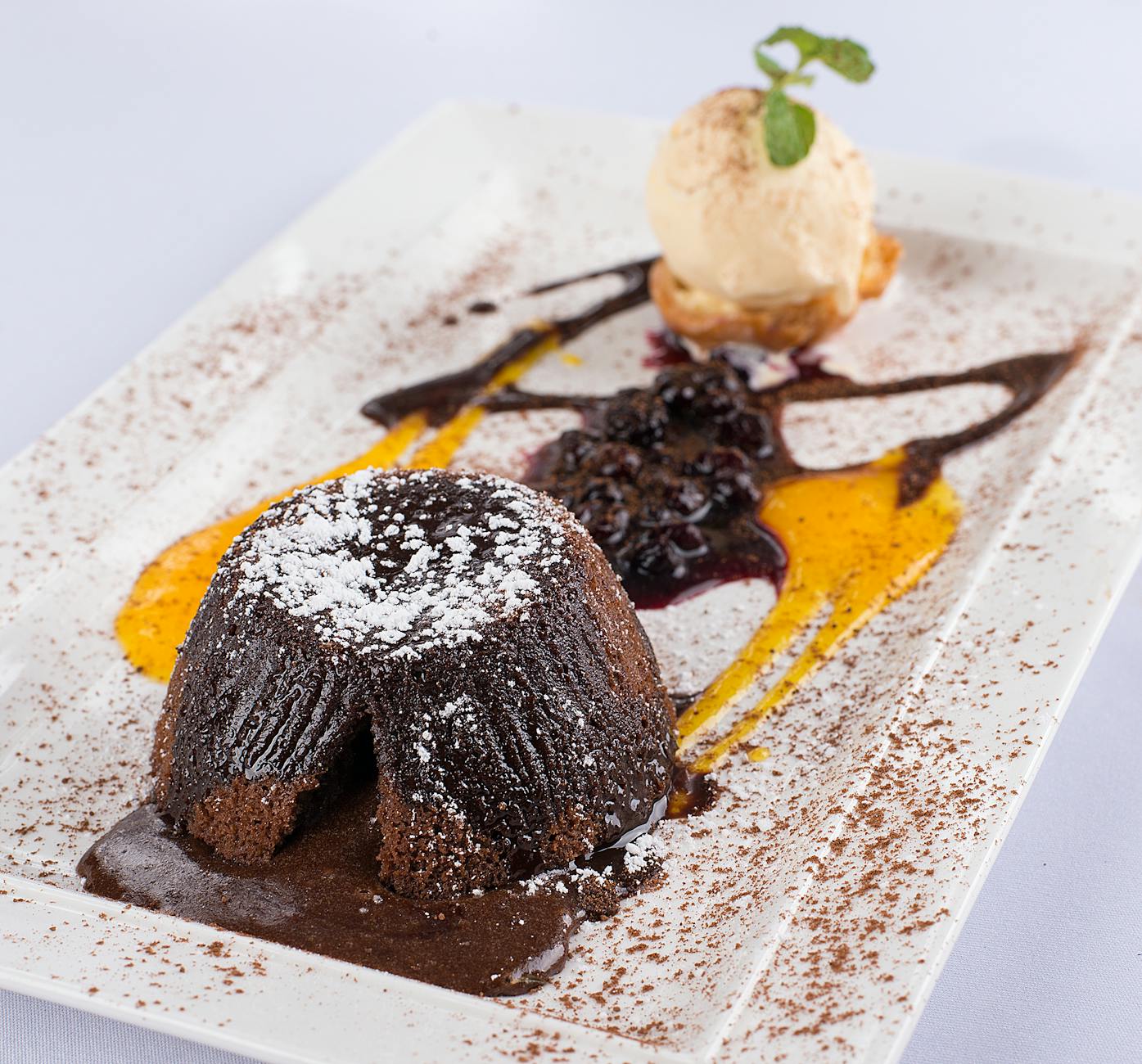
There is a specific, almost theatrical tension that occurs at the dinner table the moment a chocolate lava cake is served. It is the “moment of truth”—that singular second when the side of a silver spoon breaches the delicate, cakey exterior to reveal whether the center will flow like liquid velvet or sit stubbornly firm. For many home bakers, this dessert represents the peak of intimidation, a high-wire act of timing and temperature. I remember the first time I attempted this in my early days as a pastry apprentice; I was so nervous about the “ooze” factor that I pulled them out three minutes early, resulting in what could only be described as a delicious chocolate soup served in a ceramic cup. But over the years, I’ve learned that the lava cake isn’t a gamble; it’s a beautiful exercise in thermodynamics and emulsification. When you understand the science of heat transfer, you stop guessing and start creating edible art.
The Rich History and Cultural Roots of This Dish
The origin of the molten chocolate cake is a tale of two culinary titans and a healthy dose of controversy. While it feels like a timeless classic, the dish as we know it only rose to global prominence in the 1980s. The most widely accepted “accidental” origin story belongs to Jean-Georges Vongerichten, who claimed to have pulled a chocolate sponge cake out of the oven too early at the Lafayette Restaurant in New York City in 1987. He discovered that the undercooked center was not a failure but a revelation—a warm, rich sauce encased in a light crumb. This version, often called “Chocolate Valrhona Cake,” took the New York dining scene by storm and eventually trickled down to almost every casual dining menu in America by the late 90s.
However, across the Atlantic, the legendary French chef Michel Bras had been serving his “Le Biscuit Tiède de Chocolat Coulant” since 1981. Bras’s version was far more technically complex and intentional. Unlike Vongerichten’s underbaked batter, Bras utilized a frozen ganache core inserted into the center of the cake batter before baking. As the cake baked, the frozen core melted into a liquid state while the surrounding batter set into a sturdy structure. This distinction is vital in the culinary world: one is an “undercooked” cake (the moelleux), and the other is a “liquid-center” cake (the fondant). Today, most recipes, including the one we will master here, lean toward the Vongerichten method for its accessibility and incredible texture, though we use modern science to ensure it is safe and consistent.
Culturally, the lava cake represents the democratization of fine dining. It transitioned from the white-tablecloth sanctuaries of Manhattan and Laguiole to the home kitchen, becoming the ultimate “impressive” dessert for dinner parties. It bridges the gap between a sophisticated soufflé and a humble brownie. Its evolution reflects our shifting palate toward darker, more intense cacao percentages and our enduring love for textural contrast—the interplay of the hot, fluid interior against the slightly crisp, airy exterior.

📷 Photo by Shameel mukkath on Pexels — Free to use under the Pexels License
Why This Recipe Works: The Food Science Behind It
The “magic” of a lava cake is actually a lesson in heat conduction and protein denaturation. When we place our ramekins into a high-heat environment—typically 425°F (218°C)—we are initiating a race against time. The ceramic of the ramekin acts as an insulator, but once it heats up, it transfers energy to the outer edges of the batter. The proteins in the eggs and the starches in the flour begin to coagulate and set, forming a solid wall. Because the baking time is so short (usually under 12 minutes), the thermal energy does not have enough time to reach the very center of the cake in a high enough concentration to set those internal proteins. Thus, the center remains liquid, but it is a *tempered* liquid that has reached a high enough temperature (roughly 160°F/71°C) to be safe for consumption.
According to National Institutes of Health (NIH), vitamin and mineral research plays an important role in understanding food preparation and nutrition.
Emulsification is the second hero of this story. A perfect lava cake relies on a high ratio of fat (from butter and chocolate) to flour. When we whisk the eggs and sugar into the melted chocolate and butter, we are creating a stable emulsion. The lecithin in the egg yolks helps bind the fats and the small amount of liquid in the egg whites together. This is why the center doesn’t just look like raw batter; it has a glossy, sauce-like consistency. If the emulsion breaks, the cake will feel greasy or grainy. I love adding a pinch of salt and a splash of vanilla to this process; the salt acts as a flavor bridge, suppressing the bitterness of the dark chocolate while enhancing its fruity, roasted notes.
Finally, we must consider the role of sugar and air. By beating the eggs and sugar thoroughly, we incorporate tiny air bubbles. During baking, these bubbles expand, providing the “lift” that gives the cake its light, sponge-like exterior. Without this aeration, the cake would be a dense, leaden puck. The sugar also interferes with the development of gluten in the flour, ensuring the cake remains tender rather than chewy. This delicate balance of structure-builders (eggs, flour) and tenderizers (sugar, fat) is what allows the cake to hold its shape on a plate while still surrendering to the pressure of a spoon.
Complete Ingredient Breakdown
To achieve professional results, the quality of your ingredients is non-negotiable. Because there are so few components, every single one is “on stage.” For the chocolate, I always recommend a high-quality bittersweet bar with at least 60% to 70% cacao. Avoid chocolate chips, as they often contain stabilizers and wax designed to help them hold their shape under heat—the exact opposite of what we want for a molten center. I personally prefer a 70% dark chocolate for its complex acidity and deep roasted flavor, which balances the sweetness of the sugar.
According to American Heart Association, heart-healthy cooking guidance plays an important role in understanding food preparation and nutrition.
- Dark Chocolate (115g / 4oz): The soul of the dish. Use a bar and chop it finely for even melting.
- Unsalted Butter (115g / 1/2 cup): Provides the richness and contributes to the fluid nature of the center. Use high-quality European-style butter if possible, as it has a lower water content.
- Large Eggs (2 whole) + Large Egg Yolks (2 extra): The whole eggs provide structure through protein, while the extra yolks add fat and lecithin for that silky, emulsified “lava” texture.
- Granulated Sugar (50g / 1/4 cup): Adds sweetness and helps with the aeration of the eggs.
- All-Purpose Flour (30g / approx. 2.5 tablespoons): Just enough to provide a skeletal structure for the cake. Too much flour will turn the center into a solid muffin.
- Fine Sea Salt (1/4 teaspoon): Essential for balancing the sweetness and intensifying the chocolate profile.
- Pure Vanilla Extract (1 teaspoon): Adds aromatic depth.
- Unsweetened Cocoa Powder (for the ramekins): This is a trick I discovered after years of baking—using cocoa powder instead of flour to dust your greased ramekins ensures no white streaks appear on your beautiful dark cake.
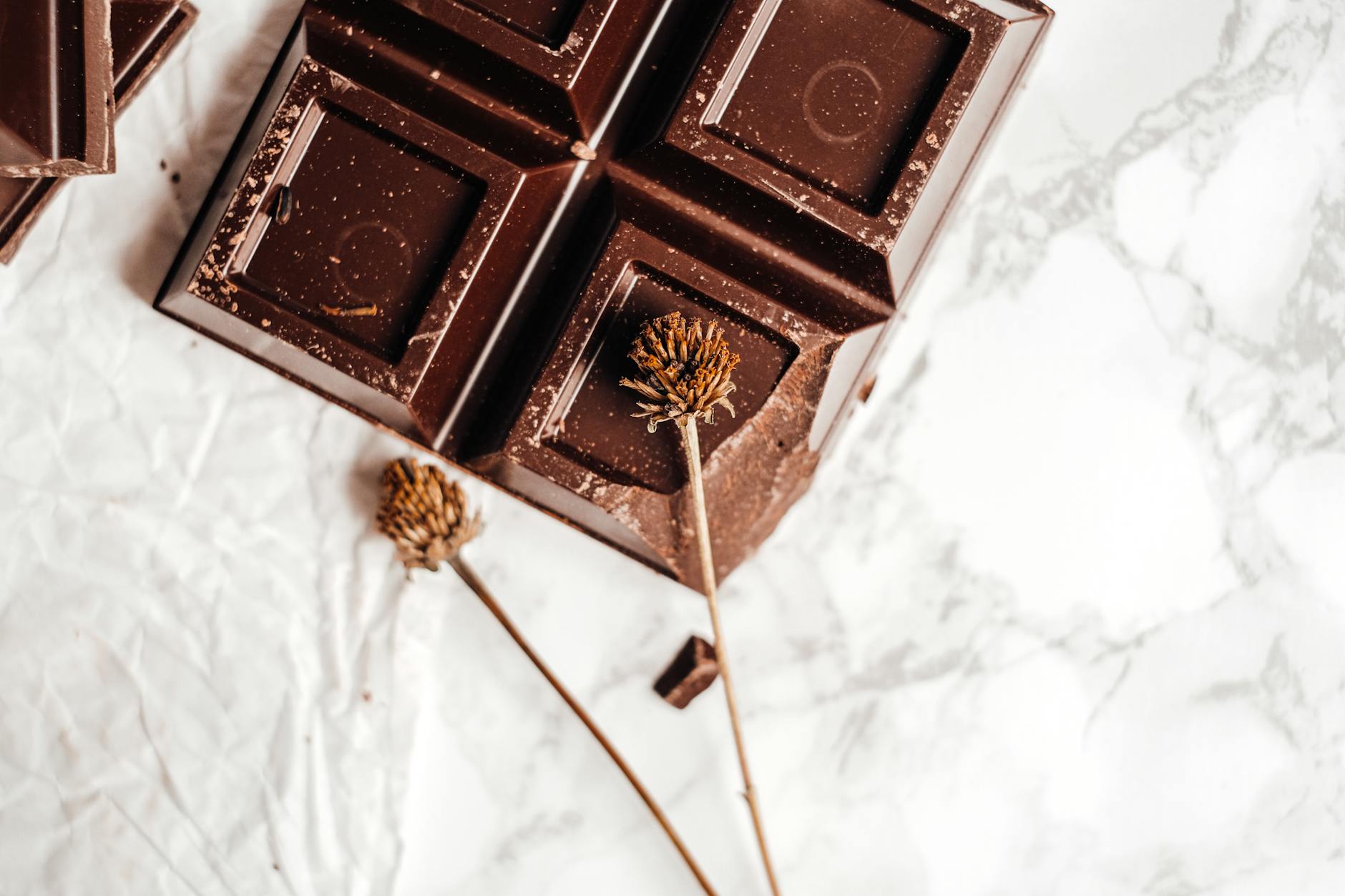
📷 Photo by Vie Studio on Pexels — Free to use under the Pexels License
Step-by-Step Instructions
Success in the kitchen begins with *mise en place*. Before you even think about melting chocolate, ensure your eggs are at room temperature. Cold eggs can cause the melted chocolate and butter to seize, ruining your emulsion. Pre-heat your oven to a precise 425°F (218°C). If your oven runs hot or cold, use an oven thermometer—accuracy is the difference between lava and a brownie. For more delicious ideas, explore our delicious dessert recipes collection.
- Step 1 — Prepare the Vessels: Generously grease four 6-ounce (170ml) ramekins with softened butter. Be thorough; any missed spot will cause the cake to tear when you unmold it. Dust the inside with cocoa powder, tapping out the excess. This creates a “non-stick” barrier that also adds a subtle crust.
- Step 2 — Melt the Foundation: In a double boiler or a heat-proof bowl set over simmering water (ensure the water doesn’t touch the bowl), combine the chopped dark chocolate and the butter. Stir gently until completely smooth. Remove from heat and let it cool for about 5 minutes. This prevents the heat from scrambling the eggs in the next step.
- Step 3 — Aerate the Eggs: In a separate large bowl, combine the 2 whole eggs, 2 egg yolks, sugar, salt, and vanilla. Using a whisk or a hand mixer, beat the mixture vigorously for about 2-3 minutes until it becomes pale, thick, and slightly foamy. This is where we build the cake’s structure.
- Step 4 — Combine and Emulsify: Slowly pour the slightly cooled chocolate-butter mixture into the egg mixture. Using a rubber spatula, fold the two together gently. You want to see a glossy, uniform mahogany color without any streaks. This is the emulsification process in action.
- Step 5 — Incorporate the Flour: Sift the flour over the chocolate mixture. Sifting is crucial to prevent lumps. Fold the flour in very gently until just combined. Over-mixing at this stage will develop too much gluten, making the cake tough.
- Step 6 — The Precision Bake: Divide the batter evenly among the prepared ramekins. Place them on a baking sheet and bake for exactly 11 to 13 minutes. The sides should be firm and set, but the center should still have a noticeable “jiggle” when you gently shake the tray. Let them rest for 1 minute—this allows the outer wall to stabilize—then carefully invert onto plates.
Expert Tips from Years of Kitchen Experience
What separates a restaurant-quality lava cake from a home-baked one is often the attention to the smallest details. Over the years, I’ve realized that the “resting” period is just as important as the baking period. If you try to unmold the cake the second it leaves the oven, the structural integrity is too weak, and it will likely collapse. That 60 to 90 seconds of resting allows the proteins to firm up just enough to hold the weight of the molten center.
- Temperature Control: Ensure your eggs are truly at room temperature. If they are cold, they will rapidly cool the cocoa butter in the chocolate, causing it to crystallize and making your batter thick and difficult to fold. This results in a heavy, dense cake.
- Ingredient Quality: Use the best chocolate you can afford. Since chocolate is the primary flavor, any “off” notes or excess sugar in a cheap bar will be magnified. I look for chocolate that has a high percentage of cocoa solids and a clean list of ingredients (cocoa mass, sugar, cocoa butter, and maybe vanilla).
- Timing and Patience: Every oven is different. The first time you make this, bake one “test” cake. Note the exact time it takes to get that perfect jiggle. Once you find the “magic number” for your specific oven, you can bake the rest with total confidence.
- Seasoning Balance: Don’t be afraid of the salt. Chocolate is naturally bitter and complex; salt acts as a flavor enhancer that makes the chocolate taste “more like chocolate.” A tiny pinch of espresso powder can also be added to the flour to further deepen the earthy notes of the cacao.
Nutritional Benefits and Health Insights
While the chocolate lava cake is undoubtedly an indulgent dessert, its primary ingredient—dark chocolate—is a nutritional powerhouse when consumed in moderation. Dark chocolate with a high cacao percentage is rich in flavonoids, specifically flavanols, which have been shown to support cardiovascular health by improving blood flow and lowering blood pressure. A single serving of this cake provides a significant amount of magnesium (about 15-20% of your daily value), which is essential for muscle function and stress regulation. It also contains notable amounts of iron and copper, minerals vital for red blood cell production.
From a macro perspective, one individual lava cake typically contains approximately 350 to 450 calories, with about 6 grams of protein and 28 grams of fat. However, because we use real butter and eggs, these are “whole food” fats rather than the trans-fats found in many processed snacks. For those with dietary restrictions, this recipe is incredibly easy to adapt. You can substitute the all-purpose flour with a high-quality gluten-free 1-to-1 blend without losing the structural integrity, as the flour content is so low. For a lower-glycemic option, coconut sugar can be used in place of granulated sugar, providing a deeper, caramel-like undertone. For more delicious ideas, explore our easy lunch ideas collection.
Creative Variations and Dietary Adaptations
The beauty of the lava cake is its versatility. Once you master the base technique, you can treat the center as a canvas for flavor experimentation. One of my favorite variations is the “Salted Caramel Core.” To do this, simply drop a small frozen cube of salted caramel into the center of the batter in the ramekin before baking. The result is a dual-layered molten effect that is absolutely divine.
- The Mexican Spiced Twist: Add 1/2 teaspoon of ground cinnamon and a tiny pinch of ancho chili powder to the flour. The subtle heat of the chili elevates the chocolate’s richness and provides a warming sensation that complements the molten center perfectly.
- The White Chocolate Matcha Version: Substitute the dark chocolate for high-quality white chocolate and add 1 tablespoon of culinary-grade matcha powder to the flour. This creates a vibrant green cake with a creamy, earthy molten center.
- Vegan Adaptation: Use a high-quality vegan butter substitute and replace the eggs with a “flax egg” (1 tbsp ground flaxseed mixed with 3 tbsp water per egg) or a commercial egg replacer. Use a dairy-free dark chocolate. While the texture will be slightly denser, the molten effect is still achievable.
- The “Nutella” Center: For an easy hazelnut twist, place a tablespoon of hazelnut cocoa spread in the middle of the batter. It remains perfectly liquid and adds a nostalgic, nutty profile to the dark chocolate.
Frequently Asked Questions
Why did my lava cake come out completely solid like a muffin?
This is almost always a result of over-baking or an inaccurate oven temperature. If your oven is too cool, the cake takes longer to set, allowing the heat to penetrate the center and cook it through before the outside is firm. Conversely, if you leave it in just 2 minutes too long, the “lava” will solidify. Use an oven thermometer and look for the “jiggle”—the center should look slightly underdone when you pull it out.
Can I prepare the batter in advance?
Yes! This is one of the best “dinner party” hacks. You can prepare the batter, pour it into the ramekins, and refrigerate them for up to 24 hours. When you are ready to serve, bake them directly from the fridge. You will likely need to add 1-2 minutes to the baking time to account for the cold batter. This actually helps ensure a liquid center because the middle stays cold longer while the outside bakes.
How do I prevent the cake from sticking to the ramekin?
The key is the “double-coat” method. First, use softened (not melted) butter to coat every millimeter of the ramekin’s interior. Second, use cocoa powder instead of flour to dust the surface. The fat in the butter creates a barrier, and the cocoa powder provides a tiny amount of “grit” that allows the cake to slide right out. Always run a thin knife around the edge before inverting.
Is it safe to eat the “undercooked” center?
Because the cake is baked at such a high temperature (425°F), the internal temperature of the molten center typically reaches 160°F (71°C). This is the temperature at which salmonella is destroyed. As long as you are using fresh, high-quality eggs and the center is hot to the touch, it is considered safe for consumption by most culinary standards.
Final Thoughts
The chocolate lava cake is more than just a dessert; it is a celebration of contrast. It is hot and cool, solid and liquid, sweet and bitter. Every time I bake these, I am reminded that cooking is a language of love and precision. There is a profound joy in seeing a guest’s face light up as they take that first bite and the chocolate begins to flow across the plate. Don’t be discouraged if your first attempt isn’t “picture perfect”—even a “failed” lava cake is still a delicious, warm chocolate cake. Embrace the process, trust the science, and most importantly, enjoy the decadence. Go ahead, put your ramekins in the oven and wait for the magic to happen. Your kitchen is about to become the best bistro in town.