


?? In This Article
- The Rich History and Cultural Roots of This Dish
- Why This Recipe Works: The Food Science Behind It
- Complete Ingredient Breakdown
- Step-by-Step Instructions
- Expert Tips from Years of Kitchen Experience
- Nutritional Benefits and Health Insights
- Creative Variations and Dietary Adaptations
- Frequently Asked Questions
- Final Thoughts
I still remember the first time I tasted a proper Mediterranean spread at a tiny family-run taverna in Santorini. The owner, Maria, served me a simple plate of chickpeas, crisp vegetables, and creamy hummus—all drizzled with golden olive oil. “This is our lunch every day,” she told me with a smile. “Fast, fresh, and full of life.” That moment changed how I thought about quick meals. No sad sandwiches or reheated leftovers—just vibrant, satisfying food that comes together in minutes. Today, I’m sharing my streamlined version of that Mediterranean magic, perfect for busy weekdays when you need lunch on the table fast without sacrificing flavor or nutrition.
The Rich History and Cultural Roots of This Dish
The Mediterranean chickpea bowl is essentially a deconstructed mezze platter—a tradition that dates back over 2,000 years to the Ottoman Empire. Mezze, which means “to taste” in Arabic, originated as small shared plates served in Levantine households. These communal dishes were designed to showcase seasonal ingredients with minimal preparation, making them ideal for midday meals when time was precious. Chickpeas, one of the oldest cultivated crops, have been a staple in the region since 7000 BCE, prized for their versatility and nutritional value.
In modern Mediterranean cuisine, chickpeas appear in countless forms: mashed into hummus, fried into falafel, or simply tossed with olive oil and spices. The bowl format we’re exploring today reflects the region’s emphasis on balance—combining protein-rich legumes with fresh vegetables, healthy fats, and complex carbohydrates. This approach aligns with the Mediterranean diet, consistently ranked as one of the world’s healthiest eating patterns. What’s fascinating is how this simple combination has traveled across cultures, from Greek tavernas to Lebanese street food stalls, each adding their unique twist while maintaining the core philosophy of fresh, accessible ingredients.
Historically, these meals were prepared using whatever was available in the pantry or garden. The beauty of the Mediterranean chickpea bowl lies in its adaptability—it’s less about strict recipes and more about understanding flavor pairings. For instance, the combination of chickpeas with tahini (sesame paste) creates a complete protein, a nutritional hack that ancient cultures discovered long before modern science confirmed it. This lunch idea embodies the Mediterranean spirit: nourishing, sustainable, and designed to be enjoyed without fuss.
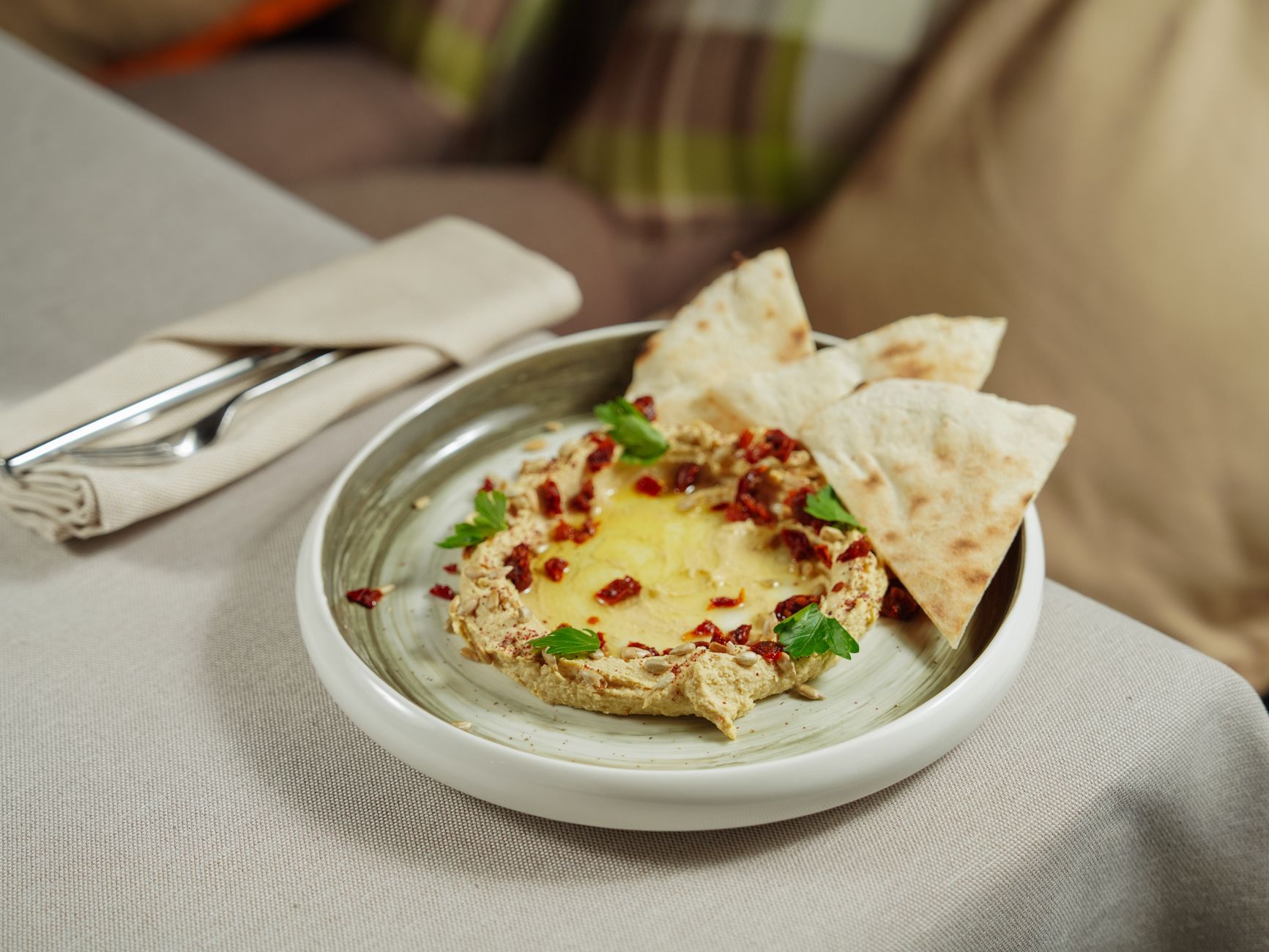
?f?? Photo by Nadin Sh on Pexels – Free to use under the Pexels License
Why This Recipe Works: The Food Science Behind It
The success of this Mediterranean chickpea bowl hinges on several key food science principles. First, let’s talk about texture contrast—the foundation of satisfying eating experiences. The recipe combines creamy chickpeas (thanks to their high starch content) with crisp cucumbers and juicy tomatoes. This interplay of textures triggers multiple sensory receptors in our mouths, making each bite more engaging. The chickpeas themselves undergo a fascinating transformation when cooked: their outer skins soften while the interiors remain slightly firm, creating that perfect “pop” when bitten.
According to USDA FoodData Central, nutritional data and food composition plays an important role in understanding food preparation and nutrition.
Then there’s the Maillard reaction at work in the toasted pita. When the bread’s proteins and sugars are exposed to dry heat (around 310°F/155°C), they undergo a complex series of chemical reactions that produce hundreds of new flavor compounds. This is why store-bought pita tastes so different from freshly toasted—those golden-brown spots aren’t just for looks; they’re flavor factories. The tahini dressing demonstrates another crucial principle: emulsification. Tahini’s natural oils separate when stored, but when whisked with lemon juice and water, the acid helps stabilize the mixture by breaking down the oil droplets into smaller particles that stay suspended. This creates that luxurious, creamy texture that coats every ingredient.
Nutritionally, this bowl is a masterclass in complementary proteins. Chickpeas provide lysine but are low in methionine, while tahini (made from sesame seeds) contains methionine but lacks lysine. Together, they form a complete protein with all nine essential amino acids. The olive oil contributes heart-healthy monounsaturated fats that help your body absorb fat-soluble vitamins (A, D, E, and K) from the vegetables. Even the lemon juice plays a role beyond flavor—its vitamin C enhances iron absorption from the chickpeas, a clever biological synergy that ancient cultures intuitively understood long before nutrition science existed.
Complete Ingredient Breakdown
Let’s examine each component of this Mediterranean chickpea bowl, understanding not just what to use but why it matters. I’ve organized the ingredients by their role in the dish, with notes on quality considerations and substitutions.
According to PubMed Central, peer-reviewed food science studies plays an important role in understanding food preparation and nutrition.
The Base
- Chickpeas (400g canned or 150g dried): The star of the show. Canned chickpeas save time but choose varieties with no added salt when possible. If using dried, soak overnight and cook until tender (about 45 minutes). Chickpeas provide 14.5g protein and 12.5g fiber per cooked cup, along with iron and folate. Their mild, nutty flavor makes them the perfect canvas for other ingredients.
- Whole wheat pita (2 pieces, 6-inch): Look for pita with a pocket—it should puff up when heated, indicating proper gluten development. Whole wheat provides more fiber (4g per pita) and nutrients than white flour. For gluten-free, use flatbread made from chickpea flour or serve over quinoa.
- Cucumber (1 medium, about 200g): Persian or English cucumbers work best—they’re sweeter and have fewer seeds than regular cucumbers. Their high water content (95%) provides hydration and a refreshing crunch. One cup contains only 16 calories but delivers 14% of your daily vitamin K.
- Cherry tomatoes (200g): The smaller the tomato, the sweeter it tends to be. Cherry tomatoes have higher lycopene content (a powerful antioxidant) than larger varieties because of their greater skin-to-flesh ratio. Their natural acidity balances the richness of the tahini.
- Red onion (1/4 medium, about 50g): Thinly sliced and briefly soaked in cold water to mellow its sharpness. Red onion contains quercetin, a flavonoid with anti-inflammatory properties. For milder flavor, substitute shallots or scallions.
- Kalamata olives (60g): These Greek olives add a briny depth that’s irreplaceable. Their dark purple color comes from anthocyanins, the same antioxidants found in blueberries. Look for olives packed in brine rather than vinegar for better flavor. For lower sodium, rinse briefly before using.
- Fresh parsley (1/4 cup, about 15g): Flat-leaf parsley has a cleaner, more robust flavor than curly parsley. It’s rich in vitamin K (133% DV per 1/4 cup) and contains apigenin, a compound being studied for its potential cancer-fighting properties. Mint makes a refreshing alternative.
- Feta cheese (60g): Traditional Greek feta is made from sheep’s milk and aged in brine, giving it a tangy, slightly crumbly texture. It provides calcium (14% DV per ounce) and conjugated linoleic acid, a fatty acid linked to various health benefits. For vegan versions, use marinated tofu or store-bought vegan feta.
- Tahini (60g): Made from ground sesame seeds, tahini is rich in healthy fats (8g per tablespoon) and minerals like copper and manganese. The best tahini is smooth, not bitter, and separates naturally—stir before using. For nut allergies, substitute sunflower seed butter.
- Lemon juice (30ml): Freshly squeezed is non-negotiable—the bottled stuff lacks the bright, complex notes. One lemon provides 31% of your daily vitamin C. The acidity not only brightens flavors but also helps preserve the color of the vegetables.
- Garlic (1 clove): When raw, garlic contains allicin, a compound with potent antimicrobial properties. For milder flavor, roast the clove first. Garlic’s sulfur compounds are responsible for its pungent aroma and health benefits.
- Ground cumin (1/2 tsp): This warm, earthy spice contains cuminaldehyde, which may aid digestion. Toasting the seeds before grinding intensifies their flavor. For a smokier taste, substitute smoked paprika.
- Prepare the Chickpeas:
If using canned chickpeas, drain and rinse them well under cold water to remove excess sodium. For an extra boost of flavor, heat 1 tablespoon of olive oil in a skillet over medium heat (350°F/175°C). Add the chickpeas and cook for 3-4 minutes, shaking the pan occasionally, until they’re lightly golden and slightly crispy. This step enhances their texture and helps them absorb the dressing better. Season with a pinch of salt and set aside to cool slightly.
- Toast the Pita:
While the chickpeas are cooling, cut each pita into 8 wedges. Heat a dry skillet over medium-high heat (375°F/190°C) and add the pita pieces in a single layer. Toast for 1-2 minutes per side until golden and crisp. Watch closely—they burn quickly! The Maillard reaction happening here creates new flavor compounds that will make your bowl irresistible. Transfer to a plate and set aside.
- Make the Dressing:
In a small bowl, combine 60g tahini, 30ml lemon juice, 1 minced garlic clove, 1/2 teaspoon ground cumin, and 1/4 teaspoon salt. Whisk vigorously while slowly adding 60ml cold water, one tablespoon at a time. The dressing should be smooth and pourable, with the consistency of heavy cream. If it’s too thick, add more water; if too thin, add a bit more tahini. This emulsification process creates a stable sauce that won’t separate. Taste and adjust seasoning—it should be tangy, nutty, and slightly salty.
- Prep the Vegetables:
Slice the cucumber into half-moons (about 1/4-inch thick). Cut the cherry tomatoes in half. Thinly slice the red onion (use a mandoline if you have one) and soak the slices in cold water for 5 minutes to mellow their sharpness, then drain well. Chop the parsley leaves (discard the thick stems). If using feta, crumble it into bite-sized pieces. This step is all about creating uniform pieces that are easy to eat and visually appealing.
- Assemble the Bowls:
Start by dividing the toasted pita wedges between two bowls. Top with the chickpeas, cucumber, tomatoes, and red onion. Scatter the Kalamata olives and crumbled feta over the top. Drizzle generously with the tahini dressing—don’t be shy! The dressing should coat everything lightly but not drown the ingredients. Finish with a sprinkle of chopped parsley and a few grinds of black pepper.
- Serve Immediately:
This bowl is best enjoyed fresh, while the pita is still crisp and the vegetables are at their peak. The contrast between the warm chickpeas, cool vegetables, and crispy pita creates a perfect bite every time. Serve with extra lemon wedges on the side for those who like it extra tangy. Leftovers can be stored (without the pita) for up to 3 days in the refrigerator—just add fresh pita when ready to eat. For more delicious ideas, explore our breakfast recipe ideas collection.
- Temperature Control:
The tahini dressing is sensitive to temperature. If your kitchen is warm, chill the bowl for 5 minutes before adding the dressing to prevent it from breaking. Tahini contains natural oils that can separate when exposed to heat. Conversely, if your dressing thickens too much in the fridge, let it sit at room temperature for 10 minutes and whisk in a teaspoon of warm water to restore its creamy consistency. This is emulsification in action—the water helps re-suspend the oil droplets in the mixture.
- Ingredient Quality:
Not all chickpeas are created equal. For canned varieties, look for brands that use BPA-free linings and minimal additives. The liquid in canned chickpeas (aquafaba) is a valuable ingredient—don’t discard it! It can be whipped into vegan meringues or used as an egg substitute. For dried chickpeas, soak them in plenty of water with a pinch of baking soda to soften their skins. This alkaline environment helps break down the pectin in the skins, resulting in creamier chickpeas. I always cook a big batch and freeze extras for future meals.
- Timing and Patience:
Resist the urge to rush the vegetable prep. Uniform slicing isn’t just about aesthetics—it ensures even distribution of flavors and textures. For instance, if your cucumber slices are too thick, they’ll dominate each bite; too thin, and they’ll get lost. The same goes for the chickpeas—if you’re using canned, don’t skip the rinsing step. The starchy liquid they’re packed in can make your bowl taste flat and overly processed. One trick I discovered: after rinsing, pat the chickpeas dry with a clean towel before toasting. This helps them crisp up beautifully in the pan.
- Seasoning Balance:
The key to a memorable Mediterranean bowl is balancing the five basic tastes: sweet (tomatoes), salty (olives, feta), sour (lemon), bitter (parsley), and umami (chickpeas, tahini). Taste as you go and adjust accordingly. If your bowl tastes flat, add a squeeze of lemon or a pinch of salt. If it’s too sharp, balance it with a drizzle of honey or a few more olives. Remember that flavors develop over time, so let the assembled bowl sit for 5 minutes before serving—this allows the ingredients to mingle and the dressing to penetrate the vegetables slightly.
The Vegetables
The Flavor Boosters
The Dressing
Step-by-Step Instructions
This recipe comes together in just 10 minutes, but the key is organization. Before you start, gather all your ingredients and equipment—this is your mise en place. You’ll need a large bowl for assembling, a small bowl for the dressing, a sharp knife, a cutting board, and a whisk. If you’re using dried chickpeas, they should be cooked and cooled ahead of time. The beauty of this dish is that it’s forgiving—quantities can be adjusted to taste, and ingredients can be swapped based on what’s available.
Expert Tips from Years of Kitchen Experience
After making this dish hundreds of times—from quick weeknight lunches to impressive dinner party spreads—I’ve learned what separates a good Mediterranean bowl from an outstanding one. These tips come from years of experimentation, mistakes, and happy accidents in the kitchen.
Nutritional Benefits and Health Insights
This Mediterranean chickpea bowl isn’t just delicious—it’s a nutritional powerhouse that aligns with current dietary recommendations. Let’s break down the health benefits of its key components and how they work together to create a balanced meal.
Each serving (about 2 cups) provides approximately 550 calories, with a macronutrient breakdown of 22g protein, 28g fat (mostly heart-healthy unsaturated fats), and 60g carbohydrates (including 15g fiber). The fiber content is particularly impressive—meeting 60% of the daily value in one meal. This high fiber content supports digestive health, helps regulate blood sugar levels, and promotes satiety, making this an excellent choice for weight management.
The chickpeas are the protein stars, offering 14.5g per cup. But their benefits go beyond protein: they’re rich in folate (35% DV per cup), which is crucial for DNA synthesis and cell division, making this an excellent meal for pregnant women. They also contain resistant starch, a type of fiber that acts as a prebiotic, feeding the beneficial bacteria in your gut. The tahini contributes healthy fats and minerals like copper (27% DV per tablespoon), which plays a role in energy production and iron metabolism.
The vegetables in this bowl provide a rainbow of antioxidants. The lycopene in tomatoes (which becomes more bioavailable when heated) has been linked to reduced risk of heart disease and certain cancers. Cucumbers, with their high water content, contribute to hydration and provide silica, a compound that supports skin health. The olives offer oleuropein, a polyphenol with anti-inflammatory properties. Even the lemon juice plays a nutritional role—its vitamin C enhances iron absorption from the chickpeas, while its citric acid may help prevent kidney stones.
For those with dietary restrictions, this bowl is naturally gluten-free (when using gluten-free pita), dairy-free (when omitting feta), and vegan (with the feta substitution). The healthy fats from olive oil and tahini help your body absorb fat-soluble vitamins from the vegetables, demonstrating how the Mediterranean diet’s combination of ingredients creates nutritional synergy. This meal also fits within the principles of the DASH diet (Dietary Approaches to Stop Hypertension) due to its emphasis on whole foods, healthy fats, and low sodium content (when prepared with minimal added salt). For more delicious ideas, explore our dinner recipe collection collection.
Creative Variations and Dietary Adaptations
One of the joys of this Mediterranean chickpea bowl is its versatility. Here are several creative variations that keep the spirit of the dish while adapting to different dietary needs, flavor preferences, and seasonal ingredients. Each variation maintains the core principles of balance and freshness while offering something new to explore.
1. Spicy Harissa Bowl
For those who love heat, this North African-inspired version incorporates harissa paste, a fiery chili condiment. Replace the tahini dressing with a mixture of 2 tablespoons harissa paste, 3 tablespoons Greek yogurt (or coconut yogurt for vegan), 1 tablespoon lemon juice, and 1 minced garlic clove. Add roasted red peppers (jarred is fine) and swap the parsley for cilantro. The harissa’s capsaicin not only adds heat but may also boost metabolism and reduce inflammation. Top with toasted pine nuts for crunch and a drizzle of honey to balance the spice.
2. Meal-Prep Friendly Mason Jar Version
To make this bowl portable, layer the ingredients in a wide-mouth mason jar in this order: dressing at the bottom, followed by chickpeas, olives, feta, cucumbers, tomatoes, and finally the pita wedges in a separate bag. When ready to eat, shake the jar to distribute the dressing, then pour into a bowl and add the pita. This method keeps the vegetables crisp for up to 4 days. For extra protein, add a layer of marinated grilled chicken or chickpea-based “tuna” salad made with mashed chickpeas, vegan mayo, and celery.
3. Roasted Vegetable Winter Bowl
Perfect for colder months, this version features roasted vegetables that caramelize in the oven, adding depth of flavor. Toss 2 cups of cubed butternut squash and 1 sliced red bell pepper with 1 tablespoon olive oil, 1/2 teaspoon smoked paprika, and salt. Roast at 400°F (200°C) for 25 minutes until tender. Replace the fresh tomatoes with sun-dried tomatoes for concentrated sweetness. The roasting process enhances the vegetables’ natural sugars through caramelization, while the smoked paprika adds a subtle warmth that pairs beautifully with the tahini.
4. Protein-Packed Greek Gyro Bowl
Transform this into a heartier meal by adding gyro-style elements. Marinate 200g of thinly sliced chicken breast or seitan in 2 tablespoons lemon juice, 1 tablespoon olive oil, 1 teaspoon dried oregano, 1 minced garlic clove, and 1/2 teaspoon salt for at least 30 minutes. Cook in a hot skillet for 3-4 minutes per side. Assemble the bowl with the marinated protein, add sliced red cabbage for crunch, and replace the tahini dressing with tzatziki (Greek yogurt mixed with grated cucumber, garlic, and dill). This version provides 35g protein per serving, making it ideal for post-workout meals.
5. Vegan Buddha Bowl with Turmeric Tahini
Give this bowl an anti-inflammatory boost by adding turmeric to the tahini dressing (1/2 teaspoon ground turmeric). Include massaged kale instead of cucumber for extra nutrients, and add avocado slices for creaminess. Top with pickled red onions (soak sliced onions in apple cider vinegar and a pinch of sugar for 30 minutes) and toasted pumpkin seeds. The turmeric’s curcumin, combined with the black pepper in the dressing, creates a powerful anti-inflammatory effect. This version is particularly rich in vitamin K, providing 120% of the daily value per serving.
Frequently Asked Questions
Why does my tahini dressing always separate?
Tahini dressing separates because tahini is essentially sesame paste with a high oil content. When mixed with liquids, the oil naturally wants to rise to the top. The key to a stable emulsion is adding the liquid slowly while whisking vigorously. Start with just a teaspoon of water or lemon juice and whisk until fully incorporated before adding more. The acid in lemon juice helps stabilize the emulsion by breaking down the oil droplets into smaller particles that stay suspended. If your dressing does separate, don’t worry—just whisk it back together. For extra stability, you can add 1/2 teaspoon of Dijon mustard, which acts as an emulsifier thanks to its lecithin content.
Can I make this bowl ahead for meal prep?
Absolutely! This bowl is excellent for meal prep, but there are a few tricks to keep it fresh. Store the components separately in airtight containers: keep the dressing in a small jar, the vegetables in one container (without the cucumber, which gets soggy), and the chickpeas in another. The pita should be stored at room temperature in a paper bag to maintain crispness. When ready to eat, assemble everything fresh. The vegetables will stay crisp for 3-4 days, while the chickpeas and dressing will last 5 days in the refrigerator. If you must store the assembled bowl, keep the dressing separate until serving and add the pita just before eating. For best results, store the cucumber separately and add it fresh—its high water content makes it prone to wilting.
How can I make this bowl lower in carbohydrates?
To reduce the carb content, focus on the components with the highest carbohydrate density: the pita and chickpeas. Replace the pita with a base of massaged kale or shredded cabbage for crunch. For the chickpeas, reduce the portion to 1/2 cup per serving and bulk up the bowl with additional low-carb vegetables like zucchini, bell peppers, or roasted eggplant. The tahini dressing is naturally low-carb, but you can make it even lighter by thinning it with more water and lemon juice instead of adding extra tahini. Another option is to include more protein—add grilled chicken, shrimp, or tofu to make the meal more filling without increasing carbs. These adjustments can reduce the carb content by up to 50% while maintaining the dish’s satisfying qualities.
What’s the best way to reheat the chickpeas if I’m meal prepping?
The best method for reheating chickpeas depends on how you plan to use them. For this bowl, I recommend reheating them separately from the other components to maintain texture. Spread the chickpeas on a baking sheet and warm them in a 300°F (150°C) oven for 10-12 minutes. This gentle heat revives their texture without making them mushy. Alternatively, heat them in a dry skillet over medium heat for 3-4 minutes, shaking the pan occasionally. Avoid microwaving, as it can make the chickpeas mealy. If you’ve toasted the chickpeas for extra crispiness, reheat them in the oven to preserve that texture. Always add the reheated chickpeas to the bowl just before serving to prevent them from making the other ingredients soggy.
Final Thoughts
There’s something magical about a meal that comes together in minutes yet tastes like it’s been simmering for hours. This Mediterranean chickpea bowl has become my go-to lunch for those days when time is short but my body craves real, nourishing food. What I love most about this dish is how it proves that fast food doesn’t have to mean processed or unhealthy—it can be vibrant, satisfying, and packed with nutrients.
I encourage you to make this recipe your own. Swap in your favorite vegetables, experiment with different herbs, or try one of the variations I’ve shared. The first time I made this for friends, I was nervous about serving something so simple, but their enthusiasm reminded me that the best meals often are. One friend even told me it was the first time she’d felt truly satisfied by a vegetarian meal—no post-lunch energy crash, just steady energy and contentment.
Remember that cooking is as much about the process as it is about the result. The rhythmic chopping of vegetables, the satisfying whisk of the tahini dressing, the vibrant colors coming together on your plate—these are the moments that make cooking worthwhile. So next time you’re tempted to order takeout for lunch, give this bowl a try. Your body (and your wallet) will thank you. And who knows? You might just discover your new favorite way to enjoy a quick, delicious lunch.