


?? In This Article
- The Rich History and Cultural Roots of Quick Cooking
- Why This Recipe Works: The Food Science Behind It
- Complete Ingredient Breakdown
- Step-by-Step Instructions
- Expert Tips from Years of Kitchen Experience
- Nutritional Benefits and Health Insights
- Creative Variations and Dietary Adaptations
- Frequently Asked Questions
- Final Thoughts
I’ll never forget the first time I tried to cook dinner after a 12-hour workday. My fridge was nearly empty, my energy was gone, and my family was hungry. I tossed some ground turkey, canned tomatoes, and spices into a pan, crossed my fingers, and hoped for the best. What emerged 20 minutes later was a rich, aromatic chili that tasted like it had simmered for hours—not the sad, watery mess I feared. That night, I learned a truth every home cook needs to know: quick dinners don’t have to be boring, bland, or unhealthy. With the right techniques and ingredients, you can create meals that are fast, flavorful, and even nutritious—all in under 30 minutes.
What makes these meals work isn’t just speed; it’s strategy. It’s about understanding how heat transforms ingredients, how flavors layer, and how to maximize efficiency without cutting corners. Whether you’re a parent juggling homework and soccer practice or a professional squeezing in a meal between Zoom calls, these dinners are designed to save time without sacrificing the joy of homemade food. Let’s dive into the science, history, and practical tips behind making quick dinners that taste like they took all day.
The Rich History and Cultural Roots of Quick Cooking
Fast cooking isn’t a modern invention—it’s a necessity that spans cultures and centuries. Take stir-frying, for example. This technique originated in China over 1,500 years ago during the Han Dynasty, when fuel was scarce and cooking had to be efficient. The wok’s high, sloped sides and thin metal allowed for rapid heat distribution, while the quick-cooking method preserved the texture and nutrients of vegetables and proteins. Stir-frying became a cornerstone of Chinese cuisine, and its influence spread across Asia, giving rise to dishes like Thai pad see ew, Japanese yakisoba, and Korean bibimbap.
In the Mediterranean, quick-cooking methods like sautéing and grilling have long been staples. The Greeks perfected the art of the souvlaki, skewering marinated meat and grilling it over open flames for a fast, flavorful meal. Meanwhile, in Italy, the concept of cucina povera—”peasant cooking”—relied on simple, affordable ingredients like pasta, tomatoes, and olive oil to create satisfying meals in minutes. Dishes like aglio e olio (garlic and oil pasta) and cacio e pepe (cheese and pepper pasta) were born from this tradition, proving that minimal ingredients and time could yield extraordinary results.
In the Americas, quick-cooking techniques evolved alongside the availability of ingredients. Native American tribes used hot stones to cook thinly sliced meats and vegetables rapidly, while Mexican cuisine embraced the sofrito—a blend of onions, garlic, and tomatoes sautéed quickly to form the flavor base for countless dishes. The rise of canned goods in the 20th century further revolutionized quick cooking, making it possible to whip up meals like chili, stews, and casseroles in record time. Today, these global traditions remind us that fast food doesn’t have to mean processed or unhealthy—it can be fresh, vibrant, and deeply satisfying.

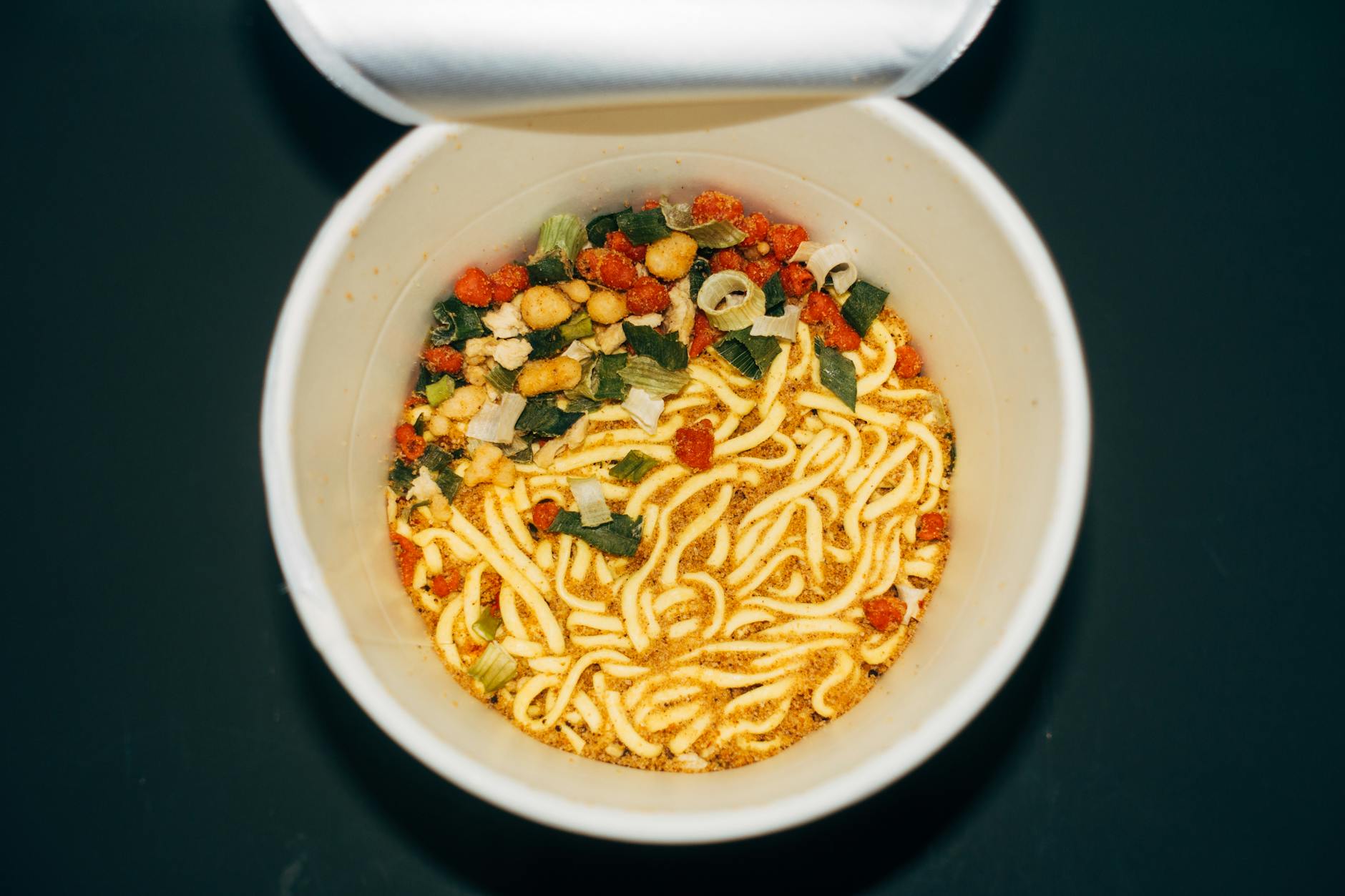
?f?? Photo by Aperture Photography on Pexels – Free to use under the Pexels License
Why This Recipe Works: The Food Science Behind It
The secret to a great 30-minute dinner lies in understanding how heat and time interact with ingredients. Take the Maillard reaction, for example—the chemical process that gives browned meat and toasted bread their rich, complex flavors. This reaction occurs when amino acids and reducing sugars are exposed to high heat (around 300–350°F or 150–175°C), creating hundreds of new flavor compounds. In quick-cooking methods like searing or stir-frying, the Maillard reaction happens in minutes, giving dishes like pan-seared chicken or caramelized onions their irresistible depth.
According to Harvard T.H. Chan School of Public Health, evidence-based nutrition research plays an important role in understanding food preparation and nutrition.
Another key principle is the role of moisture in cooking. When you sauté vegetables, the water they release steams them briefly before evaporating, which softens them while preserving their color and nutrients. This is why stir-frying works so well—it cooks ingredients quickly at high heat, locking in their natural flavors and textures. On the other hand, slow-cooking methods like braising rely on moisture to break down tough fibers over time, which isn’t ideal for quick dinners. Instead, we use techniques like slicing ingredients thinly (to increase surface area and speed up cooking) or pre-cooking certain components (like parboiling potatoes) to shave off precious minutes.
Finally, flavor layering is essential for quick meals. Since we don’t have hours to develop depth, we rely on ingredients that pack a punch: umami-rich soy sauce, tangy vinegar, aromatic garlic and ginger, and fresh herbs. These ingredients work together to create a balanced, satisfying dish in a fraction of the time. Understanding these principles allows you to improvise with confidence, turning whatever’s in your fridge into a delicious meal in minutes.
Complete Ingredient Breakdown
To create a quick dinner that’s both flavorful and nutritious, you need ingredients that cook fast and deliver big on taste. Below is a breakdown of the key components for a versatile, 30-minute stir-fry—one of the fastest and most adaptable meals you can make. Each ingredient is chosen for its ability to contribute flavor, texture, or nutrition in a short amount of time.
According to World Health Organization (WHO), dietary guidelines and healthy eating plays an important role in understanding food preparation and nutrition.
Protein (Choose One)
- Chicken breast (200g / 7 oz, sliced thinly): Lean and quick-cooking, chicken breast is a blank canvas for flavors. Slicing it thinly ensures it cooks in under 5 minutes. For extra tenderness, marinate it in 1 tbsp soy sauce, 1 tsp cornstarch, and 1 tsp rice vinegar for 10 minutes before cooking. This not only adds flavor but also helps retain moisture. Substitution: Swap for shrimp (cooks in 2–3 minutes) or tofu (press and cube for crispiness).
- Ground turkey (200g / 7 oz): A leaner alternative to beef, ground turkey cooks in 5–7 minutes and absorbs flavors well. It’s high in protein (22g per 100g) and low in saturated fat. Substitution: Ground beef or pork for a richer flavor, or lentils for a vegan option.
- Bell peppers (1 medium, sliced): Sweet and crunchy, bell peppers add color and vitamin C (152% DV per cup). They cook in 3–4 minutes and pair well with almost any protein. Substitution: Zucchini or snap peas for a different texture.
- Broccoli (1 cup, florets): High in fiber (2.4g per cup) and vitamin K (92% DV), broccoli adds a satisfying bite. Cut florets small to ensure they cook quickly. Substitution: Cauliflower or green beans.
- Carrots (1 medium, julienned): Sweet and slightly crunchy, carrots add natural sweetness and beta-carotene (428% DV per cup). Julienning them ensures they cook in 2–3 minutes. Substitution: Snow peas or shredded cabbage.
- Soy sauce (1 tbsp): The backbone of the sauce, soy sauce adds saltiness and umami. Opt for low-sodium if you’re watching your salt intake. Substitution: Tamari for a gluten-free option or coconut aminos for a lower-sodium alternative.
- Rice vinegar (1 tsp): Brightens the dish with acidity and balances the richness of the protein. Substitution: Lime juice or apple cider vinegar.
- Sesame oil (1 tsp): Adds a nutty aroma and depth. Use it sparingly—it’s potent! Substitution: Peanut oil for a different flavor profile.
- Honey (1 tsp): Balances the saltiness and adds a touch of sweetness. Substitution: Maple syrup or brown sugar for a vegan option.
- Garlic (2 cloves, minced): Aromatic and pungent, garlic adds complexity. Cook it briefly to mellow its bite. Substitution: Shallots or ginger for a different flavor.
- Cornstarch slurry (1 tsp cornstarch + 1 tbsp water): Thickens the sauce slightly, giving it a glossy finish. Substitution: Arrowroot powder for a gluten-free option.
- Cooked rice (1 cup, per serving): A neutral base that soaks up the sauce. Use day-old rice for stir-fries—it’s less sticky and holds up better. Substitution: Quinoa, noodles, or cauliflower rice for a low-carb option.
- Green onions (2, sliced): Adds a fresh, sharp contrast to the rich sauce. Sprinkle on top just before serving. Substitution: Cilantro or Thai basil for a different herbal note.
- Sesame seeds (1 tsp, toasted): Adds crunch and a subtle nutty flavor. Toast them in a dry pan for 1–2 minutes until golden. Substitution: Crushed peanuts or almonds for extra texture.
- Prep the Ingredients:
Chop all your vegetables into even, bite-sized pieces. Slice the protein thinly (about ¼-inch thick) to ensure it cooks quickly. Mince the garlic and measure out the sauce ingredients. If using rice, cook it ahead of time (or use leftover rice). Have a large bowl or plate ready for the cooked protein and vegetables.
- Heat the Pan:
Place a large skillet or wok over medium-high heat (around 375°F / 190°C). Add 1 tbsp of neutral oil (like vegetable or canola) and swirl to coat the pan. The pan is ready when the oil shimmers slightly. If you’re using a nonstick pan, be careful not to overheat it—high heat can damage the coating.
- Cook the Protein:
Add the protein to the pan in a single layer, leaving space between pieces to allow for even browning. Cook undisturbed for 2–3 minutes, then flip or stir. The protein is done when it’s no longer pink in the center (165°F / 74°C for chicken or turkey). Transfer it to the bowl and set aside. Don’t worry if it’s not fully cooked—it will finish cooking with the vegetables.
- Sauté the Vegetables:
Add a bit more oil to the pan if needed, then add the harder vegetables first (like carrots or broccoli). Stir-fry for 2 minutes, then add the softer vegetables (like bell peppers). Cook for another 2–3 minutes until the vegetables are tender-crisp. If the pan gets too dry, add a splash of water or broth to deglaze and prevent burning.
- Combine and Sauce:
Return the protein to the pan and add the sauce ingredients (soy sauce, rice vinegar, honey, garlic, etc.). Stir everything together and cook for 1–2 minutes until the sauce thickens slightly. If using a cornstarch slurry, add it now and stir until the sauce coats the ingredients evenly.
- Finish and Serve:
Taste and adjust the seasoning if needed—add more soy sauce for saltiness, honey for sweetness, or vinegar for acidity. Sprinkle with green onions and sesame seeds, then serve immediately over rice or noodles. The dish should be vibrant, with a balance of textures and flavors: tender protein, crisp-tender vegetables, and a glossy, aromatic sauce. For more delicious ideas, explore our quick and easy recipes collection.
- Temperature Control:
High heat is your best friend for quick cooking, but it’s easy to burn ingredients if you’re not careful. Use medium-high heat for most quick dinners—it’s hot enough to sear and caramelize but not so hot that you’ll scorch your food. If your pan starts smoking excessively, lower the heat slightly. One trick I use is to preheat the pan for 2–3 minutes before adding oil—this ensures even heat distribution and prevents sticking.
- Ingredient Quality:
Fresh ingredients make a huge difference in quick cooking. Vegetables that are past their prime will release more water, making your stir-fry soggy instead of crisp. Similarly, high-quality proteins (like free-range chicken or wild-caught shrimp) have better texture and flavor. If you’re using frozen vegetables, thaw and pat them dry before cooking to avoid excess moisture. And don’t underestimate the power of fresh herbs—adding cilantro, basil, or green onions at the end brightens up the dish and makes it feel gourmet.
- Timing and Patience:
Rushing is the enemy of a great quick dinner. It’s tempting to crank up the heat and toss everything in at once, but this leads to uneven cooking and bland flavors. Instead, cook ingredients in batches if needed—overcrowding the pan lowers the temperature and steams the food instead of searing it. For example, if you’re making a stir-fry with chicken and vegetables, cook the chicken first, remove it from the pan, then cook the vegetables. Combine them at the end for the best texture.
- Seasoning Balance:
Quick dinners rely on bold flavors, so don’t be shy with seasoning. Taste as you go and adjust accordingly. If a dish tastes flat, it likely needs more salt (soy sauce, fish sauce, or a pinch of salt), acid (vinegar, lime juice), or umami (a dash of Worcestershire sauce or a sprinkle of Parmesan). I love adding a splash of fish sauce to stir-fries—it adds depth without overpowering the dish. And remember, you can always add more seasoning, but you can’t take it away, so start with less and build up.
- Calories: ~450 kcal
- Protein: 35g (70% DV) – Supports muscle repair and keeps you full.
- Carbohydrates: 50g (18% DV) – Mostly from vegetables and rice, providing energy.
- Fiber: 6g (24% DV) – Aids digestion and promotes gut health.
- Fat: 12g (15% DV) – Mostly healthy unsaturated fats from sesame oil and chicken.
- Vitamin C: 180% DV – Boosts immunity and skin health.
- Vitamin A: 150% DV – Supports vision and immune function.
- Iron: 20% DV – Essential for oxygen transport in the blood.
Vegetables (2–3 cups total, chopped into even pieces)
Sauce (2–3 tbsp total)
Base and Garnish
Step-by-Step Instructions
Now that you understand the ingredients, let’s put them together. The key to a successful 30-minute dinner is mise en place—having everything prepped and ready to go before you start cooking. This ensures you can move quickly and avoid overcooking any component. Below is a foolproof method for a stir-fry, but these principles apply to any quick dinner.
Expert Tips from Years of Kitchen Experience
After cooking hundreds of quick dinners, I’ve learned that the difference between a good meal and an outstanding one often comes down to small details. These tips will help you elevate your 30-minute dinners from “good enough” to “restaurant-quality.”
Nutritional Benefits and Health Insights
Quick dinners don’t have to be a nutritional compromise. In fact, many of the techniques and ingredients used in fast cooking—like stir-frying, steaming, and using fresh vegetables—preserve nutrients better than slow-cooking methods. For example, stir-frying locks in vitamins like vitamin C and B vitamins, which are sensitive to heat and can leach out in longer cooking processes. A well-balanced stir-fry can provide a complete meal with protein, fiber, healthy fats, and a variety of vitamins and minerals.
Let’s break down the nutritional profile of our example stir-fry (per serving, using chicken breast and the ingredients listed above):
For those with dietary restrictions, quick dinners can easily be adapted. Use tamari instead of soy sauce for a gluten-free version, or swap honey for maple syrup to make it vegan. To reduce sodium, opt for low-sodium soy sauce and limit added salt. If you’re watching carbs, serve the stir-fry over cauliflower rice or zucchini noodles instead of traditional rice. The beauty of quick dinners is their flexibility—you can tailor them to your nutritional needs without sacrificing flavor or speed. For more delicious ideas, explore our snacks and appetizers collection.
Creative Variations and Dietary Adaptations
One of the best things about quick dinners is their versatility. With a few simple swaps, you can transform a basic stir-fry into a completely different dish. Here are five creative variations to keep your meals exciting and adaptable to different dietary needs.
1. Thai-Inspired Peanut Stir-Fry
Swap the soy sauce-based sauce for a creamy peanut sauce: blend 2 tbsp peanut butter, 1 tbsp soy sauce, 1 tbsp lime juice, 1 tsp honey, 1 tsp sriracha, and 2 tbsp water. Stir-fry chicken or tofu with bell peppers, snap peas, and carrots, then toss with the sauce. Garnish with crushed peanuts and cilantro. This version is rich in healthy fats from the peanut butter and adds a spicy, tangy kick.
2. Mediterranean Lemon-Garlic Shrimp
Replace the soy sauce with 2 tbsp lemon juice, 1 tbsp olive oil, 2 minced garlic cloves, and ½ tsp dried oregano. Stir-fry shrimp with zucchini, cherry tomatoes, and spinach. Serve over couscous or quinoa. This dish is high in omega-3 fatty acids (from the shrimp) and antioxidants (from the tomatoes and spinach).
3. Vegan Chickpea and Spinach Curry
For a plant-based option, sauté 1 diced onion, 2 minced garlic cloves, and 1 tbsp grated ginger. Add 1 tbsp curry powder, 1 can diced tomatoes, and 1 can chickpeas (drained). Simmer for 10 minutes, then stir in 2 cups baby spinach until wilted. Serve over rice. Chickpeas provide 15g of plant-based protein per cup, while spinach adds iron and vitamin K.
4. Spicy Korean Bibimbap
Cook ground beef or tofu with 1 tbsp gochujang (Korean chili paste), 1 tbsp soy sauce, and 1 tsp sugar. Stir-fry with carrots, spinach, and mushrooms. Serve over rice and top with a fried egg. Gochujang adds a spicy, umami-rich flavor, while the egg provides additional protein and healthy fats.
5. Meal-Prep Friendly Burrito Bowls
Cook ground turkey or beef with taco seasoning. Serve over rice or quinoa with black beans, corn, diced avocado, and salsa. Store components separately in the fridge for up to 4 days. This version is high in fiber (from the beans and vegetables) and can be customized with your favorite toppings.
Frequently Asked Questions
Why does my stir-fry turn out soggy instead of crisp?
Sogginess usually happens for two reasons: overcrowding the pan or using vegetables with high water content. When you overcrowd the pan, the temperature drops, and the vegetables steam instead of sear. To fix this, cook in batches if needed, and make sure your pan is hot before adding ingredients. For watery vegetables like zucchini or mushrooms, pat them dry before cooking or add them later in the process. Another trick is to avoid stirring too much—let the vegetables sit for 30 seconds to a minute to develop a slight char before tossing.
Can I meal prep quick dinners in advance?
Absolutely! Many quick dinners are perfect for meal prep. For stir-fries, cook the protein and vegetables separately and store them in the fridge for up to 3 days. Reheat them in a pan or microwave, then combine with the sauce just before serving. Sauces can be prepped ahead of time and stored in small containers. For grain bowls, keep the components separate (protein, grains, vegetables) and assemble when ready to eat. Avoid pre-cutting vegetables like avocados or apples, as they’ll brown quickly—cut them fresh when serving.
How can I make quick dinners gluten-free or dairy-free?
Quick dinners are easy to adapt for dietary restrictions. For gluten-free versions, swap soy sauce for tamari or coconut aminos, and use gluten-free grains like quinoa or rice. For dairy-free meals, avoid butter and cheese, and use plant-based oils (like olive or avocado oil) for cooking. Many quick dinners, like stir-fries or grain bowls, are naturally gluten-free and dairy-free—just double-check your sauces and seasonings. For example, hoisin sauce often contains gluten, so opt for a gluten-free version if needed.
What’s the best way to reheat leftovers without drying them out?
The key to reheating leftovers is to add moisture and heat gently. For stir-fries or grain bowls, sprinkle a few drops of water or broth over the food before microwaving, then cover with a damp paper towel. This creates steam, which prevents drying. For proteins like chicken or shrimp, reheat them in a pan with a splash of oil or sauce to keep them juicy. Avoid reheating in the microwave for too long—heat in 30-second intervals, stirring in between. If you’re reheating rice, add a teaspoon of water and fluff it with a fork to restore its texture.
Final Thoughts
Quick dinners are more than just a time-saver—they’re a celebration of efficiency, creativity, and the joy of homemade food. After years of cooking for busy families, I’ve learned that the best meals aren’t the ones that take hours to prepare, but the ones that bring people together with minimal stress and maximum flavor. Whether it’s a sizzling stir-fry, a hearty grain bowl, or a simple pasta dish, these meals prove that delicious food doesn’t have to be complicated.
I encourage you to experiment with the techniques and variations in this guide. Try swapping ingredients based on what’s in your fridge, or adjust the seasoning to suit your taste. Cooking is as much about intuition as it is about following recipes, and the more you practice, the more confident you’ll become. And remember, even the simplest meals can feel special with a little extra care—whether it’s a sprinkle of fresh herbs, a drizzle of sauce, or a side of crusty bread.
So the next time you’re staring into the fridge at 6 p.m., wondering what to make, take a deep breath and trust the process. With the right ingredients, a few smart techniques, and a willingness to improvise, you can create a meal that’s fast, flavorful, and deeply satisfying. Happy cooking!