


?? In This Article
- The Evolution of Quick Cooking: From Survival to Culinary Art
- The Food Science Behind Fast, Flavorful Meals
- Complete Ingredient Breakdown for Quick Dinners
- Step-by-Step Instructions: The Perfect 30-Minute Stir-Fry
- Expert Tips from Years of Kitchen Experience
- Nutritional Benefits and Health Insights
- Creative Variations and Dietary Adaptations
- Frequently Asked Questions
- Final Thoughts
I still remember the first time I managed to get a full, satisfying dinner on the table in under 30 minutes. It was a Tuesday night, my kids were starving, and I had exactly 27 minutes before soccer practice. What emerged from my kitchen wasn’t just edible – it was delicious. That moment changed how I approached weeknight cooking forever. The secret? It wasn’t about cutting corners, but about working smarter with the right techniques and ingredients. Today, I’m sharing everything I’ve learned about creating quick, nutritious dinners that don’t taste rushed.
The Evolution of Quick Cooking: From Survival to Culinary Art
The concept of quick meals isn’t new – it’s been a necessity throughout human history. Ancient Roman soldiers carried puls, a simple porridge of spelt and water that could be prepared quickly over campfires. In medieval Europe, peasants relied on pottage – a thick stew of whatever vegetables and grains were available, simmered in a single pot. The modern 30-minute meal, however, has its roots in 20th-century innovations.
The real revolution came with the introduction of canned goods in the early 1900s. Suddenly, ingredients that would normally take hours to prepare were available at a moment’s notice. The 1950s brought the first true convenience foods, with TV dinners debuting in 1953. But it was the 1980s that saw the rise of what we now recognize as quick cooking culture. Home cooks began demanding faster recipes without sacrificing quality, leading to the development of techniques like stir-frying (which originated in China but was adapted for Western kitchens) and one-pot meals.
Today’s quick cooking movement is different. We’re not just looking for speed – we want meals that are nutritious, flavorful, and satisfying. The key lies in understanding how to maximize flavor development in minimal time. This means leveraging high-heat cooking methods, using ingredients that cook quickly but deliver big flavor, and mastering the art of multitasking in the kitchen. The most successful 30-minute meals combine time-tested techniques with modern convenience without feeling like shortcuts.

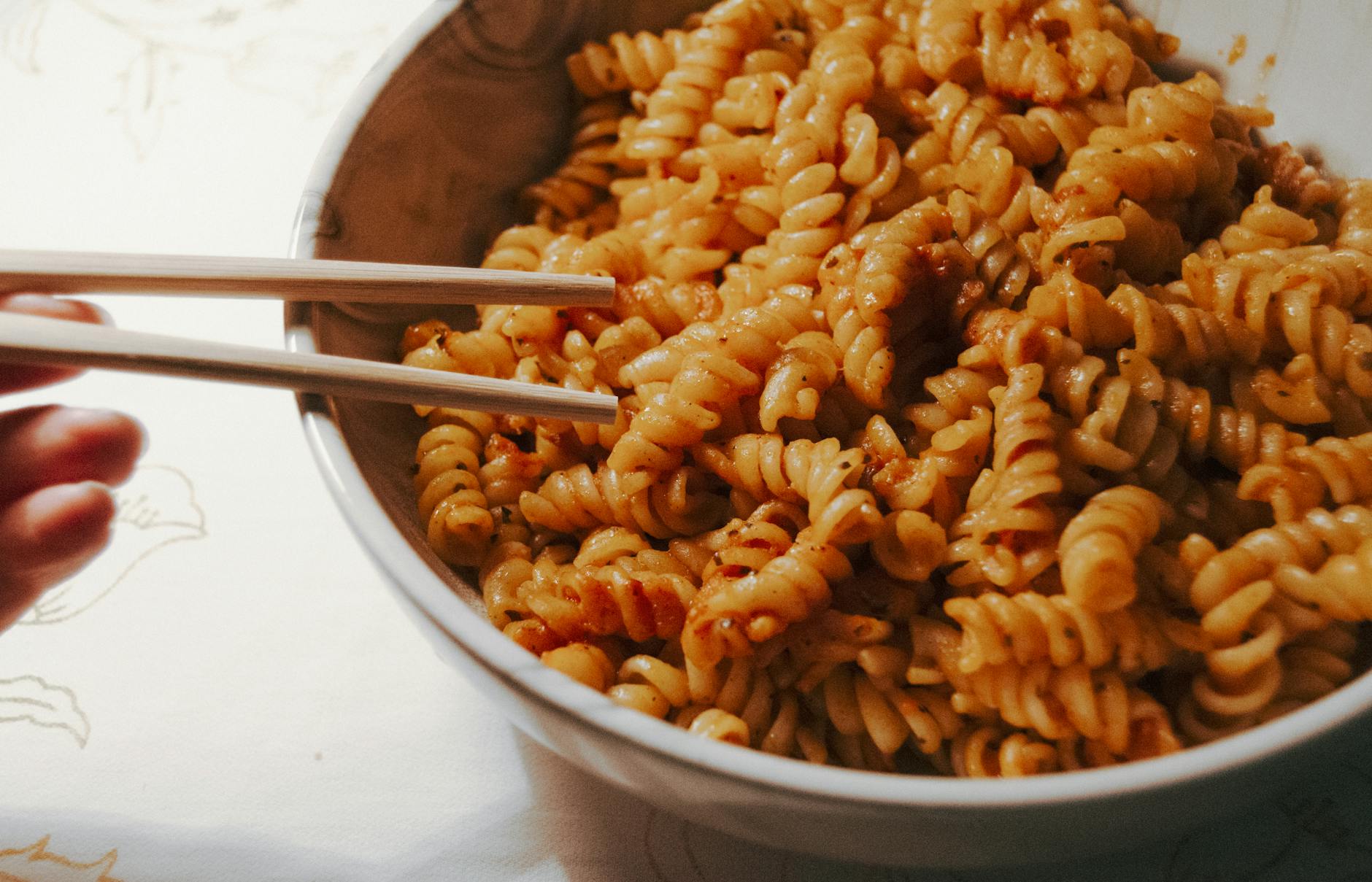
?f?? Photo by Shameel mukkath on Pexels – Free to use under the Pexels License
The Food Science Behind Fast, Flavorful Meals
The biggest challenge with quick cooking is developing deep, complex flavors in a fraction of the time traditional methods require. The solution lies in understanding and manipulating fundamental food chemistry principles. The Maillard reaction – that magical browning process that creates hundreds of new flavor compounds – typically requires temperatures above 300°F (150°C) and time. But we can accelerate it by prepping ingredients properly and using the right cooking methods.
According to Mayo Clinic, nutrition science and health plays an important role in understanding food preparation and nutrition.
Take stir-frying, for example. By cutting ingredients into uniform, small pieces, we increase the surface area exposed to heat, allowing the Maillard reaction to occur more quickly. The high heat of a wok (which can reach 500°F/260°C) creates a sear in seconds. The constant motion prevents burning while ensuring even cooking. This method also preserves more nutrients than boiling or steaming, as the quick cooking time minimizes vitamin loss – particularly important for water-soluble vitamins like vitamin C and B vitamins.
Another key principle is the use of umami-rich ingredients. Umami, the fifth basic taste, enhances savory flavors and creates a sense of satisfaction. Ingredients like soy sauce, Parmesan cheese, tomatoes, mushrooms, and cured meats contain high levels of glutamates and nucleotides that trigger umami receptors. By incorporating these into quick meals, we can create dishes that taste like they’ve simmered for hours when they’ve actually cooked for minutes.
Complete Ingredient Breakdown for Quick Dinners
Successful 30-minute meals start with the right ingredients. The key is selecting components that cook quickly but deliver maximum flavor. Here’s what I always keep on hand for fast, delicious dinners:
According to USDA FoodData Central, nutritional data and food composition plays an important role in understanding food preparation and nutrition.
- Proteins (5-10 minutes cooking time):
- Chicken thighs (boneless, skinless): More forgiving than breasts, they stay juicy even when cooked quickly. One thigh (about 130g) provides 28g protein and 12% of daily iron needs. The higher fat content compared to breasts contributes to richer flavor.
- Ground turkey or lean beef (93% lean): Cooks in 5-7 minutes. A 100g serving provides 22g protein and 2.5mg iron (14% DV). The fine texture allows it to absorb flavors quickly.
- Shrimp (peeled and deveined): Cooks in 2-3 minutes. A 100g serving has 24g protein and only 99 calories. The natural sweetness enhances other flavors in the dish.
- Canned beans (black, chickpeas, kidney): Ready to use, providing fiber (7g per ½ cup) and plant-based protein (7-9g per ½ cup). The starch in beans helps thicken sauces naturally.
- Vegetables (3-8 minutes cooking time):
- Bell peppers: High in vitamin C (152% DV per pepper) and antioxidants. The natural sugars caramelize quickly, adding sweetness. Cut into thin strips for fastest cooking.
- Zucchini: Contains 95% water, so it cooks in 3-4 minutes. Rich in vitamin A (10% DV per cup) and potassium. The mild flavor absorbs other seasonings well.
- Baby spinach: Cooks in 1-2 minutes. Packed with iron (5% DV per cup) and vitamin K (181% DV). The delicate leaves wilt quickly, making them perfect for stir-fries.
- Cherry tomatoes: Burst with flavor when heated, releasing lycopene (a powerful antioxidant). Cook in 2-3 minutes for maximum sweetness.
- Flavor Boosters (instant impact):
- Garlic: Contains allicin, which has anti-inflammatory properties. Mincing releases more flavor than slicing. Cook for 30 seconds to develop flavor without burning.
- Ginger: Contains gingerol, which aids digestion. Fresh ginger adds brightness; powdered adds warmth. Use 1 tsp fresh = ¼ tsp ground.
- Soy sauce (or tamari for gluten-free): Adds umami and saltiness. Contains 920mg sodium per tablespoon, so use sparingly. Reduce by 25% if using with other salty ingredients.
- Lemon juice: Brightens flavors and helps balance richness. Contains 18.6mg vitamin C per tablespoon. Add at the end to preserve vitamin content.
- Pantry Staples (quick assembly):
- Whole wheat or chickpea pasta: Cooks in 8-10 minutes. Whole wheat provides 5g fiber per serving; chickpea pasta offers 13g protein per serving.
- Canned diced tomatoes: Ready to use, providing lycopene and vitamin C. One cup contains 32 calories and 2g fiber.
- Broth (chicken, vegetable, or bone): Adds depth to sauces and stir-fries. Look for low-sodium versions to control salt content. One cup contains 10-15 calories.
- Pre-cooked grains (quinoa, rice, farro): Microwaveable packets save time. Quinoa provides complete protein (8g per cup) and all nine essential amino acids.
- Prep the Protein (5 minutes):
Cut 1 lb (450g) of protein into uniform, bite-sized pieces. For chicken thighs, slice against the grain into ½-inch strips. For shrimp, leave tails on for presentation or remove for easier eating. Pat dry with paper towels – this is crucial for proper browning. Season with ½ tsp salt and ¼ tsp black pepper. In a small bowl, mix 1 tbsp soy sauce, 1 tbsp cornstarch, and 1 tsp sesame oil. Toss the protein in this mixture and let marinate while you prep other ingredients.
- Chop the Vegetables (7 minutes):
Cut vegetables into uniform pieces that will cook at the same rate. For this recipe, use: 1 red bell pepper (julienned), 1 zucchini (sliced into half-moons), 2 cups baby spinach (whole), and 1 cup cherry tomatoes (halved). Mince 3 garlic cloves and 1 tbsp fresh ginger. Measure out 2 tbsp soy sauce, 1 tbsp rice vinegar, 1 tsp honey, and 1 tsp sriracha (optional). Having everything ready prevents scrambling during cooking.
- Preheat the Wok or Skillet (2 minutes):
Heat a 12-inch wok or large skillet over high heat until a drop of water sizzles and evaporates immediately (about 450°F/230°C). Add 1 tbsp neutral oil with a high smoke point (like avocado or grapeseed oil) and swirl to coat. The high heat is essential for proper stir-frying – it creates the wok hei (breath of the wok) that gives authentic stir-fries their characteristic flavor.
- Cook the Protein (4 minutes):
Add the protein in a single layer, leaving space between pieces. Let cook undisturbed for 1-2 minutes to develop a sear. The cornstarch in the marinade creates a light crust through the Maillard reaction. Flip and cook another 1-2 minutes until browned but not fully cooked through. Remove to a plate – it will finish cooking later.
- Stir-Fry the Vegetables (5 minutes):
Add another ½ tbsp oil to the wok. Add the bell pepper and zucchini, stir-frying for 2 minutes. Add the garlic and ginger, cooking for 30 seconds until fragrant. The garlic should sizzle but not brown – if it burns, it will turn bitter. Add the spinach and tomatoes, stir-frying just until the spinach wilts (about 1 minute).
- Combine and Finish (3 minutes):
Return the protein to the wok. Add the sauce ingredients (soy sauce, rice vinegar, honey, sriracha) and toss everything together. Cook for 1-2 minutes until the sauce thickens slightly and coats all ingredients. The cornstarch from the protein marinade will help create a light glaze. Taste and adjust seasoning – you may need a pinch more salt or a squeeze of lemon juice to balance flavors.
- Serve Immediately (1 minute):
Garnish with 2 tbsp chopped cilantro or green onions and 1 tsp sesame seeds. Serve over 1 cup cooked rice or quinoa per person. The dish should be vibrant, with vegetables still slightly crisp and protein juicy. The entire process takes about 27 minutes from start to finish. For more delicious ideas, explore our drinks and beverages collection.
- Temperature Control is Everything:
The biggest mistake home cooks make with quick meals is not using high enough heat. Professional kitchens use burners that reach 20,000 BTUs – your home stove likely maxes out at 12,000. To compensate, preheat your pan for at least 5 minutes before adding food. A properly heated pan should make water droplets dance and evaporate immediately. This high heat creates the Maillard reaction quickly, developing deep flavors in minutes rather than hours.
For stir-frying, use a wok if possible – its shape concentrates heat at the bottom while keeping the sides cooler for different cooking zones. If using a skillet, choose stainless steel or cast iron, which retain heat better than nonstick. The moment you add cold ingredients, the pan temperature drops. To maintain heat, cook in small batches and don’t overcrowd the pan – this causes steaming rather than searing.
- Ingredient Quality Makes a Difference:
With quick cooking, there’s no time to mask poor-quality ingredients. Freshness matters more than ever. Vegetables should be crisp, not wilted. Herbs should be vibrant, not brown at the edges. Proteins should smell fresh, not fishy or sour. One trick I discovered: buy pre-washed baby spinach instead of regular spinach. It costs slightly more but saves 5 minutes of washing and drying – crucial when you’re racing against the clock.
For proteins, choose cuts that are naturally tender. Chicken thighs stay juicy when cooked quickly, while breasts can dry out. For beef, use flank steak or sirloin – both cook quickly and slice thinly against the grain for tenderness. If using frozen shrimp, thaw them in cold water for 10 minutes rather than microwaving – this preserves texture. The quality of your soy sauce also matters – look for naturally brewed versions, which have more complex flavor than chemically produced ones.
- Timing and Patience Pay Off:
It might seem counterintuitive, but rushing actually slows you down in the kitchen. The most efficient cooks move deliberately. One of my biggest time-savers is the “clean as you go” method. While the protein is cooking, wash the cutting board and knife you used for prep. While the vegetables are stir-frying, set the table. These small moments of organization prevent the frantic last-minute scramble that makes cooking feel stressful.
Another timing trick: start with the ingredient that takes longest to cook, then add others in descending order of cooking time. For stir-fries, this means cooking proteins first (4-5 minutes), then hard vegetables like carrots (3 minutes), then softer vegetables like zucchini (2 minutes), and finally delicate greens (1 minute). This ensures everything finishes cooking at the same time. I also keep a kitchen timer running – it’s easy to lose track of time when you’re multitasking.
- Seasoning Balance is Key:
Quick meals require bold seasoning because there’s less time for flavors to develop. But balance is crucial – you want layers of flavor, not just saltiness. My go-to formula is: salt (enhances natural flavors), acid (brightens), sweet (balances heat), umami (adds depth), and heat (adds complexity). For a stir-fry, this translates to soy sauce (salt/umami), rice vinegar (acid), honey (sweet), garlic/ginger (aromatics), and sriracha (heat).
Taste as you go and adjust seasoning at each stage. If the dish tastes flat, it likely needs salt or acid. If it’s too sharp, add a touch of sweetness. If it’s bland, more umami (soy sauce, fish sauce, or Parmesan) can help. One trick I learned from professional chefs: season in layers. Add a pinch of salt when cooking proteins, another pinch when cooking vegetables, and a final adjustment at the end. This builds flavor gradually rather than relying on one big seasoning at the end.
- Thai-Inspired Coconut Curry:
Replace the soy sauce with 1 can (13.5 oz) coconut milk and 2 tbsp red curry paste. Add 1 tbsp fish sauce (or soy sauce for vegetarian) and 1 tsp brown sugar. Include vegetables like bamboo shoots, Thai basil, and red bell pepper. The coconut milk adds healthy fats (medium-chain triglycerides) that are metabolized quickly for energy. Serve over jasmine rice for a complete meal with about 450 calories and 22g protein per serving.
- Mediterranean Lemon-Herb:
Swap soy sauce for 2 tbsp lemon juice, 1 tbsp olive oil, and 1 tsp dried oregano. Add ½ cup crumbled feta cheese at the end and garnish with fresh parsley. Include vegetables like artichoke hearts, kalamata olives, and cherry tomatoes. This version is rich in heart-healthy monounsaturated fats from the olive oil and olives. One serving provides 380 calories, 28g protein, and 30% of the daily value for calcium.
- Vegan Mushroom and Tofu:
Use extra-firm tofu (pressed and cubed) instead of meat. Add 8 oz sliced mushrooms for umami depth. Replace soy sauce with tamari and add 1 tbsp nutritional yeast for a cheesy flavor. Include vegetables like bok choy and snap peas. This version provides complete protein from the tofu (10g per ½ cup) and mushrooms (3g per cup). The nutritional yeast adds B vitamins, including B12 for those on plant-based diets.
- Spicy Korean-Inspired:
Add 1 tbsp gochujang (Korean chili paste) and 1 tsp grated pear (for tenderness) to the marinade. Use 1 tbsp sesame oil in the stir-fry and garnish with toasted sesame seeds. Include vegetables like napa cabbage and carrots. The gochujang provides capsaicin, which may boost metabolism and reduce inflammation. This version has about 400 calories and 30g protein per serving.
- Meal-Prep Friendly:
Double the recipe and portion into containers for the week. Use heartier vegetables like broccoli and carrots that hold up well to reheating. Store sauce separately and add when reheating to prevent sogginess. This version can be frozen for up to 3 months. Each serving provides about 350 calories, 25g protein, and 6g fiber. The fiber content helps promote satiety, making it an excellent option for weight management.
Step-by-Step Instructions: The Perfect 30-Minute Stir-Fry
This stir-fry method is my go-to for quick dinners because it’s endlessly adaptable, packed with nutrients, and develops incredible flavor in minutes. The key is proper preparation – what chefs call “mise en place” – before you even turn on the heat. Have all ingredients measured and within reach, as the cooking happens quickly once started.
Expert Tips from Years of Kitchen Experience
After making hundreds of quick dinners, I’ve learned what separates a good 30-minute meal from an outstanding one. These are the techniques I wish I’d known when I first started cooking under time pressure:
Nutritional Benefits and Health Insights
Quick meals don’t have to mean sacrificing nutrition. In fact, many fast-cooking methods preserve more nutrients than slow cooking. Stir-frying, for example, retains 60-70% of vitamin C in vegetables, compared to 40-50% in boiling. The high heat and short cooking time minimize nutrient loss, particularly for heat-sensitive vitamins like vitamin C and B vitamins.
A well-balanced 30-minute meal like our stir-fry provides a complete nutritional profile. The protein (chicken, shrimp, or tofu) delivers essential amino acids for muscle repair and immune function. One serving of chicken stir-fry provides about 35g protein, meeting 70% of the daily value for an average adult. The vegetables contribute fiber (5-7g per serving), which supports digestive health and helps maintain stable blood sugar levels. Bell peppers are particularly rich in vitamin C – one medium pepper provides 152% of the daily value, supporting immune function and collagen production.
The healthy fats from olive oil and sesame oil aid in the absorption of fat-soluble vitamins (A, D, E, K) present in the vegetables. These oils also provide monounsaturated and polyunsaturated fats, which support heart health. The garlic and ginger in the dish have anti-inflammatory properties – garlic contains allicin, which has been shown to reduce blood pressure, while ginger contains gingerol, which may help with nausea and digestion.
For those with dietary restrictions, this meal is easily adaptable. To make it gluten-free, use tamari instead of soy sauce. For a lower-carb version, serve over cauliflower rice instead of traditional rice. To reduce sodium, use low-sodium soy sauce and limit added salt. The dish is naturally rich in potassium (from vegetables and protein), which helps balance sodium levels in the body. One serving provides about 20% of the daily potassium requirement, supporting heart health and muscle function. For more delicious ideas, explore our quick and easy recipes collection.
Creative Variations and Dietary Adaptations
The beauty of this 30-minute method is its versatility. Once you master the basic technique, you can create endless variations to suit different tastes and dietary needs. Here are some of my favorite adaptations:
Frequently Asked Questions
Why does my stir-fry always turn out soggy instead of crisp?
Soggy stir-fry is usually caused by three common mistakes: overcrowding the pan, not using high enough heat, or adding too much sauce. When you overcrowd the pan, the vegetables steam rather than sear, releasing their moisture instead of browning. The solution is to cook in batches – your pan should never be more than ⅔ full. High heat is essential for evaporating moisture quickly and creating that characteristic wok hei (breath of the wok) flavor.
Another culprit is adding sauce too early. Sauces should be added at the very end, just before serving, to prevent vegetables from becoming waterlogged. If you’re using vegetables with high water content (like zucchini or mushrooms), pat them dry before cooking. One professional trick is to “velvet” your vegetables – toss them in a little cornstarch before cooking to create a light coating that absorbs moisture and promotes browning.
Can I make these meals ahead for meal prep? How long will they keep?
Most 30-minute meals can be prepped ahead, but some adapt better than others. Stir-fries are best eaten fresh, as the vegetables can become soggy when reheated. However, you can prep all ingredients in advance – chop vegetables, marinate proteins, and mix sauces – then store them separately in the refrigerator for up to 2 days. Cook just before serving for best texture.
For true meal prep, choose dishes that reheat well. One-pot meals like chili, curry, or pasta dishes are excellent choices. Store in airtight containers in the refrigerator for 3-4 days. For longer storage, freeze portions for up to 3 months. When reheating, add a splash of water or broth to prevent drying out. Microwave in 1-minute intervals, stirring between each, until heated through (165°F/74°C for proteins).
Some components can be prepped separately: cook grains (rice, quinoa) in advance and store for 3-4 days. Roast vegetables ahead of time – they’ll keep for 4-5 days. Pre-cook proteins like chicken or tofu, which will last 3-4 days in the fridge. When ready to eat, simply assemble and reheat. This “component cooking” method saves time while keeping meals fresh and flavorful.
How can I adapt these recipes for gluten-free or dairy-free diets?
Adapting quick meals for dietary restrictions is easier than you might think. For gluten-free versions, the main substitutions are in sauces and thickeners. Replace soy sauce with tamari or coconut aminos – both are naturally gluten-free and provide similar umami flavor. Use cornstarch or arrowroot powder instead of flour for thickening sauces. Check all spice blends and broths for hidden gluten – many contain wheat as a filler.
For dairy-free adaptations, focus on umami-rich ingredients to replace the richness of cheese. Nutritional yeast provides a cheesy flavor and adds B vitamins. Coconut milk can replace cream in sauces. For dishes that call for butter, use olive oil or vegan butter alternatives. In stir-fries, the natural flavors of vegetables and proteins shine without dairy, so you often don’t need substitutions at all.
One of my favorite gluten-free, dairy-free combinations is a Thai-inspired stir-fry with coconut milk, tamari, and lime. The coconut milk provides creaminess without dairy, while the tamari delivers umami without gluten. For extra richness, add a spoonful of peanut butter to the sauce – it creates a luxurious texture and adds healthy fats. This version provides about 400 calories and 20g protein per serving, with all the flavor of the original.
What are the most common mistakes to avoid when making quick meals?
The most frequent mistake I see is not reading the entire recipe before starting. Quick meals require organization – you need to know what’s coming next so you can prep accordingly. Always do your mise en place (everything in its place) before turning on the heat. Another common error is using the wrong pan. For stir-fries, a wok or large skillet is essential – small pans lead to overcrowding and steaming instead of searing.
Timing mistakes can derail quick meals. Adding ingredients in the wrong order is a classic error. Always start with what takes longest to cook (usually proteins), then add vegetables in descending order of cooking time. Not preheating the pan is another timing issue – a properly heated pan should make water droplets dance and evaporate immediately. This high heat is crucial for developing flavor quickly.
Seasoning errors can make or break a quick meal. Under-seasoning is common because home cooks are often afraid of overdoing it. Remember that quick cooking doesn’t allow time for flavors to develop, so you need to season more aggressively. Taste as you go and adjust – you can always add more seasoning, but you can’t take it away. Another seasoning mistake is adding all the salt at once. Season in layers – when cooking proteins, when cooking vegetables, and at the end – for more balanced flavor.
Final Thoughts
There’s something magical about creating a delicious, nutritious meal in the time it takes to watch a sitcom. What started as a necessity for me – getting dinner on the table between work, kids’ activities, and life’s other demands – has become one of my greatest culinary joys. These quick meals have taught me that speed and quality aren’t mutually exclusive. In fact, some of my most flavorful dishes have come from those 30-minute challenges.
The key is shifting your mindset. Instead of seeing quick cooking as a compromise, view it as an opportunity to master fundamental techniques. When you understand the science behind why certain methods work, you can apply those principles to any ingredients you have on hand. That’s true culinary freedom – being able to create something wonderful with whatever’s available, in whatever time you have.
I encourage you to make these recipes your own. Swap proteins, experiment with different vegetables, adjust seasonings to suit your taste. The variations I’ve shared are just starting points – the real magic happens when you adapt them to your family’s preferences. Maybe your kids love extra bell peppers, or your partner prefers spicier food. Perhaps you’ll discover that adding a handful of fresh herbs at the end elevates the dish to new heights. That’s the beauty of cooking – it’s both a science and an art, with endless possibilities for creativity.
Remember that every minute counts in the kitchen, but that doesn’t mean you should rush. Move deliberately, stay organized, and most importantly, enjoy the process. The more you practice these techniques, the more intuitive they’ll become. Before you know it, you’ll be creating restaurant-quality meals in minutes, impressing your family and friends with your newfound speed and skill. Here’s to many delicious, stress-free dinners ahead!