


🍳 In This Article
- The Rich History and Cultural Roots of This Dish
- Why This Recipe Works: The Food Science Behind It
- Complete Ingredient Breakdown
- Step-by-Step Instructions
- Expert Tips from Years of Kitchen Experience
- Nutritional Benefits and Health Insights
- Creative Variations and Dietary Adaptations
- Frequently Asked Questions
- Final Thoughts
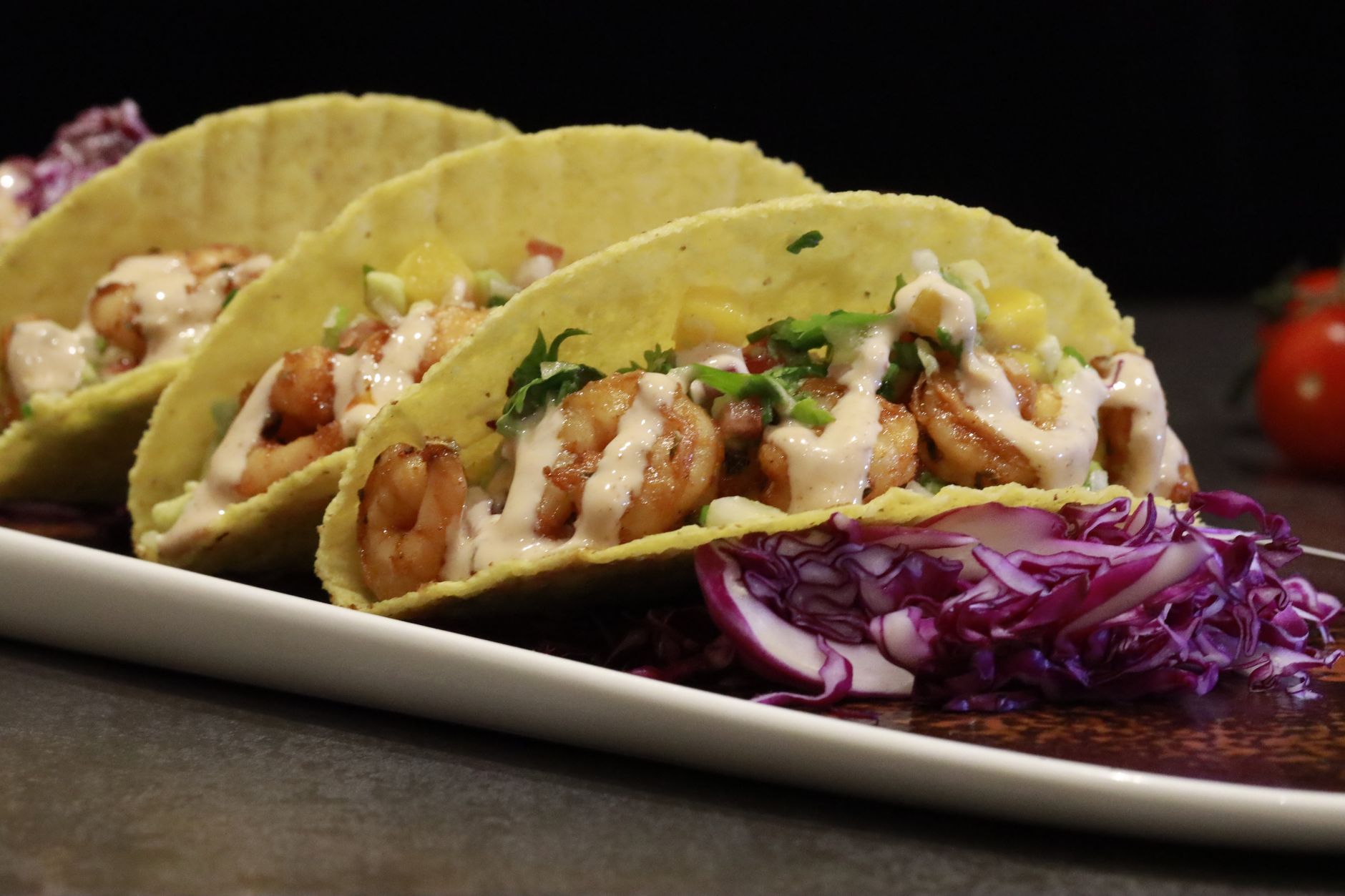
There is a specific, fleeting moment in the kitchen when the aroma of toasted cumin and smoked paprika hits a shimmering hot pan, creating a fragrant cloud that signals something extraordinary is about to happen. For me, that moment is the soul of the blackened shrimp taco. It is a dish that demands your full sensory attention—the hiss of the seafood touching the iron, the vibrant colors of a hand-chopped salsa, and the tactile satisfaction of folding a warm tortilla. Over the years, I have found that the most memorable meals aren’t just about following a sequence of steps; they are about understanding the dialogue between heat, acid, and texture. This recipe is a masterclass in that balance, offering a sophisticated interplay between the charred, spicy exterior of the shrimp and the cooling, enzymatic brightness of a tropical fruit salsa.
The Rich History and Cultural Roots of This Dish
The shrimp taco as we know it today is a relatively modern evolution of coastal Mexican street food, specifically rooted in the Baja California region. While fish tacos have been a staple of indigenous diets in Mexico for millennia, the specific “Ensenada-style” taco gained international fame in the mid-20th century. However, the “blackened” variation we are exploring here represents a fascinating culinary crossroads. The technique of blackening—dredging a protein in a complex spice blend and searing it at extremely high temperatures—actually traces its origins to the 1980s in New Orleans. It was popularized by legendary chefs who sought to replicate the intense flavors of a charcoal grill in a commercial kitchen setting using heavy cast-iron skillets.
By marrying the deep, smoky soul of Cajun blackening spices with the bright, citrus-forward profile of Mexican coastal cuisine, we create a “fusion” dish that feels both timeless and contemporary. In the coastal states of Sinaloa and Nayarit, shrimp is king, often prepared “Aguachile” or “Zarandeado” (grilled). This recipe takes those high-quality Pacific and Gulf influences and adds a layer of complexity through the mango salsa. Mangoes themselves were brought to Mexico by the Spanish via the Manila galleons from the Philippines in the 16th century. Since then, Mexico has become one of the world’s premier producers of the fruit, making the pairing of spicy local shrimp and sweet local mango a natural, historical progression of the regional palate.
I love how this dish reflects the movement of people and ingredients across borders. When you hold a taco, you aren’t just holding a meal; you’re holding a map of trade routes, migration, and culinary innovation. The transition from the heavy, cream-based sauces of traditional Cajun cooking to the light, fruit-based salsas of the modern era shows our evolving preference for “cleaner” flavors that don’t sacrifice intensity. Today, this dish is a staple of “Cal-Mex” and “Tex-Mex” menus, but its true home is anywhere where the sun is hot and the seafood is fresh.
📷 Photo by Shameel mukkath on Pexels — Free to use under the Pexels License
Why This Recipe Works: The Food Science Behind It
The success of a blackened shrimp taco relies heavily on the Maillard reaction. This is a chemical reaction between amino acids and reducing sugars that gives browned food its distinctive flavor. When the shrimp, coated in spices and a thin layer of fat, hits a pan heated to approximately 400°F (200°C), the proteins on the surface begin to rearrange. This creates hundreds of different flavor compounds that simply don’t exist in steamed or boiled shrimp. Because shrimp are small and high in water content, the window for achieving a perfect Maillard crust without overcooking the interior is narrow. We use a high-heat sear to ensure the exterior “blackens” (which is actually a dark mahogany color from the spices, not carbonized burnt meat) while the inside remains succulent and tender.
According to National Institutes of Health (NIH), vitamin and mineral research plays an important role in understanding food preparation and nutrition.
Another critical scientific element at play is the process of enzymatic browning and acid-base balancing in the mango salsa. When you cut a mango, you break its cellular walls, releasing enzymes. By adding lime juice immediately, we do more than just add flavor; the citric acid lowers the pH level, which slows down the oxidation process and keeps the fruit looking vibrant. Furthermore, the capsaicin in the peppers (like jalapeño) is fat-soluble. This is why we serve the tacos with a touch of avocado or crema. The fats in these ingredients bind to the capsaicin molecules and carry them away from your pain receptors, allowing you to enjoy the flavor of the spice without being overwhelmed by the heat.
Finally, we must consider the structure of the tortilla. Whether you choose corn or flour, the application of heat is essential for “retrogradation.” When tortillas are cold, the starches are crystallized and brittle. By heating them briefly over an open flame or in a dry pan, you re-gelatinize those starches, making the tortilla pliable and fragrant. This isn’t just for texture; the heat also releases aromatic compounds in the corn or wheat that complement the smokiness of the shrimp. Understanding these micro-interactions is what separates a home cook from a chef; you aren’t just heating food, you’re managing a series of complex chemical transformations.
Complete Ingredient Breakdown
For the shrimp, I recommend 454 grams (1 lb) of large shrimp, preferably 21/25 count. This size is ideal because it provides enough surface area for the spices to adhere but is small enough to fit 3-4 comfortably in a single taco. Look for “wild-caught” labels, as the texture is generally firmer and the flavor more “oceanic” than farm-raised varieties. For the blackening rub, you will need 10 grams (2 tsp) of smoked paprika, 5 grams (1 tsp) of garlic powder, 5 grams (1 tsp) of onion powder, 2 grams (1/2 tsp) of dried oregano, and a generous pinch of cayenne pepper for heat. I always insist on using smoked paprika (Pimentón) rather than standard sweet paprika; the drying process over oak fires adds a depth that mimics a charcoal grill.
According to American Heart Association, heart-healthy cooking guidance plays an important role in understanding food preparation and nutrition.
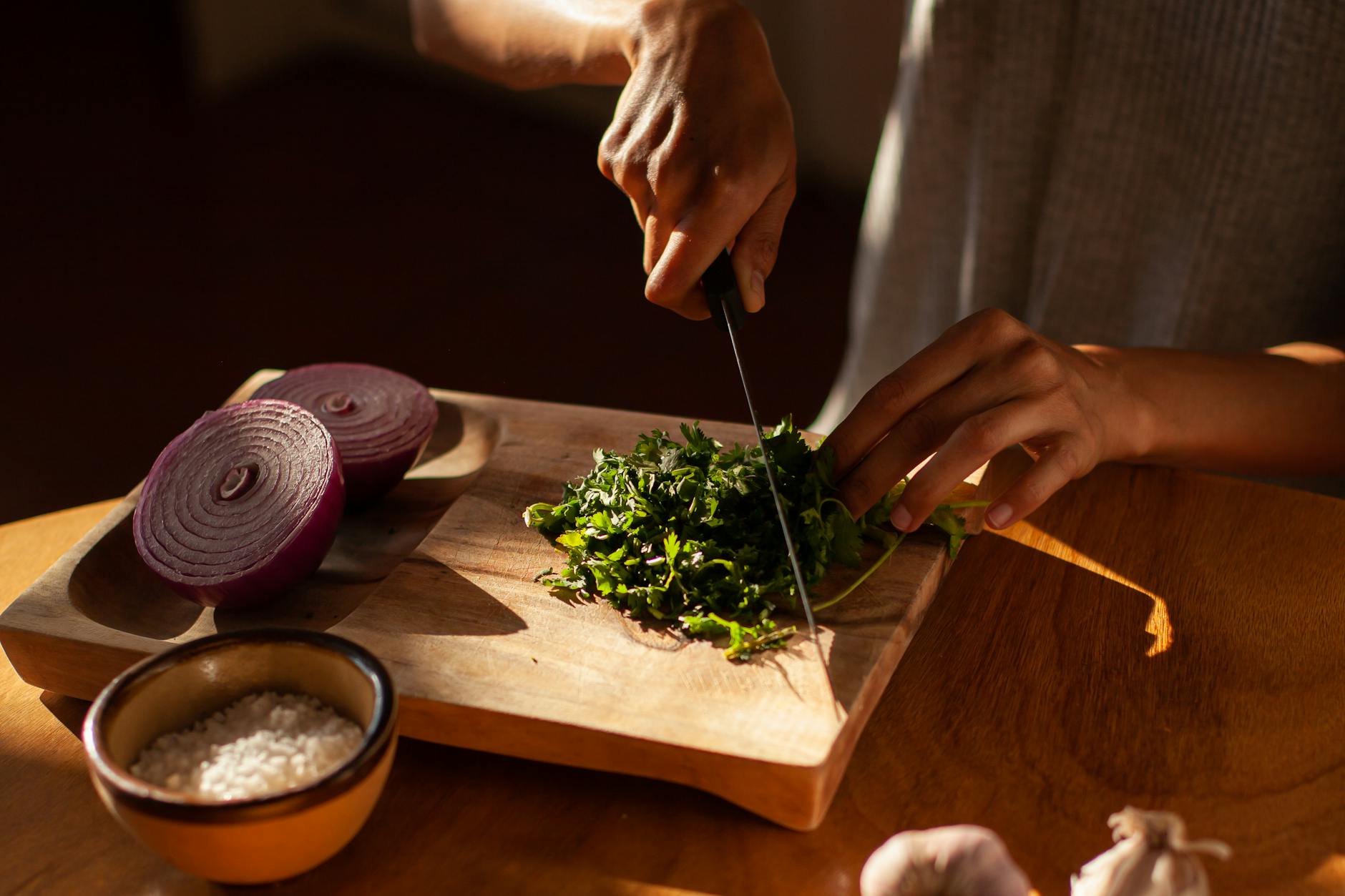
The mango salsa requires one large, ripe mango (approximately 300 grams). I prefer the Ataulfo (honey) variety for its buttery, non-fibrous texture, though a Kent or Haden works well if they are perfectly ripe. You’ll also need 50 grams (1/4 cup) of finely diced red onion, 15 grams (1/4 cup) of fresh cilantro, and one medium jalapeño, seeded and minced. The acidity comes from 30ml (2 tbsp) of fresh lime juice—never use the bottled stuff, as the volatile oils in fresh lime zest and juice are what provide that essential “high note” in the flavor profile. A pinch of sea salt is vital here to draw out the juices and meld the flavors together.
For the base and garnish, you will need 8-10 small corn tortillas (roughly 12-15cm in diameter). To finish the dish, I love adding a “slaw” element for crunch. Use 100 grams of shredded red cabbage tossed with a teaspoon of apple cider vinegar. This provides a structural contrast to the soft mango and tender shrimp. If you want a creamy element, a simple avocado mash or a dollop of Mexican Crema (which is thinner and slightly more acidic than American sour cream) is perfect. The fat in the cream acts as a bridge between the spicy shrimp and the sweet fruit.
📷 Photo by Los Muertos Crew on Pexels — Free to use under the Pexels License
Step-by-Step Instructions
Success in this recipe starts with “mise en place”—having everything chopped, measured, and ready before the heat is turned on. Shrimp cook incredibly fast, and you don’t want to be dicing onions while your seafood is turning rubbery in the pan. Set your mindset to “high energy, high heat” for the cooking phase. For more delicious ideas, explore our breakfast recipe ideas collection.
- Step 1 — Prepare the Tropical Salsa: Peel and dice your mango into uniform 1cm cubes. In a non-reactive bowl (glass or stainless steel), combine the mango, red onion, jalapeño, and cilantro. Squeeze the lime juice over the top and add a pinch of salt. Stir gently to avoid mashing the mango. Let this sit at room temperature for at least 20 minutes; this allows the salt to draw out the sugars in the mango and the sulfur in the onions to mellow, creating a cohesive dressing.
- Step 2 — Dry and Season the Shrimp: This is the most important step for a good sear. Pat the shrimp extremely dry with paper towels. If they are wet, they will steam instead of sear. In a small bowl, mix your smoked paprika, garlic powder, onion powder, oregano, cayenne, salt, and black pepper. Toss the dry shrimp in the spice blend until they are completely and evenly coated. The spices should form a dry paste on the surface of the shrimp.
- Step 3 — Heat the Skillet: Place a heavy cast-iron skillet over medium-high heat. You want the pan to be “wisps of smoke” hot. Add 15ml (1 tbsp) of a high-smoke-point oil, like avocado or grapeseed oil. Avoid extra virgin olive oil here, as its smoke point is too low and it will turn bitter at the temperatures required for blackening.
- Step 4 — The High-Heat Sear: Place the shrimp in the pan in a single layer. Do not crowd the pan; if you have to cook in two batches, do so. Crowding drops the pan temperature and releases too much moisture. Cook for 90 seconds to 2 minutes without moving them. You want that dark, spicy crust to form. Flip the shrimp and cook for another 60-90 seconds. The shrimp are done when they are opaque throughout and have curled into a loose “C” shape. A tight “O” shape means they are overcooked.
- Step 5 — Warm the Tortillas: While the shrimp rest for a minute (which allows the juices to redistribute), warm your tortillas. I prefer doing this directly over a gas flame for 10 seconds per side using tongs to get slight char marks. Alternatively, use a dry stainless steel pan. Keep them wrapped in a clean kitchen towel to stay warm and soft.
- Step 6 — Assembly and Presentation: Place a small handful of shredded cabbage on the bottom of each warm tortilla. Top with 3 or 4 blackened shrimp. Generously spoon the mango salsa over the shrimp. Finish with a sprig of fresh cilantro, a slice of avocado, and an extra squeeze of lime. Serve immediately while the temperature contrast between the hot shrimp and cold salsa is at its peak.
Expert Tips from Years of Kitchen Experience
The difference between a “good” taco and a “restaurant-quality” taco often comes down to the details that aren’t in the basic instructions. After years of testing seafood recipes, I’ve learned that moisture is the enemy of the sear. If you have time, leave your peeled and deveined shrimp uncovered in the refrigerator for 30 minutes before cooking. This “air-dries” the surface, ensuring that the Maillard reaction happens the microsecond the shrimp hits the oil. This results in a much crispier, more flavorful crust.
- Temperature Control: If you see the spices in the pan turning black and smelling acrid (bitter), your pan is too hot. True “blackening” is the dark red of the paprika and the browning of the garlic powder. If the smoke is thick and yellow, pull the pan off the heat immediately. The residual heat in a cast-iron pan is immense, so don’t be afraid to modulate by moving the pan on and off the burner.
- Ingredient Quality: The ripeness of the mango is non-negotiable. A mango that is too hard will be tart and crunchy, ruining the textural flow of the taco. A mango that is overripe will turn to mush. When you press the skin, it should give slightly, like a ripe peach. If your mangoes aren’t quite ready, you can substitute pineapple, which offers a similar acidity and sweetness.
- Timing and Patience: Do not flip the shrimp too early! The spices need time to “set” against the protein. If you try to flip them and they stick to the pan, they aren’t ready. When the crust has properly formed, the shrimp will naturally release from the surface of the cast iron. This is a fundamental rule of pan-searing any protein.
- Seasoning Balance: Always taste your salsa before serving. Depending on the sweetness of the fruit and the heat of the specific jalapeño you used, you might need more lime or an extra pinch of salt. Balance is a moving target in cooking because natural ingredients vary every single day.
Nutritional Benefits and Health Insights
This dish is a nutritional powerhouse, offering a lean source of high-quality protein and a spectrum of vitamins. A standard serving of three shrimp tacos (using corn tortillas) contains approximately 350-400 calories, with nearly 25-30 grams of protein. Shrimp are an excellent source of selenium, an antioxidant that supports heart health and thyroid function, and Vitamin B12, which is essential for nerve health and DNA synthesis. They also provide astaxanthin, the carotenoid pigment that gives shrimp their pink color, which has been studied for its potential anti-inflammatory properties.
The mango salsa adds a significant boost of Vitamin C—one mango can provide nearly 100% of your daily recommended intake. Vitamin C is crucial for collagen production and immune function. Furthermore, the red cabbage and onions contribute anthocyanins and quercetin, powerful antioxidants that help combat oxidative stress. By using corn tortillas instead of flour, the dish remains naturally gluten-free and provides more dietary fiber (about 2-3 grams per tortilla). If you are watching your sodium intake, you can easily reduce the salt in the rub and rely on the intensity of the smoked paprika and lime juice to provide the “flavor punch.” For more delicious ideas, explore our dinner recipe collection collection.
Creative Variations and Dietary Adaptations
The beauty of the taco is its versatility. If you are looking for a Vegan Version, I discovered that “torn” oyster mushrooms or cauliflower florets are incredible when subjected to the blackening treatment. The crags and crevices of the cauliflower hold the spices beautifully. Simply roast the seasoned cauliflower at 425°F (220°C) until charred and tender, then pair with the same mango salsa. For a Low-Carb/Keto Option, replace the tortillas with large butter lettuce leaves or “jicama wraps.” This reduces the carbohydrate count significantly while maintaining the crunch.
For those who crave Extra Heat, I recommend adding a finely minced habanero pepper to the salsa instead of jalapeño. Habaneros have a floral, fruity note that complements mango perfectly, though they are significantly more intense. If you want a Meal-Prep Friendly Version, you can deconstruct the taco into a “Taco Bowl.” Use a base of cilantro-lime quinoa or cauliflower rice, top with the blackened shrimp, and keep the salsa in a separate container to maintain its freshness. The shrimp are actually quite delicious cold or at room temperature when served over a salad the next day.
Frequently Asked Questions
Can I use frozen shrimp for this recipe?
Absolutely. In fact, most “fresh” shrimp at the grocery store were previously frozen. The key is to thaw them properly in the refrigerator overnight or under cold running water. Once thawed, you must dry them thoroughly. Frozen shrimp often harbor more moisture than truly fresh ones, so the “pat-dry” step is even more critical to ensure you don’t end up with soggy, grey shrimp.
How do I store and reheat leftovers?
Shrimp have a delicate protein structure that can become rubbery if reheated in a microwave. If you have leftovers, store the shrimp and salsa in separate airtight containers in the fridge for up to 2 days. To reheat the shrimp, flash-fry them in a hot pan for 30 seconds per side, or eat them cold in a wrap. The salsa will actually improve in flavor after a few hours, but after 24 hours, the mango may begin to soften significantly.
Is there a substitute for mango if it’s not in season?
Yes! Fresh pineapple is the best substitute, as it has a similar balance of sugar and acid. Peach or nectarine salsa is also a wonderful summer alternative. In a pinch, even a combination of diced cucumber and orange segments can provide that cooling, sweet contrast that the spicy blackened shrimp requires.
Why did my spices burn and turn bitter?
This usually happens if the heat is too high or if you didn’t use enough oil. Spices are delicate; while we want them to toast and form a crust, if they reach their “flash point,” the oils in the spices (like the capsaicin in the pepper or the oils in the garlic powder) will carbonize. If this happens, wipe the pan out and start over with a slightly lower flame. It’s a learning curve that every chef has navigated!
Final Thoughts
Cooking is often described as a science, but to me, it has always felt more like a conversation. When you make these spicy shrimp tacos, you are engaging with the heat of the pan, the ripeness of the fruit, and the heritage of the ingredients. There is a deep satisfaction in creating a dish that hits every part of the palate—salty, sweet, sour, spicy, and savory (umami). I encourage you not to be intimidated by the high-heat technique. Embrace the sizzle and the smoke; they are the markers of flavor development. Over time, you’ll find your own “signature” version of this dish, perhaps adding a touch more cumin or a different variety of chili. That is the true joy of the kitchen: taking a blueprint and building a home. Happy cooking, and may your tortillas always be warm and your salsa always bright.