


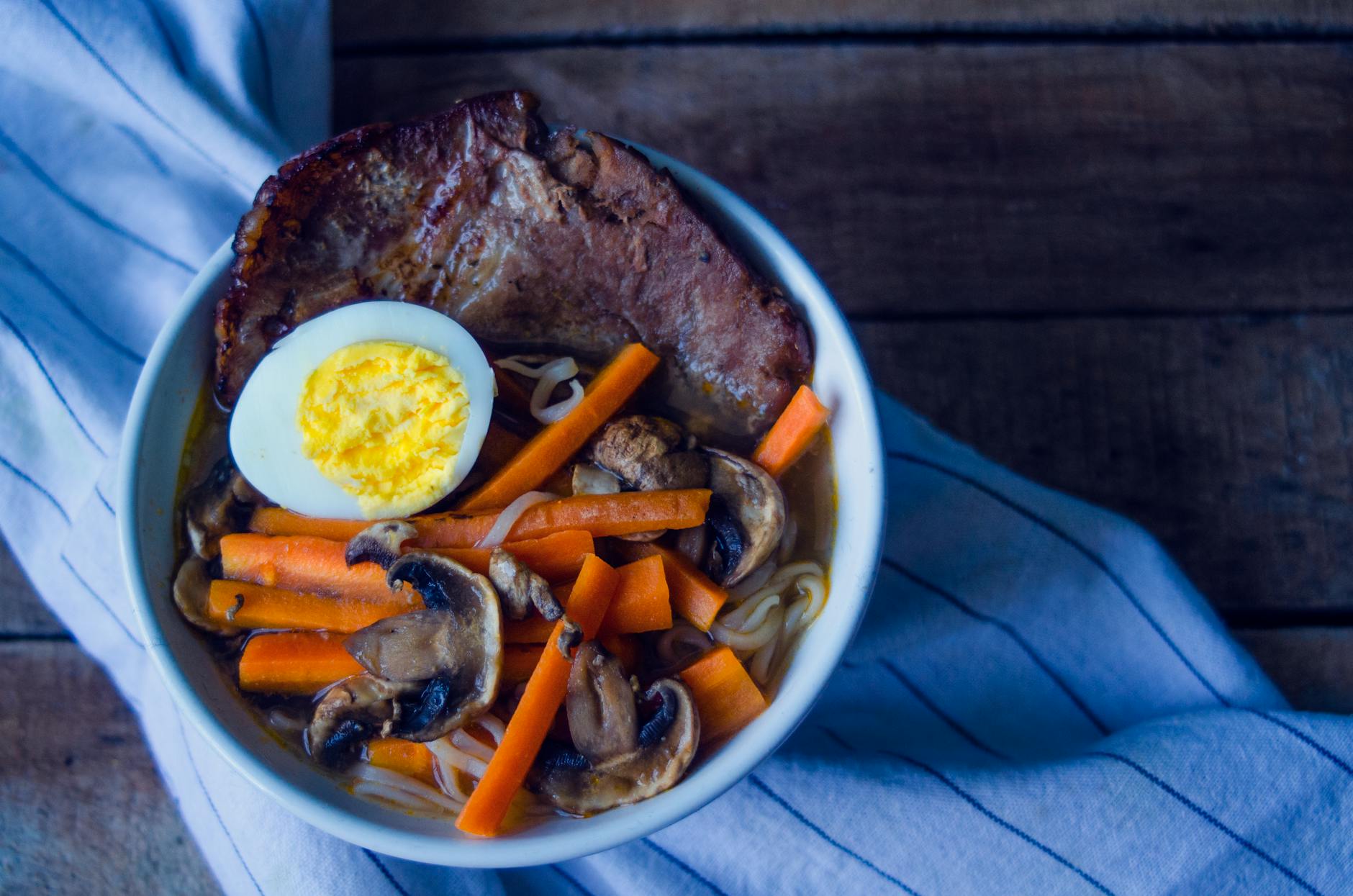
🍳 In This Article
- The Rich History and Cultural Roots of This Dish
- Why This Recipe Works: The Food Science Behind It
- Complete Ingredient Breakdown
- Step-by-Step Instructions
- Expert Tips from Years of Kitchen Experience
- Nutritional Benefits and Health Insights
- Creative Variations and Dietary Adaptations
- Frequently Asked Questions
- Final Thoughts
There is a specific kind of magic that happens when a bowl of ramen is placed in front of you. It isn’t just the steam rising in fragrant ribbons or the vibrant contrast of the golden egg yolk against the dark nori; it is the promise of depth. For many, ramen is the ultimate “soul food,” a dish that requires patience, precision, and an understanding of how simple elements—water, bone, salt, and wheat—transform into a complex symphony of flavor. I remember the first time I attempted a true 12-hour tonkotsu broth in my own kitchen. The house smelled of ginger and toasted fat, and the anticipation was almost unbearable. But when I finally took that first slurp, I realized that ramen isn’t just a recipe; it’s a lesson in food science and cultural devotion. Whether you are a seasoned home cook or a curious beginner, mastering the art of ramen is about more than just following steps; it’s about understanding the “why” behind the “how.”
The Rich History and Cultural Roots of This Dish
While we firmly associate ramen with Japan today, its journey actually began in China. Known originally as shina soba (Chinese noodles), the dish migrated to Japan in the late 19th and early 20th centuries. It was initially a simple street food—wheat noodles served in a salty broth topped with roast pork. However, the real transformation occurred after World War II. During a time of food shortages, wheat flour from the United States became more available, and ramen stalls began popping up as a cheap, calorie-dense way to feed the working class. It was during this era that ramen began to diversify, with different regions of Japan developing their own signature styles based on local ingredients.
In the northern region of Hokkaido, the cold climate led to the creation of Miso Ramen, characterized by a thick, hearty broth designed to keep the body warm. Meanwhile, in the south, specifically in Fukuoka, the legendary Tonkotsu (pork bone) ramen was born. Legend has it that Tonkotsu was actually a “mistake”—a chef left his pork bones boiling for too long, resulting in a cloudy, milky broth rather than the traditional clear soup. Instead of throwing it out, he tasted it and realized he had stumbled upon a rich, creamy texture that would eventually become a global sensation. This serendipitous discovery highlights the soul of ramen: it is a dish born of necessity and perfected through obsession.
Today, ramen has transcended its humble origins to become a canvas for culinary innovation. From the Michelin-starred ramen shops in Tokyo to the creative “fusion” bowls found in New York and London, the dish continues to evolve. Yet, at its core, it remains a celebration of regionality and craftsmanship. In Japan, a master taishou (ramen chef) might spend decades perfecting a single broth recipe. When we make ramen at home, we are participating in this long-standing tradition of patience and pursuit of the perfect “umami” profile—the savory fifth taste that defines the ramen experience.
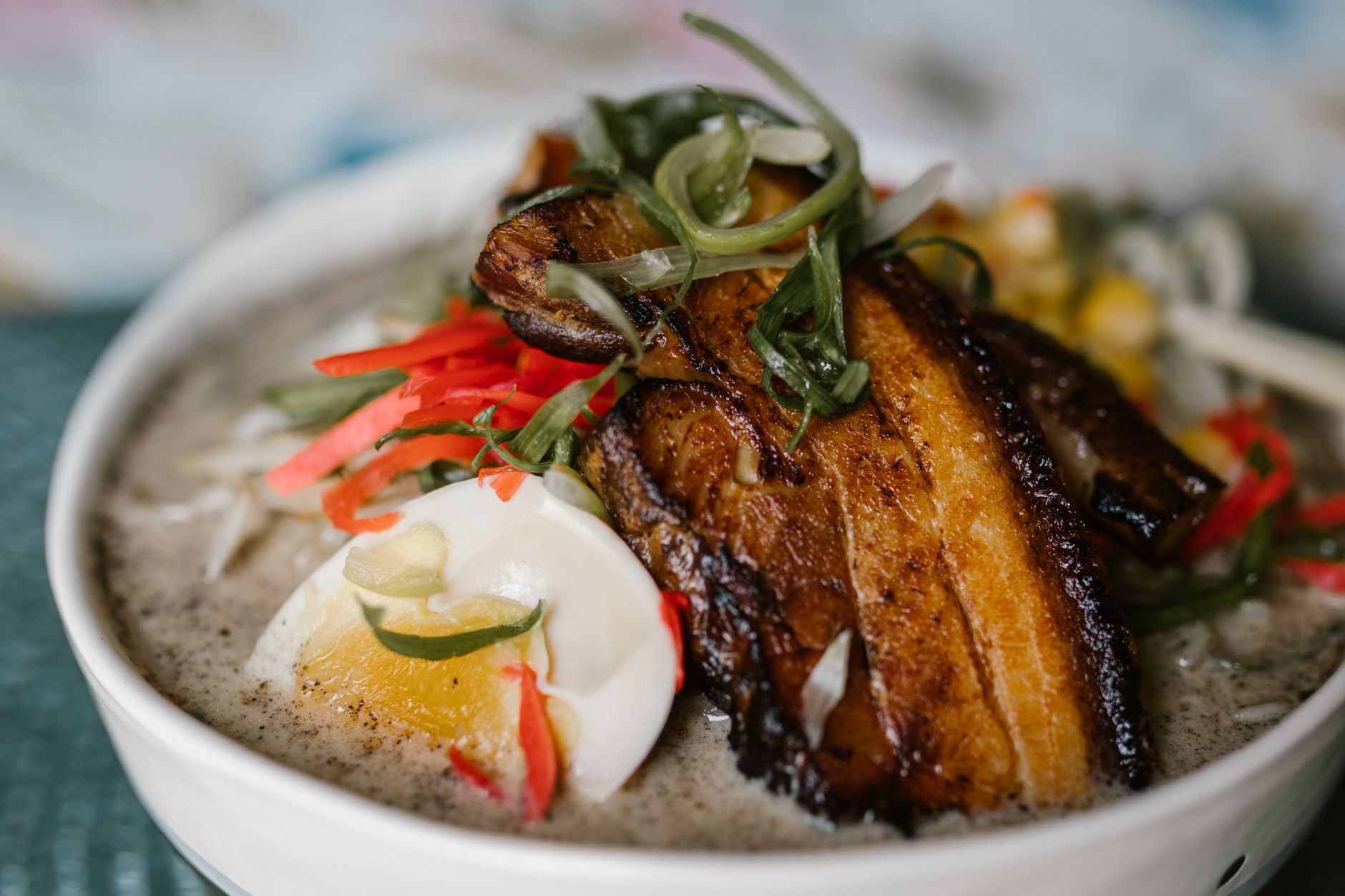
📷 Photo by RDNE Stock project on Pexels — Free to use under the Pexels License
Why This Recipe Works: The Food Science Behind It
The secret to a world-class ramen lies in two scientific processes: emulsification and the Maillard reaction. In a traditional Tonkotsu-style broth, we aren’t just making a soup; we are creating an emulsion. Usually, oil and water don’t mix. However, when you boil pork bones—specifically those high in collagen like trotters and neck bones—at a vigorous roll for several hours, the collagen breaks down into gelatin. This gelatin acts as a natural emulsifier, trapping tiny droplets of rendered pork fat within the water. This is what gives the broth its signature creamy, opaque appearance and its luxurious, lip-smacking mouthfeel. If you simmer the broth too gently, the fat will simply float on top; you need the kinetic energy of a hard boil to force that marriage of fat and water.
According to National Institutes of Health (NIH), vitamin and mineral research plays an important role in understanding food preparation and nutrition.
The second pillar of flavor is the Maillard reaction. This is the chemical reaction between amino acids and reducing sugars that gives browned food its distinctive flavor. We utilize this when we sear the chashu (pork belly) and when we char our aromatics like ginger and onion before adding them to the pot. Furthermore, the tare (the seasoning base) often uses soy sauce or fermented pastes which are already rich in melanoidins—the products of the Maillard reaction. These components provide the deep, savory “bass notes” that balance the high-fat content of the broth. Understanding these reactions allows you to manipulate the flavor profile to your liking, ensuring a bowl that is balanced rather than just heavy.
Finally, we must consider the chemistry of the noodles. Authentic ramen noodles are “alkaline noodles,” made with a specific mineral water called kansui. This water contains sodium carbonate and potassium carbonate, which increases the pH of the dough. This higher alkalinity does three things: it gives the noodles their characteristic yellow hue (without needing eggs), creates a firm, springy texture that resists turning to mush in hot broth, and produces a distinct earthy aroma. When you cook these noodles, the starch granules swell but remain contained within the gluten network strengthened by the alkaline environment, providing that perfect “snap” when you bite into them.
Complete Ingredient Breakdown
To create a truly authentic experience, we need to categorize our ingredients into the four essential components of ramen: the Broth, the Tare (seasoning), the Noodles, and the Toppings.
According to American Heart Association, heart-healthy cooking guidance plays an important role in understanding food preparation and nutrition.
The Broth Base:
- Pork Neck Bones and Trotters (2kg / 4.4 lbs): Neck bones provide deep flavor, while trotters are essential for their high collagen content, which creates the creamy texture.
- Aromatics: One large white onion (halved), a 4-inch knob of ginger (sliced), and a whole head of garlic (halved crosswise). These cut through the heaviness of the pork fat.
- Kombu (1 large sheet): This dried kelp is a powerhouse of natural glutamates, providing the foundation of umami.
The Tare (Shoyu Style):
- Soy Sauce (150ml): Use a high-quality Japanese soy sauce for the best depth.
- Mirin (50ml): Provides a subtle sweetness to balance the salt.
- Sake (50ml): Adds acidity and helps tenderize the flavor profile.
The Toppings and Noodles:
- Fresh Ramen Noodles (400-500g): Look for “alkaline” noodles in the refrigerated section. If unavailable, high-quality dried wavy noodles work in a pinch.
- Pork Belly (500g): For the chashu. This should be skin-on for the best texture.
- Eggs (4 large): To be transformed into Ajitsuke Tamago (marinated soft-boiled eggs).
- Nori (Dried Seaweed): Provides a crisp, oceanic contrast.
- Green Onions (Negi): Thinly sliced for a fresh, sharp bite.
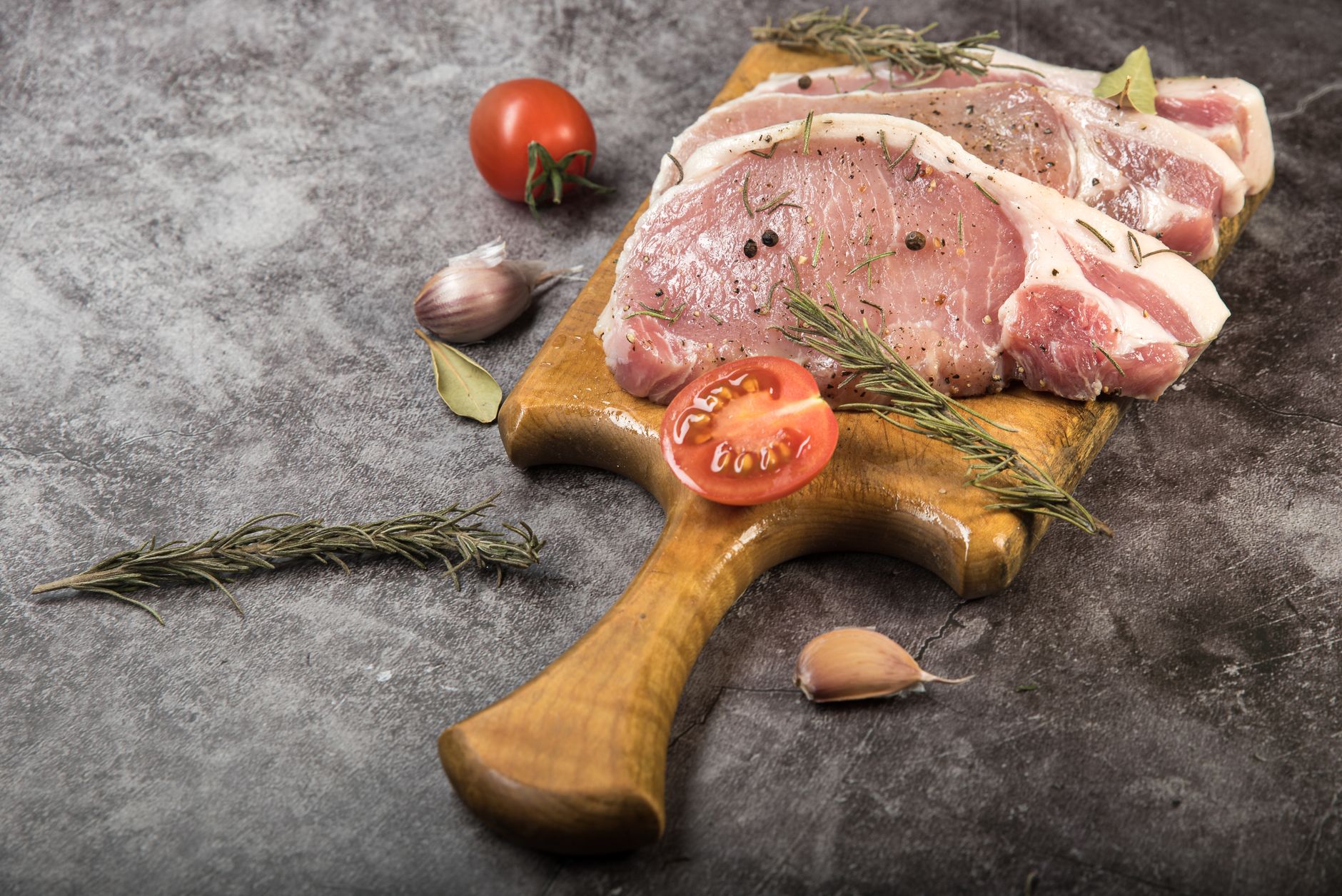
📷 Photo by Evgeniy Alekseyev on Pexels — Free to use under the Pexels License
Step-by-Step Instructions
Preparation is key. Ramen is a marathon, not a sprint. Before you turn on the stove, ensure your bones are cleaned and your aromatics are prepped. This “mise en place” mindset will keep the process enjoyable rather than overwhelming. For more delicious ideas, explore our breakfast recipe ideas collection.
- Step 1 — Cleaning and Parboiling the Bones: Place your pork bones and trotters in a large stockpot and cover with cold water. Bring to a hard boil for 10-15 minutes. You will see a grey, foamy “scum” rise to the top—these are impurities and blood. Drain the water and scrub each bone under cold running water to remove any remaining dark bits. This ensures your final broth is creamy and white rather than grey and bitter.
- Step 2 — The Long Simmer: Return the cleaned bones to the pot and cover with fresh water (about 5 liters). Bring to a boil, then add your charred onion, ginger, and garlic. Maintain a steady, rolling boil. This is the emulsification phase. You must maintain this boil for at least 8 to 12 hours, topping up the water as needed to keep the bones submerged. After 8 hours, the broth should be opaque and milky.
- Step 3 — Preparing the Chashu: While the broth boils, sear your pork belly in a pan until the skin is golden brown (Maillard reaction). Then, braise it in a mixture of soy sauce, mirin, sake, and water for 2 hours at a low simmer (about 160°F / 70°C). Once tender, let it cool completely before slicing; this allows the muscle fibers to relax and the fat to set, making for clean, beautiful slices.
- Step 4 — The “Jammy” Eggs: Bring a pot of water to a boil. Gently lower in room-temperature eggs and cook for exactly 6 minutes and 30 seconds. Immediately plunge them into an ice bath for 10 minutes. This stops the cooking process, leaving the whites set but the yolks liquid and jammy. Peel and marinate them in a mixture of soy sauce and mirin for at least 4 hours.
- Step 5 — Creating the Tare and Straining: In a small saucepan, combine your tare ingredients and simmer for 5 minutes. Set aside. Once your broth is finished, strain it through a fine-mesh sieve (or cheesecloth) into a clean pot. Discard the bones and spent aromatics. You should be left with a silky, thick liquid.
- Step 6 — Assembly: This is the final act. Boil your noodles according to package instructions (usually 2-3 minutes). In each bowl, place 2-3 tablespoons of tare. Pour in 350ml of piping hot broth and whisk to combine. Add the noodles, lifting them with chopsticks to ensure they are coated. Top with slices of chashu, a halved marinated egg, a sheet of nori, and a handful of fresh green onions.
Expert Tips from Years of Kitchen Experience
The difference between a “good” home ramen and a “restaurant-quality” bowl often comes down to the small details that only experience can teach. Over the years, I’ve learned that the temperature of your bowl is just as important as the flavor of your broth.
- Temperature Control: Always pre-warm your serving bowls by filling them with hot water while you prep the final stages. A cold bowl will instantly sap the heat from your carefully crafted broth, dulling the flavors and causing the fat to congeal prematurely. Aim for a serving temperature of roughly 180°F (82°C) for the broth.
- Ingredient Quality: Use the freshest pork bones you can find. “Old” bones that have been sitting in a freezer for months can develop a rancid fat taste that will permeate the entire broth. I love visiting a local butcher on the morning I plan to start my broth to get the freshest cuts possible.
- Timing and Patience: Do not rush the egg peeling. If the eggs haven’t spent at least 10 minutes in the ice bath, the membrane will stick to the white, and you’ll end up with a pitted, unattractive egg. Patience in the cooling phase is what yields that professional, smooth finish.
- Seasoning Balance: The tare is your volume knob for salt. Never salt the big pot of broth; always season individual bowls. This allows you to adjust the saltiness for each guest and prevents the broth from becoming overly salty as it reduces further on the stove.
Nutritional Benefits and Health Insights
While ramen is often viewed as an indulgence, it contains significant nutritional value when made from scratch. The long-simmered bone broth is an incredible source of collagen and amino acids like glycine and proline. These are essential for gut health, joint repair, and skin elasticity. A single serving of this pork-based broth can provide approximately 15-20 grams of protein just from the liquid base. When you add the chashu and egg, the total protein count per bowl rises to about 35-40 grams, making it a highly satiating meal.
Furthermore, the inclusion of nori (seaweed) provides a natural source of iodine, which is crucial for thyroid function, as well as Vitamin A and Vitamin C. The aromatics like ginger and garlic offer anti-inflammatory properties and antioxidants. If you are watching your sodium intake, the beauty of making this at home is that you can control the amount of tare used. You can also opt for whole-wheat alkaline noodles to increase the fiber content. For those with gluten sensitivities, many stores now carry high-quality brown rice ramen noodles that mimic the texture of wheat surprisingly well. For more delicious ideas, explore our dinner recipe collection collection.
Creative Variations and Dietary Adaptations
The beauty of ramen is its versatility. Once you understand the base mechanics, you can adapt the dish to any dietary preference or flavor craving.
- The Spicy Miso Twist: Whisk two tablespoons of red miso paste and a teaspoon of chili bean paste (doubanjiang) into your tare. This adds a fermented funk and a lingering heat that cuts through the rich pork fat beautifully.
- Vegan Mushroom Ramen: Replace the pork bones with a combination of dried shiitake mushrooms and kombu. Simmer with roasted cabbage and carrots for a deep, earthy broth. Use soy milk or cashew cream at the end to achieve that “tonkotsu” creaminess without the animal fat.
- Tori Paitan (Chicken Version): If pork is too heavy for you, use chicken carcasses and chicken feet. The process is identical, but the result is a lighter, more floral broth that is equally creamy.
- The “Midnight” Instant Upgrade: If you don’t have 12 hours, use a high-quality store-bought bone broth. Simmer it for 20 minutes with fresh ginger and garlic, and focus your energy on making the perfect 6-minute egg and searing some leftover pork chops. It’s not “authentic,” but it’s 90% of the way there for 10% of the effort.
Frequently Asked Questions
Why is my broth grey instead of white?
A grey broth usually happens if the bones weren’t cleaned properly during the parboiling stage. Those “impurities” (blood and marrow) darken the liquid. To fix it, ensure you scrub the bones thoroughly and keep the boil vigorous; the high heat helps keep the white fat emulsified, which reflects light and creates that white appearance.
How long can I store the leftover broth and chashu?
The broth will stay fresh in the refrigerator for up to 4 days, or it can be frozen for up to 3 months. Note that when chilled, the broth will turn into a thick jelly—this is a good sign! It means you have high gelatin content. The chashu is actually better the next day and can be stored in its braising liquid for 3-5 days.
Can I make this in a pressure cooker to save time?
Yes! A pressure cooker can reduce a 12-hour simmer to about 2 hours. However, because there is no evaporation or agitation in a sealed pressure cooker, the broth won’t be as white or creamy initially. You will need to boil the broth vigorously for 30 minutes with the lid off after the pressure cycle to achieve the final emulsification.
Is there a substitute for mirin?
If you can’t find mirin, you can substitute it with dry sherry or white wine mixed with a teaspoon of sugar. The goal is to provide a balance of acidity and sweetness to the salty soy sauce base.
Final Thoughts
Cooking ramen at home is a transformative experience. It forces you to slow down and appreciate the alchemy of the kitchen. There is a profound sense of accomplishment when you see a pot of clear water turn into a rich, creamy elixir over the course of a day. I encourage you not to see the long cooking time as a chore, but as a ritual. Put on some music, enjoy the aromas filling your home, and remember that the best ingredient in any bowl of ramen is the time you’ve invested in it. Every slurp is a testament to your patience. So, grab your bones, start your simmer, and prepare to enjoy the most rewarding meal you’ve ever made. Happy cooking!