


🍳 In This Article
There are few culinary delights that transport me quite like falafel. I still remember my first bite – a bustling street vendor in a sun-drenched market, handing over a warm pita overflowing with golden-brown patties, crisp lettuce, and a generous dollop of creamy white sauce. It was love at first crunch! For years, I chased that experience, trying various takeouts, but always felt a little guilty about the deep-fried aspect. So, I embarked on a mission: to create a baked falafel that delivered all the incredible flavor and satisfying crispiness without the excess oil. And let me tell you, after much experimentation, this recipe for Crispy Baked Falafel with Zesty Lemon-Herb Tzatziki is the absolute winner. It’s a game-changer, bringing healthy, vibrant Mediterranean flavors right into your kitchen!
What Makes This Dish So Special
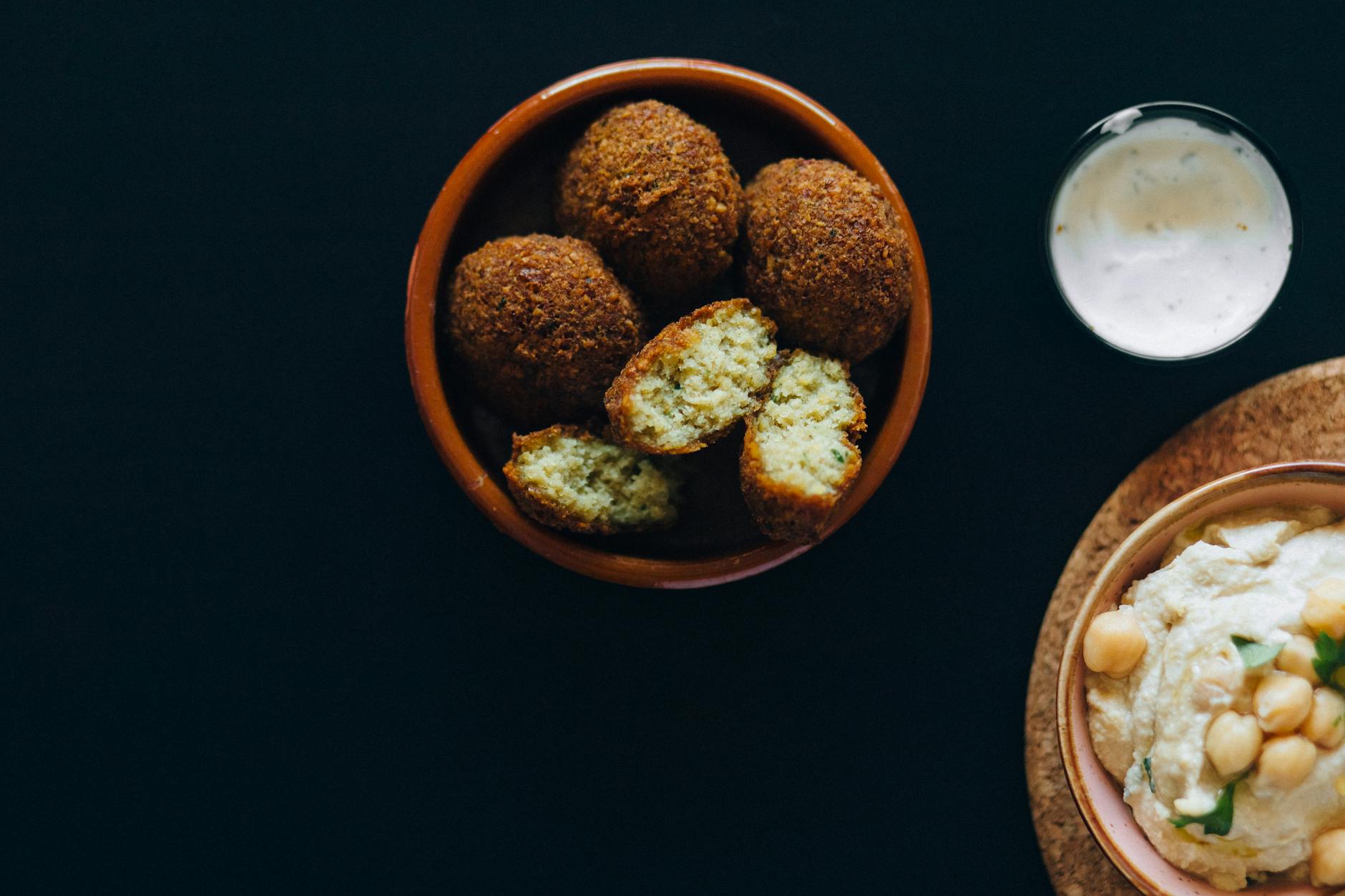
Falafel, at its heart, is a humble yet magnificent dish with roots stretching back centuries in the Middle East. Traditionally made from ground chickpeas (or fava beans in some regions), fresh herbs, and aromatic spices, these golden patties have served as a staple street food, a hearty vegetarian meal, and a beloved appetizer across countless cultures. What truly sets falafel apart is its incredible texture contrast: a deeply satisfying crunch on the outside, giving way to a tender, flavorful, almost fluffy interior. The blend of earthy chickpeas, bright parsley and cilantro, pungent garlic and onion, and warm spices like cumin and coriander creates a complex, savory profile that’s utterly addictive.
Beyond its historical significance and delightful texture, falafel is a testament to the power of simple, plant-based ingredients. It’s naturally gluten-free (when using chickpea flour as a binder) and vegan, making it an incredibly versatile and inclusive dish for various dietary needs. While traditionally deep-fried to achieve that signature crisp, our baked version offers a lighter, healthier alternative without compromising on that coveted crunch or the depth of flavor. This makes it an ideal choice for a weeknight dinner, a wholesome lunch, or a crowd-pleasing appetizer that everyone can enjoy without a hint of guilt.
And then there’s the tzatziki – the perfect cooling counterpoint to the warm, spiced falafel. This creamy Greek cucumber-yogurt sauce is bright, refreshing, and incredibly easy to make. The tang of Greek yogurt, the crisp coolness of cucumber, the aromatic freshness of dill and mint, and a hint of garlic and lemon juice come together to create a dip that not only complements but elevates the entire dish. The combination of crispy falafel and creamy, zesty tzatziki is a culinary match made in heaven, offering a delightful interplay of textures and temperatures that keeps you coming back for more.

📷 Photo by pedro furtado on Pexels
According to Epicurious, mastering fundamental cooking techniques makes every recipe easier and more delicious.
Ingredients You Will Need
Crafting the perfect baked falafel and its accompanying tzatziki is all about starting with fresh, quality ingredients. Here’s a detailed look at what you’ll need and why each component is so important:
For the Crispy Baked Falafel:
• Dried Chickpeas (1 ½ cups, about 300g): This is non-negotiable! Do NOT use canned chickpeas. Dried chickpeas, soaked overnight, retain their structure better and don’t turn mushy, which is crucial for a perfectly textured falafel. They provide the foundational earthy flavor and satisfying chew.
According to Serious Eats, mastering fundamental cooking techniques makes every recipe easier and more delicious.
• Yellow Onion (½ large, roughly chopped): Adds a pungent sweetness and moisture to the falafel mix, enhancing its savory depth.
• Garlic Cloves (4-5 large): Essential for that characteristic aromatic kick. Fresh garlic is key here; skip the pre-minced jarred stuff.
• Fresh Parsley (1 cup packed, roughly chopped): Provides a vibrant, fresh, slightly peppery flavor and beautiful green flecks. Flat-leaf (Italian) parsley is preferred.
• Fresh Cilantro (½ cup packed, roughly chopped): Adds another layer of bright, citrusy, herbaceous flavor. If you’re a “cilantro-hater,” you can increase the parsley or substitute with fresh mint.
• Ground Cumin (1 ½ teaspoons): The backbone spice of falafel, offering warm, earthy, slightly peppery notes.
• Ground Coriander (1 teaspoon): Complements the cumin with its citrusy, slightly sweet, and floral undertones.
• Cayenne Pepper (½ teaspoon, or to taste): Adds a subtle warmth and a touch of heat. Adjust based on your spice preference.
• Baking Powder (1 teaspoon): My secret weapon for lighter, slightly airy falafel! It helps them puff up a little and prevents them from being too dense.
• All-Purpose Flour (2-3 tablespoons): Acts as a binder to help the falafel mixture hold its shape. You can use a gluten-free all-purpose blend for a GF option.
• Salt (1 teaspoon, or to taste): Essential for seasoning and bringing out all the flavors.
• Black Pepper (½ teaspoon, freshly ground): Adds a subtle bite and aroma.
• Olive Oil (3-4 tablespoons, divided): Used for brushing the falafel before baking, ensuring a beautiful golden crust and helping them get wonderfully crispy.
For the Zesty Lemon-Herb Tzatziki Sauce:
• Full-Fat Plain Greek Yogurt (1 ½ cups, about 360g): The creamy base of our tzatziki. Full-fat provides the best richness and texture. For a dairy-free version, use unsweetened plain dairy-free yogurt (coconut or almond based).
• English Cucumber (½ large, or 1 small, grated): Adds a refreshing coolness and a slight crunch. English cucumbers are less seedy and watery.
• Fresh Dill (2 tablespoons, finely chopped): Brings a distinctive, slightly sweet, and grassy flavor profile.
• Fresh Mint (1 tablespoon, finely chopped): Adds a bright, cooling, and aromatic lift.
• Garlic Clove (1 large, minced): Provides a pungent kick that balances the freshness.
• Lemon Juice (1 tablespoon, freshly squeezed): Essential for brightness and acidity, cutting through the richness of the yogurt.
• Olive Oil (1 tablespoon, extra virgin): Adds a silky finish and depth of flavor.
• Salt (½ teaspoon, or to taste): Seasons the sauce and helps draw out moisture from the cucumber.
• Black Pepper (¼ teaspoon, freshly ground): A touch of spice to round out the flavors.

📷 Photo by Christina Voinova on Pexels For more delicious ideas, check out our cooking tips and guides section.
Step-by-Step Instructions
Making homemade falafel and tzatziki might seem like a project, but I promise it’s incredibly rewarding and straightforward once you get into the rhythm. The key is a little planning, especially for soaking the chickpeas, and then the rest comes together quite quickly. Follow these steps for perfect, crispy baked falafel and a refreshing tzatziki.
- Step 1: Prepare the Chickpeas (The Night Before): Place 1 ½ cups of dried chickpeas in a large bowl and cover them with at least 4-5 cups of cold water. The chickpeas will expand significantly, so ensure they are fully submerged with plenty of room. Let them soak at room temperature for at least 12-18 hours, or up to 24 hours. After soaking, drain the chickpeas thoroughly and rinse them under cold water. Pat them dry with a clean kitchen towel – this step is crucial for preventing a mushy falafel texture.
- Step 2: Make the Falafel Mixture: In the bowl of a food processor, combine the soaked and dried chickpeas, roughly chopped onion, garlic cloves, fresh parsley, fresh cilantro, ground cumin, ground coriander, cayenne pepper, salt, and black pepper. Pulse the mixture in short bursts, scraping down the sides as needed. Be careful not to over-process; you want a coarse, crumbly texture, not a smooth paste. There should still be small pieces of chickpeas and herbs visible, which contributes to the authentic falafel texture. Transfer the mixture to a large bowl, then stir in the baking powder and 2 tablespoons of all-purpose flour. If the mixture feels too wet to hold its shape, add an additional tablespoon of flour. Cover the bowl and refrigerate for at least 30 minutes (or up to 2 hours) to allow the flavors to meld and the mixture to firm up.
- Step 3: Prepare the Tzatziki Sauce: While the falafel mixture chills, prepare your tzatziki. Grate the English cucumber using the large holes of a box grater. Place the grated cucumber in a clean kitchen towel or several layers of paper towels and squeeze out as much excess liquid as possible. This step is vital to prevent a watery tzatziki. In a medium bowl, combine the full-fat Greek yogurt, squeezed cucumber, finely chopped fresh dill, finely chopped fresh mint, minced garlic, fresh lemon juice, olive oil, salt, and black pepper. Stir everything together until well combined. Taste and adjust seasonings as needed. Cover and refrigerate until ready to serve, allowing the flavors to meld.
- Step 4: Preheat Oven and Form Falafel: Preheat your oven to 400°F (200°C). Line a large baking sheet with parchment paper. Lightly brush the parchment paper with 1 tablespoon of olive oil. Remove the falafel mixture from the refrigerator. Using a tablespoon or a small ice cream scoop, portion out the mixture and shape it into small patties, about 1 ½ to 2 inches in diameter and ½ inch thick. I love making them slightly oval, but round is fine too! You should get about 18-20 falafel patties. Arrange the patties in a single layer on the prepared baking sheet, ensuring they don’t touch.
- Step 5: Bake the Falafel to Crispy Perfection: Lightly brush the tops of the falafel patties with the remaining 2-3 tablespoons of olive oil. This helps achieve that beautiful golden-brown crispness. Place the baking sheet in the preheated oven and bake for 25-30 minutes, flipping them halfway through (around the 12-15 minute mark), until they are deeply golden brown and wonderfully crispy on both sides. If you want an extra crunch, you can turn on the broiler for the last 1-2 minutes, watching carefully to prevent burning.
- Step 6: Serve and Enjoy: Remove the baked falafel from the oven and let them cool for a few minutes before serving. Serve the hot, crispy falafel immediately with the chilled zesty lemon-herb tzatziki sauce. They are fantastic tucked into warm pita bread with fresh lettuce, tomatoes, and red onion, or served as part of a grain bowl, salad, or simply as a delightful appetizer on their own!
Pro Tips for Perfect Results
Achieving that perfect, crispy-on-the-outside, tender-on-the-inside falafel, even when baked, involves a few key techniques. These are tricks I’ve learned over countless batches, and they make all the difference!
• Tip 1: The Power of Dried Chickpeas (and No Cooking!): This is perhaps the most critical tip. While using canned chickpeas might seem like a time-saver, it will inevitably lead to mushy, dense falafel. Dried chickpeas, soaked overnight but *not cooked*, are essential. The raw, soaked chickpeas retain their starch structure. When processed and then baked, these starches create a firmer, more crumbly texture internally and a better crisp exterior. Cooked chickpeas, on the other hand, are too soft and contain too much moisture, leading to a paste-like consistency that won’t crisp up properly in the oven. Trust me, the overnight soak is worth it!
According to BBC Good Food, mastering fundamental cooking techniques makes every recipe easier and more delicious.
• Tip 2: Don’t Over-Process the Mixture & Chill Time is Your Friend: When you’re pulsing the falafel ingredients in the food processor, resist the urge to turn it into a smooth paste. A slightly coarse, crumbly texture with visible bits of chickpeas and herbs is what you’re aiming for. This texture contributes to the authentic mouthfeel and prevents the falafel from becoming gummy. Once processed, chilling the mixture for at least 30 minutes, or even an hour, allows the flavors to meld and, more importantly, helps the mixture firm up. This makes it much easier to shape the patties, and they’ll hold their form better during baking, significantly reducing the chances of crumbling.
• Tip 3: The Art of Baking for Maximum Crispiness: To replicate that deep-fried crisp in the oven, several factors come into play. First, a high oven temperature (400°F/200°C) is key to quickly crisping the exterior. Second, a generous coating of olive oil on both the parchment paper and the falafel patties themselves acts as a heat conductor, promoting browning and crispiness. My favorite trick is to brush them liberally before baking and then again halfway through. Finally, ensure your falafel are arranged in a single layer on the baking sheet with enough space between them. Overcrowding will steam the falafel instead of baking them, leading to a soft exterior. Flipping them halfway through ensures even browning on both sides. If you’re feeling extra adventurous, a quick 1-2 minute broil at the very end (watch them like a hawk!) can deliver an unparalleled crunch. For more delicious ideas, check out our drinks and beverages section.
Variations and Substitutions
One of the joys of cooking is making a recipe your own, and this falafel and tzatziki base offers endless possibilities for customization. Don’t be afraid to experiment!
• Spice It Up (or Down): If you love heat, increase the cayenne pepper to 1 teaspoon or add a pinch of dried chili flakes to the falafel mixture. For a smoky kick, a ½ teaspoon of smoked paprika works wonders. If you’re sensitive to spice, simply omit the cayenne. You could also introduce a pinch of cardamom for a more exotic, fragrant note.
According to Bon Appétit, mastering fundamental cooking techniques makes every recipe easier and more delicious.
• Herbaceous Adventures: While parsley and cilantro are traditional, feel free to play with other fresh herbs. Adding a tablespoon of fresh mint to the falafel mixture can brighten the flavor considerably. For the tzatziki, if you’re not a fan of dill, extra mint or even a touch of fresh oregano can be lovely. I love adding a little extra lemon zest to my falafel mixture for an even brighter flavor.
• Alternative Dips and Sauces: While tzatziki is a superstar, don’t limit yourself! A classic creamy tahini sauce (tahini, lemon juice, garlic, water) is always a winner with falafel. A spicy harissa mayo, a vibrant green goddess dressing, or even a simple hummus can make excellent accompaniments. For something truly unique, try a roasted red pepper and walnut dip (muhammara).
• Serving Suggestions Beyond the Pita: Falafel bowls are a fantastic way to enjoy this dish. Layer your crispy falafel over a bed of quinoa or couscous with fresh greens, cherry tomatoes, cucumber, pickled red onions, and a generous drizzle of tzatziki. You can also crumble the falafel over a large salad for a hearty vegetarian main, or make mini falafel sliders on small buns with all your favorite toppings. For a fun party appetizer, serve them on a platter with toothpicks and a variety of dips.
• Dietary Tweaks: For a gluten-free falafel, simply substitute the all-purpose flour with a gluten-free all-purpose flour blend (ensure it contains xanthan gum for binding). For a dairy-free tzatziki, use a high-quality, unsweetened plain dairy-free yogurt (coconut, almond, or oat-based work well), ensuring it has a thick, creamy consistency like Greek yogurt.
Frequently Asked Questions
Can I use canned chickpeas for this falafel recipe?
While canned chickpeas are a convenient pantry staple for many dishes, I strongly advise against using them for this falafel recipe. The texture of canned chickpeas is too soft and watery, even when drained, which will result in a mushy, dense falafel that won’t crisp up properly in the oven. For that authentic, light, and crumbly interior with a crispy exterior, using dried chickpeas that have been soaked overnight (but not cooked) is absolutely essential. The soaking process rehydrates them just enough while maintaining their structural integrity, which is key to a superior falafel.
How do I store leftover falafel and tzatziki, and can I reheat them?
Leftover falafel can be stored in an airtight container in the refrigerator for up to 3-4 days. To reheat them and bring back their crispiness, I recommend placing them on a baking sheet and warming them in a preheated oven at 350°F (175°C) for about 8-10 minutes, or until heated through and crisp. An air fryer also works wonderfully at 375°F (190°C) for 5-7 minutes. Microwaving is not recommended as it will make them soft and rubbery. The tzatziki sauce can be stored separately in an airtight container in the refrigerator for up to 3-4 days. Give it a good stir before serving, as some separation might occur.
Can I make this recipe gluten-free or dairy-free?
Absolutely! This recipe is very adaptable. To make the falafel gluten-free, simply substitute the 2-3 tablespoons of all-purpose flour with an equal amount of your preferred gluten-free all-purpose flour blend. Many blends are available that work perfectly as a binder. For a dairy-free tzatziki, swap the full-fat plain Greek yogurt for a high-quality, unsweetened plain dairy-free yogurt. Coconut, almond, or oat-based yogurts that are thick and creamy like Greek yogurt will yield the best results. Ensure you still squeeze out the excess water from the grated cucumber to maintain the sauce’s consistency.
Final Thoughts
There’s a unique satisfaction that comes from creating something truly delicious and wholesome from scratch, and this Crispy Baked Falafel with Zesty Lemon-Herb Tzatziki recipe delivers exactly that. It’s a testament to how simple, fresh ingredients, coupled with a little patience and a few clever techniques, can transform into a dish that’s not only incredibly flavorful but also surprisingly healthy. I love how this recipe brings the vibrant, sun-soaked flavors of the Mediterranean right to my dinner table, making a weeknight feel like a culinary escape.
I truly hope you give this recipe a try. The joy of biting into a perfectly crispy, warmly spiced falafel, cooled by the zesty, herbaceous tzatziki, is an experience I want everyone to have. Whether you serve them in a pita, on a salad, or simply as a snack, these baked falafel are sure to become a beloved staple in your kitchen. Happy cooking, and enjoy every delicious bite!