


🍳 In This Article
- The Rich History and Cultural Roots of This Dish
- Why This Recipe Works: The Food Science Behind It
- Complete Ingredient Breakdown
- Step-by-Step Instructions
- Expert Tips from Years of Kitchen Experience
- Nutritional Benefits and Health Insights
- Creative Variations and Dietary Adaptations
- Frequently Asked Questions
- Final Thoughts
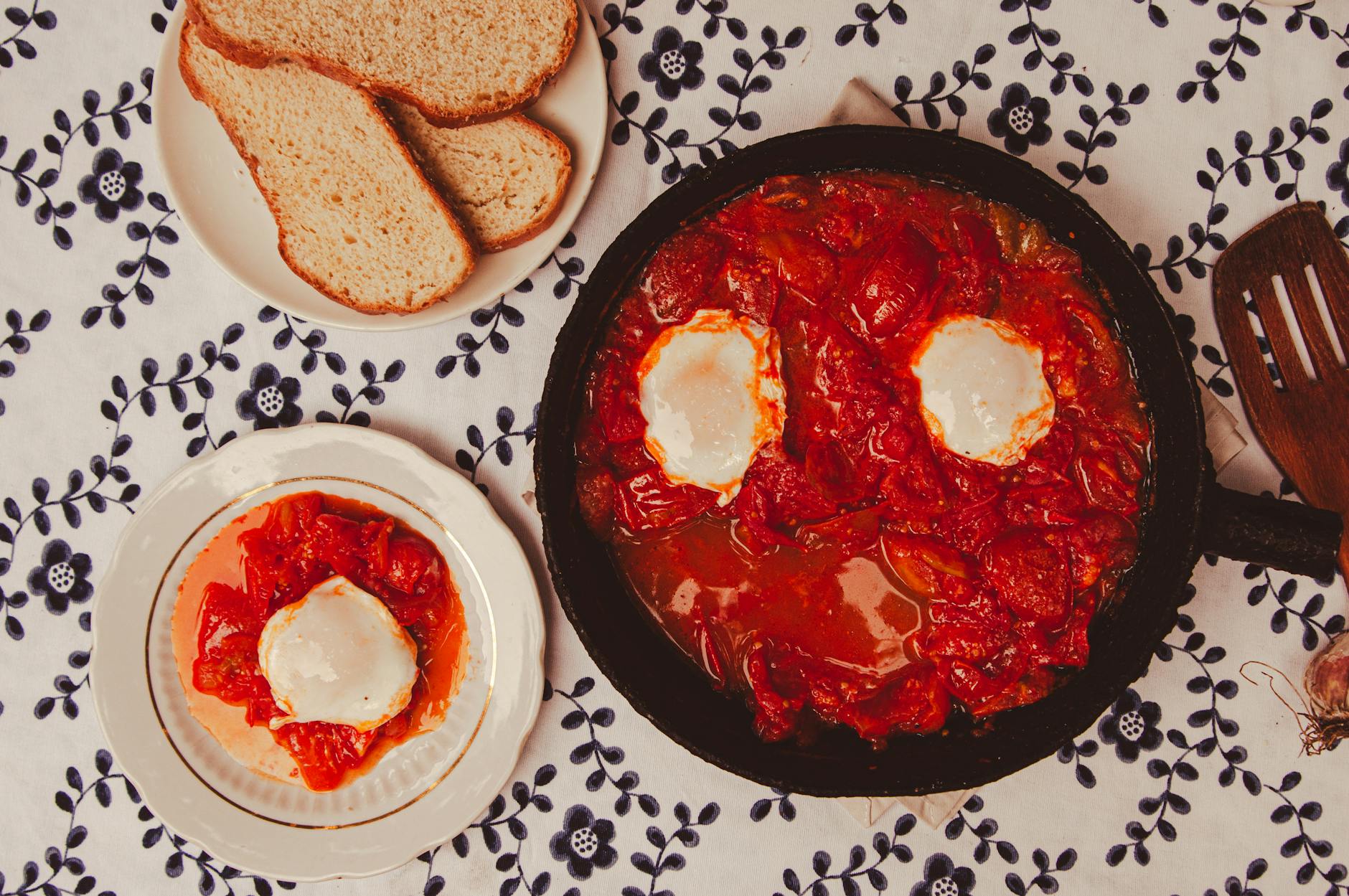
There is a specific, almost primal satisfaction that comes from a simmering cast-iron skillet of Shakshuka placed in the center of a table. The deep, ochre-red sauce bubbles lazily around pearlescent egg whites, while the golden yolks tremble, waiting to be pierced by a torn piece of warm crusty bread. For me, Shakshuka isn’t just a meal; it’s a sensory ritual. I remember the first time I experienced a truly authentic version in a sun-drenched courtyard in North Africa. The air was thick with the scent of toasted cumin and charred peppers, a fragrance that seemed to wake up my palate before I even took a bite. As a culinary journalist, I’ve spent years dissecting why this dish has captured the global imagination, and the answer lies in its perfect balance of acidity, spice, and the creamy richness of a perfectly poached egg.
The Rich History and Cultural Roots of This Dish
The story of Shakshuka is a fascinating map of human migration and culinary exchange. While most contemporary food lovers associate it with the Levant, its roots are firmly planted in North Africa, specifically within the Maghreb region encompassing Tunisia, Algeria, and Morocco. The word itself, “shakshuka,” roughly translates to “all mixed up” or “shaken” in various Arabic dialects, a nod to the haphazardly beautiful way the vegetables are combined in the pan. Its origins are often traced back to the Ottoman Empire, where a meat-based dish called saksuka existed. However, the introduction of tomatoes and peppers from the New World transformed it into the vegetarian-forward masterpiece we recognize today.
As the dish traveled, it evolved. In Tunisia, it is often incredibly spicy, laced with heavy doses of harissa—a fermented chili paste that provides a complex, smoky heat. When North African Jewish immigrants moved to Israel in the mid-20th century, they brought the dish with them. It was affordable, nutritious, and utilized ingredients that were readily available, making it a staple of the working class before it ascended to its current status as a trendy brunch icon. In these cultural contexts, Shakshuka was never just a breakfast food; it was a communal lunch or dinner, meant to be eaten directly from the pan, emphasizing the social nature of the meal.
Beyond the Maghreb, you can find distant cousins of this dish across the Mediterranean. In Turkey, there is Menemen, which uses similar ingredients but scrambles the eggs directly into the vegetables. In Italy, Uova in Purgatorio (Eggs in Purgatory) offers a simpler, herb-forward profile using basil and parmesan. Each iteration tells a story of the local soil and the hands that have stirred the pot for generations. Understanding this history helps us appreciate that while the recipe is simple, it carries the weight of centuries of tradition and the warmth of countless family kitchens.

📷 Photo by Mohamed Olwy on Pexels — Free to use under the Pexels License
Why This Recipe Works: The Food Science Behind It
The magic of a great Shakshuka isn’t accidental; it’s the result of several fundamental chemical reactions. First and foremost is the Maillard reaction. This occurs when you sauté your onions and peppers in olive oil. As the sugars and amino acids in the vegetables are heated, they reorganize to create hundreds of new flavor compounds, giving the base its savory depth. If you rush this step and merely sweat the vegetables until they are translucent, you miss out on the complex, caramelized notes that define a professional-grade sauce. I always tell my students: “Color is flavor.”
According to American Heart Association, heart-healthy cooking guidance plays an important role in understanding food preparation and nutrition.
Then, we must consider the role of acidity and emulsification. Tomatoes are naturally acidic (pH around 4.5), which is crucial for balancing the rich, fatty lipids in the egg yolks. However, if the sauce is too acidic, it can taste sharp and one-dimensional. By slowly simmering the sauce, we concentrate the natural sugars in the tomatoes, a process of thermal degradation that mellows the bite. Furthermore, as the olive oil mingles with the moisture from the vegetables and the pectin released from the tomato cell walls, a light emulsification occurs. This creates that silky, “lip-smacking” mouthfeel that separates a watery sauce from a luxurious stew.
Finally, the poaching of the eggs within the sauce is a masterclass in protein denaturation. Unlike poaching in water, where the egg is submerged in a turbulent liquid, poaching in a thick sauce provides a gentle, insulating environment. The thick tomato base conducts heat more slowly than water, allowing the egg whites (mostly albumin) to coagulate at around 144°F (62°C) while keeping the yolks (rich in fats and lecithin) liquid until they reach roughly 158°F (70°C). This narrow temperature window is why we cover the pan—the steam trapped under the lid cooks the top of the whites simultaneously with the bottom, ensuring you don’t end up with raw “snotty” whites and overcooked, chalky yolks.
Complete Ingredient Breakdown
To achieve the ultimate Shakshuka, every ingredient must serve a purpose. Here is what you need for a skillet that serves four people:
According to Mayo Clinic, nutrition science and health plays an important role in understanding food preparation and nutrition.
- Extra Virgin Olive Oil (30ml / 2 tbsp): This is your primary fat source. Use a high-quality oil with peppery notes to complement the spices.
- Yellow Onion (150g / 1 medium): Diced finely. The onion provides the foundational sweetness through caramelization.
- Red Bell Pepper (200g / 1 large): Sliced into thin strips. Red peppers have a higher sugar content than green ones, which balances the acidity of the tomatoes.
- Garlic (4 cloves): Minced. Garlic contains allicin, which provides that pungent aromatic kick. Add it late in the sautéing process to prevent burning.
- Tomato Paste (30g / 2 tbsp): This is my secret for depth. It’s essentially “umami in a tube,” providing concentrated tomato flavor and helping to thicken the sauce.
- Ground Cumin (5g / 1 tsp): Provides the earthy, warm backbone characteristic of North African cuisine.
- Smoked Paprika (5g / 1 tsp): Adds a subtle wood-fired flavor that mimics the traditional clay oven or charcoal cooking methods.
- Crushed Red Pepper Flakes (2g / 1/2 tsp): For a gentle heat. Adjust this based on your tolerance.
- Canned Whole Peeled Tomatoes (800g / 28 oz): I prefer whole tomatoes crushed by hand. They have better texture and fewer additives than “petite diced” versions, which often contain calcium chloride to keep them firm.
- Large Eggs (4 to 6): Freshness matters here. Fresh eggs have stronger chalazae (the protein strands that hold the yolk), meaning they won’t spread as much in the sauce.
- Feta Cheese (50g / 1/4 cup): Crumbled. The saltiness of the feta acts as a final seasoning and provides a creamy contrast to the spicy sauce.
- Fresh Cilantro or Parsley (10g / a handful): For a burst of chlorophyll and brightness to cut through the richness.

📷 Photo by Marcelo Verfe on Pexels — Free to use under the Pexels License
Step-by-Step Instructions
Before you turn on the stove, ensure your mise en place is ready. Shakshuka moves quickly once the aromatics are in the pan, and you don’t want to be chopping garlic while your onions are on the verge of burning. For more delicious ideas, explore our delicious dessert recipes collection.
- Step 1 — The Aromatic Base: Heat the olive oil in a 12-inch (30cm) cast-iron skillet over medium heat. Add the diced onions and bell peppers. Sauté for 8–10 minutes, stirring occasionally, until the onions are golden and the peppers have softened significantly. You are looking for those slightly charred edges on the peppers—this is where the flavor lives.
- Step 2 — Blooming the Spices: Create a small well in the center of the vegetables and add the minced garlic, cumin, smoked paprika, and red pepper flakes. Stir for exactly 60 seconds. This process, known as “blooming,” allows the fat-soluble flavor compounds in the spices to dissolve into the oil, intensifying their aroma and flavor profile throughout the entire dish.
- Step 3 — The Tomato Transformation: Stir in the tomato paste and cook for another 2 minutes until it turns a deep brick-red color. Then, add the canned tomatoes (crush them with your hands or a spoon as you add them). Reduce the heat to medium-low and let the sauce simmer for 15–20 minutes. You want the liquid to reduce until the sauce is thick enough that a spoon drawn through it leaves a trail.
- Step 4 — Creating the Nests: Use the back of a large spoon to make 4 to 6 small indentations (wells) in the sauce. This provides a “nest” for each egg, preventing them from running together and ensuring they cook evenly within the heat of the sauce.
- Step 5 — The Egg Addition: Crack each egg into a small ramekin first, then gently pour it into a well. This prevents shell fragments from entering the dish and ensures you don’t accidentally drop a broken yolk into your perfect sauce. Season each individual yolk with a tiny pinch of kosher salt.
- Step 6 — Controlled Poaching: Cover the skillet with a tight-fitting lid and let it cook for 5–8 minutes. Start checking at the 5-minute mark. You are looking for whites that are completely opaque and set, but yolks that still have a distinct “jiggle” when you gently shake the pan. Remove from heat immediately, as the residual heat of the cast iron will continue to cook the eggs for another minute.
Expert Tips from Years of Kitchen Experience
Over the years, I’ve made hundreds of Shakshukas, and I’ve learned that the smallest details make the biggest difference. It’s the gap between a “good” home-cooked meal and a “restaurant-quality” experience that lingers in your memory.
- Temperature Control: Never boil the sauce once the eggs are in. If the sauce is boiling, the bottom of the eggs will become rubbery before the tops are cooked. A gentle simmer—barely a bubble—is your best friend. This ensures a delicate, custardy texture in the whites.
- Ingredient Quality: Since this is a simple dish, there is nowhere for poor ingredients to hide. If it’s winter, use high-quality canned San Marzano tomatoes rather than mealy, flavorless fresh ones. The canned versions are picked at peak ripeness and processed immediately, preserving their natural sweetness and lycopene content.
- Timing and Patience: One trick I discovered is to let the sauce sit for 5 minutes before adding the eggs. This allows the flavors to meld and the temperature to stabilize. Rushing the sauce reduction leads to a watery Shakshuka that will dilute the richness of the yolk.
- Seasoning Balance: Always taste your sauce before adding the eggs. Once the eggs are in, you can’t easily stir in more salt or spice without breaking them. If the sauce tastes too “tinny” from the canned tomatoes, add a tiny pinch of sugar (about 1/4 teaspoon). This won’t make it sweet, but it will chemically neutralize the excess acidity.
Nutritional Benefits and Health Insights
Shakshuka is a nutritional powerhouse, making it an ideal choice for those seeking a balanced, whole-food meal. A standard serving (two eggs with sauce) contains approximately 280 calories, 18 grams of high-quality protein, and 12 grams of healthy fats. The eggs provide essential choline, which is vital for brain health and neurotransmitter function, along with Vitamin D and B12. Because the eggs are poached rather than fried in heavy butter, you minimize the intake of oxidized fats.
The vegetable base is equally impressive. Tomatoes are the primary dietary source of lycopene, a powerful antioxidant linked to reduced risk of heart disease and certain cancers. Interestingly, the bioavailability of lycopene actually increases when tomatoes are cooked and consumed with a fat source like olive oil, making Shakshuka a perfect delivery system for this nutrient. Furthermore, the bell peppers contribute over 100% of your daily Vitamin C requirement, while the garlic and cumin offer anti-inflammatory benefits. This dish is naturally gluten-free (unless served with bread) and can easily be made dairy-free by omitting the feta. For more delicious ideas, explore our easy lunch ideas collection.
Creative Variations and Dietary Adaptations
One of the reasons Shakshuka has become a global favorite is its incredible versatility. Once you master the base, you can adapt it to any dietary need or flavor preference.
- The Green Shakshuka: Swap the tomatoes for a base of sautéed spinach, kale, and leeks. Use heavy cream or coconut milk to create a rich, verdant sauce, and finish with plenty of fresh dill and lemon zest.
- The Protein-Packed Meat Version: For a heartier meal, brown some spicy Merguez sausage or chorizo in the pan before adding the onions. The rendered fat from the meat will infuse the entire sauce with an incredible smoky depth.
- The Vegan Adaptation: Replace the eggs with thick slices of silken tofu or “nests” of seasoned chickpeas. To mimic the sulfurous flavor of eggs, sprinkle a little Kala Namak (Himalayan black salt) over the tofu before serving.
- The Mediterranean Twist: Add a handful of pitted Kalamata olives and marinated artichoke hearts to the simmering sauce. Swap the cilantro for fresh oregano and top with a dollop of Greek yogurt to cool the spice.
Frequently Asked Questions
Why do my egg yolks always turn white on top?
This is usually a result of the steam trapped under the lid. While it’s necessary to cook the whites, too much steam for too long will cook the thin layer of protein over the yolk, making it look opaque. To avoid this, keep a close eye on the pan and remove the lid when the whites are 90% set. The residual heat will finish the job without “clouding” your beautiful yellow yolks.
Can I make the sauce ahead of time?
Absolutely! In fact, the sauce often tastes better the next day as the spices have more time to infuse. You can prepare the tomato and pepper base up to 3 days in advance and store it in the refrigerator. When you’re ready to eat, simply reheat the sauce in a skillet until simmering, then proceed with adding the eggs. This makes it an excellent option for a stress-free weekend brunch.
What is the best bread to serve with Shakshuka?
You need something sturdy and porous to soak up the sauce and yolk. A traditional choice is Challah or a thick slice of sourdough. In North Africa, it’s often served with pita or a crusty baguette. If you’re looking for a lower-carb option, it’s surprisingly delicious served over a bed of roasted cauliflower or simply eaten on its own with a spoon.
My sauce is too watery; what did I do wrong?
This usually happens if the vegetables weren’t cooked long enough or if the tomatoes weren’t reduced sufficiently. The vegetables release a lot of water as they break down. Ensure you sauté the peppers until they are soft and simmer the tomato sauce until it reaches a jam-like consistency before adding the eggs. If you’re using fresh tomatoes, you may need to simmer them for twice as long as canned ones.
Final Thoughts
There is a reason Shakshuka has survived for centuries and traveled across oceans to land on your kitchen table. It is a dish that rewards patience and celebrates the beauty of simple, fresh ingredients. Every time I crack an egg into that bubbling red sea, I feel a connection to the generations of cooks who did the same in small kitchens from Tunis to Tel Aviv. Don’t be afraid to make it your own—add more heat if you’re feeling bold, or extra cheese if you need comfort. Cooking is a conversation, and Shakshuka is one of the most vibrant stories you can tell. So, grab your favorite skillet, put on some music, and let the aroma of toasted cumin fill your home. Your perfect brunch is only a simmer away.