


?f�? In This Article
- The Rich History and Cultural Roots of This Dish
- Why This Recipe Works: The Food Science Behind It
- Complete Ingredient Breakdown
- Step-by-Step Instructions
- Expert Tips from Years of Kitchen Experience
- Nutritional Benefits and Health Insights
- Creative Variations and Dietary Adaptations
- Frequently Asked Questions
- Final Thoughts
I’ll never forget the first time I tasted French onion soup at a tiny Parisian bistro near the Seine. The rich, sweet aroma of caramelized onions hit me before the bowl even arrived, and that first spoonful—warm, savory broth with a golden crust of melted cheese—was pure comfort in a bowl. Years later, as a home cook juggling work and family, I assumed this dish was off-limits for weeknights. After all, most recipes call for hours of simmering. But after countless experiments, I cracked the code: a quick, easy version that delivers all the depth of the classic in under 45 minutes. The secret? Science, patience, and a few clever shortcuts.
The Rich History and Cultural Roots of This Dish
French onion soup, or soupe à l’oignon, traces its origins to 18th-century Paris, where it was a humble dish born of necessity. Street vendors and working-class Parisians relied on onions—cheap, plentiful, and easy to store—to create a filling, warming meal. The dish gained aristocratic fame in the 19th century when King Louis XV allegedly whipped up a version during a hunting trip, using onions, butter, and champagne. By the early 20th century, it had become a staple of Parisian bistros, especially as a late-night cure for revelers after a night out.
What’s fascinating is how the soup evolved across regions. In Lyon, chefs often add a splash of white wine and a touch of cream, while in Provence, it might include a hint of herbes de Provence or a swirl of local olive oil. The American version, popularized in the mid-20th century, often features a thicker broth and a more generous cheese topping, reflecting the country’s love for hearty, indulgent flavors. Despite these variations, the core of the dish remains the same: deeply caramelized onions, rich broth, and a crispy, cheesy crown.
Today, French onion soup is a symbol of comfort food worldwide, but its roots remind us that great dishes often start with simple, accessible ingredients. The beauty of this recipe is that it honors that tradition while adapting to modern life—no all-day simmer required.

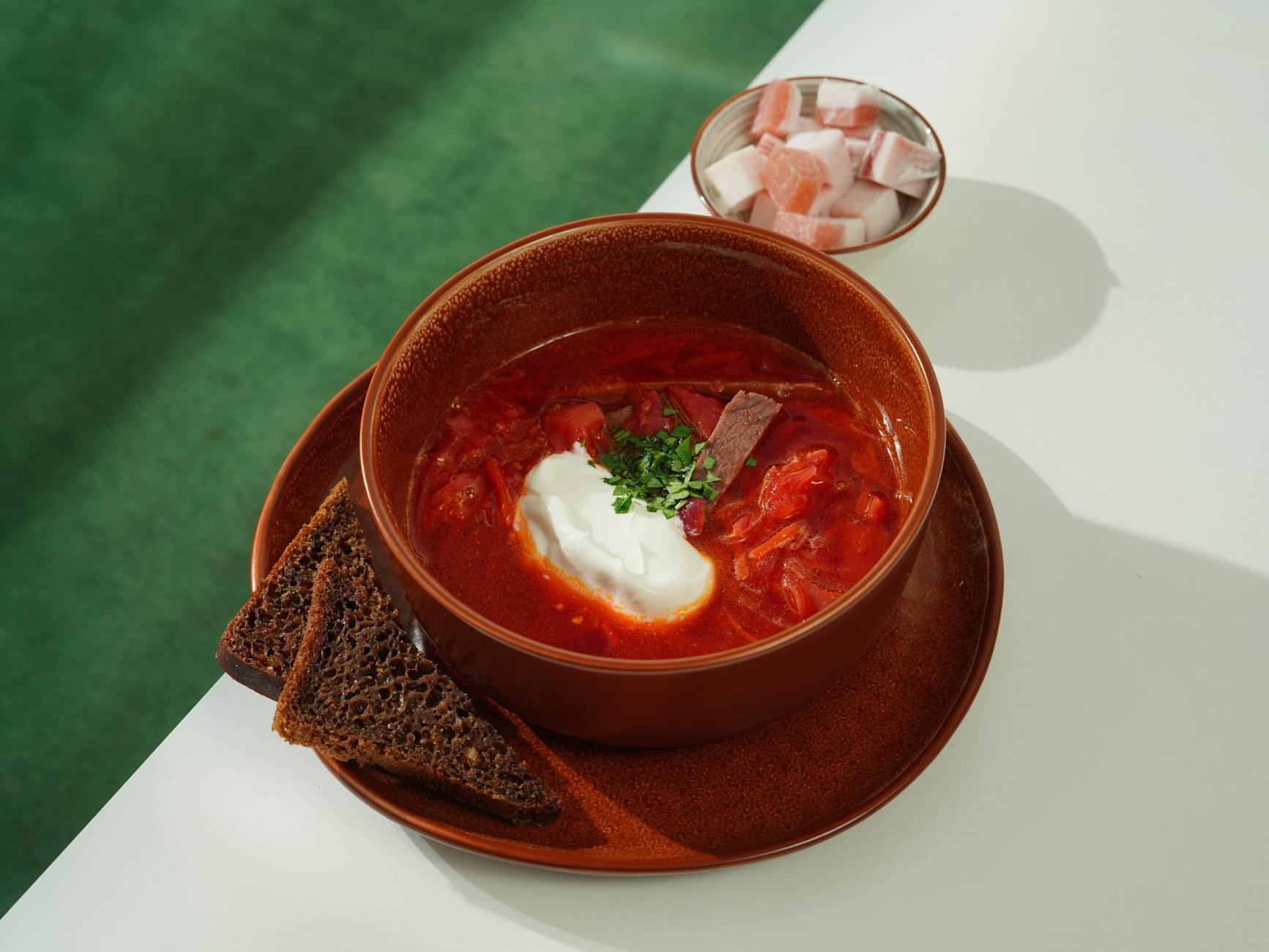
?f�? Photo by Gonzalo Acuña on Pexels ?�� Free to use under the Pexels License
Why This Recipe Works: The Food Science Behind It
The magic of French onion soup lies in two key chemical reactions: caramelization and the Maillard reaction. Caramelization occurs when the natural sugars in onions break down under heat, transforming them from sharp and pungent to sweet and jammy. This process starts around 230°F (110°C) and peaks between 300–350°F (150–175°C). The Maillard reaction, which begins around 285°F (140°C), is responsible for the deep, savory flavors and golden-brown color. Unlike caramelization, which only involves sugars, the Maillard reaction occurs between sugars and amino acids (the building blocks of protein), creating hundreds of new flavor compounds.
According to USDA FoodData Central, nutritional data and food composition plays an important role in understanding food preparation and nutrition.
Another critical factor is the broth. A well-made beef stock contains gelatin, which gives the soup its luxurious, velvety mouthfeel. When combined with the caramelized onions, the gelatin helps emulsify the fats, creating a rich, cohesive broth. The cheese topping—traditionally Gruyère—melts beautifully thanks to its high moisture content and moderate fat levels, forming a crispy, golden crust that traps heat and keeps the soup piping hot. Even the croutons play a role: their dry, porous texture soaks up the broth without turning soggy, adding a satisfying contrast to the creamy cheese.
In this quick version, we accelerate these reactions by using a few tricks: slicing the onions thinly for faster caramelization, adding a pinch of sugar to jumpstart browning, and deglazing the pot with a splash of wine to dissolve the flavorful browned bits (fond) clinging to the bottom. The result? A soup that tastes like it simmered for hours, not minutes.
Complete Ingredient Breakdown
Every ingredient in French onion soup plays a specific role, contributing to its signature balance of sweet, savory, and umami flavors. Here’s what you’ll need and why each component matters:
According to PubMed Central, peer-reviewed food science studies plays an important role in understanding food preparation and nutrition.
Base Ingredients
- Yellow onions (4 large, ~900g): The star of the show. Yellow onions have the perfect balance of sweetness and sulfur compounds, which mellow and deepen during caramelization. Avoid red onions—they’re too sharp and can turn an unappetizing color. Sweet onions (like Vidalia) work in a pinch but lack the complexity of yellow onions.
- Unsalted butter (4 tbsp, 57g): Butter adds richness and helps the onions caramelize evenly. The milk solids in butter also contribute to the Maillard reaction, enhancing flavor. Use unsalted butter to control the salt level in the final dish.
- Olive oil (2 tbsp): Adding oil to the butter raises the smoke point, preventing the butter from burning during the long caramelization process. A neutral oil like grapeseed works too, but olive oil adds a subtle fruity note.
- Garlic (3 cloves, minced): Garlic adds a pungent, aromatic depth that complements the sweetness of the onions. Mince it finely so it disperses evenly throughout the soup. For a milder flavor, roast the garlic first and mash it into a paste.
- All-purpose flour (1 tbsp): A small amount of flour thickens the broth slightly, giving it a more luxurious texture. It also helps emulsify the fats, creating a cohesive soup. For a gluten-free version, use a 1:1 gluten-free flour blend or omit it entirely—the soup will be slightly thinner but still delicious.
- Beef stock (6 cups, 1.4L): The backbone of the soup. Use a high-quality, low-sodium beef stock for the best flavor. Homemade stock is ideal, but store-bought works if it’s rich and gelatinous. Avoid bouillon cubes—they’re too salty and lack depth. For a vegetarian version, use a dark mushroom or vegetable stock with a splash of soy sauce for umami.
- Dry white wine (1/2 cup, 120ml): Wine deglazes the pot, dissolving the browned bits (fond) and adding acidity to balance the sweetness of the onions. Use a dry white wine like Sauvignon Blanc or Pinot Grigio. Avoid cooking wine—it’s too salty and lacks flavor. If you don’t drink wine, substitute with an equal amount of apple cider vinegar or additional stock.
- Fresh thyme (4 sprigs) or dried thyme (1 tsp): Thyme adds an earthy, slightly floral note that pairs beautifully with the onions. Fresh thyme is ideal, but dried works in a pinch. Other herbs like rosemary or bay leaf can overpower the soup, so stick with thyme.
- Bay leaf (1): A single bay leaf adds a subtle, herbal depth. Remove it before serving, as it can be tough and unpleasant to eat.
- Salt and black pepper (to taste): Seasoning is key. Salt enhances the natural sweetness of the onions and balances the richness of the broth. Use kosher salt for better control. Freshly ground black pepper adds a hint of warmth.
- Sugar (1 tsp): A small amount of sugar speeds up caramelization by helping the onions brown faster. It doesn’t make the soup sweet—it just deepens the flavor.
- Baguette (6 slices, 1/2-inch thick): A classic French baguette is ideal for croutons—its crisp crust and airy interior soak up the broth without falling apart. For a gluten-free option, use a sturdy gluten-free baguette or skip the croutons and serve the soup with a side of gluten-free crackers.
- Gruyère cheese (1 1/2 cups, 150g, grated): Gruyère is the gold standard for French onion soup. Its nutty, slightly sweet flavor and excellent melting properties create the perfect cheesy crust. If you can’t find Gruyère, Swiss cheese is a decent substitute, though it lacks the same depth. For a vegetarian option, use a high-quality Emmental or Comté.
- Parmesan cheese (1/4 cup, 25g, grated): A sprinkle of Parmesan adds a salty, umami boost to the cheese topping. It also helps the Gruyère brown more evenly under the broiler.
- Prep the Onions:
Slice the onions thinly (about 1/8-inch thick) for even cooking. Use a sharp knife to avoid crushing the layers, which can make the soup mushy. If you’re short on time, use a mandoline for uniform slices—just be careful with your fingers! Toss the sliced onions with the sugar in a bowl to help them caramelize faster.
- Caramelize the Onions:
Heat a large, heavy-bottomed pot (like a Dutch oven) over medium heat. Add the butter and olive oil, swirling to coat the bottom. Once the butter foams, add the onions and stir to coat. Cook, stirring occasionally, for 20–25 minutes. At first, the onions will release a lot of moisture—this is normal. After about 15 minutes, the liquid will evaporate, and the onions will start to brown. Reduce the heat to medium-low and continue cooking until the onions are deep golden brown (about 35–40 minutes total). If they start to burn, lower the heat and add a splash of water to deglaze.
Pro tip: Resist the urge to stir constantly. Let the onions sit for a few minutes between stirs to develop a deep color. The fond (browned bits) that stick to the bottom of the pot is packed with flavor—we’ll deglaze it in the next step.
- Deglaze and Build the Broth:
Once the onions are caramelized, add the minced garlic and cook for 30 seconds until fragrant. Pour in the white wine, scraping the bottom of the pot with a wooden spoon to dissolve the fond. Let the wine simmer for 2–3 minutes until it reduces by half. Sprinkle the flour over the onions and stir to coat. Cook for 1 minute to remove the raw flour taste.
Slowly pour in the beef stock, stirring constantly to prevent lumps. Add the thyme, bay leaf, 1 tsp salt, and 1/2 tsp black pepper. Bring the soup to a simmer, then reduce the heat to low. Let it cook uncovered for 15–20 minutes to meld the flavors. Taste and adjust the seasoning—it should be well-balanced, with the sweetness of the onions complementing the savory broth.
- Toast the Croutons:
While the soup simmers, preheat your oven to 375°F (190°C). Arrange the baguette slices on a baking sheet and toast for 5–7 minutes until golden and crisp. For extra flavor, brush the slices with a little olive oil and rub them with a cut garlic clove before toasting.
- Assemble and Broil:
Preheat the broiler to high. Ladle the soup into oven-safe bowls (or a large oven-safe dish if you’re serving family-style). Top each bowl with a toasted baguette slice and a generous handful of grated Gruyère and Parmesan. Place the bowls on a baking sheet (to catch any cheese drips) and broil for 2–3 minutes, or until the cheese is bubbly and golden brown. Keep a close eye on it—the cheese can burn quickly!
- Serve Immediately:
Let the soup cool for a minute or two before serving—it will be piping hot. Garnish with a sprinkle of fresh thyme or black pepper if desired. Serve with extra baguette slices on the side for dipping.
- Temperature Control:
The key to perfect caramelization is patience and heat management. Start with medium heat to soften the onions, then reduce to medium-low once they start browning. If the onions cook too quickly, they’ll burn before they caramelize. If they’re not browning after 30 minutes, increase the heat slightly. One trick I love: after the onions release their liquid, push them to one side of the pot and let the fond develop on the empty side. Then, stir the onions into the fond to deglaze—this adds layers of flavor.
- Ingredient Quality:
Not all beef stocks are created equal. Cheap store-bought stocks often lack gelatin, which gives the soup its silky texture. Look for stocks labeled “bone broth” or “homemade-style”—they’re richer and more flavorful. If you’re using store-bought, simmer it with a few beef bones or a Parmesan rind for 20 minutes to deepen the flavor. For the cheese, always grate it fresh—pre-shredded cheese contains anti-caking agents that prevent it from melting smoothly.
- Timing and Patience:
Rushing the caramelization is the biggest mistake home cooks make. If you’re short on time, slice the onions thinner—they’ll cook faster. But don’t skip the browning step! The deep color and flavor come from the Maillard reaction, which can’t be rushed. Another time-saving tip: caramelize the onions in batches if your pot isn’t large enough. Crowding the pot steams the onions instead of browning them.
- Seasoning Balance:
French onion soup should be a harmony of sweet, savory, and umami. Taste the soup before adding the cheese—it should be well-seasoned on its own. If it tastes flat, add a splash of soy sauce or Worcestershire sauce for umami. If it’s too sweet, a squeeze of lemon juice or a splash of vinegar will brighten it up. Remember, the cheese will add saltiness, so err on the side of under-seasoning the broth.
Broth and Seasonings
Garnish
?f�? Photo by Alexander F Ungerer on Pexels ?�� Free to use under the Pexels License
Step-by-Step Instructions
This recipe is designed for speed without sacrificing flavor. The key is to prep everything before you start cooking—this is called mise en place, and it ensures you won’t scramble to chop onions while they’re burning in the pot. Here’s how to do it:

?f�? Photo by Alexey Demidov on Pexels ?�� Free to use under the Pexels License For more delicious ideas, explore our easy lunch ideas collection.
Expert Tips from Years of Kitchen Experience
After making this soup dozens of times, I’ve learned a few tricks that take it from good to outstanding. Here’s what separates a mediocre French onion soup from one that wows:
Nutritional Benefits and Health Insights
French onion soup isn’t just delicious—it’s also packed with nutrients. A single serving (about 1 1/2 cups) provides roughly 250–300 calories, 15g of protein, and 10g of fat, mostly from the cheese and butter. Here’s a breakdown of the key nutrients and their health benefits:
Onions are a nutritional powerhouse. They’re rich in vitamin C (12% of the daily value per cup), which supports immune function and collagen production. They also contain quercetin, a flavonoid with anti-inflammatory and antioxidant properties. Studies suggest quercetin may help lower blood pressure and reduce the risk of heart disease. Additionally, onions are a good source of prebiotic fiber, which feeds the beneficial bacteria in your gut, promoting digestive health.
The beef stock in this soup provides collagen, which breaks down into gelatin during cooking. Gelatin is rich in amino acids like glycine and proline, which support joint health, skin elasticity, and gut integrity. A 2017 study published in the Journal of Agricultural and Food Chemistry found that bone broth may help reduce inflammation and support immune function. The cheese topping adds calcium (20% of the daily value per serving) and vitamin B12, which is essential for nerve function and red blood cell production.
For those watching their sodium intake, opt for low-sodium beef stock and reduce the added salt. You can also use a smaller amount of cheese or choose a lower-sodium variety like Swiss. To make this soup vegetarian, swap the beef stock for a rich mushroom or vegetable stock and use a vegetarian-friendly cheese like Emmental. For a gluten-free version, omit the flour or use a gluten-free flour blend, and serve the soup with gluten-free croutons or crackers. For more delicious ideas, explore our cooking tips and guides collection.
Creative Variations and Dietary Adaptations
While the classic French onion soup is hard to beat, there are plenty of ways to put your own spin on it. Here are a few creative variations to suit different tastes and dietary needs:
Vegan French Onion Soup
Replace the beef stock with a dark mushroom or vegetable stock, and use olive oil instead of butter. For the cheese topping, try a vegan Gruyère-style cheese (like Miyoko’s) or a cashew-based cheese sauce. To add umami, stir in a tablespoon of nutritional yeast or a splash of soy sauce. The result is just as rich and satisfying as the original.
Spicy French Onion Soup
Add a kick to your soup with a pinch of cayenne pepper or a diced jalapeño. For extra heat, stir in a teaspoon of harissa paste or a dash of hot sauce. Top the soup with pepper jack cheese instead of Gruyère for a spicy, melty finish. This version is perfect for those who love a little heat with their comfort food.
French Onion Soup Grilled Cheese
Turn this soup into a meal by serving it with a French onion soup-inspired grilled cheese sandwich. Spread caramelized onions on sourdough bread, top with Gruyère and Parmesan, and grill until golden and crispy. Dip the sandwich into the soup for the ultimate comfort food experience.
Slow Cooker French Onion Soup
If you prefer hands-off cooking, this soup adapts beautifully to the slow cooker. Caramelize the onions on the stovetop first (this step can’t be skipped!), then transfer them to the slow cooker with the remaining ingredients. Cook on low for 4–6 hours or on high for 2–3 hours. Top with croutons and cheese, then broil as usual.
French Onion Soup with a Twist
For a fun twist, add a splash of apple cider or a teaspoon of Dijon mustard to the broth for brightness. Or, stir in a handful of sautéed mushrooms for extra umami. You can also experiment with different cheeses—try a mix of Gruyère and blue cheese for a bold, tangy flavor, or use fontina for a milder, creamier topping.
Frequently Asked Questions
Can I make French onion soup ahead of time?
Absolutely! The soup tastes even better the next day as the flavors meld. Prepare the soup up to the point of adding the cheese topping, then let it cool completely. Store it in an airtight container in the fridge for up to 3 days or in the freezer for up to 3 months. When you’re ready to serve, reheat the soup on the stovetop over medium heat until hot. Top with croutons and cheese, then broil as usual. If the soup is too thick after reheating, thin it with a little water or stock.
Why did my onions turn mushy instead of caramelizing?
Mushy onions are usually the result of two mistakes: overcrowding the pot or cooking them over too high heat. When onions are crowded, they steam instead of brown, leading to a soft, soggy texture. Cook them in batches if necessary. High heat can also cause onions to break down before they caramelize. Start with medium heat, then reduce to medium-low once the onions release their liquid. Stir occasionally, but let them sit for a few minutes between stirs to develop color.
Can I use a different type of cheese?
While Gruyère is traditional, you can experiment with other cheeses. Swiss cheese is a good substitute—it melts well and has a mild, nutty flavor. For a sharper taste, try a mix of Gruyère and sharp cheddar. If you’re avoiding dairy, vegan cheeses like Miyoko’s or Follow Your Heart melt beautifully and add a similar richness. Just avoid pre-shredded cheese, as the anti-caking agents prevent it from melting smoothly.
How do I prevent the cheese from burning under the broiler?
Burnt cheese is a common issue, but it’s easy to avoid. First, make sure your broiler is preheated—this ensures the cheese melts quickly and evenly. Second, keep a close eye on the soup while it’s under the broiler. The cheese can go from golden to burnt in seconds. If your broiler runs hot, place the soup on the middle rack instead of the top. Finally, use a mix of Gruyère and Parmesan—the Parmesan helps the Gruyère brown more evenly.
Final Thoughts
French onion soup is one of those dishes that feels like a hug in a bowl. It’s rich, comforting, and full of layers of flavor that come together in perfect harmony. And the best part? You don’t need hours to make it. With a few smart shortcuts and a little patience, you can enjoy this classic in under 45 minutes—perfect for a cozy weeknight dinner or a lazy Sunday lunch.
I love making this soup when I need a reminder that good food doesn’t have to be complicated. It’s a dish that celebrates simplicity, turning humble ingredients into something extraordinary. And the beauty of it is that it’s endlessly adaptable. Whether you stick to the classic recipe or put your own spin on it, French onion soup is a canvas for creativity.
So, grab your onions, fire up the stove, and get ready to create something magical. And remember: the secret to great cooking isn’t just in the recipe—it’s in the love and attention you bring to the process. Happy cooking!
Hungry for more recipes?
Browse our full collection of easy, delicious recipes on justcookdaily.com.