


?? In This Article
- The Rich History and Cultural Roots of This Dish
- Why This Recipe Works: The Food Science Behind It
- Complete Ingredient Breakdown
- Step-by-Step Instructions
- Expert Tips from Years of Kitchen Experience
- Nutritional Benefits and Health Insights
- Creative Variations and Dietary Adaptations
- Frequently Asked Questions
- Final Thoughts
I still remember the first time I made a vegetarian dinner in under 30 minutes that didn’t taste like an afterthought. It was a Tuesday—one of those nights where the clock seemed to mock me, ticking louder with every unanswered email and unfinished chore. My daughter had soccer practice, my husband was working late, and the fridge looked like a sad inventory of wilting herbs and half-used tofu blocks. Then I remembered a trick I’d learned from a street food vendor in Mumbai: the power of blooming spices in hot oil. Within minutes, my kitchen smelled like a bustling spice market, and what emerged from the pan was a creamy coconut chickpea curry so rich and satisfying that my family didn’t even notice the absence of meat. That night, I realized that quick vegetarian dinners aren’t about cutting corners—they’re about working smarter, not harder.
What if I told you that some of the most flavorful vegetarian meals rely on science, not time? The Maillard reaction—the same chemical process that gives seared steak its irresistible crust—can transform humble tofu into a crispy, umami-packed delight in just 10 minutes. Or that a splash of acid (like lemon juice or vinegar) can brighten a dish so much that it tastes like it simmered for hours? These aren’t shortcuts; they’re culinary superpowers. And today, I’m sharing the recipes, techniques, and food science secrets that turn rushed weeknights into moments worth savoring.
The Rich History and Cultural Roots of This Dish
Vegetarian cooking isn’t a modern trend—it’s a tradition that spans centuries and continents. Take the humble chickpea, for example. This legume has been a dietary staple since 3000 BCE, cultivated in the Fertile Crescent and later embraced by Mediterranean, Middle Eastern, and Indian cuisines. In India, where vegetarianism has deep roots in Ayurvedic and religious practices, dishes like chana masala evolved as a way to create protein-rich meals without meat. The technique of blooming spices in hot oil—a method I used in my curry that fateful Tuesday—dates back to ancient Ayurvedic cooking, where it was believed to enhance both flavor and digestibility.
Similarly, stir-frying, a cornerstone of quick vegetarian cooking, originated in China over 1,500 years ago. The high-heat, fast-cooking method was born out of necessity: fuel was scarce, and families needed to cook meals quickly to conserve resources. Today, stir-fries are celebrated worldwide for their speed and versatility, proving that some of the best culinary traditions were forged in the crucible of efficiency. Even Italian cuisine, often associated with slow-simmered ragùs, has its own fast vegetarian heroes, like pasta aglio e olio—a dish so simple it relies on just garlic, olive oil, and chili flakes, yet delivers layers of flavor in minutes.
What fascinates me most is how these dishes transcend borders. A chickpea curry in India might be spiced with garam masala, while its North African cousin, shakshuka, swaps in cumin and harissa. The common thread? These meals were designed to be nourishing, affordable, and—above all—delicious, even when time was short. That’s the legacy we’re tapping into when we cook vegetarian dinners in under 30 minutes: a global tradition of making the most of what’s on hand, without sacrificing flavor or nutrition.

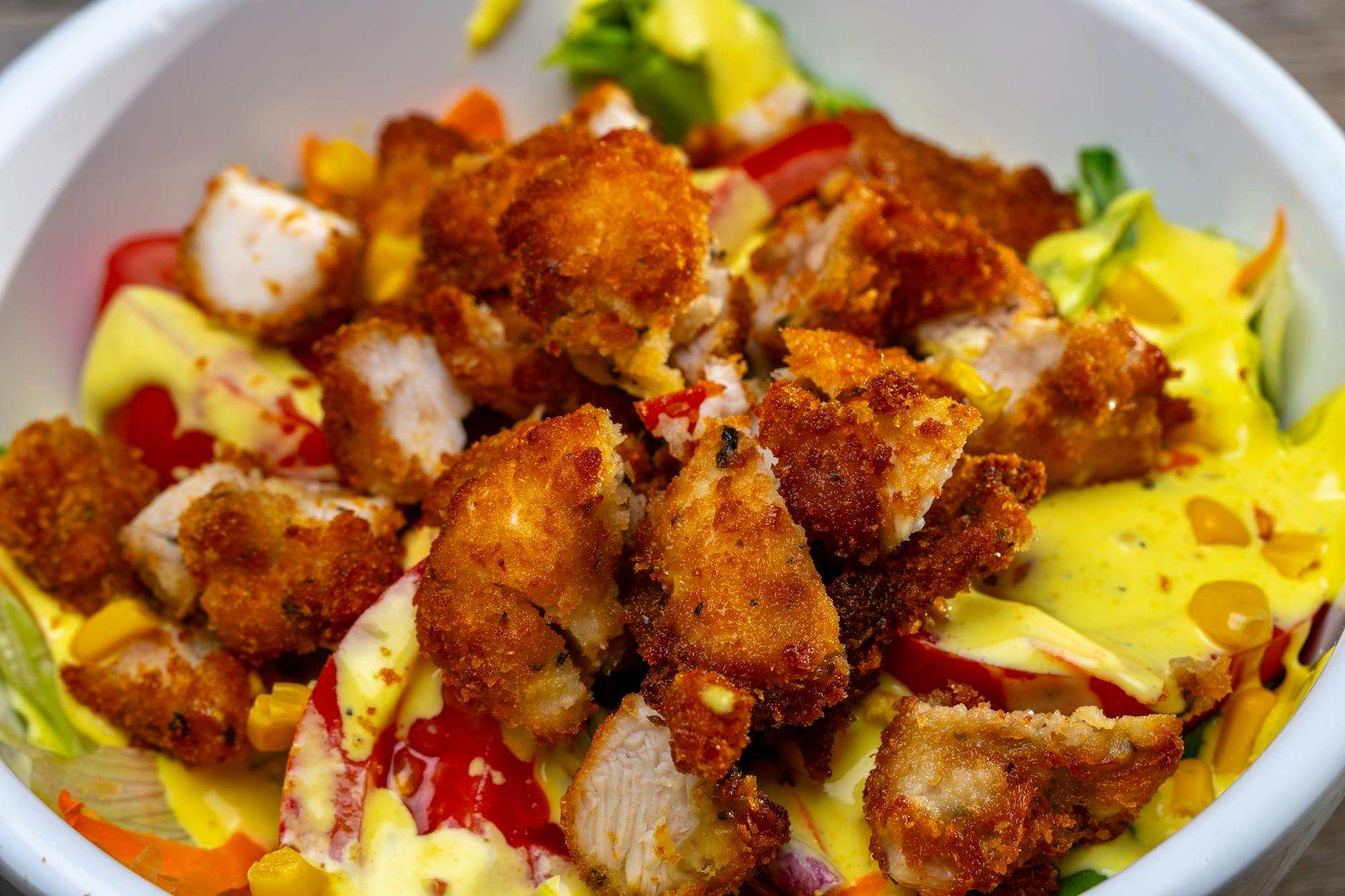
?f?? Photo by Aperture Photography on Pexels – Free to use under the Pexels License
Why This Recipe Works: The Food Science Behind It
Let’s talk about the unsung hero of quick vegetarian cooking: the Maillard reaction. Named after French chemist Louis-Camille Maillard, this chemical process occurs when amino acids and reducing sugars react under heat, creating hundreds of new flavor compounds. It’s why toasted bread tastes richer than untoasted, and why seared tofu has a depth that boiled tofu lacks. The key to harnessing the Maillard reaction in a hurry? High heat and dry surfaces. For example, pressing tofu before cooking removes excess moisture, allowing it to crisp up in a hot pan instead of steaming. A thin layer of cornstarch or arrowroot powder can further accelerate browning by creating a barrier that traps heat—resulting in a golden crust in just 5 minutes.
According to Harvard T.H. Chan School of Public Health, evidence-based nutrition research plays an important role in understanding food preparation and nutrition.
Then there’s the magic of emulsification. Ever wondered why a creamy peanut sauce or tahini dressing tastes so luxurious? It’s because fat and water (or in this case, lemon juice or vinegar) don’t naturally mix—they need an emulsifier, like the natural lecithin in tahini or the proteins in peanut butter, to bind them together. When you whisk tahini with lemon juice and water, the emulsifier surrounds the fat droplets, creating a smooth, stable sauce that coats every bite. This is why a simple tahini-lemon dressing can elevate a bowl of roasted vegetables from ordinary to extraordinary in seconds.
And let’s not forget the role of acid. A squeeze of lemon juice or a splash of vinegar at the end of cooking does more than add brightness—it balances flavors by cutting through richness (like in a creamy coconut curry) and enhancing aromatics (like garlic and ginger in a stir-fry). This is due to the way acid interacts with our taste buds, amplifying other flavors while muting bitterness. It’s the same reason a dash of vinegar in tomato sauce makes it taste more “tomato-y.” In quick cooking, acid is your secret weapon for making dishes taste complex and well-rounded, even when they’re not.
Complete Ingredient Breakdown
For this article, I’m focusing on two foundational recipes that showcase the principles above: a Creamy Coconut Chickpea Curry and a Crispy Tofu and Vegetable Stir-Fry with Peanut Sauce. Both rely on pantry staples, but each ingredient plays a specific role in building flavor, texture, and nutrition. Here’s why they work—and how to swap them if needed.
According to World Health Organization (WHO), dietary guidelines and healthy eating plays an important role in understanding food preparation and nutrition.
Creamy Coconut Chickpea Curry
- Chickpeas (1 can, 15 oz / 425g, drained and rinsed): The backbone of this dish, chickpeas provide 15 grams of plant-based protein and 12 grams of fiber per cup. They absorb flavors beautifully, making them ideal for quick cooking. Substitute with white beans or lentils if needed, but note that lentils will cook faster and may break down more.
- Coconut milk (1 can, 13.5 oz / 400ml, full-fat): The fat in coconut milk carries fat-soluble flavors (like spices) and creates a luscious, creamy texture. Light coconut milk works in a pinch, but the dish will be less rich. For a lower-fat option, use half coconut milk and half vegetable broth.
- Onion (1 medium, finely diced): Onions provide a sweet, savory base when caramelized. The sulfur compounds in onions break down during cooking, creating depth of flavor. Shallots or leeks can be substituted for a milder taste.
- Garlic (4 cloves, minced): Garlic contains allicin, a compound that releases its pungent aroma when crushed or chopped. Blooming garlic in oil (before adding other spices) mellows its sharpness and enhances its sweetness. For a shortcut, use 1 teaspoon of garlic powder, but add it with the other spices.
- Ginger (1-inch piece, grated): Ginger adds warmth and a slight peppery bite. Its enzymes also aid digestion. Fresh ginger is ideal, but 1 teaspoon of ground ginger works in a pinch—just add it earlier to avoid a gritty texture.
- Spices (1 tsp each cumin, coriander, turmeric; ½ tsp each cinnamon, cayenne): These spices form the flavor backbone. Cumin and coriander add earthiness, turmeric provides color and anti-inflammatory benefits, cinnamon adds warmth, and cayenne brings heat. Toasting them in oil for 30 seconds before adding liquid unlocks their full potential.
- Tomatoes (1 can, 14 oz / 400g, diced): Tomatoes add acidity and umami, balancing the richness of the coconut milk. Fresh tomatoes work, but canned are more consistent in flavor and texture. For a sweeter dish, use fire-roasted diced tomatoes.
- Spinach (2 cups, roughly chopped): Spinach wilts quickly, adding color, iron, and vitamin K. Baby spinach is more tender, but mature spinach holds up better to heat. Substitute with kale or Swiss chard, but remove tough stems and chop finely.
- Lime juice (1 tbsp): The acidity brightens the dish and balances the richness of the coconut milk. Lemon juice works too, but lime adds a unique floral note.
- Fresh cilantro (¼ cup, chopped): Cilantro adds freshness and a citrusy aroma. If you’re one of the people who finds cilantro soapy (thanks to a genetic quirk), substitute with flat-leaf parsley or mint.
- Extra-firm tofu (14 oz / 400g, pressed and cubed): Tofu is a blank canvas that absorbs flavors beautifully. Pressing it removes excess water, allowing it to crisp up in the pan. For extra crispiness, toss the cubes in 1 tablespoon of cornstarch before cooking. Substitute with tempeh or seitan for a chewier texture.
- Bell peppers (1 red, 1 yellow, sliced): Bell peppers add sweetness, crunch, and vitamin C. Their high water content means they cook quickly, so add them later in the stir-fry to retain their crispness. Substitute with snap peas or broccoli for a different texture.
- Carrots (2 medium, julienned): Carrots add natural sweetness and a satisfying crunch. Julienning them ensures they cook evenly and quickly. For a shortcut, use pre-shredded carrots, but add them later to prevent sogginess.
- Peanut butter (¼ cup, unsweetened): The base of the sauce, peanut butter provides healthy fats, protein, and a creamy texture. Natural peanut butter (without added sugar or oil) works best. For a nut-free option, use sunflower seed butter or tahini.
- Soy sauce (2 tbsp): Soy sauce adds saltiness and umami, thanks to its fermented amino acids. For a gluten-free option, use tamari. Coconut aminos are a lower-sodium alternative, but they’re sweeter, so adjust the sugar in the recipe accordingly.
- Rice vinegar (1 tbsp): Rice vinegar adds acidity and a mild sweetness, balancing the richness of the peanut butter. Apple cider vinegar or lime juice can be substituted, but they’ll alter the flavor slightly.
- Sesame oil (1 tbsp): A little sesame oil goes a long way in adding a nutty, aromatic depth. Use it sparingly, as it’s potent. For a neutral oil, use avocado or grapeseed oil, but add a few drops of toasted sesame oil at the end for flavor.
- Ginger and garlic (1 tbsp each, grated): These aromatics add warmth and complexity. Grating them releases more flavor than mincing. For a shortcut, use 1 teaspoon each of ground ginger and garlic powder, but add them earlier in the cooking process.
- Sriracha or chili garlic sauce (1 tsp, optional): Adds heat and a tangy kick. Adjust to taste, or substitute with red pepper flakes or gochujang for a different type of heat.
- Green onions (2, sliced): Green onions add a fresh, oniony bite. Their mild flavor won’t overpower the dish, and their bright color makes the stir-fry visually appealing. Substitute with chives or shallots if needed.
- Bloom the Spices: Heat 1 tablespoon of neutral oil (like avocado or grapeseed) in a large skillet or Dutch oven over medium heat. Add 1 teaspoon each of cumin seeds, coriander, and turmeric, along with ½ teaspoon each of cinnamon and cayenne. Toast for 30 seconds, stirring constantly, until fragrant. This step is crucial—it wakes up the spices and deepens their flavor. If the spices start to smoke, lower the heat immediately.
- Sauté the Aromatics: Add 1 diced onion to the skillet and cook for 5 minutes, stirring occasionally, until softened and lightly golden. Add 4 minced garlic cloves and 1 tablespoon of grated ginger, cooking for another 1 minute until fragrant. The onions should develop a slight sweetness, which will balance the spices later.
- Build the Base: Pour in 1 can of diced tomatoes (with juices) and 1 can of coconut milk. Stir to combine, scraping up any browned bits from the bottom of the pan. These bits are packed with flavor, thanks to the Maillard reaction. Bring the mixture to a gentle simmer, then reduce the heat to low.
- Simmer the Chickpeas: Add 1 can of drained and rinsed chickpeas to the skillet. Simmer for 10 minutes, stirring occasionally, until the sauce thickens slightly. The chickpeas will absorb the flavors of the sauce, becoming tender and creamy. If the sauce becomes too thick, add ¼ cup of water or vegetable broth.
- Finish with Greens: Stir in 2 cups of chopped spinach and cook for 1-2 minutes, just until wilted. The spinach should retain its bright green color—overcooking will turn it dull and mushy. Remove the skillet from heat and stir in 1 tablespoon of lime juice. Taste and adjust the seasoning with salt if needed.
- Garnish and Serve: Sprinkle the curry with ¼ cup of chopped cilantro. Serve hot over steamed rice or with naan bread. The curry will thicken as it cools, so if you’re making it ahead, thin it with a little water or broth before reheating.
- Press and Prep the Tofu: Drain 1 block of extra-firm tofu and wrap it in a clean kitchen towel or paper towels. Place a heavy pan or book on top and let it press for 10 minutes. This step removes excess water, allowing the tofu to crisp up in the pan. Cut the tofu into 1-inch cubes and toss with 1 tablespoon of cornstarch. The cornstarch creates a light coating that promotes browning.
- Crisp the Tofu: Heat 1 tablespoon of neutral oil in a large skillet or wok over medium-high heat. Add the tofu cubes in a single layer, leaving space between them to prevent steaming. Cook for 3-4 minutes per side, until golden and crispy. Resist the urge to stir too often—let the tofu develop a crust. Transfer the tofu to a plate and set aside.
- Stir-Fry the Vegetables: In the same skillet, add 1 tablespoon of oil and heat over high heat. Add 1 sliced red bell pepper and 1 sliced yellow bell pepper, along with 2 julienned carrots. Stir-fry for 3-4 minutes, until the vegetables are crisp-tender. They should retain a slight bite—overcooking will make them mushy. Add 2 cloves of minced garlic and 1 tablespoon of grated ginger, cooking for 30 seconds until fragrant.
- Make the Peanut Sauce: In a small bowl, whisk together ¼ cup of peanut butter, 2 tablespoons of soy sauce, 1 tablespoon of rice vinegar, 1 tablespoon of maple syrup or honey, 1 teaspoon of grated ginger, 1 clove of minced garlic, and 1-2 tablespoons of water. The sauce should be smooth and pourable—add more water if needed. For extra heat, add 1 teaspoon of sriracha or chili garlic sauce.
- Combine Everything: Return the crispy tofu to the skillet with the vegetables. Pour the peanut sauce over the top and toss gently to coat. Cook for 1-2 minutes, until everything is heated through and the sauce thickens slightly. If the sauce is too thick, add a splash of water.
- Garnish and Serve: Sprinkle the stir-fry with 2 sliced green onions and 1 tablespoon of toasted sesame seeds. Serve immediately over steamed rice or quinoa. The tofu will lose its crispiness as it sits, so this dish is best enjoyed fresh.
- Temperature Control: The key to crispy tofu and perfectly cooked vegetables is high heat. If your pan isn’t hot enough, the tofu will steam instead of crisp, and the vegetables will release their moisture, turning soggy. To test your pan’s heat, flick a drop of water onto it—if it sizzles and evaporates immediately, it’s ready. For stir-fries, use a carbon steel or cast-iron wok, which retains heat better than nonstick pans. If you’re using a nonstick skillet, preheat it for a few minutes before adding oil.
- Ingredient Quality: Not all canned chickpeas are created equal. Some brands are packed in salty brine, while others are unsalted. Drain and rinse your chickpeas thoroughly to remove excess sodium, but don’t skip the rinsing step entirely—it removes the starchy liquid that can make your curry gummy. For tofu, splurge on organic or non-GMO brands if possible. The texture is often firmer, and the flavor is cleaner. And when it comes to spices, buy them whole and grind them yourself. Pre-ground spices lose their potency quickly, while whole spices stay fresh for up to a year.
- Timing and Patience: One of the biggest mistakes home cooks make with quick vegetarian meals is rushing the process. For example, adding spinach to the curry too early will turn it into a sad, mushy mess. Instead, wait until the last minute to add delicate greens, so they retain their color and texture. Similarly, don’t crowd the pan when stir-frying vegetables. Cook them in batches if necessary, and keep the cooked vegetables warm in a low oven while you finish the rest. This ensures even cooking and prevents steaming.
- Seasoning Balance: Taste as you go, and don’t be afraid to adjust the seasoning. If your curry tastes flat, add a pinch of salt or a squeeze of lime juice. If it’s too spicy, balance it with a spoonful of coconut milk or yogurt. For the peanut sauce, start with less sugar—you can always add more, but you can’t take it out. And remember, salt enhances sweetness, so a pinch of salt can make the sauce taste sweeter without adding more sugar.
- Knife Skills: Uniformly chopped vegetables cook at the same rate, ensuring even doneness. For stir-fries, aim for thin, even slices—julienne your carrots, slice your bell peppers into thin strips, and mince your garlic finely. This not only makes the dish look more professional but also ensures that every bite is perfectly cooked. If you’re not confident with a knife, invest in a mandoline or use pre-cut vegetables from the grocery store.
- Vegan Coconut Chickpea Curry: Swap the honey in the peanut sauce for maple syrup or agave, and use coconut yogurt instead of regular yogurt for garnish. For extra creaminess, stir in 2 tablespoons of cashew butter or tahini at the end.
- Spicy Thai-Inspired Stir-Fry: Add 1 tablespoon of red curry paste to the peanut sauce for a Thai-inspired twist. Toss in 1 cup of snow peas and ½ cup of chopped Thai basil for freshness. Garnish with crushed peanuts and a squeeze of lime.
- Mediterranean Chickpea Stew: Replace the coconut milk with 1 can of crushed tomatoes and 1 cup of vegetable broth. Add 1 teaspoon of dried oregano, ½ teaspoon of smoked paprika, and ½ cup of chopped Kalamata olives. Serve with crusty bread for dipping.
- Meal-Prep Friendly Stir-Fry: Double the peanut sauce and store it in a separate container. Cook the tofu and vegetables separately, then combine them with the sauce when ready to eat. This prevents the tofu from getting soggy and keeps the vegetables crisp. Store in airtight containers for up to 4 days.
- Low-Carb Zucchini Noodles: Swap the rice or noodles for spiralized zucchini or sweet potato noodles. Toss the noodles with the stir-fry just before serving to prevent them from getting mushy. For extra flavor, add a sprinkle of nutritional yeast or grated Parmesan (if not vegan).
- Indian-Spiced Chickpea Salad: Skip the coconut milk and toss the chickpeas with the spices, tomatoes, and spinach. Add ½ cup of diced cucumber and ¼ cup of chopped red onion for crunch. Serve over a bed of greens with a lemon-tahini dressing.
Crispy Tofu and Vegetable Stir-Fry with Peanut Sauce
Step-by-Step Instructions
Before you start cooking, take a moment to practice mise en place—the French term for “everything in its place.” Chop all your vegetables, measure your spices, and press your tofu (if using). This isn’t just about organization; it’s about giving yourself the mental space to focus on the cooking process, not the prep. When you’re working with high heat or quick-cooking ingredients, every second counts, and having everything ready will prevent overcooking or burning. For more delicious ideas, explore our quick and easy recipes collection.
Creamy Coconut Chickpea Curry
Crispy Tofu and Vegetable Stir-Fry with Peanut Sauce
Expert Tips from Years of Kitchen Experience
After cooking these dishes hundreds of times—for my family, for dinner parties, and even for skeptical friends who claimed they “didn’t like vegetarian food”—I’ve learned a few tricks that take them from good to outstanding. These aren’t just shortcuts; they’re the small details that make a big difference in flavor, texture, and overall satisfaction.
Nutritional Benefits and Health Insights
These 30-minute vegetarian dinners aren’t just quick and delicious—they’re nutritional powerhouses. Let’s break down the health benefits of the key ingredients and how they contribute to a balanced diet.
The Creamy Coconut Chickpea Curry is a masterclass in plant-based nutrition. Chickpeas, the star of the dish, are packed with 15 grams of protein and 12 grams of fiber per cup, making them one of the most satiating plant foods available. They’re also rich in folate, iron, and manganese, which support energy production and red blood cell formation. The coconut milk provides healthy fats, including medium-chain triglycerides (MCTs), which are metabolized quickly for energy and may support brain health. Turmeric, a key spice in the curry, contains curcumin, a compound with potent anti-inflammatory and antioxidant properties. Studies suggest that curcumin may help reduce the risk of chronic diseases like heart disease and diabetes.
The Crispy Tofu and Vegetable Stir-Fry is equally impressive. Tofu, made from soybeans, is a complete protein, meaning it contains all nine essential amino acids. It’s also a great source of calcium, iron, and magnesium, which support bone health and muscle function. The peanut sauce adds healthy fats and additional protein, while the bell peppers and carrots provide a hefty dose of vitamin C—an antioxidant that boosts immunity and promotes skin health. Ginger and garlic, both used in the stir-fry, have been shown to have anti-inflammatory and immune-boosting effects. Garlic, in particular, contains allicin, a compound that may help lower cholesterol and blood pressure.
Both dishes are naturally gluten-free (if you use tamari instead of soy sauce) and can be adapted for other dietary needs. For a lower-carb option, serve the curry over cauliflower rice instead of traditional rice. For a dairy-free version, skip the yogurt garnish or use coconut yogurt. And if you’re watching your sodium intake, use low-sodium soy sauce and rinse your chickpeas thoroughly to remove excess salt. For more delicious ideas, explore our snacks and appetizers collection.
Creative Variations and Dietary Adaptations
One of the joys of vegetarian cooking is its versatility. These recipes are just the starting point—here are some creative ways to adapt them to suit your tastes, dietary needs, or what’s in your fridge.
Frequently Asked Questions
Why does my tofu always turn out soggy instead of crispy?
Soggy tofu is usually the result of excess moisture or insufficient heat. First, make sure you’re pressing the tofu thoroughly—wrap it in a clean towel, place a heavy pan on top, and let it drain for at least 10 minutes. Second, use high heat and don’t overcrowd the pan. If the pan is too full, the tofu will steam instead of crisp. Finally, toss the tofu cubes in a thin layer of cornstarch or arrowroot powder before cooking. This creates a barrier that absorbs moisture and promotes browning. If you’re still having trouble, try baking the tofu at 400°F (200°C) for 20-25 minutes, flipping halfway through. Baking is more forgiving than pan-frying and yields consistently crispy results.
Can I make the coconut chickpea curry ahead of time? How should I store and reheat it?
Absolutely! This curry tastes even better the next day, as the flavors have more time to meld. Store it in an airtight container in the refrigerator for up to 4 days. To reheat, transfer the curry to a saucepan and warm it over medium-low heat, stirring occasionally. If the sauce has thickened too much, add a splash of water or vegetable broth to loosen it. You can also reheat it in the microwave, but be sure to stir it halfway through to distribute the heat evenly. For longer storage, freeze the curry in individual portions for up to 3 months. Thaw it overnight in the refrigerator before reheating.
I’m allergic to peanuts. What can I use instead of peanut butter in the stir-fry sauce?
No problem! There are plenty of nut-free alternatives that work just as well. Sunflower seed butter is my top choice—it has a similar creamy texture and a mild, nutty flavor. Tahini (sesame paste) is another great option, though it’s slightly more bitter, so you may want to add a little extra sweetener. For a soy-free alternative, try using almond butter or cashew butter (if nut allergies aren’t a concern). Each of these will change the flavor slightly, so taste as you go and adjust the seasoning as needed. If you’re using tahini, add a pinch of cumin or smoked paprika to complement its earthy flavor.
My curry always tastes too spicy or not spicy enough. How can I adjust the heat level?
Balancing spice is all about layering flavors and knowing how to adjust them. If your curry is too spicy, try adding a dairy product like yogurt or coconut milk to mellow the heat. A spoonful of peanut butter or a drizzle of honey can also help balance the spiciness. If it’s not spicy enough, start by adding a pinch of cayenne or red pepper flakes, then taste and adjust. Remember, you can always add more spice, but you can’t take it out. Another trick is to serve the curry with cooling accompaniments, like raita (yogurt with cucumber and mint) or a side of naan bread. This way, everyone can customize their heat level.
What’s the best way to cook rice for these dishes? I always end up with mushy or undercooked rice.
Perfect rice is all about the ratio of water to rice and the cooking method. For fluffy, separate grains, use a 1:1.5 ratio of rice to water (e.g., 1 cup of rice to 1.5 cups of water). Rinse the rice thoroughly before cooking to remove excess starch, which can make the rice gummy. Bring the water to a boil, add the rice, then reduce the heat to low, cover, and simmer for 15 minutes. Resist the urge to lift the lid—steam is crucial for even cooking. After 15 minutes, turn off the heat and let the rice sit, covered, for another 10 minutes. This allows the rice to absorb any remaining moisture and finish cooking. For extra flavor, cook the rice in vegetable broth instead of water, or add a bay leaf or a few cardamom pods to the pot.
Final Thoughts
There’s something magical about sitting down to a homemade meal after a long day—especially when that meal took less time to prepare than it would to order takeout. These 30-minute vegetarian dinners prove that fast food doesn’t have to be unhealthy, boring, or expensive. It can be vibrant, nourishing, and packed with flavor, all while fitting seamlessly into the chaos of modern life.
I’ll never forget the look on my daughter’s face the first time she took a bite of the crispy tofu stir-fry. She had always turned her nose up at tofu, but that night, she devoured her plate and asked for seconds. It was a small victory, but it reminded me that cooking isn’t just about feeding people—it’s about creating moments, sparking joy, and showing love through food. Whether you’re a seasoned vegetarian or just looking to add more plant-based meals to your rotation, I hope these recipes inspire you to get creative in the kitchen and make weeknight cooking something to look forward to.
So go ahead—experiment with the spices, swap in your favorite vegetables, and make these dishes your own. The best meals aren’t the ones that follow a recipe to the letter; they’re the ones that reflect your tastes, your culture, and your love. And remember, the next time someone tells you that vegetarian food is bland or boring, invite them over for dinner. I promise they’ll leave with a new appreciation for the power of plants.