


?? In This Article
- The Psychology Behind Quick Meals: Why Speed Doesn’t Mean Sacrifice
- The Food Science of Fast Cooking: How to Maximize Flavor in Minimal Time
- Complete Ingredient Breakdown for Quick Dinners
- Step-by-Step Instructions: One-Pan Lemon Garlic Chicken with Vegetables
- Expert Tips from Years of Kitchen Experience
- Nutritional Benefits and Health Insights
- Creative Variations and Dietary Adaptations
- Frequently Asked Questions
- Final Thoughts
I still remember the first time I tried to make dinner after a 12-hour workday. My daughter was hungry, the clock was ticking, and my usual “I’ll figure it out” approach wasn’t cutting it. That night, I discovered something crucial: the best quick meals aren’t about cutting corners—they’re about working smarter. After years of testing and refining, I’ve developed a collection of 30-minute dinners that deliver deep, complex flavors without the hours of cooking. The secret? Understanding the science behind rapid cooking techniques and choosing ingredients that pack maximum flavor in minimal time.
The Psychology Behind Quick Meals: Why Speed Doesn’t Mean Sacrifice
Quick cooking has a fascinating history that mirrors our changing relationship with food. In the early 20th century, the concept of “fast food” was revolutionary—think of the first drive-in restaurants in the 1920s or the introduction of TV dinners in 1953. But these early quick meals prioritized convenience over quality, often sacrificing nutrition and flavor. The modern approach to quick cooking, however, is fundamentally different. We now understand that speed and quality aren’t mutually exclusive when we leverage food science principles.
Consider the Maillard reaction—the chemical process that creates the complex flavors and aromas we associate with perfectly browned meat. This reaction typically requires temperatures between 284°F and 330°F (140°C and 165°C) and can take 10-15 minutes to develop fully. But here’s the trick: by preheating your pan properly and using thin cuts of meat, you can achieve that same browning in just 3-4 minutes. This is just one example of how understanding the science behind cooking allows us to create restaurant-quality meals in a fraction of the time.
Culturally, quick meals have always existed in various forms. In Italy, pasta aglio e olio (garlic and oil pasta) was traditionally a quick meal for working-class families. In Japan, donburi (rice bowls) became popular as a fast, nourishing meal for urban workers. What these dishes share is a focus on simple, high-quality ingredients that deliver maximum flavor with minimal preparation. The modern 30-minute dinner is simply the latest evolution of this culinary tradition, adapted for our busy lives.
?f?? Photo by Huzaifa Bukhari on Pexels – Free to use under the Pexels License
The Food Science of Fast Cooking: How to Maximize Flavor in Minimal Time
The key to creating delicious meals quickly lies in understanding how heat interacts with food at a molecular level. Let’s break down the three most important principles for quick cooking:
According to Mayo Clinic, nutrition science and health plays an important role in understanding food preparation and nutrition.
First, surface area matters. The more surface area your food has exposed to heat, the faster it cooks—and the more flavor develops. This is why thinly sliced vegetables cook faster than whole ones, and why butterflied chicken breasts cook more quickly than whole breasts. When you increase surface area, you’re essentially creating more opportunities for the Maillard reaction to occur, which means more flavor in less time.
Second, heat transfer efficiency is crucial. Different cooking methods transfer heat at different rates. For example, a thin stainless steel pan can reach 400°F (204°C) in just 2-3 minutes, while a cast iron pan might take 5-7 minutes to reach the same temperature. But here’s the trade-off: cast iron retains heat better once it’s hot, which is why it’s ideal for searing meat quickly. Understanding these differences allows you to choose the right tool for the job.
Finally, ingredient selection makes all the difference. Some ingredients naturally cook faster than others. For example, shrimp cooks in just 2-3 minutes, while chicken thighs take 6-8 minutes. By combining ingredients with similar cooking times, you can create complete meals in minutes. Additionally, ingredients with high water content (like tomatoes or zucchini) cook faster than dense vegetables (like potatoes or carrots). This is why quick meals often feature ingredients like bell peppers, spinach, and cherry tomatoes—they cook in just a few minutes while adding vibrant color and nutrition.
Complete Ingredient Breakdown for Quick Dinners
Let’s examine the key ingredients that make quick dinners possible, organized by their role in the dish. I’ll explain why each ingredient works well for fast cooking and suggest smart substitutions where applicable.
According to USDA FoodData Central, nutritional data and food composition plays an important role in understanding food preparation and nutrition.
Protein Powerhouses (5-10 minute cook time)
- Chicken breast (boneless, skinless): 150g (5.3 oz) per serving. Lean protein that cooks in 6-8 minutes when sliced thinly. Contains 31g protein and only 165 calories per 100g. For faster cooking, butterfly the breast or slice into cutlets. Substitute with turkey breast or pork tenderloin for similar results.
- Shrimp (peeled and deveined): 100g (3.5 oz) per serving. Cooks in just 2-3 minutes. High in protein (24g per 100g) and rich in selenium and vitamin B12. Choose wild-caught when possible for better flavor. Substitute with scallops (3-4 minutes cook time) or firm white fish like cod (4-5 minutes).
- Ground turkey or chicken: 120g (4.2 oz) per serving. Cooks in 5-7 minutes. Lower in fat than beef but still flavorful. Contains 28g protein per 100g. For extra flavor, mix with 1 tsp soy sauce or Worcestershire sauce before cooking. Substitute with lean ground beef or plant-based crumbles for similar texture.
- Cherry tomatoes: 1 cup per serving. Burst in just 2-3 minutes, releasing sweet, tangy juices. Rich in lycopene (an antioxidant) and vitamin C. Substitute with sun-dried tomatoes for a more concentrated flavor.
- Baby spinach: 2 cups per serving. Wilts in 1-2 minutes. Packed with iron (2.7mg per 100g), vitamin K, and folate. Substitute with arugula or kale (remove stems and chop finely for faster cooking).
- Bell peppers (thinly sliced): 1 medium pepper per serving. Cooks in 4-5 minutes. High in vitamin C (157% DV per 100g) and antioxidants. Substitute with zucchini or mushrooms for similar texture and quick cooking time.
- Garlic (minced): 2-3 cloves per serving. Releases allicin (a compound with anti-inflammatory properties) when crushed. Cooks in just 30 seconds. For maximum flavor, add at the beginning of cooking for sweetness or at the end for a sharper bite.
- Fresh ginger (grated): 1 tsp per serving. Contains gingerol, which aids digestion. Adds warmth and complexity in seconds. Substitute with ½ tsp ground ginger in a pinch, but fresh is always better for quick cooking.
- Lemon zest: 1 tsp per serving. Contains limonene, which enhances flavor perception. Adds brightness without acidity. Use a microplane for best results. Substitute with lime or orange zest for different flavor profiles.
- Pre-cut vegetables: While not ideal for texture, pre-cut veggies can save 5-10 minutes of prep time. Look for fresh-cut options in the produce section. Store properly to maintain quality.
- Frozen vegetables: Surprisingly effective for quick meals. Frozen peas, corn, and green beans cook in just 2-3 minutes and retain most of their nutrients. The flash-freezing process actually preserves vitamins better than fresh vegetables that have been stored for days.
- Canned beans: A 30-minute dinner lifesaver. Drain and rinse well to remove excess sodium. Chickpeas, black beans, and kidney beans work well in quick dishes. One cup provides 15g protein and 15g fiber.
- Prep Like a Pro (5 minutes):
Gather all your ingredients and equipment before you start cooking—this is called mise en place, and it’s the secret to stress-free quick cooking. Slice 2 boneless, skinless chicken breasts horizontally to create 4 thin cutlets (about ½ inch thick). Pat them dry with paper towels—this is crucial for proper browning. Thinly slice 1 red bell pepper, 1 zucchini, and 1 small red onion. Mince 3 garlic cloves and zest 1 lemon. Measure out 2 tbsp olive oil, 1 tsp dried oregano, ½ tsp salt, and ¼ tsp black pepper.
- Sear the Chicken (6 minutes):
Heat a large stainless steel or cast iron skillet over medium-high heat. Add 1 tbsp olive oil and swirl to coat the pan. When the oil shimmers (about 2 minutes), add the chicken cutlets in a single layer. Don’t overcrowd the pan—this lowers the temperature and causes steaming instead of searing. Cook for 3 minutes without moving, then flip. You should see a golden-brown crust. Cook another 2-3 minutes until the internal temperature reaches 165°F (74°C). Remove chicken to a plate and cover loosely with foil.
Science note: The initial high heat creates the Maillard reaction, developing complex flavors. The foil resting period allows the muscle fibers to relax and reabsorb juices, preventing dryness.
- Sauté the Aromatics (2 minutes):
In the same pan, add the remaining 1 tbsp olive oil. Add the minced garlic and cook for 30 seconds until fragrant—this prevents bitterness. Add the lemon zest and dried oregano, stirring for another 30 seconds. The heat releases the essential oils in the herbs, intensifying their flavor.
- Cook the Vegetables (5 minutes):
Add the sliced bell pepper, zucchini, and red onion to the pan. Season with ½ tsp salt and ¼ tsp black pepper. Cook for 4-5 minutes, stirring occasionally, until the vegetables are tender-crisp. The key is to cook them just until they soften but still retain some bite—this preserves their texture and nutrients.
Science note: The vegetables release water as they cook, which deglazes the pan and creates a flavorful fond (the browned bits left from the chicken). This fond dissolves into the sauce, adding depth of flavor.
- Combine and Finish (3 minutes):
Return the chicken to the pan, nestling it among the vegetables. Pour in ¼ cup chicken broth and the juice of ½ lemon. Simmer for 2 minutes, allowing the flavors to meld. The broth creates a light sauce that coats everything evenly. Taste and adjust seasoning if needed—this is your last chance to perfect the flavor balance.
- Plate and Serve (2 minutes):
Divide the chicken and vegetables among plates. Spoon any remaining pan sauce over the top. Garnish with fresh parsley or basil if you have it—this adds a pop of color and freshness. Serve immediately while hot.
Pro tip: For an extra touch of elegance, sprinkle with flaky sea salt just before serving. The contrast in texture and the burst of saltiness elevate the dish instantly. For more delicious ideas, explore our healthy dinner recipes collection.
- Temperature Control is Everything:
The biggest mistake in quick cooking is using the wrong heat level. Too low, and your food steams instead of sears. Too high, and you risk burning the outside before the inside cooks. For most quick meals, medium-high heat (about 375°F/190°C) is ideal. Here’s how to test your pan’s temperature: flick a few drops of water onto the surface. If they sizzle and evaporate within 2-3 seconds, your pan is ready. If they sit there, the pan isn’t hot enough. If they disappear instantly, it’s too hot.
Science note: At medium-high heat, the Leidenfrost effect occurs—water droplets form a vapor layer that insulates them briefly, causing them to dance across the pan. This same principle helps create a perfect sear on proteins.
- Ingredient Quality Matters More Than You Think:
When you’re cooking quickly, there’s no time for flavors to develop slowly. This means you need to start with the best possible ingredients. For example, using fresh garlic instead of jarred makes a noticeable difference in just 30 seconds of cooking. Similarly, using high-quality olive oil (look for “extra virgin” and a harvest date) adds depth of flavor that cheap oils can’t match. Invest in good salt—kosher salt or sea salt dissolves more evenly than table salt, giving you better control over seasoning.
One trick I discovered: buy whole spices and grind them as needed. Pre-ground spices lose their volatile oils (and thus their flavor) within a few months. A $10 coffee grinder dedicated to spices will transform your quick meals.
- Timing and Patience Are Not Opposites:
Quick cooking requires both speed and patience. The speed comes from your prep and organization. The patience comes from resisting the urge to move food around too much. When you add chicken to a hot pan, let it cook undisturbed for at least 2-3 minutes before flipping. This allows the Maillard reaction to occur, creating that golden crust. Similarly, when adding vegetables, give them time to caramelize before stirring—this develops sweetness and complexity.
Here’s a timing trick I use: set a timer for 1 minute less than the recommended cooking time. This gives you a heads-up to check for doneness without overcooking. For example, if a recipe says “cook for 5 minutes,” set your timer for 4 minutes. This prevents the “just one more minute” syndrome that leads to dry, overcooked food.
- Seasoning Balance: The 1-2-3 Rule:
Seasoning is where most quick meals fall flat. The key is layering flavors at different stages of cooking. I follow what I call the “1-2-3 Rule” of seasoning:
- 1: Season the protein before cooking (salt and pepper)
- 2: Season the aromatics as they cook (garlic, onions, herbs)
- 3: Season the finished dish to taste (salt, acid, fresh herbs)
This approach builds flavor gradually. For example, salting the chicken before cooking draws out moisture, which then dissolves the salt and allows it to penetrate the meat. This results in more evenly seasoned protein. Adding acid (like lemon juice or vinegar) at the end brightens all the flavors and makes them taste more vibrant.
- Use a meat thermometer: Chicken is done at 165°F (74°C). Remove it from the heat when it reaches 160°F (71°C)—it will carry over to 165°F while resting.
- Slice horizontally: Butterfly the breast or slice it into cutlets to create even thickness. This ensures the meat cooks uniformly.
- Brine it: Soak the chicken in a saltwater solution (¼ cup salt per 4 cups water) for 15-30 minutes before cooking. This helps the meat retain moisture.
- Don’t overcrowd the pan: Too much chicken lowers the pan’s temperature, causing steaming instead of searing. Cook in batches if necessary.
- Storage: Let the dish cool to room temperature (no more than 2 hours), then transfer to airtight containers. Store in the refrigerator for up to 3 days or in the freezer for up to 3 months.
- Reheating:
- Refrigerated meals: Reheat in a skillet over medium heat for 5-7 minutes, stirring occasionally. Add a splash of broth or water to prevent drying.
- Frozen meals: Thaw overnight in the refrigerator, then reheat as above. For single servings, microwave on high for 2-3 minutes, stirring halfway.
- Component storage: Some elements store better separately. For example, keep cooked pasta separate from sauces to prevent sogginess. Store vegetables like spinach or herbs separately and add them fresh when reheating.
- Gluten-free:
- Use tamari instead of soy sauce (it’s naturally gluten-free)
- Choose certified gluten-free chicken broth
- For pasta dishes, use gluten-free pasta made from rice, quinoa, or chickpeas
- Check spice blends for hidden gluten—some contain wheat as a filler
- Dairy-free:
- Replace butter with olive oil, coconut oil, or vegan butter
- Use nutritional yeast instead of Parmesan cheese for a cheesy flavor
- For creamy sauces, use coconut milk or cashew cream instead of heavy cream
- Check processed ingredients like chicken broth—some contain dairy derivatives
- Skipping the prep: With quick meals, there’s no time to chop onions while the chicken is cooking. Always do your mise en place first—measure, chop, and organize everything before you start cooking.
- Using the wrong pan: Thin, nonstick pans are great for eggs but terrible for searing meat. They don’t retain heat well and can’t achieve the high temperatures needed for proper browning. Use stainless steel or cast iron for proteins, and nonstick only for delicate foods like fish or eggs.
- Overcrowding the pan: This is the #1 mistake in quick cooking. When you add too much food to the pan, the temperature drops, and the food steams instead of sears. Cook in batches if necessary—it’s faster in the long run.
- Not preheating the pan: Adding food to a cold pan leads to sticking and uneven cooking. Always preheat your pan for at least 2-3 minutes before adding oil or food.
- Moving food too much: When searing meat or cooking vegetables, resist the urge to stir constantly. Let them develop a crust or caramelize—this builds flavor and prevents sticking.
- Underseasoning: Quick meals need bold flavors. Season at every stage: the protein before cooking, the aromatics as they cook, and the finished dish to taste. Remember, you can always add more salt, but you can’t take it away.
- Ignoring carryover cooking: Meat continues to cook after it’s removed from heat. For chicken, this can be 5-10°F. Remove it from the pan when it’s 5°F below the target temperature to prevent overcooking.
Quick-Cooking Vegetables (3-7 minute cook time)
Flavor Boosters (Instant impact)
Smart Shortcuts
Step-by-Step Instructions: One-Pan Lemon Garlic Chicken with Vegetables
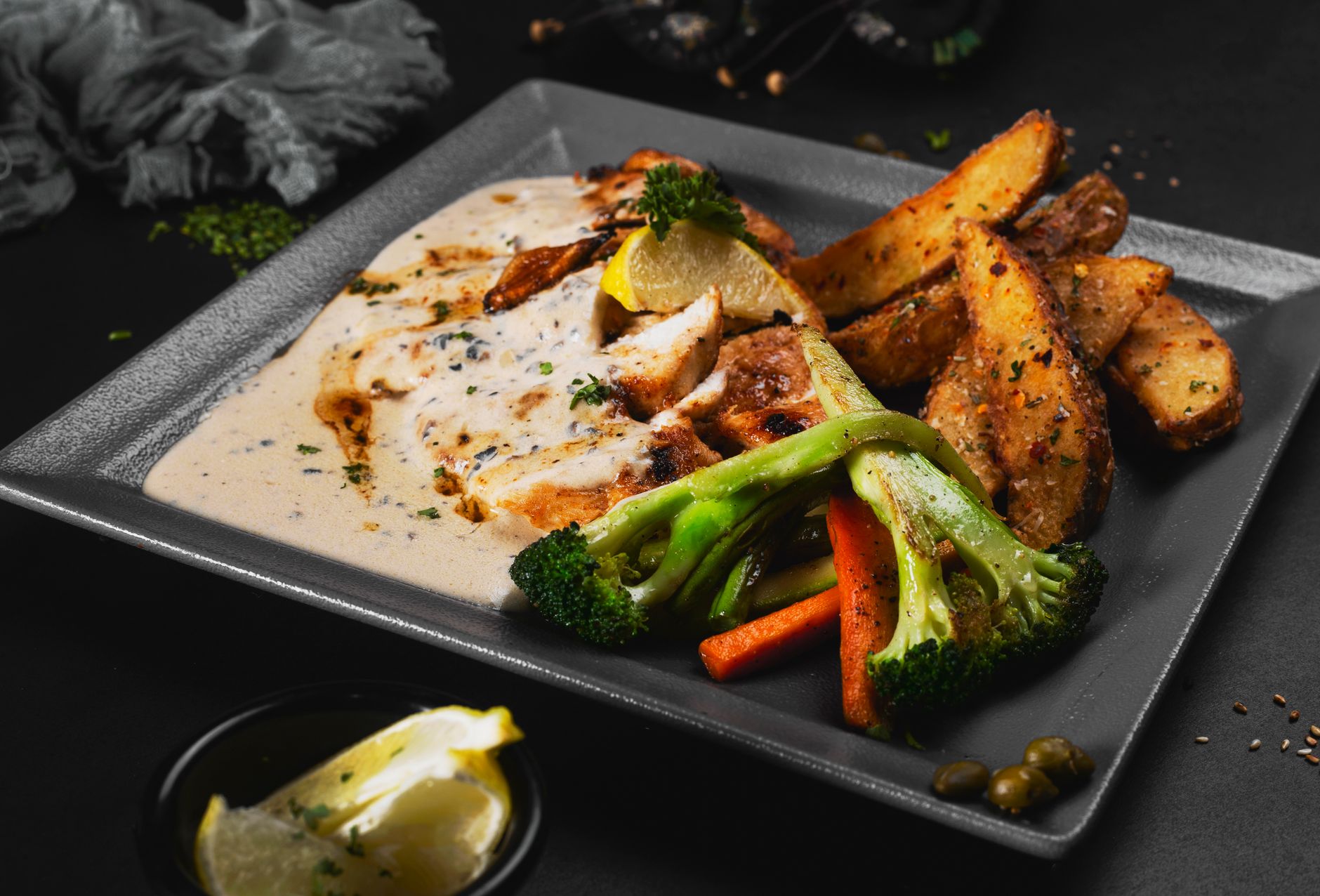
This recipe exemplifies the principles of quick cooking: thin cuts for fast browning, high-heat cooking for maximum flavor, and smart ingredient pairing. The entire dish comes together in 25 minutes with just one pan to clean. Here’s how to make it perfectly every time.
Expert Tips from Years of Kitchen Experience
After making this dish (and similar quick meals) hundreds of times, I’ve learned what separates a good version from an outstanding one. These tips come from years of trial and error, and they’ll help you avoid common pitfalls while maximizing flavor.
Nutritional Benefits and Health Insights
Quick meals don’t have to mean unhealthy meals. In fact, many of the techniques used in fast cooking actually preserve nutrients better than long, slow cooking methods. Let’s break down the nutritional profile of our one-pan lemon garlic chicken with vegetables, and explore how quick cooking can be part of a healthy diet.
The chicken breast in this dish provides 31g of high-quality protein per 100g serving, along with essential amino acids that support muscle repair and immune function. It’s also a good source of B vitamins, particularly niacin (B3) and vitamin B6, which play crucial roles in energy metabolism. The olive oil contributes heart-healthy monounsaturated fats, which have been shown to reduce LDL cholesterol levels when used in place of saturated fats.
The vegetables in this dish are nutritional powerhouses. Bell peppers are one of the richest dietary sources of vitamin C, providing 157% of the Daily Value (DV) per 100g. Vitamin C is essential for collagen production, immune function, and iron absorption. Zucchini offers a good dose of vitamin A (10% DV per 100g), which supports vision and immune health. The garlic and lemon not only add flavor but also provide antioxidants—garlic contains allicin, which has anti-inflammatory properties, while lemon provides flavonoids that may help reduce oxidative stress.
One of the advantages of quick cooking is that it preserves heat-sensitive nutrients. For example, vitamin C is water-soluble and degrades with prolonged cooking. By cooking vegetables for just 4-5 minutes, we retain more of this important vitamin than we would with 20 minutes of simmering. Similarly, the short cooking time for the chicken helps preserve its B vitamins, which can be lost with longer cooking methods.
For those with specific dietary needs, this dish can be easily adapted. To make it gluten-free, simply ensure your chicken broth is certified gluten-free. For a dairy-free version, the recipe is naturally dairy-free as written. To reduce sodium, use low-sodium chicken broth and reduce the added salt—you can always add more to taste at the end. For a lower-carb version, reduce the bell pepper and zucchini and add more leafy greens like spinach or kale. For more delicious ideas, explore our vegetarian meal ideas collection.
Creative Variations and Dietary Adaptations
One of the joys of quick cooking is how easily recipes can be adapted to suit different tastes, dietary needs, or what you have on hand. Here are five creative variations of our one-pan lemon garlic chicken, each with specific ingredient swaps and technique adjustments.
1. Mediterranean-Inspired Shrimp and Orzo
Swap the chicken for 400g (14 oz) of peeled and deveined shrimp. Replace the zucchini with 1 cup of cherry tomatoes and add ½ cup of pitted Kalamata olives. Instead of serving with the vegetables, cook 1 cup of orzo pasta in the same pan after removing the shrimp. The starch from the pasta will create a creamy sauce. Finish with ¼ cup crumbled feta cheese and fresh dill.
Why it works: Shrimp cooks in just 2-3 minutes, making this even faster than the original. Orzo absorbs the pan flavors beautifully, and the olives add a briny depth that complements the lemon and garlic.
2. Spicy Thai Coconut Curry
Replace the olive oil with 1 tbsp coconut oil. Add 1 tbsp red curry paste with the garlic and cook for 1 minute until fragrant. Instead of chicken broth, add 1 cup coconut milk and 1 tbsp fish sauce. Use chicken thighs instead of breasts for more flavor and juiciness. Serve over jasmine rice or rice noodles.
Why it works: The coconut milk creates a rich, creamy sauce that coats everything evenly. Chicken thighs stay juicy even with the longer cooking time (about 8 minutes total). The curry paste adds complex flavors in seconds.
3. Vegan Chickpea and Spinach
Replace the chicken with 2 cans (15 oz each) of chickpeas, drained and rinsed. Add 4 cups of baby spinach at the end and cook just until wilted. Stir in ¼ cup tahini and the juice of 1 lemon for a creamy, protein-rich sauce. Garnish with toasted pine nuts or pumpkin seeds.
Why it works: Chickpeas provide 15g of plant-based protein per cup and cook in just 3-4 minutes. The tahini adds healthy fats and a nutty flavor that pairs beautifully with the lemon and garlic. This version is naturally gluten-free, dairy-free, and vegan.
4. Mexican Street Taco Bowl
Use 400g (14 oz) of ground turkey or chicken instead of chicken breasts. Season with 1 tsp cumin, 1 tsp smoked paprika, and ½ tsp chili powder. Replace the bell pepper with 1 cup of corn kernels and 1 diced jalapeño. Serve with warm corn tortillas, avocado slices, and a dollop of Greek yogurt (or dairy-free alternative).
Why it works: Ground meat cooks quickly and absorbs flavors well. The spices create a complex flavor profile in minutes. This version is perfect for meal prep—store components separately and assemble when ready to eat.
5. Meal-Prep Friendly Freezer Packs
This variation is designed for advance preparation. Combine 400g (14 oz) of chicken breast (sliced), 2 cups of mixed vegetables (bell peppers, broccoli, snap peas), 3 minced garlic cloves, 1 tbsp grated ginger, and 2 tbsp soy sauce in a freezer bag. When ready to cook, thaw in the refrigerator overnight, then cook as directed in the original recipe, adding ¼ cup chicken broth at the end.
Why it works: Freezing the raw ingredients together allows the flavors to meld. The soy sauce tenderizes the chicken, resulting in more flavorful meat. This method saves time on busy weeknights while still delivering fresh-tasting results.
Frequently Asked Questions
Why does my chicken turn out dry when I cook it quickly?
Dry chicken is usually the result of overcooking or using the wrong cut. For quick cooking, chicken breasts are particularly prone to drying out because they have less fat than thighs. Here’s how to prevent it:
Science note: When chicken is overcooked, the muscle fibers contract and squeeze out moisture. The brine helps by breaking down some of the muscle proteins, allowing them to retain more water during cooking.
Can I make these meals ahead of time? How should I store and reheat them?
Most of these quick meals can be made ahead, but some components store better than others. Here’s a guide to meal prep and storage:
Pro tip: Undercook vegetables by 1 minute if you plan to reheat the dish. They’ll finish cooking during reheating and retain better texture.
How can I adapt these recipes for gluten-free or dairy-free diets?
Most of these quick meals can be easily adapted for gluten-free or dairy-free diets with a few simple swaps. Here’s what to look for:
Our one-pan lemon garlic chicken is naturally gluten-free and dairy-free as written. For the Mediterranean variation, use gluten-free orzo or substitute with quinoa. For the Thai coconut curry, ensure your curry paste is dairy-free (some contain shrimp paste, which is fine for most dairy-free diets but not for vegans).
What are the most common mistakes to avoid when making quick dinners?
Even experienced cooks make mistakes with quick meals. Here are the most common pitfalls and how to avoid them:
Science note: The reason overcrowding causes steaming is that the food releases moisture as it cooks. In a crowded pan, this moisture has nowhere to go, creating a humid environment that prevents browning. In a properly heated, uncrowded pan, the moisture evaporates quickly, allowing the Maillard reaction to occur.
Final Thoughts
There’s something magical about creating a delicious, nourishing meal in the time it takes to watch a sitcom. But here’s what I’ve learned after years of perfecting quick dinners: the real secret isn’t speed—it’s confidence. Confidence to trust your instincts, to embrace the process, and to know that a great meal doesn’t require hours of work.
I love the moment when I realize that my daughter isn’t just eating her dinner—she’s enjoying it. That first bite when the flavors come together, when the chicken is perfectly juicy and the vegetables still have a little bite. It’s a small victory, but it’s one that makes all the difference in our busy lives.
So I encourage you to start with one of these recipes, but don’t stop there. Use them as a foundation for your own creations. Swap the proteins, experiment with different vegetables, play with herbs and spices. The beauty of quick cooking is that it’s forgiving—if something doesn’t work, you’ll know in minutes, not hours. And when you find that perfect combination, that dish that makes your family ask for seconds, you’ll have a new go-to meal that fits seamlessly into your life.
Remember, cooking isn’t about perfection—it’s about connection. Whether you’re feeding your family, your friends, or just yourself, the act of preparing a meal is an act of love. And when you can do that in 30 minutes or less? That’s not just convenient—it’s revolutionary.
Now, go ahead and heat up that pan. Your next great meal is just minutes away.