



?? In This Article
- The Rich History and Cultural Roots of Liquid Meals
- Why This Recipe Works: The Food Science Behind It
- Complete Ingredient Breakdown
- Step-by-Step Instructions
- Expert Tips from Years of Kitchen Experience
- Nutritional Benefits and Health Insights
- Creative Variations and Dietary Adaptations
- Frequently Asked Questions
- Final Thoughts
I’ll never forget the first time I served my kids a “dinner drink” instead of a traditional meal. Their skeptical faces as I handed them tall glasses of creamy, chocolate-hazelnut smoothies—topped with a swirl of whipped coconut cream and crushed almonds—morphed into delighted grins after the first sip. What started as a desperate weeknight experiment (when the fridge was bare and the clock was ticking) became a family favorite. These aren’t just smoothies; they’re balanced, satisfying meals disguised as beverages. And the best part? They take less time to make than it takes to order takeout.
As a food science writer, I’ve spent years dissecting what makes a meal truly nourishing. The secret lies in the synergy of macronutrients—protein, healthy fats, and complex carbohydrates—working together to keep you full and energized. Traditional smoothies often fall short, packing in sugar from fruit while skimping on protein or fiber. But these dinner drinks are different. They’re designed to mimic the nutritional profile of a well-rounded meal, with each ingredient playing a specific role in texture, flavor, and satiety. Think of them as the culinary equivalent of a Swiss Army knife: compact, versatile, and surprisingly powerful.
The Rich History and Cultural Roots of Liquid Meals
While blending up a meal might feel like a modern convenience, the concept of liquid sustenance dates back thousands of years. Ancient civilizations relied on nutrient-dense drinks for survival, especially during times of scarcity or travel. The Aztecs, for example, consumed a frothy beverage called chocolatl, made from ground cacao beans, corn, and chili peppers—a far cry from today’s sugary hot chocolate. This drink wasn’t just a treat; it was a portable, calorie-rich meal for warriors and laborers.
In the Middle East, sharbat—a sweetened fruit or flower syrup mixed with water—was a staple among traders and travelers. These drinks were often fortified with nuts, seeds, or grains to boost their nutritional value. Similarly, in Southeast Asia, coconut-based drinks like sago gula melaka (a dessert soup made with sago pearls, coconut milk, and palm sugar) provided quick energy for farmers working long hours in the fields.
The modern smoothie as we know it didn’t emerge until the 20th century, thanks to the invention of the electric blender in the 1920s. Health food pioneers like Ann Wigmore and the founders of the Hippocrates Health Institute popularized blended drinks as a way to consume raw, enzyme-rich foods. Today, the concept has evolved into meal replacement shakes and protein smoothies, but the core idea remains the same: a quick, nutrient-dense option for busy lives. What sets these dinner drinks apart is their intentional design to replace a meal—not just supplement one.
Culturally, liquid meals have always been a bridge between necessity and indulgence. In Japan, miso soup with tofu and seaweed is a breakfast staple, offering protein, probiotics, and umami depth in a single bowl. In Brazil, açaí na tigela—a thick, antioxidant-rich smoothie bowl—is a beloved street food that doubles as a post-workout meal. These traditions remind us that a meal doesn’t need to be solid to be satisfying. By borrowing from these global inspirations, we can create dinner drinks that are as nourishing as they are delicious.
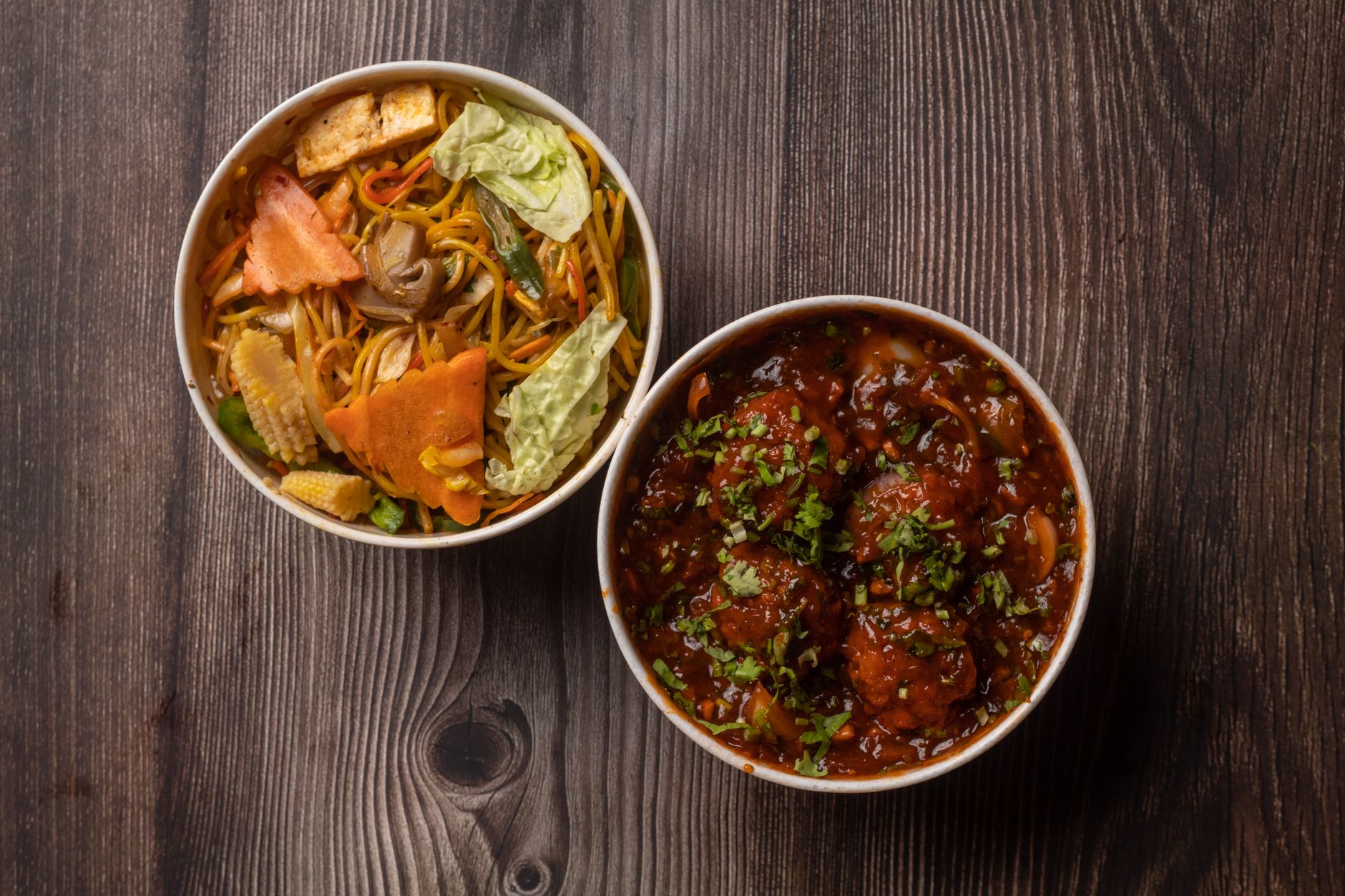
?f?? Photo by Aperture Photography on Pexels – Free to use under the Pexels License
Why This Recipe Works: The Food Science Behind It
The magic of these dinner drinks lies in their ability to deliver a complete nutritional profile in a single sip. The key is balancing three critical elements: protein, fiber, and healthy fats. Protein (from sources like Greek yogurt, silken tofu, or protein powder) triggers the release of satiety hormones like peptide YY and GLP-1, which signal to your brain that you’re full. A study published in the American Journal of Clinical Nutrition found that meals with at least 20 grams of protein significantly reduce hunger and cravings for hours afterward.
According to Harvard T.H. Chan School of Public Health, evidence-based nutrition research plays an important role in understanding food preparation and nutrition.
Fiber, on the other hand, slows digestion and stabilizes blood sugar. Soluble fiber (found in oats, chia seeds, and flaxseeds) forms a gel-like substance in your gut, which not only keeps you full but also feeds your gut microbiome. A 2015 study in Nutrients highlighted that diets high in soluble fiber are linked to lower cholesterol and improved metabolic health. Meanwhile, healthy fats (from avocado, nut butters, or coconut milk) provide sustained energy and help your body absorb fat-soluble vitamins like A, D, E, and K. The emulsification process—where fats and liquids are blended into a smooth, stable mixture—is what gives these drinks their creamy, luxurious texture.
Temperature also plays a crucial role. Serving these drinks slightly chilled (around 40°F/4°C) enhances their refreshing quality, while the cold slows down the perception of sweetness, allowing you to use less sugar without sacrificing flavor. And let’s not forget the Maillard reaction—yes, even in drinks! When you lightly toast nuts or seeds before blending them, their natural sugars caramelize, adding depth and complexity to the final product. It’s these small details that transform a simple smoothie into a meal-worthy experience.
Complete Ingredient Breakdown
Every ingredient in these dinner drinks serves a purpose, whether it’s boosting nutrition, enhancing texture, or adding flavor. Below is a breakdown of the core components, along with their roles and potential substitutions.
According to World Health Organization (WHO), dietary guidelines and healthy eating plays an important role in understanding food preparation and nutrition.
Base Liquids (Choose 1-2)
- Unsweetened almond milk (1 cup/240ml): A low-calorie, dairy-free option that provides a neutral canvas for flavors. It’s rich in vitamin E (3.6mg per cup, or 24% of your daily value), an antioxidant that supports skin health. For extra creaminess, opt for almond milk with added gums like guar or xanthan, which improve mouthfeel. Substitution: Oat milk (higher in fiber, slightly sweeter) or coconut water (electrolyte-rich, but lower in fat).
- Coconut milk (1/2 cup/120ml, full-fat): Adds luxurious creaminess and healthy medium-chain triglycerides (MCTs), which are metabolized quickly for energy. A 2015 study in Lipids found that MCTs may support weight management by increasing satiety. Substitution: Light coconut milk (lower in calories but less creamy) or cashew cream (blend 1/4 cup soaked cashews with 1/2 cup water).
- Kefir or plain Greek yogurt (1/2 cup/120g): Packs a protein punch (10-15g per serving) and probiotics for gut health. The lactic acid in yogurt also tenderizes fibrous ingredients like spinach, making them easier to blend. Substitution: Silken tofu (soy-based, great for vegans) or dairy-free yogurt (ensure it’s unsweetened).
- Unflavored or vanilla protein powder (1 scoop/30g): Whey protein is quickly absorbed, making it ideal for post-dinner recovery, while plant-based options like pea or hemp protein are slower-digesting. Look for powders with at least 20g of protein per scoop. Substitution: Collagen peptides (flavorless, supports skin and joints) or 2 tbsp (16g) of hemp seeds (complete plant protein with omega-3s).
- Natural peanut or almond butter (2 tbsp/32g): Adds 8g of protein and healthy fats, plus a rich, nutty depth. The oils in nut butters also help emulsify the drink, preventing separation. Substitution: Tahini (sesame-based, earthy flavor) or sunflower seed butter (nut-free alternative).
- Soft tofu (1/4 block/100g): Blends into a silky texture with 10g of protein and minimal flavor. It’s also a great source of calcium (20% DV per serving) and iron. Substitution: Cottage cheese (higher in sodium but adds a tangy creaminess).
- Rolled oats (1/4 cup/20g): The soluble fiber in oats (2g per serving) helps stabilize blood sugar and keeps you full. When blended, they create a thick, porridge-like texture. Substitution: Cooked quinoa (higher in protein) or chia seeds (soak first to avoid graininess).
- Frozen cauliflower rice (1/2 cup/60g): Adds bulk and fiber without altering flavor. It’s also rich in vitamin C (46% DV per cup) and potassium. Substitution: Frozen zucchini (milder taste) or cooked sweet potato (sweeter, higher in vitamin A).
- Flaxseeds or chia seeds (1 tbsp/10g): Packed with omega-3 fatty acids and soluble fiber, which forms a gel when mixed with liquid, thickening the drink. Substitution: Psyllium husk (for extra fiber, but use sparingly—it absorbs a lot of liquid).
- Frozen banana (1 medium/100g): Adds natural sweetness and a creamy texture thanks to its high pectin content. It’s also a good source of potassium (12% DV) and vitamin B6. Substitution: Mango (tropical sweetness) or avocado (creamy, healthy fats).
- Spinach or kale (1 cup/30g, packed): Mild in flavor but loaded with iron (1.5mg per cup, or 8% DV) and vitamin K (120% DV). The chlorophyll in greens also helps neutralize odors, making your drink smell fresher. Substitution: Frozen peas (surprisingly sweet and high in protein) or steamed carrots (for a subtle orange hue).
- Frozen berries (1/2 cup/75g): Blueberries, strawberries, or raspberries add antioxidants (like anthocyanins) and fiber. A 2012 study in Annals of Neurology found that berries may slow cognitive decline due to their high flavonoid content. Substitution: Pomegranate seeds (tart, high in polyphenols) or cooked beets (earthy, rich in nitrates).
- Cocoa powder (1 tbsp/5g): Unsweetened cocoa adds depth and magnesium (12% DV per tbsp), which supports muscle and nerve function. The flavonoids in cocoa also improve blood flow. Substitution: Carob powder (naturally sweet, caffeine-free) or matcha (earthy, high in L-theanine for calm focus).
- Vanilla extract (1 tsp/5ml): Enhances sweetness without sugar, thanks to compounds like vanillin. A 2013 study in Flavour found that vanilla can reduce the perception of bitterness in other ingredients. Substitution: Almond extract (nutty, potent—use sparingly) or cinnamon (warming, blood sugar-balancing).
- Fresh ginger (1/2-inch/12g, peeled): Adds a spicy kick and aids digestion. Gingerol, its active compound, has anti-inflammatory properties. Substitution: Turmeric (anti-inflammatory, but stains easily) or mint (refreshing, pairs well with chocolate).
- Granola (2 tbsp/15g): Adds crunch and extra fiber. Look for low-sugar varieties with nuts and seeds. Substitution: Toasted coconut flakes or crushed nuts.
- Whipped coconut cream (2 tbsp/30g): A dairy-free alternative to whipped cream, rich in healthy fats. Chill a can of coconut cream overnight, then scoop out the solid cream and whip with a touch of vanilla. Substitution: Greek yogurt (tangy, high-protein) or a drizzle of nut butter.
- Dark chocolate shavings (1 tsp/3g): Adds a touch of luxury and antioxidants. Choose 70% cocoa or higher for the most benefits. Substitution: Cacao nibs (bitter, crunchy) or a sprinkle of cinnamon.
- Prep Your Ingredients:
If using fresh greens like spinach or kale, wash and dry them thoroughly to avoid a gritty texture. For frozen fruit, no need to thaw—it’ll help chill the drink as it blends. If using oats or chia seeds, measure them first and set aside. For a smoother drink, soak chia seeds in 3 tbsp of water for 5 minutes before blending.
- Add Liquids First:
Pour your base liquid (almond milk, coconut milk, or yogurt) into the blender first. This creates a vortex that pulls the other ingredients down, ensuring everything blends evenly. Start with 1 cup (240ml) of liquid—you can add more later if needed. If using protein powder, add it now to prevent clumping.
- Layer in Soft Ingredients:
Next, add your soft ingredients like banana, avocado, or tofu. These blend easily and help create a creamy base. If using nut butter, add it now—it’ll emulsify better when blended with the liquids. For a frothy texture, add a few ice cubes at this stage.
- Add Fibrous and Dense Ingredients:
Now, add your fibrous or dense ingredients like oats, cauliflower rice, or flaxseeds. These take longer to break down, so blending them with the softer ingredients first ensures a smooth consistency. If using leafy greens, add them now—they’ll blend more easily when sandwiched between other ingredients.
- Blend Until Smooth:
Start on low speed, then gradually increase to high. Blend for 30-60 seconds, or until the mixture is completely smooth. Use a spatula to scrape down the sides as needed. If the drink is too thick, add 1-2 tbsp of liquid at a time until you reach your desired consistency. For a frothy top, blend for an extra 10 seconds on high.
- Taste and Adjust:
Pour a small amount into a glass and taste. Need more sweetness? Add 1 tsp of honey or maple syrup. Too thick? Add a splash of liquid. Too thin? Add 1 tbsp of oats or chia seeds and blend again. Remember, flavors develop as the drink sits, so it’s okay if it tastes slightly mild at first.
- Serve with Toppings:
Pour your drink into a tall glass and add toppings immediately. The contrast of textures—creamy drink with crunchy granola or silky whipped coconut cream—elevates the experience. For a fun presentation, layer different-colored drinks (like a green spinach base with a pink berry top) using a spoon to slow the pour. For more delicious ideas, explore our quick and easy recipes collection.
- Temperature Control:
Always use frozen fruit instead of fresh when possible. Frozen fruit not only chills the drink (making it more refreshing) but also eliminates the need for ice, which can dilute flavor. If you must use fresh fruit, freeze it for at least 2 hours before blending. For a frosty texture without ice, freeze your base liquid (like almond milk) in ice cube trays and blend those instead.
- Ingredient Quality:
The quality of your ingredients directly impacts the final product. For example, full-fat coconut milk (the canned kind, not the carton) adds a richness that light versions can’t match. Similarly, fresh nut butters (with no added sugar or oils) blend more smoothly and taste cleaner. If using protein powder, opt for one with minimal additives—look for a short ingredient list with recognizable names like “whey protein isolate” or “pea protein.”
- Timing and Patience:
Rushing the blending process is the number one mistake I see. If you don’t blend long enough, you’ll end up with a chunky, unappetizing drink. Conversely, over-blending can heat up the mixture, especially with fibrous ingredients like oats or flaxseeds. Aim for 30-60 seconds on high speed, and stop to scrape down the sides as needed. If your blender struggles, blend the liquids and soft ingredients first, then add the denser items in batches.
- Seasoning Balance:
Just like a savory dish, a great dinner drink needs balanced flavors. If your drink tastes too sweet, add a pinch of salt or a squeeze of lemon juice to brighten it. If it’s too bland, a dash of cinnamon or vanilla can enhance the natural sweetness of the fruit. For a savory twist, add a pinch of cayenne or a splash of soy sauce—trust me, it works! The key is to taste as you go and adjust incrementally.
- Texture Matters:
The texture of your drink can make or break the experience. If it’s too thin, it’ll feel like flavored water. Too thick, and it’ll be hard to sip. Aim for a consistency similar to a milkshake—thick enough to coat the back of a spoon but still pourable. If you accidentally make it too thick, don’t panic. Thin it with a splash of liquid, or turn it into a smoothie bowl by pouring it into a shallow bowl and topping it with granola and fruit.
- Calories: 350-450 kcal (varies based on ingredients)
- Protein: 20-25g (supports muscle repair and satiety)
- Fiber: 8-12g (promotes gut health and blood sugar control)
- Healthy Fats: 12-15g (supports brain function and hormone production)
- Vitamins and Minerals:
- Vitamin A (from spinach and carrots): Supports vision and immune function.
- Vitamin C (from berries and citrus): Boosts collagen production and immunity.
- Vitamin K (from leafy greens): Essential for blood clotting and bone health.
- Magnesium (from cocoa and nuts): Helps regulate muscle and nerve function.
- Iron (from spinach and flaxseeds): Prevents anemia and supports energy levels.
- Potassium (from banana and avocado): Regulates blood pressure and fluid balance.
- Vegan: Use plant-based protein powder, silken tofu, and dairy-free yogurt. Sweeten with maple syrup or dates instead of honey.
- Gluten-Free: Ensure your oats are certified gluten-free, and avoid malt-based protein powders. Chia seeds and quinoa are great alternatives.
- Low-Sugar: Skip sweet fruits like bananas and mangoes, and use unsweetened cocoa or vanilla for flavor. Add a pinch of stevia or monk fruit if needed.
- Dairy-Free: Opt for coconut milk, almond milk, or oat milk as your base. Use dairy-free yogurt or skip it entirely.
- Low-Calorie: Use water or unsweetened almond milk as your base, and focus on low-calorie ingredients like spinach, cauliflower, and berries. Add protein powder to keep it filling.
- Add more protein: Increase the protein powder to 1.5 scoops, or add 1/4 cup of cottage cheese or silken tofu.
- Boost fiber: Add 1 tbsp of chia seeds or flaxseeds, or include 1/4 cup of cooked quinoa or oats.
- Increase healthy fats: Add 1/4 of an avocado, 1 tbsp of nut butter, or a drizzle of olive oil.
- Slow down digestion: Chew your drink! The act of chewing signals to your brain that you’re eating, which can increase satiety. Alternatively, serve it in a bowl with a spoon and add crunchy toppings like granola or nuts.
- 1 cup unsweetened almond milk
- 1 scoop unflavored protein powder
- 1 cup spinach
- 1/2 cup frozen cauliflower rice
- 1/2 cup frozen berries
- 1 tbsp chia seeds
- 1/2 tsp cinnamon
- Fill the blender halfway with warm water and add a drop of dish soap.
- Blend on high for 10-15 seconds. The soapy water will dislodge any stuck-on bits.
- Rinse thoroughly with warm water.
- For tough stains (like turmeric or beet juice), fill the blender with warm water and add 1 tbsp of baking soda. Let it sit for 10 minutes, then blend and rinse.
- To remove odors, blend a mixture of water and lemon juice or vinegar, then rinse.
Protein Boosters (Choose 1-2)
Fiber and Complex Carbs (Choose 1-2)
Fruits and Vegetables (Choose 1-2)
Flavor Enhancers (Choose 1-2)
Optional Toppings
Step-by-Step Instructions
Before you start, gather all your ingredients and tools. You’ll need a high-speed blender (a standard blender works, but a powerful one like a Vitamix or Ninja will yield smoother results), a measuring cup, and a spatula. The key to a great dinner drink is layering ingredients strategically to achieve the perfect texture. Here’s how to do it:
Expert Tips from Years of Kitchen Experience
After making hundreds of these dinner drinks, I’ve learned a few tricks that take them from good to extraordinary. Here’s what separates a mediocre smoothie from a meal-worthy masterpiece:
Nutritional Benefits and Health Insights
These dinner drinks aren’t just convenient—they’re nutritional powerhouses. By carefully selecting ingredients, you can create a beverage that rivals a balanced meal in terms of vitamins, minerals, and macronutrients. Here’s a breakdown of the health benefits, along with some dietary considerations:
A typical dinner drink made with almond milk, Greek yogurt, banana, spinach, flaxseeds, and peanut butter provides approximately:
For those with dietary restrictions, these drinks are incredibly adaptable. Here’s how to modify them:
One of the biggest advantages of these drinks is their ability to pack in nutrients that are often lacking in modern diets. For example, most people don’t get enough fiber (the average American consumes only 15g per day, far below the recommended 25-38g). A single dinner drink can provide nearly half your daily fiber needs. Similarly, many people fall short on potassium, which is crucial for heart health. A banana-spinach drink delivers over 600mg of potassium—more than a medium banana alone. For more delicious ideas, explore our snacks and appetizers collection.
Creative Variations and Dietary Adaptations
The beauty of these dinner drinks is their versatility. With a few simple swaps, you can create endless flavor combinations to suit your mood, dietary needs, or what’s in your fridge. Here are five of my favorite variations, each with a unique twist:
1. Chocolate-Peanut Butter Power Shake
Base: 1 cup unsweetened almond milk + 1/2 cup plain Greek yogurt
Protein: 1 scoop chocolate protein powder + 2 tbsp natural peanut butter
Fiber: 1/4 cup rolled oats + 1 tbsp flaxseeds
Fruit/Veg: 1 frozen banana + 1/2 cup frozen cauliflower rice
Flavor: 1 tbsp cocoa powder + 1 tsp vanilla extract
Toppings: Crushed peanuts + dark chocolate shavings
Why it works: This drink tastes like a decadent milkshake but packs 25g of protein and 10g of fiber. The cauliflower rice adds bulk without altering the flavor, while the peanut butter provides healthy fats for sustained energy. It’s a favorite among kids and adults alike—perfect for post-workout recovery or a quick breakfast.
2. Tropical Green Goddess
Base: 1 cup coconut water + 1/2 cup coconut milk
Protein: 1/4 block silken tofu + 1 tbsp hemp seeds
Fiber: 1/2 cup frozen mango + 1 cup spinach
Flavor: 1/2-inch fresh ginger + juice of 1/2 lime
Toppings: Toasted coconut flakes + chia seeds
Why it works: The coconut water and mango provide natural sweetness, while the ginger and lime add a zesty kick. Silken tofu blends into a creamy texture, making this drink surprisingly rich despite being dairy-free. It’s packed with vitamin C (from the mango and lime) and iron (from the spinach), making it a great immune-boosting option.
3. Savory Tomato Gazpacho Sipper
Base: 1 cup low-sodium vegetable broth + 1/2 cup plain kefir
Protein: 1/4 cup white beans (rinsed and drained) + 1 tbsp tahini
Fiber: 1 cup frozen tomatoes + 1/2 cucumber (peeled and chopped)
Flavor: 1 garlic clove + 1 tbsp olive oil + 1 tsp smoked paprika + salt and pepper to taste
Toppings: Diced avocado + fresh basil + a drizzle of olive oil
Why it works: This savory twist on a dinner drink is inspired by Spanish gazpacho but sippable like a smoothie. The kefir adds probiotics, while the white beans provide plant-based protein. The smoked paprika and garlic give it a deep, umami flavor that’s surprisingly satisfying. It’s perfect for hot summer days when you want something light but filling.
4. Spiced Chai Latte Meal
Base: 1 cup unsweetened almond milk + 1/2 cup brewed chai tea (cooled)
Protein: 1 scoop vanilla protein powder + 2 tbsp almond butter
Fiber: 1/4 cup rolled oats + 1 tbsp chia seeds
Flavor: 1/2 tsp cinnamon + 1/4 tsp cardamom + 1/4 tsp ginger + 1 tsp vanilla extract
Toppings: Whipped coconut cream + a sprinkle of cinnamon
Why it works: This drink tastes like a cozy chai latte but is packed with 22g of protein and 8g of fiber. The chai spices (cinnamon, cardamom, and ginger) not only add warmth but also have anti-inflammatory properties. The oats and chia seeds thicken the drink, making it feel more like a meal. It’s a great option for chilly evenings when you want something comforting but quick.
5. Berry-Beet Anti-Inflammatory Elixir
Base: 1 cup unsweetened oat milk + 1/2 cup plain Greek yogurt
Protein: 1 scoop unflavored protein powder + 1 tbsp almond butter
Fiber: 1/2 cup frozen mixed berries + 1/2 cup cooked beets (cooled)
Flavor: 1 tsp turmeric + 1/2 tsp black pepper (enhances turmeric absorption) + 1 tsp honey
Toppings: Pomegranate seeds + crushed walnuts
Why it works: This vibrant pink drink is loaded with antioxidants from the berries and beets. The turmeric and black pepper combo is a powerhouse for reducing inflammation, while the Greek yogurt adds probiotics for gut health. The beets also provide nitrates, which may improve blood flow and exercise performance. It’s a great option for athletes or anyone looking to reduce inflammation naturally.
Frequently Asked Questions
Can I make these drinks ahead of time?
Yes, but there are a few tricks to keep them fresh. Store your drink in an airtight glass jar or bottle in the fridge for up to 24 hours. If it separates, give it a good shake before drinking. For the best texture, avoid adding toppings until you’re ready to serve. If you’re meal prepping, blend the drink without ice or frozen fruit, then add those just before drinking. Some ingredients, like bananas and avocados, oxidize quickly, so if you’re making a green drink, add a squeeze of lemon juice to preserve the color.
How do I make these drinks more filling?
If you find yourself hungry an hour after drinking, you likely need more protein, fiber, or healthy fats. Here’s how to adjust:
Are these drinks suitable for weight loss?
Absolutely, but it depends on the ingredients. To make a weight-loss-friendly version, focus on low-calorie, high-protein, and high-fiber ingredients. Here’s a sample recipe:
This drink clocks in at around 250 calories but provides 25g of protein and 10g of fiber, which will keep you full for hours. Avoid adding sweeteners or high-calorie toppings like granola or whipped cream. Instead, opt for a sprinkle of cinnamon or a few dark chocolate shavings for flavor.
Can I use fresh fruit instead of frozen?
You can, but frozen fruit is ideal for several reasons. First, it chills the drink without diluting it with ice. Second, frozen fruit is often picked and frozen at peak ripeness, which means it retains more nutrients than fresh fruit that’s been sitting in transit or on store shelves. If you must use fresh fruit, freeze it for at least 2 hours before blending. For a creamier texture, add a few ice cubes or freeze your base liquid (like almond milk) in ice cube trays and blend those in.
What’s the best way to clean my blender after making these drinks?
Cleaning your blender immediately after use is key to preventing stubborn residue. Here’s my foolproof method:
Avoid using abrasive scrubbers, as they can damage the blender’s surface. If you’re short on time, fill the blender with soapy water and let it soak while you enjoy your drink.
Final Thoughts
There’s something almost magical about sipping a meal. It’s efficient, yes, but it’s also playful—a reminder that nourishment doesn’t have to be complicated or time-consuming. These dinner drinks have saved me on countless busy nights, but they’ve also become a canvas for creativity. Whether I’m blending up a chocolate-peanut butter shake for my kids or a savory gazpacho sipper for myself, I love the way they transform simple ingredients into something extraordinary.
What I’ve learned over the years is that the best meals—whether solid or liquid—are the ones that bring joy as well as sustenance. So don’t be afraid to experiment. Swap in your favorite fruits, play with spices, or add a handful of greens you’ve never tried before. The beauty of these drinks is that there’s no wrong way to make them. They’re forgiving, adaptable, and endlessly customizable.
Next time you’re staring into the fridge at 6 p.m., wondering what to make for dinner, remember: the answer might be as simple as a blender and a few ingredients. Give one of these recipes a try, and I promise you’ll never look at a smoothie the same way again. Here’s to quick, delicious, and nourishing meals—one sip at a time.