


?? In This Article
- The Rich History and Cultural Roots of This Dish
- Why This Recipe Works: The Food Science Behind It
- Complete Ingredient Breakdown
- Step-by-Step Instructions
- Expert Tips from Years of Kitchen Experience
- Nutritional Benefits and Health Insights
- Creative Variations and Dietary Adaptations
- Frequently Asked Questions
- Final Thoughts
I’ll never forget the first time I tasted a proper Mediterranean mezze spread at a tiny family-run taverna in Athens. The air was thick with the scent of grilled lemon, garlic, and fresh herbs, and the table was covered in small bowls of vibrant, flavorful bites. But what stuck with me most was how effortlessly those little dishes came together—no fussy techniques, just bold ingredients and simple preparation. Fast forward to my own kitchen years later, and I’ve recreated that same magic in a 10-minute chickpea power bowl that’s become my go-to lunch when I’m short on time but craving something nourishing and delicious.
What makes this dish so special isn’t just its speed—it’s the way it balances textures, flavors, and nutrients in one bowl. The chickpeas provide a hearty, protein-rich base, while the fresh vegetables add crunch and hydration. The lemon-tahini dressing ties it all together with a creamy, tangy finish. And the best part? You can customize it endlessly to suit your mood or dietary needs. Whether you’re meal-prepping for the week or throwing together a quick lunch between meetings, this bowl is a game-changer.
The Rich History and Cultural Roots of This Dish
The Mediterranean chickpea bowl is a modern twist on the ancient tradition of mezze, a style of dining that originated in the Middle East and spread across the Mediterranean. Mezze, which translates to “taste” or “snack” in Arabic, is more than just a meal—it’s a social experience. Small plates of dips, salads, and grilled vegetables are shared among friends and family, encouraging conversation and connection. Chickpeas, one of the oldest cultivated crops, have been a staple in Mediterranean cuisine for over 7,000 years. They were prized by ancient Egyptians, Greeks, and Romans for their versatility, nutritional value, and ability to grow in arid climates.
In modern Mediterranean cuisine, chickpeas are celebrated in dishes like hummus, falafel, and salads. The concept of a “power bowl” is a contemporary adaptation, blending traditional flavors with the convenience of a one-bowl meal. This dish draws inspiration from Greek, Lebanese, and Turkish cuisines, where chickpeas are often paired with fresh vegetables, herbs, and tangy dressings. The tahini-lemon dressing, for example, is a nod to Lebanese and Syrian cooking, where sesame paste is used to add richness and depth to dishes. By combining these elements into a quick, balanced bowl, we’re keeping the spirit of mezze alive while making it accessible for today’s busy lifestyles.
Regional variations of this dish abound. In Greece, you might find chickpeas tossed with oregano and olive oil, while in Lebanon, they’re often served with sumac and pomegranate molasses. In Turkey, chickpeas are frequently paired with yogurt and garlic. The beauty of this recipe is that it’s a blank canvas—you can easily swap in ingredients to reflect different Mediterranean traditions. For example, adding feta cheese and Kalamata olives gives it a Greek flair, while swapping in za’atar and pickled turnips leans into Levantine flavors.
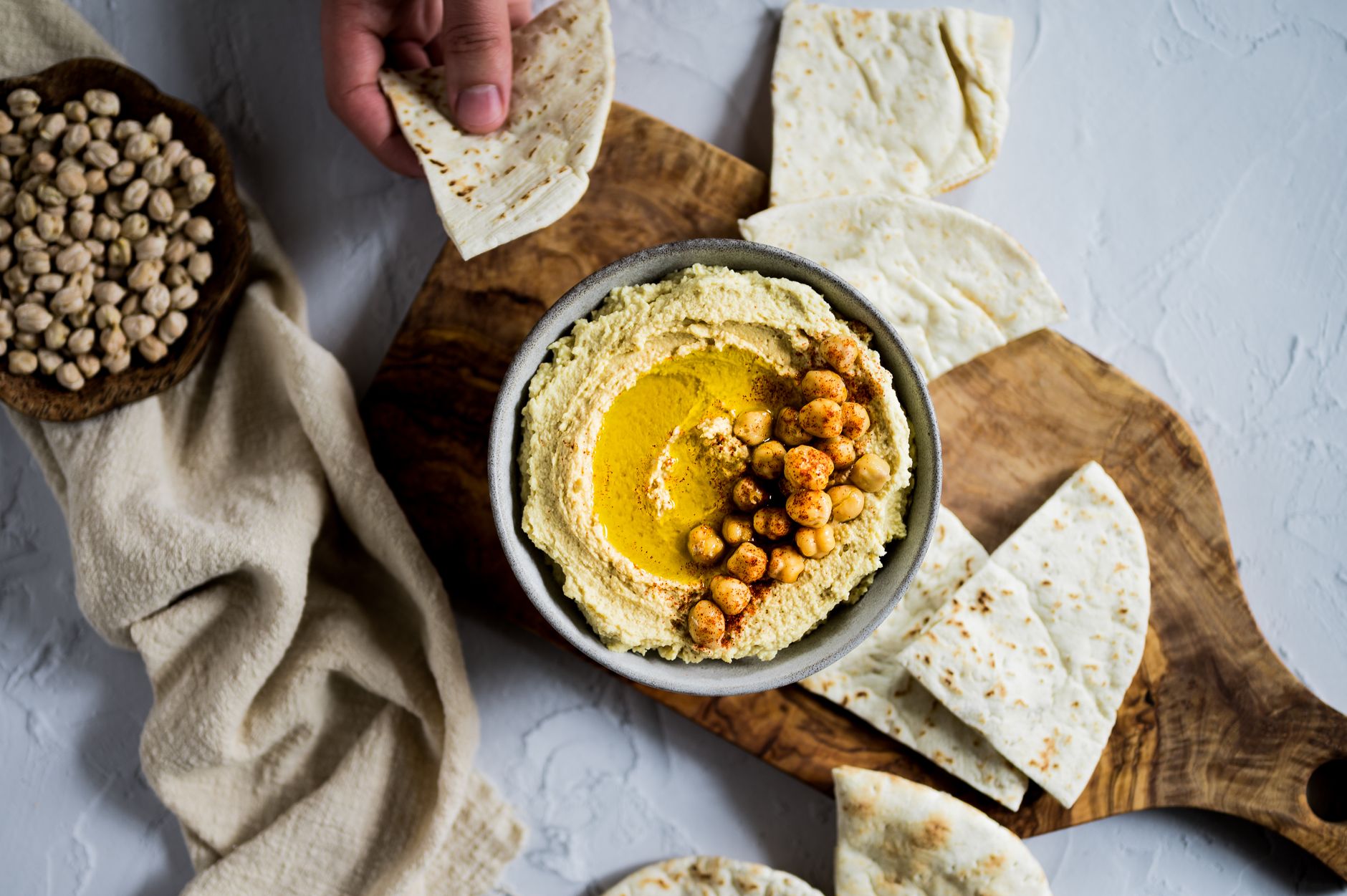
?f?? Photo by eat kubba on Pexels – Free to use under the Pexels License
Why This Recipe Works: The Food Science Behind It
At first glance, this chickpea bowl might seem like a simple assembly of ingredients, but there’s a lot of science at play that makes it so satisfying. Let’s start with the chickpeas. When you toss them with olive oil and roast them for a few minutes (or even just heat them in a pan), you’re triggering the Maillard reaction—a chemical process that occurs when proteins and sugars are exposed to heat. This reaction creates hundreds of new flavor compounds, giving the chickpeas a deeper, nuttier taste and a slightly crispy texture. The olive oil not only helps conduct heat but also adds richness and helps your body absorb fat-soluble vitamins like vitamin E and K from the vegetables.
According to Harvard T.H. Chan School of Public Health, evidence-based nutrition research plays an important role in understanding food preparation and nutrition.
The lemon-tahini dressing is another example of food science in action. Tahini, made from ground sesame seeds, is an emulsion—a mixture of fat and water that doesn’t naturally stay combined. When you whisk tahini with lemon juice, you’re breaking down the tahini’s natural oils and creating a stable emulsion that coats the ingredients evenly. The acidity of the lemon juice also helps brighten the flavors of the dish, cutting through the richness of the tahini and balancing the earthiness of the chickpeas. This is why a squeeze of lemon can make a dish taste “fresher” even if the ingredients are simple.
Texture is another key player in this recipe. The chickpeas provide a soft, creamy base, while the cucumbers and tomatoes add a refreshing crunch. This contrast isn’t just pleasing to the palate—it also makes the dish more satisfying. Studies have shown that meals with varied textures are perceived as more enjoyable and filling, which is why this bowl keeps you full for hours despite being light. The fiber in the chickpeas and vegetables slows digestion, stabilizing blood sugar levels and preventing that post-lunch energy crash.
Complete Ingredient Breakdown
Every ingredient in this Mediterranean chickpea bowl serves a purpose, whether it’s adding flavor, texture, or nutritional value. Here’s a detailed breakdown of what each component brings to the table and how you can adapt it to your preferences.
According to World Health Organization (WHO), dietary guidelines and healthy eating plays an important role in understanding food preparation and nutrition.
Base Ingredients
- Chickpeas (1 can, 15 oz / 425g, drained and rinsed): The star of the show, chickpeas provide plant-based protein (about 15g per cup) and fiber (12g per cup), making them incredibly filling. They also contain iron, folate, and manganese. For the best texture, I recommend using canned chickpeas for convenience, but you can also cook dried chickpeas from scratch if you prefer. If you’re using canned, look for low-sodium or no-salt-added varieties to control the seasoning. One trick I’ve learned is to pat the chickpeas dry with a paper towel before cooking—they’ll crisp up better in the pan.
- Cucumber (1 medium, about 200g, diced): Cucumbers add a refreshing crunch and hydration, thanks to their high water content (about 95%). They’re also a good source of vitamin K and contain antioxidants like beta-carotene. I prefer English cucumbers for this dish because they’re seedless and have a milder flavor, but any cucumber will work. If you’re using a regular cucumber, you might want to scoop out the seeds to prevent the dish from becoming watery.
- Cherry tomatoes (1 cup / 150g, halved): Tomatoes bring sweetness, acidity, and a burst of umami flavor. They’re rich in lycopene, an antioxidant linked to heart health and reduced inflammation. Cherry tomatoes are ideal here because they’re sweeter and less watery than larger tomatoes. If you’re using regular tomatoes, remove the seeds to avoid excess liquid. For a deeper flavor, you can roast the tomatoes for a few minutes before adding them to the bowl.
- Red onion (1/4 medium, about 50g, thinly sliced): Red onion adds a sharp, slightly spicy bite that balances the richness of the chickpeas and dressing. It’s also packed with quercetin, a flavonoid with anti-inflammatory properties. To mellow the onion’s sharpness, you can soak the slices in cold water for 5-10 minutes before adding them to the bowl. If you’re not a fan of raw onion, try pickling it quickly in lemon juice or vinegar for a tangy twist.
- Extra-virgin olive oil (3 tbsp / 45ml): Olive oil is the backbone of Mediterranean cuisine, adding richness and depth to the dish. It’s also a source of heart-healthy monounsaturated fats and antioxidants like polyphenols. For the best flavor, use a high-quality extra-virgin olive oil. If you’re watching your fat intake, you can reduce the amount to 2 tbsp, but I don’t recommend going lower—the oil helps bind the dressing and enhances the absorption of fat-soluble nutrients from the vegetables.
- Tahini (2 tbsp / 30g): Tahini, made from ground sesame seeds, adds a creamy, nutty flavor to the dressing. It’s rich in healthy fats, calcium, and iron. When shopping for tahini, look for a smooth, well-stirred variety without added oils or sugars. If you’re allergic to sesame, you can substitute sunflower seed butter or almond butter, though the flavor will be slightly different. One thing to note: tahini can thicken as it sits, so if your dressing becomes too thick, just whisk in a little water to thin it out.
- Lemon juice (2 tbsp / 30ml, freshly squeezed): Lemon juice brightens the dish and balances the richness of the tahini and olive oil. It’s also a great source of vitamin C, which supports immune health and enhances iron absorption from the chickpeas. Always use freshly squeezed lemon juice—bottled juice lacks the vibrant flavor and contains preservatives that can alter the taste. If you don’t have lemons, lime juice works well too.
- Garlic (1 clove, minced): Garlic adds a pungent, savory depth to the dressing. It contains allicin, a compound with antibacterial and anti-inflammatory properties. For the best flavor, mince the garlic finely and let it sit for 5-10 minutes before adding it to the dressing—this allows the allicin to fully develop. If you’re not a fan of raw garlic, you can roast the clove first to mellow its flavor.
- Ground cumin (1/2 tsp / 1g): Cumin adds warmth and earthiness to the chickpeas. It’s rich in iron and antioxidants and has been used for centuries in Mediterranean and Middle Eastern cuisines. If you don’t have cumin, you can substitute coriander or smoked paprika for a different flavor profile. Toasting the cumin in a dry pan for 30 seconds before adding it to the chickpeas will enhance its aroma.
- Salt and black pepper (to taste): Salt enhances the natural flavors of the ingredients, while black pepper adds a subtle heat. I recommend using fine sea salt for even distribution. If you’re watching your sodium intake, you can reduce the salt or use a salt-free seasoning blend. Freshly cracked black pepper has a brighter flavor than pre-ground, so I always grind it just before using.
- Fresh parsley (1/4 cup / 15g, chopped): Parsley adds a fresh, slightly peppery note to the bowl. It’s also rich in vitamins A, C, and K, as well as antioxidants like luteolin. Flat-leaf parsley has a more robust flavor than curly parsley, so I prefer it for this dish. If you don’t have parsley, cilantro or mint work well too—just keep in mind that they’ll change the flavor profile.
- Kalamata olives (1/4 cup / 30g, pitted and halved): Olives add a briny, salty depth to the bowl. They’re rich in healthy fats and contain oleuropein, a compound with anti-inflammatory properties. Kalamata olives are my favorite for this dish because of their rich, fruity flavor, but any brined olive will work. If you’re watching your sodium intake, you can rinse the olives before using them.
- Feta cheese (1/4 cup / 30g, crumbled, optional): Feta adds a creamy, tangy contrast to the dish. It’s a good source of calcium and protein, though it’s also high in sodium, so use it sparingly if you’re watching your salt intake. If you’re vegan or dairy-free, you can substitute crumbled tofu or omit the cheese altogether. For a lower-sodium option, look for reduced-sodium feta.
- Pita bread (1 piece, warmed, optional): Pita is the perfect vessel for scooping up the chickpeas and vegetables. It adds a soft, chewy texture and makes the dish more filling. Whole wheat pita is a great choice for added fiber. If you don’t have pita, you can serve the bowl with crackers, naan, or even over a bed of greens.
- Prep the Chickpeas:
Drain and rinse the chickpeas in a colander, then pat them dry with a paper towel. This step is crucial—excess moisture will prevent the chickpeas from crisping up in the pan. Heat 1 tbsp of olive oil in a skillet over medium heat (about 350°F / 175°C). Add the chickpeas and cook for 3-4 minutes, stirring occasionally, until they’re lightly golden and slightly crispy. You’ll know they’re ready when they develop a nutty aroma and a few start to pop. Sprinkle the cumin, salt, and black pepper over the chickpeas and stir to coat evenly. Remove the skillet from heat and set aside.
- Make the Dressing:
In a small bowl, whisk together the tahini, lemon juice, minced garlic, and 1 tbsp of olive oil. The mixture will thicken at first, but keep whisking—it will smooth out as you add the remaining ingredients. Gradually whisk in 2-3 tbsp of water, 1 tbsp at a time, until the dressing reaches a pourable consistency. It should coat the back of a spoon but still be thin enough to drizzle. Taste and adjust the seasoning with salt and pepper if needed. The dressing can be made ahead of time and stored in the fridge for up to 3 days.
- Prep the Vegetables:
While the chickpeas are cooking, dice the cucumber, halve the cherry tomatoes, and thinly slice the red onion. If you’re using feta, crumble it into small pieces. Chop the parsley and set it aside. If you’re adding olives, pit them (if necessary) and halve them. This is the most time-consuming part of the recipe, but it’s worth it for the fresh, vibrant flavors.
- Assemble the Bowl:
In a large mixing bowl, combine the chickpeas, cucumber, tomatoes, red onion, and olives (if using). Drizzle about half of the tahini-lemon dressing over the top and toss gently to coat. You don’t want to overdress the bowl—start with less and add more to taste. The goal is to lightly coat the ingredients without making them soggy.
- Garnish and Serve:
Transfer the chickpea mixture to a serving bowl or plate. Sprinkle the crumbled feta (if using) and chopped parsley over the top. Drizzle with the remaining dressing and serve immediately with warm pita bread on the side. If you’re meal-prepping, store the dressing separately and add it just before serving to keep the vegetables crisp.
- Enjoy!
Dig in while the chickpeas are still warm and the vegetables are fresh. The contrast of warm chickpeas, cool cucumbers, and creamy dressing is what makes this dish so addictive. Leftovers can be stored in the fridge for up to 3 days, though the vegetables may soften slightly over time. For more delicious ideas, explore our delicious dessert recipes collection.
- Temperature Control:
The key to perfectly crispy chickpeas is heat control. If your skillet isn’t hot enough, the chickpeas will steam instead of crisp. On the other hand, if the heat is too high, they’ll burn before they’re fully cooked. I recommend medium heat (around 350°F / 175°C) and a heavy-bottomed skillet, like cast iron or stainless steel, which distributes heat evenly. If you’re unsure, test the heat by flicking a drop of water onto the skillet—it should sizzle and evaporate immediately. Another pro tip: don’t overcrowd the pan. Cook the chickpeas in a single layer, and work in batches if necessary. This ensures they crisp up instead of steaming.
- Ingredient Quality:
The quality of your ingredients makes a huge difference in this dish. Since there are so few components, each one needs to shine. For example, using freshly squeezed lemon juice instead of bottled will give the dressing a brighter, more vibrant flavor. Similarly, high-quality extra-virgin olive oil will add depth and richness that cheaper oils can’t match. When it comes to tahini, look for a brand that’s 100% sesame seeds with no added oils or sugars. The best tahini has a smooth, creamy texture and a rich, nutty flavor. If your tahini has separated in the jar, stir it well before using—this is normal and doesn’t affect the quality.
- Timing and Patience:
One of the biggest mistakes I see people make with this dish is rushing the process. For example, adding the dressing to the bowl too early can make the vegetables soggy, especially the cucumbers and tomatoes. I like to dress the bowl just before serving to keep everything crisp. Similarly, don’t skip the step of patting the chickpeas dry—excess moisture is the enemy of crispiness. If you’re meal-prepping, store the dressing separately and add it just before eating. Another timing tip: if you’re using raw red onion, soak the slices in cold water for 5-10 minutes to mellow their sharpness. This small step makes a big difference in the final flavor.
- Seasoning Balance:
Seasoning is where this dish can really shine or fall flat. The key is to balance the flavors—salty, tangy, earthy, and fresh—so no single element overpowers the others. Start with a small amount of salt and pepper, then taste and adjust as you go. The tahini-lemon dressing should be tangy and creamy, but not so sour that it overwhelms the other ingredients. If the dressing tastes too sharp, add a little honey or maple syrup to balance the acidity. Similarly, if the chickpeas taste bland, a pinch of salt or a squeeze of lemon can brighten them up. Don’t be afraid to taste as you go—this is the best way to ensure a well-balanced dish.
Seasoning and Dressing
Garnishes and Extras
Step-by-Step Instructions
This recipe comes together in just 10 minutes, but the key to success is organization. Before you start, gather all your ingredients and tools—this is called mise en place, a French term that means “everything in its place.” Having everything prepped and within reach will make the process smooth and enjoyable. You’ll need a large mixing bowl, a small bowl for the dressing, a cutting board, a sharp knife, and a skillet or frying pan. If you’re short on time, you can even skip the skillet and use the chickpeas straight from the can—they’ll still taste great!
Expert Tips from Years of Kitchen Experience
Over the years, I’ve made this dish countless times, and I’ve learned a few tricks that take it from good to outstanding. These tips are the result of trial and error, and they’re what I turn to when I want to elevate the flavors and textures of this simple bowl. Whether you’re a beginner or a seasoned cook, these insights will help you make the most of this recipe.
Nutritional Benefits and Health Insights
This Mediterranean chickpea bowl isn’t just delicious—it’s also packed with nutrients that support overall health. Let’s break down the nutritional profile and explore the science-backed benefits of its key ingredients.
One serving of this chickpea bowl (about 2 cups) provides approximately 450 calories, 18g of protein, 22g of fiber, and 25g of healthy fats. It’s also rich in vitamins and minerals, including vitamin C (from the lemon and tomatoes), vitamin K (from the parsley and cucumber), iron (from the chickpeas and tahini), and calcium (from the tahini and feta). The combination of protein, fiber, and healthy fats makes this dish incredibly satiating, helping to stabilize blood sugar levels and prevent overeating later in the day.
The chickpeas are the nutritional powerhouse of this dish. They’re an excellent source of plant-based protein, making them a great option for vegetarians and vegans. They’re also high in fiber, which supports digestive health and helps lower cholesterol levels. The fiber in chickpeas is primarily soluble fiber, which forms a gel-like substance in the gut and slows digestion. This not only keeps you full longer but also helps regulate blood sugar levels, making this dish a great choice for people with diabetes or insulin resistance. Chickpeas are also rich in folate, a B vitamin that’s essential for cell growth and development, and manganese, a mineral that plays a role in bone health and metabolism.
The vegetables in this bowl add a variety of vitamins, minerals, and antioxidants. Cucumbers, for example, are over 95% water, making them incredibly hydrating. They’re also a good source of vitamin K, which is important for blood clotting and bone health. Tomatoes are rich in lycopene, an antioxidant that’s been linked to a reduced risk of heart disease and certain cancers. Lycopene is more bioavailable when tomatoes are cooked, but even raw tomatoes provide a significant amount. Red onions contain quercetin, a flavonoid with anti-inflammatory and antihistamine properties. And parsley is packed with vitamin C, which supports immune health and enhances iron absorption from the chickpeas.
If you’re watching your sodium intake, there are a few simple swaps you can make. Use low-sodium chickpeas, rinse them thoroughly before cooking, and reduce or omit the feta cheese. You can also make your own tahini at home to control the salt content. For a lower-carb option, serve the bowl over a bed of greens instead of pita bread. And if you’re gluten-free, simply omit the pita or use a gluten-free alternative. For more delicious ideas, explore our easy lunch ideas collection.
Creative Variations and Dietary Adaptations
One of the things I love most about this Mediterranean chickpea bowl is how adaptable it is. Whether you’re vegan, gluten-free, or just looking to switch things up, there are endless ways to customize this dish to suit your tastes and dietary needs. Here are a few of my favorite variations, each with a unique twist on the original recipe.
1. Spicy Harissa Chickpea Bowl
For those who love heat, this variation adds a North African flair with harissa, a spicy chili paste. Start by mixing 1 tbsp of harissa paste into the tahini-lemon dressing for a smoky, spicy kick. Toss the chickpeas with an extra 1/2 tsp of smoked paprika before cooking to enhance the flavor. Top the bowl with sliced jalapeños, fresh cilantro, and a dollop of Greek yogurt (or coconut yogurt for a vegan option) to cool the heat. This version is packed with capsaicin, the compound that gives chili peppers their heat, which has been shown to boost metabolism and reduce inflammation.
2. Greek-Inspired Chickpea Salad
This variation leans into Greek flavors with the addition of feta, Kalamata olives, and oregano. Skip the tahini-lemon dressing and instead whisk together 3 tbsp of extra-virgin olive oil, 1 tbsp of red wine vinegar, 1 tsp of dried oregano, and a pinch of salt and pepper. Toss the chickpeas with the dressing and top the bowl with crumbled feta, Kalamata olives, and a sprinkle of dried oregano. For extra freshness, add a few slices of red bell pepper and a handful of baby spinach. This version is rich in probiotics (from the feta) and antioxidants (from the olives and oregano).
3. Vegan Buddha Bowl with Roasted Vegetables
This hearty variation turns the chickpea bowl into a full-fledged Buddha bowl with the addition of roasted vegetables. Toss 1 cup of diced sweet potatoes and 1 cup of cauliflower florets with 1 tbsp of olive oil, salt, and pepper. Roast at 400°F (200°C) for 20-25 minutes, until tender and golden. Assemble the bowl with the roasted vegetables, chickpeas, cucumber, tomatoes, and a generous drizzle of tahini-lemon dressing. Top with avocado slices and a sprinkle of hemp seeds for extra protein and healthy fats. This version is packed with fiber, vitamins, and plant-based protein, making it a complete meal.
4. Meal-Prep Friendly Mason Jar Salad
If you’re looking for a grab-and-go lunch option, this mason jar variation is perfect for meal prep. Layer the ingredients in a 1-quart mason jar in the following order: tahini-lemon dressing at the bottom, followed by chickpeas, cucumber, tomatoes, red onion, olives, and feta. When you’re ready to eat, shake the jar to distribute the dressing, then pour the contents into a bowl. The key to this method is keeping the dressing at the bottom so it doesn’t make the vegetables soggy. You can store these jars in the fridge for up to 3 days. For extra convenience, pack the pita bread separately and warm it before serving.
5. Protein-Packed Quinoa Chickpea Bowl
For an extra boost of protein, swap the pita bread for a bed of cooked quinoa. Quinoa is a complete protein, meaning it contains all nine essential amino acids, and it’s also high in fiber and minerals like magnesium and iron. Cook 1/2 cup of quinoa according to package instructions and let it cool before adding it to the bowl. The quinoa will soak up the tahini-lemon dressing, making each bite even more flavorful. Top the bowl with avocado slices and a sprinkle of pumpkin seeds for added crunch and nutrition. This version is ideal for athletes or anyone looking to increase their protein intake.
Frequently Asked Questions
Can I use dried chickpeas instead of canned?
Absolutely! Dried chickpeas are a great option if you have the time to soak and cook them. Start by soaking 1 cup of dried chickpeas in plenty of water overnight (or for at least 8 hours). Drain and rinse the chickpeas, then transfer them to a pot and cover with fresh water. Bring to a boil, then reduce the heat and simmer for 1-1.5 hours, until the chickpeas are tender. You’ll need about 3 cups of cooked chickpeas for this recipe. The advantage of using dried chickpeas is that you can control the texture and seasoning, and they’re often less expensive than canned. However, they do require more time and planning. If you’re short on time, canned chickpeas are a perfectly acceptable shortcut—just be sure to rinse them well to remove excess sodium.
How do I store leftovers, and how long will they keep?
Leftovers can be stored in an airtight container in the fridge for up to 3 days. However, the vegetables may soften slightly over time, so this dish is best enjoyed fresh. To keep the ingredients as crisp as possible, store the dressing separately and add it just before serving. If you’re meal-prepping, I recommend assembling the bowls without the dressing and adding it when you’re ready to eat. The chickpeas can be stored in the fridge for up to 5 days, and the dressing will keep for up to 3 days. If you’re freezing leftovers, I don’t recommend freezing the entire bowl—some ingredients, like cucumbers and tomatoes, don’t freeze well. Instead, freeze the cooked chickpeas and dressing separately, then thaw and assemble the bowl fresh.
Is this recipe gluten-free?
This recipe is naturally gluten-free as long as you omit the pita bread or use a gluten-free alternative. Chickpeas, vegetables, tahini, and olive oil are all gluten-free, so the base of the dish is safe for those with gluten sensitivities or celiac disease. However, always check the labels of your ingredients to ensure they haven’t been processed in facilities that also handle gluten. For example, some brands of tahini or feta cheese may contain additives that include gluten. If you’re serving this dish to someone with celiac disease, it’s best to use certified gluten-free ingredients to avoid cross-contamination.
What’s the best way to reheat the chickpeas?
If you’re reheating the chickpeas, I recommend doing so gently to avoid drying them out. The best method is to warm them in a skillet over medium-low heat for 2-3 minutes, stirring occasionally, until heated through. You can also reheat them in the microwave for 30-60 seconds, but be careful not to overcook them—they can become mushy. If you’re reheating the entire bowl, I suggest doing so in stages: warm the chickpeas in a skillet, then assemble the bowl with fresh vegetables and dressing. This will help maintain the texture and flavor of the dish. Avoid reheating the vegetables—they’re best enjoyed fresh and crisp.
Can I make this recipe without tahini?
Yes! If you don’t have tahini or are allergic to sesame, there are several substitutes you can use. Sunflower seed butter is a great option—it has a similar creamy texture and nutty flavor, though it’s slightly sweeter. Almond butter or cashew butter can also work, though they’ll change the flavor profile slightly. For a lighter option, you can make a yogurt-based dressing by whisking together 1/4 cup of Greek yogurt (or coconut yogurt for a vegan option), 1 tbsp of lemon juice, 1 tbsp of olive oil, and a pinch of salt and pepper. This dressing will be tangier and less nutty than the tahini version, but it’s still delicious. If you’re using a nut or seed butter, you may need to thin the dressing with a little water to achieve the right consistency.
Final Thoughts
There’s something magical about a dish that’s as quick as it is nourishing. This Mediterranean chickpea bowl has become a staple in my kitchen, not just because it’s fast and easy, but because it’s a reminder that healthy eating doesn’t have to be complicated. With just a few simple ingredients and a little bit of know-how, you can create a lunch that’s bursting with flavor, texture, and nutrition.
I love how this recipe encourages creativity—whether you’re adding roasted vegetables, swapping in different grains, or experimenting with spices, there’s always room to make it your own. And that’s the beauty of cooking: it’s not about following rules, but about exploring flavors and finding what works for you. So don’t be afraid to play around with this dish. Try a new variation, adjust the seasoning to your taste, or even invent your own twist. The kitchen is your playground, and this bowl is just the beginning.
Next time you’re staring into the fridge at noon, wondering what to make for lunch, remember this recipe. It’s proof that a delicious, satisfying meal doesn’t have to take hours—or even 30 minutes—to prepare. With a little planning and a lot of love, you can whip up a lunch that’s not just good for your body, but good for your soul. Happy cooking!