


?? In This Article
- The Rich History and Cultural Roots of Quick Cooking
- Why This Recipe Works: The Food Science Behind It
- Complete Ingredient Breakdown
- Step-by-Step Instructions: Garlic Butter Shrimp Stir-Fry (Ready in 20 Minutes)
- Expert Tips from Years of Kitchen Experience
- Nutritional Benefits and Health Insights
- Creative Variations and Dietary Adaptations
- Frequently Asked Questions
- Final Thoughts
I’ll never forget the first time I cooked dinner in under 30 minutes—it was a Tuesday, the kind of night where the clock seemed to mock me as I stared into the fridge at 6:45 PM, my stomach growling and my toddler tugging at my sleeve. That’s when I discovered the magic of mise en place and the Maillard reaction. A simple garlic shrimp stir-fry, cooked over high heat in a screaming-hot pan, transformed my weeknight dinner game forever. The secret? It wasn’t just about speed—it was about intention. Every chop, every stir, every sprinkle of salt was deliberate, turning a handful of ingredients into something that tasted like I’d slaved over the stove for hours. Today, I’m sharing 10 of my go-to quick dinners, each designed to deliver maximum flavor in minimal time, with a little food science to back it up.
The Rich History and Cultural Roots of Quick Cooking
Fast cooking isn’t a modern invention—it’s a survival skill honed over centuries. Take stir-frying, for example. This technique originated in China during the Han Dynasty (206 BCE–220 CE), when fuel was scarce and cooking had to be efficient. The wok’s sloped sides and thin metal allowed for rapid heat distribution, perfect for flash-cooking small pieces of food over high flames. Similarly, the Mediterranean’s sauté (from the French sauter, meaning “to jump”) was born out of necessity. In rural villages, families would toss whatever was fresh—tomatoes, greens, leftover bread—into a hot pan with olive oil, creating meals that were both economical and delicious.
In Japan, donburi (rice bowls) became a staple during the Edo period (1603–1868), when urbanization led to smaller living spaces and less time for elaborate cooking. A simple bowl of rice topped with quickly seared fish or vegetables was the original “fast food,” nourishing and satisfying without the fuss. Even Italy’s aglio e olio (garlic and oil pasta) emerged from the cucina povera (“poor kitchen”) tradition, where resourceful cooks turned humble ingredients into something extraordinary. These dishes weren’t just about speed—they were about respect for the ingredients, ensuring that even the simplest meal was packed with flavor.
Today, our obsession with quick dinners is less about survival and more about reclaiming time. But the principles remain the same: high heat, minimal ingredients, and a deep understanding of how flavors work together. The best 30-minute meals aren’t shortcuts—they’re strategies, built on centuries of culinary wisdom.
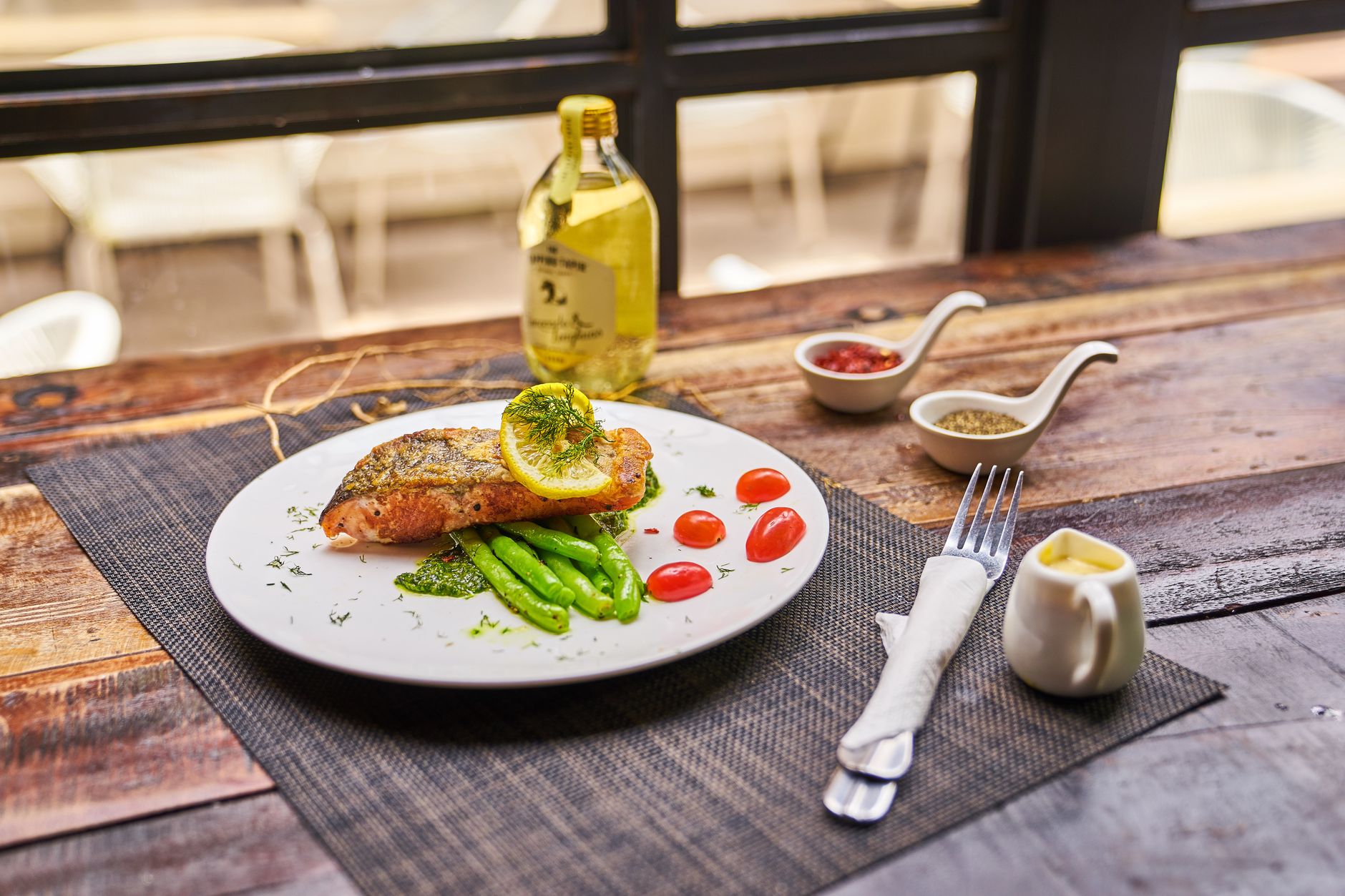
?f?? Photo by Loong Ken on Pexels – Free to use under the Pexels License
Why This Recipe Works: The Food Science Behind It
When you’re cooking quickly, every second counts—and that’s where food science becomes your best friend. Take the Maillard reaction, for example. Named after French chemist Louis-Camille Maillard, this chemical process occurs when amino acids and reducing sugars react under heat, creating the golden-brown crust on seared meats, toasted bread, and caramelized vegetables. It’s responsible for the deep, savory flavors we associate with “restaurant-quality” food. To maximize it in a 30-minute meal, you need two things: dry surfaces (pat proteins and veggies dry before cooking) and high heat (a screaming-hot pan or broiler). That’s why a stir-fry cooked in a wok over high flame tastes so much better than one simmered in a cold pan—it’s all about the Maillard.
According to Mayo Clinic, nutrition science and health plays an important role in understanding food preparation and nutrition.
Then there’s the role of emulsification. In dishes like creamy pastas or pan sauces, emulsifiers (like egg yolks in carbonara or mustard in a vinaigrette) bind fat and water molecules, creating a smooth, luxurious texture. Without this, your sauce might separate into a greasy mess. The key? Slow incorporation. Whisking constantly while drizzling in oil or butter ensures a stable emulsion, even in a hurry. And let’s not forget protein denaturation. When you sear chicken or shrimp, the heat causes the proteins to unravel and re-bond, squeezing out moisture and creating that tender-yet-juicy texture. Overcook it, and the proteins tighten too much, turning your dinner into rubber. That’s why timing is everything—especially when you’re racing the clock.
Complete Ingredient Breakdown
Every great quick dinner starts with the right ingredients. Here’s what you’ll need for these 10 recipes, along with the why behind each choice and smart substitutions.
According to USDA FoodData Central, nutritional data and food composition plays an important role in understanding food preparation and nutrition.
For Stir-Fries and Sautés:
- Protein (1 lb / 450g): Chicken thighs, shrimp, or tofu. Thighs stay juicier than breasts because of their higher fat content, while shrimp cook in under 3 minutes. Tofu? Press it first to avoid sogginess. Substitute: Pork tenderloin or tempeh (both cook quickly and hold up to high heat).
- Vegetables (4 cups, chopped): Bell peppers, broccoli, snap peas, or bok choy. These veggies have high water content and thin skins, so they cook fast without turning mushy. Substitute: Zucchini, mushrooms, or asparagus (cut into thin strips for even cooking).
- Garlic (4 cloves, minced) and Ginger (1 tbsp, grated): These aromatics release their flavors quickly when cooked in hot oil, forming the flavor base. Substitute: Shallots or green onions (for a milder taste).
- Sauce (3 tbsp): Soy sauce, oyster sauce, and a splash of rice vinegar. The umami in soy sauce deepens flavor, while vinegar brightens it. Substitute: Tamari (gluten-free) or coconut aminos (soy-free).
- Oil (2 tbsp): High-smoke-point oils like avocado or peanut oil. These won’t burn at high heat, preventing bitter flavors. Substitute: Grapeseed or vegetable oil.
- Pasta (8 oz / 225g): Short shapes like penne or fusilli. Their nooks and crannies trap sauce, ensuring every bite is flavorful. Substitute: Spaghetti (break it in half to fit in the pot) or gluten-free pasta (check cooking time).
- Liquid (3 cups): Chicken or vegetable broth. The starch from the pasta thickens the broth into a creamy sauce. Substitute: Water + bouillon cube or coconut milk (for a dairy-free creamy texture).
- Creaminess (1/2 cup): Heavy cream, half-and-half, or cream cheese. Fat carries flavor and creates a velvety texture. Substitute: Greek yogurt (stir in at the end to prevent curdling) or cashew cream (vegan).
- Acid (1 tbsp): Lemon juice or white wine. Balances richness and brightens the dish. Substitute: Apple cider vinegar or a splash of pasta water.
- Protein (1 lb / 450g): Salmon fillets or chicken drumsticks. Both cook quickly and stay moist. Substitute: Sausage links or halloumi cheese (for vegetarians).
- Vegetables (4 cups, chopped): Potatoes, Brussels sprouts, or sweet potatoes. These hold up to roasting without turning to mush. Substitute: Cauliflower, carrots, or butternut squash (cut into small pieces for faster cooking).
- Seasoning (2 tbsp): Olive oil, salt, and smoked paprika. The oil helps crisp the veggies, while paprika adds a smoky depth. Substitute: Cumin + chili powder (for a Tex-Mex twist) or za’atar (for Middle Eastern flair).
- Prep Like a Pro (5 minutes):
Mise en place is non-negotiable. Chop all your ingredients before you even turn on the stove. Mince 4 garlic cloves, grate 1 tbsp fresh ginger, slice 1 bell pepper into thin strips, and trim 1 lb (450g) shrimp (leave tails on for presentation). Measure out 2 tbsp soy sauce, 1 tbsp oyster sauce, 1 tsp rice vinegar, and 1 tsp honey. Have a small bowl of 1 tbsp cornstarch ready for the shrimp.
- Velvet the Shrimp (3 minutes):
Toss the shrimp with the cornstarch. This technique, called velveting, creates a protective coating that locks in moisture and gives the shrimp a silky texture. Heat 1 tbsp peanut oil in a wok or large skillet over medium-high heat until shimmering. Add the shrimp in a single layer and cook for 1 minute per side, just until they turn pink. Remove and set aside—don’t worry if they’re not fully cooked; they’ll finish in the sauce.
- Build the Flavor Base (2 minutes):
In the same pan, add 1 tbsp butter and let it melt. Add the garlic and ginger, stirring constantly for 30 seconds until fragrant (don’t let them burn!). The butter will brown slightly, adding a nutty depth—this is the Maillard reaction in action. Pour in the soy sauce, oyster sauce, vinegar, and honey, scraping up any browned bits from the pan. These bits are pure flavor!
- Stir-Fry the Veggies (3 minutes):
Add the bell pepper strips and cook for 2 minutes, stirring frequently. You want them to soften slightly but still retain a crisp bite. If using broccoli or snap peas, add them now—they’ll cook in the residual heat.
- Finish and Emulsify (2 minutes):
Return the shrimp to the pan and toss everything together. The sauce will thicken slightly as it coats the shrimp and veggies. For extra richness, swirl in 1 tbsp cold butter at the end—this creates a glossy, restaurant-style sauce. Taste and adjust seasoning: need more salt? A splash of soy sauce. More acid? A squeeze of lime.
- Serve Immediately (1 minute):
Garnish with sliced green onions and sesame seeds. Serve over steamed rice or noodles, or enjoy as-is for a low-carb option. The entire dish should take 20 minutes from start to finish—no shortcuts, just smart cooking. For more delicious ideas, explore our healthy dinner recipes collection.
- Temperature Control:
Your pan should be hot enough to make a drop of water sizzle and evaporate instantly. If it’s not, your food will steam instead of sear, leading to soggy shrimp and limp veggies. Preheat your pan for at least 3 minutes before adding oil. And if you’re using a nonstick pan, don’t crank the heat too high—it can damage the coating. A well-seasoned cast iron or stainless steel pan is ideal for stir-fries.
- Ingredient Quality:
Fresh shrimp make a huge difference. Look for “16/20 count” shrimp (16–20 per pound)—they’re large enough to stay juicy when cooked quickly. If using frozen shrimp, thaw them in cold water (not the microwave) to prevent mushiness. For veggies, buy pre-cut stir-fry mixes to save time, but avoid anything with added sauces—they can make your dish watery.
- Timing and Patience:
Resist the urge to stir constantly. Let the shrimp sear for 1 minute per side before flipping—this builds flavor. Similarly, let the garlic and ginger cook for 30 seconds before adding liquid; this ensures their flavors bloom. And always rest your shrimp for 1 minute after cooking. This lets the juices redistribute, so they don’t leak out when you cut into them.
- Seasoning Balance:
The secret to a well-balanced stir-fry is umami, salt, acid, and sweetness. Soy sauce provides salt and umami, oyster sauce adds depth, vinegar brightens, and honey rounds it out. If your dish tastes flat, it’s usually missing one of these elements. Start with small amounts and adjust as you go—you can always add more, but you can’t take it out.
- Protein: 28g (shrimp is a lean, complete protein, containing all nine essential amino acids).
- Vitamins: 100% of your daily vitamin B12 (supports nerve function) and 50% of selenium (a powerful antioxidant).
- Healthy Fats: 12g from the butter and peanut oil, including omega-3s (anti-inflammatory) and monounsaturated fats (heart-healthy).
- Fiber: 3g from the bell peppers and ginger, aiding digestion and gut health.
- Low Carb: Only 12g net carbs per serving, making it ideal for keto or low-carb diets.
For One-Pot Pastas:
For Sheet Pan Dinners:
Step-by-Step Instructions: Garlic Butter Shrimp Stir-Fry (Ready in 20 Minutes)
This is my go-to when I need dinner on the table fast without sacrificing flavor. The key is high heat and constant motion—no multitasking allowed. Here’s how to nail it every time.
Expert Tips from Years of Kitchen Experience
After making this dish (and its variations) hundreds of times, I’ve learned a few tricks that take it from good to unforgettable. Here’s what separates a home cook from a pro:
Nutritional Benefits and Health Insights
This garlic butter shrimp stir-fry isn’t just fast—it’s packed with nutrients. A single serving (about 1/4 of the recipe) provides:
Shrimp is also rich in astaxanthin, a carotenoid that gives it its pink color and has been linked to reduced inflammation and improved skin health. The garlic and ginger add allicin and gingerol, compounds with antimicrobial and anti-inflammatory properties. And because this dish is cooked quickly over high heat, it retains more nutrients than slow-cooked meals—especially vitamin C in the bell peppers, which degrades with prolonged cooking.
For a lighter version, swap the butter for olive oil and use low-sodium soy sauce. If you’re watching your cholesterol, limit the shrimp to 6 oz (170g) per serving and bulk up the dish with extra veggies. And for a dairy-free option, replace the butter with coconut oil or vegan butter. For more delicious ideas, explore our vegetarian meal ideas collection.
Creative Variations and Dietary Adaptations
This recipe is a blank canvas—here’s how to adapt it to your tastes or dietary needs:
1. Spicy Thai Basil Shrimp
Swap the oyster sauce for fish sauce and add 1–2 tbsp Thai red curry paste with the garlic. Stir in 1 cup Thai basil leaves at the end and top with crushed peanuts. The curry paste adds heat and complexity, while the basil gives it a fresh, anise-like finish. Nutritional boost: Thai basil is rich in vitamin K and antioxidants.
2. Lemon Garlic Shrimp with Zucchini Noodles
Replace the bell peppers with 2 medium zucchinis, spiralized into noodles. Add the zoodles to the pan with the shrimp and toss for 1–2 minutes until just tender. Finish with a squeeze of lemon juice and zest. Dietary note: This version is paleo, keto, and Whole30-friendly.
3. Vegan Coconut Curry Tofu
Swap the shrimp for 1 block (14 oz / 400g) extra-firm tofu, pressed and cubed. Replace the butter with 1 tbsp coconut oil and add 1 can (13.5 oz / 400ml) coconut milk with the soy sauce. Stir in 1 tbsp curry powder and 1 tsp turmeric for color. Garnish with cilantro and lime. Nutritional boost: Turmeric contains curcumin, a potent anti-inflammatory compound.
4. Sheet Pan Garlic Butter Shrimp and Asparagus
For a hands-off version, toss the shrimp and 1 bunch asparagus (trimmed) with the garlic butter sauce. Spread on a sheet pan and broil for 5–7 minutes until the shrimp are pink and the asparagus is tender-crisp. Pro tip: Line the pan with parchment paper for easy cleanup.
5. Meal-Prep Friendly Shrimp Fried Rice
Use 2 cups cooked and cooled rice (day-old works best). Stir-fry the shrimp and veggies as directed, then add the rice and sauce. Push everything to one side of the pan, scramble 1 egg in the empty space, then mix it all together. Storage tip: Keeps in the fridge for 3 days—reheat in a skillet with a splash of water to prevent drying.
Frequently Asked Questions
Why did my shrimp turn rubbery?
Rubbery shrimp is almost always a result of overcooking. Shrimp cook in minutes—once they turn pink and opaque, they’re done. The residual heat will continue cooking them even after you remove them from the pan, so pull them out when they’re just opaque in the center. Another culprit? Overcrowding the pan. If the shrimp are touching, they’ll steam instead of sear, leading to a mushy texture. Cook them in batches if needed.
Can I make this ahead of time?
This dish is best served fresh, but you can prep the ingredients ahead of time. Store the chopped veggies and shrimp (uncooked) in separate airtight containers in the fridge for up to 24 hours. The sauce can be mixed in advance and refrigerated, but give it a stir before using—some ingredients (like honey) may separate. If you must reheat leftovers, do it gently in a skillet with a splash of water or broth to prevent drying out.
How can I make this gluten-free?
It’s easy! Swap the soy sauce for tamari (a gluten-free soy sauce) or coconut aminos. Check the oyster sauce label—some brands contain wheat. For a completely gluten-free meal, serve with rice noodles or cauliflower rice instead of regular rice.
What’s the best way to thaw frozen shrimp?
The fastest method is to place the shrimp in a colander and run cold water over them for 5–10 minutes. For a hands-off approach, transfer the shrimp to a bowl of cold water and let them sit for 20–30 minutes, changing the water every 10 minutes. Never thaw shrimp in warm water or the microwave—this can start cooking them unevenly, leading to a mushy texture. Once thawed, pat them very dry with paper towels to ensure a good sear.
Can I use frozen vegetables?
Yes, but with a few caveats. Frozen veggies release water when cooked, which can make your stir-fry soggy. To avoid this, thaw and drain them first, then pat them dry with a towel. Alternatively, cook them separately in a dry pan to evaporate excess moisture before adding them to the stir-fry. Stick to veggies like bell peppers, broccoli, and snap peas—they hold up better than softer options like zucchini or spinach.
Final Thoughts
There’s something magical about a meal that comes together in under 30 minutes yet tastes like it’s been simmering for hours. This garlic butter shrimp stir-fry is one of those dishes—simple enough for a weeknight, but impressive enough to serve to guests. It’s a reminder that fast cooking doesn’t have to mean sacrificing flavor or nutrition. With a little planning, the right ingredients, and a hot pan, you can create a dinner that’s as satisfying as it is speedy.
I encourage you to make this recipe your own. Swap the shrimp for chicken, the bell peppers for mushrooms, the soy sauce for teriyaki—experiment until it feels like your dish. And when you nail it (and you will), take a moment to savor the win. Because the best part of cooking isn’t just the food—it’s the confidence that comes from knowing you can whip up something delicious, even on the busiest of nights.
Now, go turn on that stove. Dinner’s waiting.