


?? In This Article
- The Rich History and Cultural Roots of This Dish
- Why This Recipe Works: The Food Science Behind It
- Complete Ingredient Breakdown
- Step-by-Step Instructions
- Expert Tips from Years of Kitchen Experience
- Nutritional Benefits and Health Insights
- Creative Variations and Dietary Adaptations
- Frequently Asked Questions
- Final Thoughts
I still remember the first time I tasted authentic French onion soup in a tiny Parisian bistro. The deep, sweet aroma of caramelized onions hit me before the bowl even touched the table, and that first spoonful—rich broth, gooey cheese, and crusty bread—felt like a warm hug. Years later, when I became a food writer, I assumed this dish was off-limits for weeknight cooking. After all, traditional recipes call for hours of patient onion caramelization. But after countless experiments in my home kitchen, I cracked the code: you can make French onion soup in just 30 minutes without sacrificing that signature depth of flavor. The secret? A combination of smart ingredient choices, precise temperature control, and a few sneaky shortcuts that professional chefs use but rarely share.
The Rich History and Cultural Roots of This Dish
French onion soup traces its origins to humble beginnings in 18th-century Paris, where it was a staple among working-class families. The dish likely evolved from a much older Roman tradition of cooking onions in wine or broth, but the French version we know today became popular during the reign of Louis XV. Legend claims the king himself created the first iteration after returning from a hunt to find his kitchen stocked with only onions, butter, and champagne. While that story might be apocryphal, it reflects the dish’s reputation as a resourceful way to transform simple ingredients into something extraordinary.
By the 19th century, French onion soup had become a fixture in Parisian markets and cafés, particularly as a late-night meal for revelers after the opera or theater. The version we recognize today—topped with bread and melted cheese—emerged in the early 1900s, thanks to the proliferation of affordable Gruyère cheese and the invention of the broiler. Interestingly, the dish didn’t gain widespread popularity in the United States until the 1960s, when Julia Child’s Mastering the Art of French Cooking introduced American home cooks to its charms. Today, it remains a symbol of French comfort food, though regional variations exist: in Lyon, chefs often add a splash of white wine, while in Provence, you might find a hint of herbes de Provence in the broth.
What fascinates me most about this dish is how it embodies the French culinary philosophy of “less is more.” With just a handful of ingredients, it achieves a complexity that belies its simplicity. This principle is what makes it perfect for quick cooking—once you understand the science behind the flavors, you can replicate them efficiently without cutting corners on taste.

??? Photo by Caio Pezzo on Pexels – Free to use under the Pexels License
Why This Recipe Works: The Food Science Behind It
The magic of French onion soup lies in two key chemical reactions: caramelization and the Maillard reaction. Caramelization occurs when the natural sugars in onions break down under heat, transforming from sharp and pungent to deep, sweet, and complex. This process typically takes 45 minutes to an hour in traditional recipes, but by slicing onions thinly and cooking them over medium-high heat with a pinch of sugar, we can accelerate it to just 15 minutes. The sugar doesn’t just speed things up—it also ensures even browning by compensating for any natural sweetness variations in the onions.
According to Mayo Clinic, nutrition science and health plays an important role in understanding food preparation and nutrition.
The Maillard reaction, often confused with caramelization, is what gives the onions their savory, meaty depth. This reaction occurs between amino acids and reducing sugars when exposed to heat, creating hundreds of new flavor compounds. To maximize Maillard browning in our quick version, we use a combination of butter (for richness) and olive oil (for a higher smoke point). The butter’s milk solids brown quickly, adding a nutty flavor, while the olive oil prevents burning. Another pro tip? A splash of soy sauce at the end of caramelization. The umami-rich sauce contains glutamates that enhance the Maillard flavors, making the onions taste as if they’ve been cooking for hours.
The final layer of science comes from the cheese topping. Gruyère melts beautifully because of its high moisture content and moderate fat levels, creating that signature stretchy, golden crust. When broiled, the cheese undergoes protein denaturation, where its casein proteins unfold and rebond, forming a stable network that traps moisture and fat. This is why pre-shredded cheese (which contains anti-caking agents) won’t melt as smoothly—those additives interfere with the protein bonds. For our quick version, we use a mix of Gruyère and Parmesan: the Gruyère provides meltability, while the Parmesan adds a sharp, salty contrast that cuts through the sweetness of the onions.
Complete Ingredient Breakdown
Every ingredient in this recipe serves a specific purpose, and choosing the right ones will make or break your 30-minute French onion soup. Here’s what you’ll need and why:
According to USDA FoodData Central, nutritional data and food composition plays an important role in understanding food preparation and nutrition.
The Base
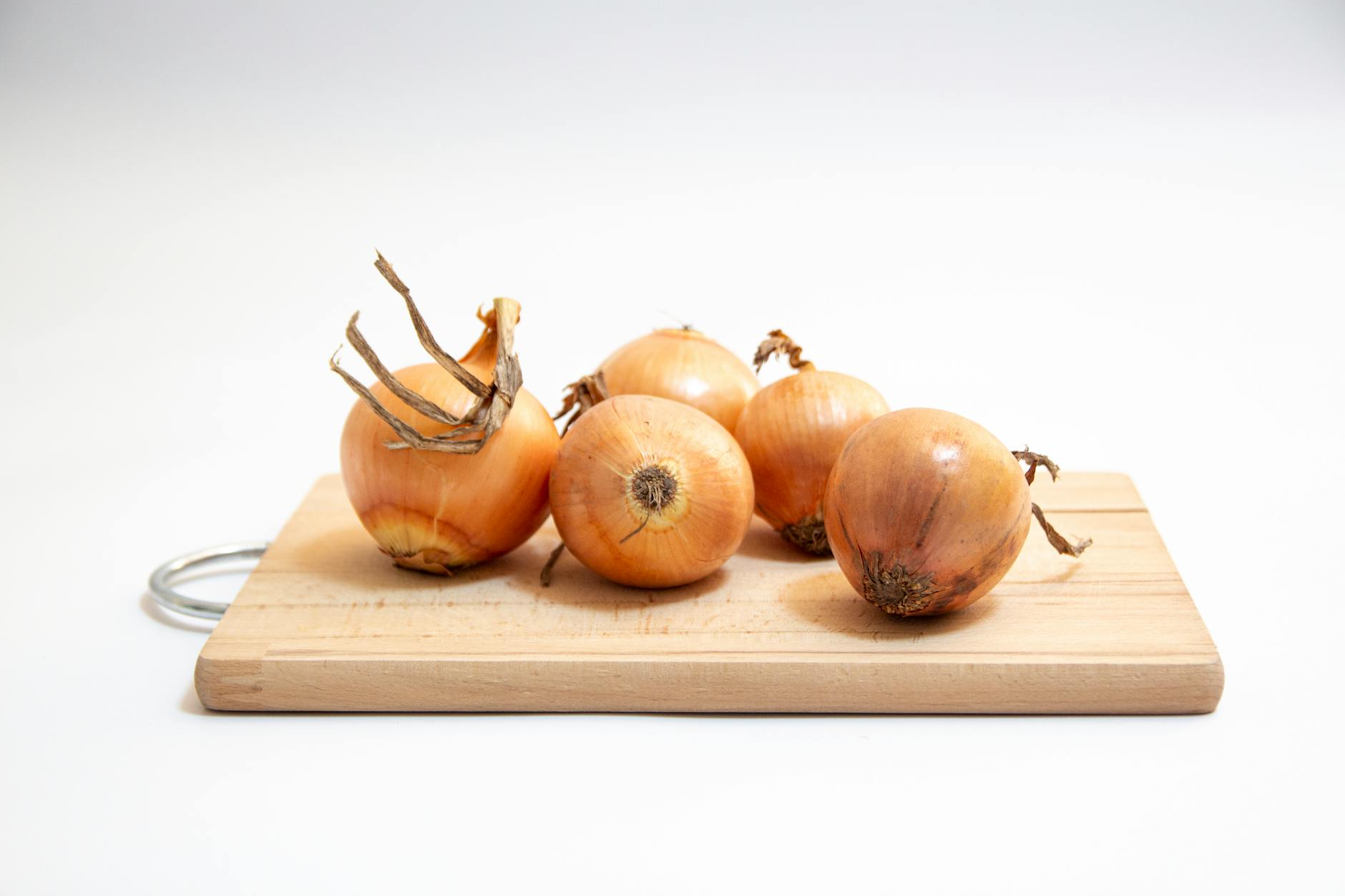
- 2 lbs (900g) yellow onions: Yellow onions are ideal because they strike the perfect balance between sweetness and sharpness. Their high sulfur content (which makes you cry when cutting them) transforms into complex flavors during cooking. For speed, slice them thinly (about 1/8-inch thick) so they caramelize quickly. Avoid sweet onions like Vidalia—they lack the depth needed for this dish.
- 3 tbsp (42g) unsalted butter + 1 tbsp (15ml) olive oil: The butter adds richness and helps with browning, while the olive oil raises the smoke point of the mixture, preventing the butter from burning. If you’re dairy-free, substitute the butter with more olive oil and add a pinch of salt to compensate for the lost flavor.
- 1 tsp (5g) granulated sugar: This isn’t just for sweetness—it jumpstarts caramelization by lowering the temperature at which the onions’ natural sugars break down. Omit it if you’re strict about sugar, but the soup will take longer to develop depth.
- 4 cups (950ml) low-sodium beef broth: The backbone of the soup. Low-sodium is crucial because we’ll be reducing the broth, and regular versions can become too salty. For a richer flavor, use homemade stock or a high-quality store-bought brand like Kettle & Fire. Vegetarians can substitute with mushroom or onion broth for a similar umami punch.
- 1/2 cup (120ml) dry white wine (such as Sauvignon Blanc): Wine adds acidity and brightness, balancing the sweetness of the onions. The alcohol also helps extract flavor compounds from the onions during deglazing. If you don’t cook with wine, substitute with an equal amount of apple cider vinegar diluted with 1/4 cup water, or use extra broth.
- 2 sprigs fresh thyme (or 1/2 tsp dried): Thyme’s earthy, slightly minty notes complement the onions’ sweetness. Fresh is preferable, but dried works in a pinch. If using dried, add it with the wine to rehydrate the herbs.
- 1 bay leaf: This adds a subtle, floral depth that rounds out the flavors. Remove it before serving—bay leaves are tough and unpleasant to eat.
- 1 tbsp (15ml) soy sauce: The secret weapon for umami. Soy sauce contains glutamates that amplify the savory notes in the onions, making them taste more complex. Use tamari for a gluten-free option.
- 1/2 tsp black pepper: Freshly ground pepper adds a slight heat that cuts through the richness. Avoid pre-ground pepper—it loses its potency quickly.
- 4 slices (1-inch thick) baguette: A sturdy, crusty bread is essential for soaking up the broth without turning to mush. If you don’t have a baguette, use sourdough or a rustic country loaf. For gluten-free, opt for a dense gluten-free bread like ciabatta.
- 1 cup (100g) shredded Gruyère cheese: Gruyère is the gold standard for French onion soup because it melts smoothly and has a nutty, slightly sweet flavor. Avoid pre-shredded cheese—it contains anti-caking agents that prevent proper melting. If you can’t find Gruyère, substitute with Emmental or a mix of Swiss and Parmesan.
- 1/4 cup (25g) grated Parmesan cheese: Parmesan adds a sharp, salty contrast to the Gruyère. It also helps create a crispy top layer when broiled. Use freshly grated Parmesan for the best texture—pre-grated versions contain cellulose to prevent clumping, which makes them grainy when melted.
- Slice the Onions:
Cut the onions in half from root to stem, then peel them. Lay each half flat on the cutting board and slice thinly (about 1/8-inch thick) from root to stem. Keeping the root intact while slicing helps hold the onion together, making it easier to cut. For speed, use a mandoline or food processor with a slicing attachment, but be careful—onions are slippery! Aim for about 8 cups of sliced onions. The thinner the slices, the faster they’ll caramelize.
- Caramelize the Onions:
Heat the butter and olive oil in your pot over medium-high heat. Once the butter is foaming, add the onions and sugar. Stir to coat, then spread them out in an even layer. Cook, stirring every 2-3 minutes, for 10 minutes. The onions will release their moisture and soften. After 10 minutes, reduce the heat to medium and cook for another 5 minutes, stirring more frequently. The onions should turn a deep golden brown and reduce in volume by about half. If they start to stick, add a splash of water (1-2 tbsp) and scrape up the browned bits—those are flavor gold!
Here’s the science: The initial high heat breaks down the onions’ cell walls, releasing their moisture. As the water evaporates, the temperature rises, allowing caramelization to begin. The sugar speeds up this process by lowering the temperature at which the onions’ natural sugars brown. By the end of this step, your kitchen should smell like heaven, and the onions should be a rich, jammy consistency.
- Deglaze and Build Flavor:
Pour in the white wine and scrape the bottom of the pot with your wooden spoon to lift any browned bits. Let the wine simmer for 2 minutes until it’s mostly evaporated. Add the soy sauce and stir to combine—this is where the umami magic happens. Pour in the beef broth, then add the thyme and bay leaf. Bring the soup to a simmer, then reduce the heat to low. Let it cook uncovered for 10 minutes to meld the flavors. Taste and adjust the seasoning with salt and pepper if needed. Remove the bay leaf and thyme sprigs before serving.
- Toast the Bread:
While the soup simmers, toast the baguette slices. Brush both sides lightly with olive oil and place them on a baking sheet. Toast under the broiler for 1-2 minutes per side, until golden brown. Keep an eye on them—they burn quickly! If you don’t have a broiler, toast them in a dry skillet over medium heat for 2-3 minutes per side.
- Assemble and Melt the Cheese:
Ladle the hot soup into oven-safe bowls or ramekins, filling them about 3/4 full. Place a toasted baguette slice on top of each bowl, then pile on the shredded Gruyère and Parmesan. Be generous—the cheese should cover the bread completely. Place the bowls on a baking sheet (to catch any cheese drips) and broil for 2-3 minutes, until the cheese is bubbly and golden brown. Watch them closely—cheese can go from perfect to burnt in seconds!
For an extra-crispy top, switch your oven to the highest bake setting (usually 500°F/260°C) for the last minute of broiling. This creates a beautiful, crackly crust that contrasts with the gooey cheese underneath.
- Serve Immediately:
Carefully remove the bowls from the oven (they’ll be hot!) and let them cool for 1-2 minutes. Serve with a spoon and a knife—you’ll want to cut through the bread and cheese to get every last bit of flavor. Garnish with a sprinkle of fresh thyme or a grind of black pepper if desired. Pair with a simple green salad and a glass of white wine for the full bistro experience.
- Temperature Control:
The key to speedy caramelization is maintaining the right temperature. If your onions are browning too quickly, reduce the heat to medium-low and stir more frequently. If they’re not browning at all, increase the heat slightly and be patient—resist the urge to stir constantly, as this lowers the temperature and steams the onions instead of browning them. A good rule of thumb: The onions should sizzle gently but not smoke. If they start to smoke, remove the pot from the heat for a minute to cool slightly.
- Ingredient Quality:
Not all beef broths are created equal. Cheap, canned broths often taste metallic or overly salty, which can ruin your soup. Invest in a high-quality brand or make your own. If you’re short on time, use a combination of store-bought broth and a splash of homemade stock for depth. For the cheese, always buy a block and shred it yourself. Pre-shredded cheese contains anti-caking agents that prevent it from melting smoothly, resulting in a grainy texture. Gruyère is worth the splurge—its nutty, slightly sweet flavor is irreplaceable in this dish.
- Timing and Patience:
The biggest mistake home cooks make with French onion soup is rushing the caramelization. Even in this quick version, the onions need at least 15 minutes to develop their full flavor. If you cut this step short, your soup will taste flat and one-dimensional. Another common error is overfilling the bowls before broiling. The soup should come up to about 1/2 inch below the rim—any higher, and it’ll bubble over in the oven. Finally, don’t skip the deglazing step. Those browned bits on the bottom of the pot are packed with flavor, and scraping them up ensures none of it goes to waste.
- Seasoning Balance:
French onion soup should taste rich and savory, with a balance of sweetness (from the onions), acidity (from the wine), and umami (from the broth and soy sauce). If your soup tastes flat, try adding a splash of vinegar or a pinch of sugar. If it’s too sweet, a squeeze of lemon juice or a dash of Worcestershire sauce can help. Remember, you can always add more seasoning, but you can’t take it out—taste as you go and adjust gradually.
Seasoning and Aromatics
The Topping

??? Photo by Alexander F Ungerer on Pexels – Free to use under the Pexels License
Step-by-Step Instructions
Before you start, gather all your ingredients and equipment. You’ll need a large, heavy-bottomed pot (like a Dutch oven), a sharp knife, a cutting board, a wooden spoon, and a broiler-safe bowl or ramekin. Mise en place is key here—once the onions start cooking, you won’t have time to chop or measure. Preheat your oven’s broiler to high and position a rack about 6 inches from the heat source. Now, let’s get cooking!

??? Photo by Matheus Figueiredo on Pexels – Free to use under the Pexels License For more delicious ideas, explore our cooking tips and guides collection.
Expert Tips from Years of Kitchen Experience
After making this soup dozens of times, I’ve learned a few tricks that take it from good to outstanding. These are the details that most recipes overlook but make all the difference in flavor, texture, and presentation.
Nutritional Benefits and Health Insights
French onion soup might seem like an indulgent treat, but it’s packed with surprising health benefits—especially when made with wholesome ingredients. A single serving of this quick version (about 1.5 cups) contains approximately 320 calories, 18g of protein, 22g of carbohydrates, and 18g of fat. The onions alone provide a wealth of nutrients: they’re rich in vitamin C (12% of your daily value per cup), which supports immune function, and quercetin, a flavonoid with anti-inflammatory properties. Quercetin has been linked to reduced risk of chronic diseases, including heart disease and certain cancers.
The beef broth contributes collagen, which supports joint health and skin elasticity, as well as minerals like zinc and iron. If you’re watching your sodium intake, opt for low-sodium broth and reduce the soy sauce to 1/2 tablespoon. The cheese topping, while high in saturated fat, also provides calcium (30% of your daily value per serving) and vitamin B12, which is essential for nerve function. For a lighter version, use half the cheese and add a sprinkle of nutritional yeast for a cheesy flavor without the fat.
This soup is also a great source of prebiotic fiber from the onions, which feeds the beneficial bacteria in your gut. Pair it with a side of whole-grain bread to boost the fiber content even more. If you’re following a low-carb diet, skip the bread topping and enjoy the soup as a flavorful broth with melted cheese on top. For vegans, the mushroom broth version provides similar umami depth, and nutritional yeast can mimic the cheesy flavor of Gruyère. For more delicious ideas, explore our drinks and beverages collection.
Creative Variations and Dietary Adaptations
While the classic version of French onion soup is hard to beat, there are plenty of ways to adapt it to suit different tastes and dietary needs. Here are five of my favorite variations, each with a unique twist:
1. Vegan French Onion Soup
To make this soup vegan, swap the beef broth for a rich mushroom or onion broth, and use olive oil instead of butter. For the cheese topping, mix 1 cup of cashews (soaked in hot water for 10 minutes) with 2 tablespoons of nutritional yeast, 1 tablespoon of lemon juice, and 1/2 teaspoon of garlic powder. Blend until smooth, then spread it on the toasted bread before broiling. The cashew “cheese” won’t melt like Gruyère, but it will develop a golden, slightly crispy crust that’s just as satisfying.
2. Spicy Chipotle French Onion Soup
For a smoky, spicy kick, add 1-2 teaspoons of chipotle powder or 1 tablespoon of adobo sauce (from canned chipotles) to the broth. The heat from the chipotle balances the sweetness of the onions, while the smokiness adds depth. Top with pepper Jack cheese instead of Gruyère for an extra spicy finish. Garnish with sliced jalapeños and a dollop of sour cream to cool the heat.
3. French Onion Soup Grilled Cheese
Turn this soup into a meal by serving it with a French onion soup-inspired grilled cheese. Spread a thin layer of caramelized onions on one slice of bread, top with Gruyère and Parmesan, and grill in butter until golden and crispy. Cut the sandwich into small squares and serve alongside the soup for dipping. This is a fun twist for kids or anyone who loves a good grilled cheese.
4. Pressure Cooker French Onion Soup
If you have an Instant Pot or electric pressure cooker, you can make this soup even faster. After caramelizing the onions (about 10 minutes), add the wine, broth, and seasonings, then pressure cook on high for 5 minutes. Release the pressure, then proceed with the bread and cheese topping as usual. The pressure cooker infuses the broth with even more onion flavor in a fraction of the time.
5. French Onion Soup with a Twist: Apple and Cider
For a sweet and tangy variation, add 1/2 cup of apple cider to the broth along with the wine. The cider’s acidity brightens the soup, while its natural sweetness enhances the caramelized onions. Top with a slice of applewood-smoked cheddar instead of Gruyère for a unique flavor combination. This version is especially delicious in the fall, when apples are in season.
Frequently Asked Questions
Can I make this soup ahead of time?
Absolutely! The soup base (without the bread and cheese) can be made up to 3 days ahead and stored in the refrigerator. Reheat it gently on the stove before assembling and broiling. If you want to prep the entire dish ahead, assemble the soup in oven-safe bowls, cover them tightly with plastic wrap, and refrigerate for up to 24 hours. When ready to serve, broil for 3-4 minutes to melt the cheese. Keep in mind that the bread may absorb some of the broth if left too long, so it’s best to add it just before broiling.
How do I reheat leftovers without ruining the cheese topping?
Reheating French onion soup can be tricky because the cheese topping can turn rubbery or separate. The best method is to reheat the soup base on the stove over low heat until hot, then transfer it to a broiler-safe bowl, add fresh bread and cheese, and broil as usual. If you’re short on time, you can reheat the entire dish in the oven at 350°F (175°C) for 10-15 minutes, but the cheese won’t be as crispy. Avoid the microwave—it will make the bread soggy and the cheese stringy.
Can I make this soup gluten-free?
Yes! To make this soup gluten-free, use gluten-free bread for the topping and ensure your beef broth is certified gluten-free (some brands contain wheat as a thickener). Tamari can replace soy sauce for a gluten-free option. For the cheese, check the labels—most Gruyère and Parmesan are naturally gluten-free, but some brands may contain additives. If you’re avoiding gluten entirely, skip the bread topping and enjoy the soup with a sprinkle of cheese on top.
Why did my onions burn instead of caramelizing?
Burnt onions are usually the result of too-high heat or not enough stirring. Caramelization requires medium to medium-high heat and frequent stirring to ensure even browning. If your onions are browning too quickly, reduce the heat and add a splash of water to cool the pot slightly. Another common mistake is overcrowding the pot—if the onions are piled too high, they’ll steam instead of brown. Use a large, heavy-bottomed pot and spread the onions in an even layer. Finally, be patient! Caramelization takes time, even in this quick version. If your onions start to burn, it’s better to start over than to try to salvage them—burnt onions will make the entire soup taste bitter.
Final Thoughts
There’s something magical about French onion soup. It’s a dish that transforms humble ingredients into something extraordinary, and it’s a testament to the power of patience and technique. While the traditional version requires hours of slow cooking, this quick adaptation proves that you don’t need all day to create something deeply flavorful and comforting. The key is understanding the science behind the flavors and using smart shortcuts to replicate them efficiently.
I love making this soup on chilly evenings when I crave something warm and satisfying but don’t have hours to spend in the kitchen. It’s become a go-to recipe for weeknight dinners, last-minute dinner parties, and even lazy Sundays. And the best part? Leftovers taste even better the next day, as the flavors have more time to meld together.
Don’t be afraid to experiment with this recipe. Swap the Gruyère for Comté, add a splash of sherry instead of white wine, or top it with a poached egg for extra richness. French onion soup is a canvas for creativity, and the more you play with it, the more you’ll make it your own. So grab your pot, slice some onions, and get ready to fall in love with this classic dish—all in just 30 minutes.
Hungry for more recipes?
Browse our full collection of easy, delicious recipes on justcookdaily.com.