


?? In This Article
- The Rich History and Cultural Roots of This Dish
- Why This Recipe Works: The Food Science Behind It
- Complete Ingredient Breakdown
- Step-by-Step Instructions
- Expert Tips from Years of Kitchen Experience
- Nutritional Benefits and Health Insights
- Creative Variations and Dietary Adaptations
- Frequently Asked Questions
- Final Thoughts
I’ll never forget the first time I tasted a proper French onion soup. It was in a tiny Parisian bistro on a rainy November evening, and the moment that spoonful of rich, sweet broth hit my tongue, I was hooked. The deep umami, the silky caramelized onions, the blanket of melted cheese—it was comfort in a bowl. But here’s the thing: most recipes tell you this dish takes hours. And while that’s true for the traditional version, I’ve spent years perfecting a method that delivers all that soul-warming goodness in just 30 minutes. Yes, you read that right. Today, I’m sharing my quick-and-easy French onion soup recipe that doesn’t skimp on flavor or authenticity.
The Rich History and Cultural Roots of This Dish
French onion soup, or soupe à l’oignon, has roots that stretch back to ancient Rome. The Romans were the first to popularize onion-based soups, prizing onions for their medicinal properties and long shelf life. But the modern version we know today—with its caramelized onions, rich beef broth, and melted cheese topping—emerged in 18th-century Paris. Street vendors in Les Halles, the city’s central market, served it to late-night revelers as a hearty, affordable meal. The dish became a symbol of Parisian working-class culture, a way to turn humble ingredients into something extraordinary.
What’s fascinating is how the soup evolved alongside French culinary techniques. The Maillard reaction, which gives caramelized onions their deep, complex flavor, wasn’t fully understood until the early 20th century. Yet, French cooks had been harnessing it for centuries, intuitively knowing that slow-cooked onions developed a sweetness and depth that raw or quickly sautéed onions couldn’t match. The addition of cheese—traditionally Gruyère—was a later innovation, likely inspired by the Swiss fondue craze of the 19th century. Today, French onion soup is a staple in bistros worldwide, but its heart remains in those Parisian streets where it was born.
Interestingly, the dish’s popularity in the United States skyrocketed in the 1960s, thanks in part to Julia Child’s Mastering the Art of French Cooking. American home cooks fell in love with its rustic charm and rich flavors, and it became a fixture in dinner parties and family gatherings. But somewhere along the way, the idea that it required hours of labor became dogma. That’s where my recipe comes in—proving that you don’t need all day to create a bowl that tastes like it simmered for hours.

??? Photo by Deane Bayas on Pexels – Free to use under the Pexels License
Why This Recipe Works: The Food Science Behind It
The magic of French onion soup lies in two key chemical reactions: caramelization and the Maillard reaction. Caramelization occurs when the natural sugars in onions break down under heat, creating a deep, sweet flavor and golden-brown color. This process typically takes 45 minutes to an hour—but I’ve discovered a shortcut. By adding a pinch of baking soda (just 1/4 teaspoon) to the onions as they cook, you raise the pH of the mixture, speeding up the breakdown of sugars. The result? Caramelized onions in half the time, with all the complexity of the slow-cooked version.
According to Mayo Clinic, nutrition science and health plays an important role in understanding food preparation and nutrition.
The Maillard reaction, on the other hand, is what gives the soup its savory, almost meaty depth. This reaction occurs when amino acids and reducing sugars react under high heat, creating hundreds of new flavor compounds. In this recipe, the Maillard reaction happens in two stages: first, as the onions cook, and second, when the broth is deglazed with a splash of dry sherry or white wine. The alcohol helps dissolve the browned bits (fond) stuck to the bottom of the pot, infusing the broth with even more flavor. It’s a trick professional chefs use to build depth quickly, and it’s why this soup tastes like it’s been simmering for hours.
Then there’s the cheese. Gruyère, with its nutty, slightly sweet flavor, is the traditional choice for a reason. It contains just the right balance of fat and moisture to melt into a gooey, stretchy blanket over the soup. When broiled, the cheese forms a golden crust while staying lusciously soft underneath—a texture known as the “grilled cheese effect.” This happens because the proteins in the cheese (casein) denature and recombine under heat, creating a stable network that traps fat and moisture. It’s the same science behind a perfect grilled cheese sandwich, and it’s what makes this soup so irresistibly comforting.
Complete Ingredient Breakdown
This recipe relies on a handful of high-quality ingredients to deliver maximum flavor in minimal time. Here’s what you’ll need and why each component matters:
According to USDA FoodData Central, nutritional data and food composition plays an important role in understanding food preparation and nutrition.
The Base
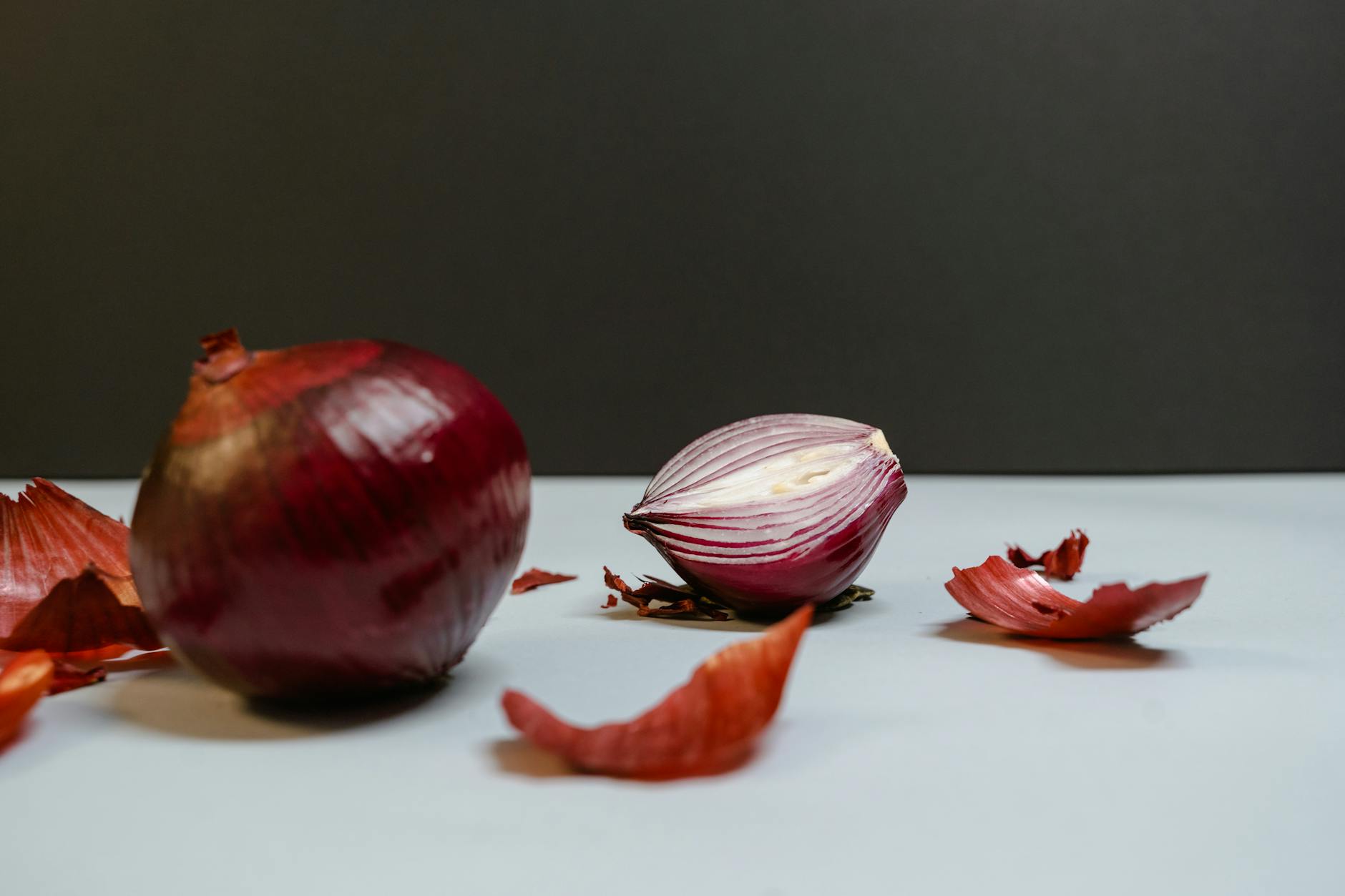
- 500g (about 3 large) yellow onions: Yellow onions are the gold standard for French onion soup. They have a higher sugar content than white or red onions, which means they caramelize more deeply and develop a richer flavor. Sweet onions like Vidalia can work in a pinch, but they lack the depth of yellow onions. Slice them thinly and uniformly (about 1/8-inch thick) to ensure even cooking.
- 3 tbsp unsalted butter: Butter adds richness and helps the onions caramelize more evenly. The milk solids in butter also contribute to the Maillard reaction, giving the onions a deeper color and more complex flavor. If you’re dairy-free, you can substitute olive oil, but you’ll miss out on some of that buttery depth.
- 1/4 tsp baking soda: This is the secret to speedy caramelization. Baking soda raises the pH of the onions, breaking down their cell walls faster and releasing sugars more quickly. Be careful not to overdo it—too much baking soda can make the onions taste soapy.
- 1 tbsp all-purpose flour: A small amount of flour helps thicken the soup slightly, giving it a more luxurious mouthfeel. It also helps the broth cling to the onions, ensuring every spoonful is packed with flavor. For a gluten-free version, use a 1:1 gluten-free flour blend or omit the flour entirely—your soup will be slightly thinner but still delicious.
- 1 liter (4 cups) high-quality beef broth: The broth is the backbone of this soup, so don’t skimp. Look for a low-sodium, richly flavored beef broth—homemade is ideal, but store-bought works if it’s high-quality. Avoid broths labeled “beef stock” or “beef consommé,” as they’re often too thin or overly salty. If you’re vegetarian, substitute with a robust mushroom or onion broth for depth.
- 1/2 cup dry sherry or white wine: Alcohol is a flavor amplifier. It helps dissolve the browned bits stuck to the pot (fond), infusing the broth with even more depth. Sherry is traditional, but a dry white wine like Sauvignon Blanc works too. If you don’t cook with alcohol, substitute with 1 tbsp of balsamic vinegar or apple cider vinegar for acidity.
- 1 tbsp Worcestershire sauce: This fermented condiment adds umami and a subtle tang, enhancing the beefy flavor of the broth. It’s a small but mighty ingredient—don’t skip it. For a vegetarian version, use soy sauce or coconut aminos instead.
- 1 tsp fresh thyme leaves (or 1/2 tsp dried thyme): Thyme is a classic herb in French cooking, and its earthy, slightly minty flavor pairs perfectly with onions. Fresh thyme is ideal, but dried works in a pinch. If you’re using dried, add it with the broth so it has time to rehydrate and release its flavor.
- 1 bay leaf: Bay leaves add a subtle, floral depth to the broth. Remove it before serving, as it’s not meant to be eaten.
- 4 slices of baguette or crusty bread: The bread acts as a raft for the cheese, soaking up the broth and adding texture. A baguette is traditional, but any crusty bread will work. For extra flavor, lightly toast the bread before adding it to the soup.
- 1 cup (100g) shredded Gruyère cheese: Gruyère is the gold standard for French onion soup. Its nutty, slightly sweet flavor and excellent melting properties make it ideal for this dish. If you can’t find Gruyère, Swiss cheese is a decent substitute, though it lacks the same depth. Avoid pre-shredded cheese, as it’s often coated with anti-caking agents that prevent it from melting smoothly.
- 2 tbsp grated Parmesan cheese: A small amount of Parmesan adds a salty, umami punch to the cheese topping. It also helps the Gruyère brown more evenly under the broiler.
- Caramelize the Onions:
Heat your pot over medium-high heat and add the butter. Once it’s melted and foaming, add the sliced onions and stir to coat. Sprinkle the baking soda over the onions and stir again. The onions will start to sizzle and soften almost immediately. Cook, stirring frequently, for 10-12 minutes, until the onions are deeply golden brown and starting to stick to the bottom of the pot. If they’re browning too quickly, reduce the heat to medium. You’re looking for a rich, caramel color—this is where the flavor develops.
- Deglaze the Pot:
Once the onions are caramelized, add the sherry or white wine to the pot. Use your wooden spoon to scrape up any browned bits stuck to the bottom—this is where the flavor lives. Let the liquid simmer for 1-2 minutes, until it’s mostly evaporated. This step is crucial for building depth in the broth.
- Build the Broth:
Sprinkle the flour over the onions and stir to coat. Cook for 1 minute to remove the raw flour taste. Slowly pour in the beef broth, stirring constantly to prevent lumps. Add the Worcestershire sauce, thyme, and bay leaf. Bring the soup to a simmer, then reduce the heat to low. Let it cook for 10 minutes, stirring occasionally, to allow the flavors to meld. Taste and adjust the seasoning with salt and pepper—remember, the cheese will add saltiness, so go easy here.
- Prepare the Bread and Cheese:
While the soup simmers, preheat your broiler to high. Arrange the baguette slices on a baking sheet and toast them under the broiler for 1-2 minutes, until lightly golden. In a small bowl, mix the shredded Gruyère and grated Parmesan together. This ensures even distribution of the cheeses when you top the soup.
- Assemble the Soup:
Ladle the hot soup into oven-safe bowls or ramekins. Top each bowl with a slice of toasted bread, then sprinkle the cheese mixture evenly over the top. Be generous—the cheese should cover the bread completely. Place the bowls on a baking sheet (to catch any cheese drips) and broil for 2-3 minutes, until the cheese is melted, bubbly, and golden brown. Keep a close eye on it—cheese can go from perfect to burnt in seconds.
- Serve Immediately:
Carefully remove the bowls from the oven (they’ll be hot!) and let them cool for 1-2 minutes before serving. The cheese should be stretchy and gooey, with a crispy top. Garnish with a sprinkle of fresh thyme or a grind of black pepper if you like. Serve with a knife and fork—this soup is meant to be eaten with the bread and cheese pulled apart, not just spooned.
- Temperature Control:
The key to perfect caramelization is patience and heat management. If your onions are browning too quickly, they’ll burn before they develop that deep, sweet flavor. Keep the heat at medium-high for the first 5 minutes, then reduce it to medium if they’re coloring too fast. Stir frequently to ensure even cooking, and don’t walk away—onions can go from golden to burnt in minutes. If you’re using a gas stove, the heat is more direct, so you may need to adjust the flame slightly lower than you would for an electric or induction cooktop.
- Ingredient Quality:
Since this recipe relies on just a few ingredients, their quality makes all the difference. Use the best beef broth you can find—homemade is ideal, but if you’re buying store-bought, look for one with a rich, beefy flavor and no added MSG. Avoid broths labeled “low-sodium” unless you’re watching your salt intake, as they often lack depth. For the cheese, splurge on real Gruyère. Pre-shredded cheese is convenient, but it’s coated with anti-caking agents that prevent it from melting smoothly. Grate your own for the best results.
- Timing and Patience:
It’s tempting to rush the caramelization process, but resist the urge. The onions need time to break down and develop their sweetness. If you’re short on time, you can slice the onions thinner (1/16-inch thick), which will speed up the cooking process. But don’t skip the deglazing step—it’s essential for building flavor. Similarly, don’t rush the broiling. The cheese needs time to melt and brown, but it can go from perfect to burnt in seconds. Keep a close eye on it and rotate the bowls if your broiler has hot spots.
- Seasoning Balance:
French onion soup should be rich and savory, but not salty. Taste the broth before adding the cheese, and adjust the seasoning with salt and pepper as needed. Remember, the cheese will add saltiness, so err on the side of under-seasoning. If your broth is already salty, use low-sodium beef broth and reduce the amount of Worcestershire sauce. For a brighter flavor, add a splash of lemon juice or a pinch of sugar to balance the sweetness of the onions.
The Broth
The Garnish

??? Photo by Dmitry Romanoff on Pexels – Free to use under the Pexels License
Step-by-Step Instructions
Before you start, gather all your ingredients and equipment. You’ll need a large, heavy-bottomed pot (like a Dutch oven), a wooden spoon, a sharp knife, and a baking sheet. Mise en place is key—have everything prepped and ready to go before you turn on the heat. This recipe moves quickly, and you don’t want to be scrambling to slice onions while your butter is burning.

??? Photo by Nikolai Kolosov on Pexels – Free to use under the Pexels License For more delicious ideas, explore our cooking tips and guides collection.
Expert Tips from Years of Kitchen Experience
Over the years, I’ve made this soup more times than I can count, and I’ve learned a few tricks that take it from good to outstanding. Here’s what separates a mediocre French onion soup from one that wows:
Nutritional Benefits and Health Insights
French onion soup is often dismissed as a decadent indulgence, but it’s actually packed with nutritional benefits—especially when made with high-quality ingredients. Let’s break down the health perks of this comforting dish:
Onions are the star of this soup, and they’re a nutritional powerhouse. A single medium onion (about 110g) contains just 44 calories but provides 10% of your daily vitamin C, 5% of your daily vitamin B6, and 4% of your daily manganese. They’re also rich in quercetin, a flavonoid with potent anti-inflammatory and antioxidant properties. Quercetin has been linked to reduced risk of chronic diseases like heart disease and certain cancers. Additionally, onions contain prebiotic fiber, which feeds the beneficial bacteria in your gut, supporting digestive health.
The beef broth in this soup is more than just a flavor base—it’s a source of collagen, gelatin, and amino acids like glycine and proline. These compounds support joint health, gut integrity, and skin elasticity. A cup of homemade beef broth contains about 8-10g of protein and is rich in minerals like calcium, magnesium, and phosphorus. If you’re using store-bought broth, look for one that’s been simmered for at least 8 hours to maximize its nutritional benefits. For a vegetarian version, mushroom broth is a great alternative, as it’s rich in B vitamins and immune-boosting compounds like beta-glucans.
Gruyère cheese, while high in saturated fat, is also a good source of calcium, phosphorus, and vitamin A. A 1-ounce (28g) serving provides 20% of your daily calcium and 15% of your daily phosphorus, both of which are essential for bone health. The cheese also contains conjugated linoleic acid (CLA), a fatty acid that’s been linked to reduced body fat and improved immune function. If you’re watching your fat intake, you can reduce the amount of cheese or use a lower-fat Swiss cheese, though the flavor won’t be as rich.
For those with dietary restrictions, this soup can be easily adapted. To make it gluten-free, omit the flour or use a 1:1 gluten-free flour blend. For a dairy-free version, substitute the butter with olive oil and use a dairy-free cheese alternative like nutritional yeast or vegan Gruyère. To reduce the sodium content, use low-sodium beef broth and reduce the amount of Worcestershire sauce. And if you’re watching your carb intake, serve the soup without the bread or use a low-carb bread alternative. For more delicious ideas, explore our drinks and beverages collection.
Creative Variations and Dietary Adaptations
While the classic French onion soup is a masterpiece on its own, there’s plenty of room for creativity. Here are a few variations to suit different tastes and dietary needs:
1. Vegan French Onion Soup
To make this soup vegan, substitute the beef broth with a rich mushroom or onion broth. Use olive oil instead of butter, and omit the Worcestershire sauce (or use a vegan alternative like coconut aminos). For the cheese, try a vegan Gruyère or a blend of cashew cheese and nutritional yeast. The key to a great vegan version is building depth in the broth—sauté the onions until they’re deeply caramelized, and add a splash of soy sauce or miso paste for umami.
2. Spicy French Onion Soup
For a kick of heat, add 1/2 teaspoon of red pepper flakes or a dash of hot sauce to the broth. You can also top the soup with pepper Jack cheese instead of Gruyère for an extra spicy twist. If you love smoky flavors, add a pinch of smoked paprika to the onions as they caramelize. This variation is perfect for those who like a little heat with their comfort food.
3. French Onion Soup with a Twist
Give this classic a regional twist by swapping out the traditional ingredients. For a German-inspired version, use rye bread and top the soup with Emmental cheese. For an Italian twist, use a mix of Parmesan and mozzarella, and add a sprinkle of fresh basil before serving. If you love umami, add a splash of fish sauce or a spoonful of tomato paste to the broth for extra depth.
4. Meal-Prep Friendly French Onion Soup
This soup is perfect for meal prep—just skip the bread and cheese until you’re ready to serve. Store the soup in an airtight container in the fridge for up to 4 days, or freeze it for up to 3 months. When you’re ready to eat, reheat the soup on the stovetop, then transfer it to oven-safe bowls, top with bread and cheese, and broil until bubbly. You can also prep the caramelized onions ahead of time—they’ll keep in the fridge for up to 3 days.
5. French Onion Soup Grilled Cheese
Turn this soup into a complete meal by serving it with a French onion soup grilled cheese sandwich. Spread a thin layer of caramelized onions on two slices of bread, top with Gruyère and Parmesan, and grill in butter until golden and melty. Serve the sandwich alongside the soup for dipping—it’s the ultimate comfort food combo.
Frequently Asked Questions
Can I make this soup in a slow cooker?
Yes! While this recipe is designed for speed, you can adapt it for a slow cooker if you prefer. Caramelize the onions on the stovetop first (this step can’t be skipped), then transfer them to the slow cooker with the broth and other ingredients. Cook on low for 4-6 hours or on high for 2-3 hours. Add the bread and cheese just before serving, and broil as directed. The slow cooker won’t give you the same depth of flavor as the stovetop method, but it’s a great hands-off option.
How do I store and reheat leftovers?
Store the soup (without the bread and cheese) in an airtight container in the fridge for up to 4 days. To reheat, warm the soup on the stovetop over medium heat until hot. Transfer it to oven-safe bowls, top with bread and cheese, and broil until the cheese is melted and bubbly. If you’re reheating from frozen, thaw the soup in the fridge overnight before reheating. Avoid microwaving the soup with the cheese topping, as it can make the cheese rubbery.
Can I make this soup dairy-free?
Absolutely. Substitute the butter with olive oil, use a dairy-free cheese alternative (like vegan Gruyère or nutritional yeast), and ensure your beef broth is dairy-free. For extra richness, add a splash of coconut milk or a spoonful of tahini to the broth. The flavor won’t be exactly the same, but it’ll still be delicious and comforting.
Why did my cheese not melt properly?
There are a few reasons why your cheese might not have melted smoothly. First, pre-shredded cheese is often coated with anti-caking agents, which prevent it from melting evenly. Always grate your own cheese for the best results. Second, if the cheese is too cold, it won’t melt as well—let it sit at room temperature for 10-15 minutes before using. Finally, if the broiler isn’t hot enough, the cheese won’t melt properly. Make sure your broiler is preheated to high, and keep a close eye on the cheese to prevent burning.
Final Thoughts
There’s something magical about French onion soup. It’s a dish that transforms humble ingredients into something extraordinary, a bowl of warmth and comfort that feels like a hug on a cold day. And while the traditional version requires hours of simmering, this quick-and-easy recipe proves that you don’t need all day to create something truly special.
I love making this soup on busy weeknights when I need a meal that’s both satisfying and fuss-free. It’s become a staple in my household, a go-to recipe that never fails to impress. And the best part? It’s endlessly adaptable. Whether you’re vegan, gluten-free, or just looking to mix things up, there’s a version of this soup for everyone.
So go ahead, give this recipe a try. Experiment with the variations, play with the flavors, and make it your own. And when you take that first spoonful—when the rich broth, sweet onions, and gooey cheese come together in perfect harmony—you’ll understand why this dish has stood the test of time. Here’s to quick, easy, and utterly delicious comfort food. Bon appétit!
Hungry for more recipes?
Browse our full collection of easy, delicious recipes on justcookdaily.com.