


?? In This Article
- The Rich History and Cultural Roots of Quick-Cooking Meals
- Why These Recipes Work: The Food Science Behind Quick Cooking
- Complete Ingredient Breakdown: Garlic-Sesame Shrimp Stir-Fry
- Step-by-Step Instructions: Garlic-Sesame Shrimp Stir-Fry
- Expert Tips from Years of Kitchen Experience
- Nutritional Benefits and Health Insights
- Creative Variations and Dietary Adaptations
- Frequently Asked Questions
- Final Thoughts
I’ll never forget the first time I made dinner in under 30 minutes that actually impressed my dinner guests. It was a Tuesday—one of those nights when the clock struck 6:30 PM and I realized I’d forgotten to thaw anything, let alone plan a meal. What emerged from that kitchen chaos wasn’t just edible—it was delicious. A garlicky shrimp stir-fry with crisp-tender vegetables, a glossy sauce, and a pop of citrus that made everyone at the table pause mid-bite. The secret? Understanding the food science behind quick cooking. High heat, proper protein resting, and the magic of the Maillard reaction turned simple ingredients into something extraordinary. Since then, I’ve made it my mission to create dinners that are fast, flavorful, and foolproof—without sacrificing nutrition or taste.
In this guide, I’m sharing five of my go-to 30-minute dinners, each with its own cultural roots, food science insights, and expert tips. These aren’t just recipes—they’re strategies for making weeknight cooking feel effortless and rewarding. Whether you’re feeding a family of four or just yourself (with leftovers for lunch), these meals prove that quick doesn’t have to mean boring.
The Rich History and Cultural Roots of Quick-Cooking Meals
Fast cooking isn’t a modern invention—it’s a survival skill honed across cultures for centuries. Take stir-frying, for example. This technique originated in China over 1,500 years ago, not just as a way to save time, but as a response to fuel scarcity. Wood and charcoal were precious resources, so cooks developed methods to cook food quickly over high heat, preserving texture and nutrients. The wok, with its wide surface area and sloped sides, was designed to maximize heat distribution and minimize cooking time. By the Tang Dynasty (618–907 AD), stir-frying had become a cornerstone of Chinese cuisine, and its influence spread across Asia, giving rise to dishes like Thai pad see ew and Japanese yakisoba.
In the Mediterranean, quick-cooking meals emerged from a different necessity: the need to preserve fresh ingredients before they spoiled. Dishes like Spanish tortilla de patatas (potato omelet) and Italian cacio e pepe (cheese and pepper pasta) were born from humble ingredients—eggs, potatoes, cheese, and pasta—that could be transformed into hearty meals in minutes. The Romans, for instance, relied on puls, a porridge made from spelt or barley, which could be cooked quickly and customized with whatever was on hand. These traditions highlight a universal truth: the best quick meals are born from resourcefulness, not convenience.
In the Americas, indigenous cultures perfected rapid cooking methods long before European contact. The Aztecs used comal griddles to quickly cook tortillas, while Native American tribes employed hot stone cooking to sear fish and game in minutes. When Spanish colonizers introduced new ingredients like onions, garlic, and pork, these techniques evolved into dishes like Mexican tacos al pastor, where thinly sliced marinated pork is cooked quickly on a vertical spit. Today, these global traditions remind us that quick cooking isn’t about cutting corners—it’s about working with the ingredients and tools at hand to create something delicious.
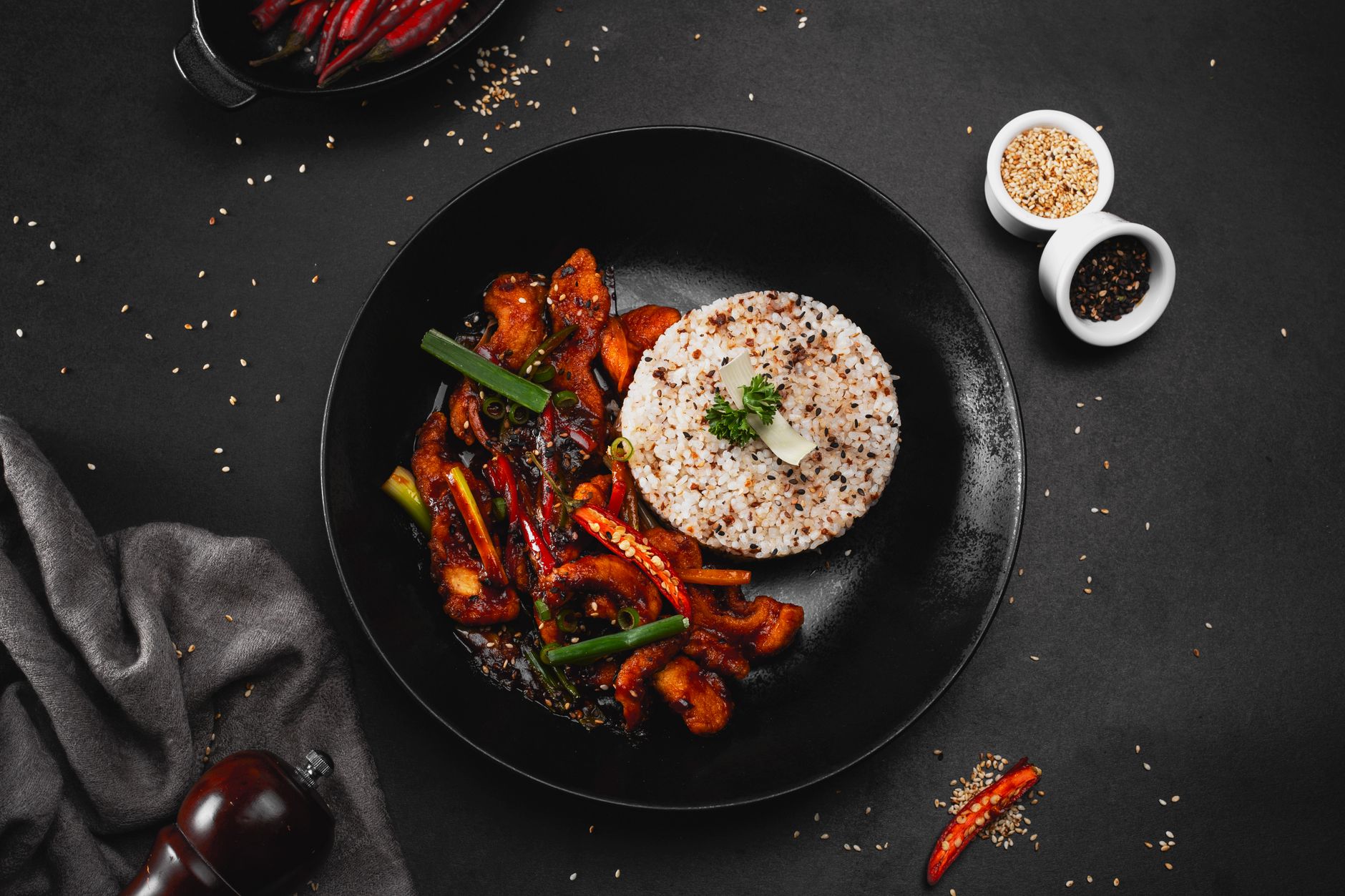
?f?? Photo by Huzaifa Bukhari on Pexels – Free to use under the Pexels License
Why These Recipes Work: The Food Science Behind Quick Cooking
The key to making a 30-minute dinner taste like it took hours lies in understanding a few fundamental principles of food science. First, the Maillard reaction—the chemical process that gives browned food its rich, complex flavor—is your best friend. This reaction occurs when amino acids and reducing sugars are exposed to heat (typically between 284°F/140°C and 356°F/180°C), creating hundreds of new flavor compounds. In quick-cooking dishes like stir-fries or seared proteins, high heat is essential to trigger the Maillard reaction before the food overcooks. That’s why I always preheat my pan or wok until it’s smoking hot before adding oil and ingredients—it’s the difference between a bland, steamed shrimp and one with a caramelized crust.
According to Mayo Clinic, nutrition science and health plays an important role in understanding food preparation and nutrition.
Another critical concept is thermal conductivity. Metals like cast iron and carbon steel retain and distribute heat more efficiently than stainless steel or nonstick pans, making them ideal for quick cooking. When you add cold ingredients to a preheated pan, the temperature drops, which can lead to steaming instead of searing. To combat this, I use the “crowding rule”: never overfill the pan. Cooking in batches ensures that the pan stays hot enough to sear, not steam. For example, in a shrimp stir-fry, I cook the shrimp in a single layer, giving each piece direct contact with the pan. Once they’re golden and opaque, I remove them and set them aside before cooking the vegetables—this prevents overcooking and keeps the shrimp tender.
Finally, emulsification plays a starring role in sauces for quick meals. An emulsion is a mixture of two liquids that don’t naturally combine, like oil and water. In dishes like a lemon-garlic pan sauce or a creamy pasta, whisking cold butter or oil into warm liquids creates a stable, velvety sauce. The key is to add the fat slowly while whisking constantly—this breaks the fat into tiny droplets that disperse evenly throughout the liquid. If you dump the fat in all at once, the sauce will break, leaving you with a greasy, separated mess. One trick I swear by: keep a small bowl of ice water nearby. If your sauce starts to break, dip the bottom of the bowl in the ice water for a few seconds to cool it down, then whisk vigorously. The temperature drop helps the emulsion re-form.
Complete Ingredient Breakdown: Garlic-Sesame Shrimp Stir-Fry
Let’s dive into one of my favorite 30-minute dinners: a Garlic-Sesame Shrimp Stir-Fry. This dish is a masterclass in balancing flavors and textures, and every ingredient plays a specific role. Below, I’ll break down the components, explain their purpose, and offer substitutions where applicable.
According to USDA FoodData Central, nutritional data and food composition plays an important role in understanding food preparation and nutrition.
The Protein: Shrimp
Why it’s used: Shrimp cooks in just 2–3 minutes, making it ideal for quick meals. It’s also packed with protein (24g per 3-ounce serving) and selenium, a mineral that supports immune function. The natural sweetness of shrimp pairs beautifully with bold flavors like garlic and soy sauce.
How to choose: Opt for wild-caught shrimp when possible—they have a cleaner, sweeter flavor than farmed. Look for “peeled and deveined” shrimp to save time, but leave the tails on for presentation. If using frozen shrimp, thaw them in cold water for 10–15 minutes before cooking to prevent them from releasing too much moisture.
Substitutions:
- Chicken: Use boneless, skinless chicken thighs (cut into 1-inch pieces) for juicier results than breast. Cook until the internal temperature reaches 165°F (74°C).
- Tofu: Press extra-firm tofu for 15 minutes to remove excess water, then cut into cubes. Toss in 1 tablespoon cornstarch before cooking to achieve a crispy exterior.
- Scallops: Pat dry thoroughly to ensure a good sear. Cook for 1–2 minutes per side until golden.
- Broccoli: Cut into small florets and blanch in boiling water for 1 minute before stir-frying to soften slightly.
- Zucchini: Spiralize or julienne for a low-carb option. Cook for just 1–2 minutes to retain crispness.
- Mushrooms: Shiitake or cremini add an umami depth. Slice thinly and cook until golden.
- Prep the Shrimp:
Pat the shrimp dry with a paper towel—this is crucial for achieving a good sear. In a medium bowl, toss the shrimp with 1 tablespoon soy sauce and 1 teaspoon cornstarch. The cornstarch creates a light coating that helps the shrimp brown and locks in moisture. Let the shrimp marinate for 10 minutes while you prep the other ingredients. This step can be done ahead of time and refrigerated for up to 2 hours.
- Make the Sauce:
In a small bowl, whisk together the remaining 2 tablespoons soy sauce, 1 tablespoon sesame oil, 1 tablespoon rice vinegar, 1 teaspoon honey, 1 teaspoon cornstarch, and 1 tablespoon water. Set aside. The cornstarch will thicken the sauce as it cooks, creating a glossy finish. If you prefer a thinner sauce, reduce the cornstarch to ½ teaspoon.
- Preheat the Wok or Pan:
Heat a large wok or skillet over high heat until it’s smoking hot—this should take about 2–3 minutes. Add 1 tablespoon neutral oil (like avocado or grapeseed) and swirl to coat the pan. The oil should shimmer but not smoke excessively. If it starts to smoke, reduce the heat slightly. High heat is essential for stir-frying—it ensures the ingredients cook quickly and develop a slight char without steaming.
- Cook the Shrimp:
Add the shrimp to the pan in a single layer, leaving space between each piece. Cook for 1–2 minutes per side, until golden and opaque. Avoid overcrowding the pan, as this will lower the temperature and cause the shrimp to steam instead of sear. Once cooked, transfer the shrimp to a plate and set aside. Don’t worry if they’re not fully cooked through—they’ll finish cooking when you add them back to the pan later.
- Stir-Fry the Vegetables:
Add another 1 tablespoon of oil to the pan, then add the bell peppers, snap peas, and carrots. Stir-fry for 2–3 minutes, until the vegetables are crisp-tender and slightly charred in spots. The goal is to retain some crunch—overcooking will make them mushy. Add the minced garlic and ginger, and cook for 30 seconds until fragrant. Be careful not to burn the garlic, as it will turn bitter.
- Combine and Finish:
Return the shrimp to the pan and pour the sauce over the top. Toss everything together for 1–2 minutes, until the sauce thickens and coats the shrimp and vegetables evenly. The sauce should cling to the ingredients, not pool at the bottom of the pan. If it’s too thick, add 1–2 tablespoons of water to thin it out. Taste and adjust the seasoning—add a pinch of salt if needed, or a splash of rice vinegar for more acidity.
- Garnish and Serve:
Transfer the stir-fry to a serving platter and sprinkle with sesame seeds, red pepper flakes (if using), and sliced green onions. Serve immediately with steamed rice or noodles. The dish is best enjoyed fresh, as the vegetables will continue to soften as they sit. For more delicious ideas, explore our drinks and beverages collection.
- Temperature Control:
The most common mistake in stir-frying is not using high enough heat. A wok or skillet needs to be ripping hot before you add the oil. If your pan isn’t hot enough, the ingredients will steam instead of sear, leading to a soggy, flavorless dish. To test the heat, flick a drop of water onto the pan—if it sizzles and evaporates immediately, you’re ready to cook. If you’re using an electric stove, preheat the pan for an extra 2–3 minutes to compensate for the slower heat transfer.
- Ingredient Quality:
Freshness matters, especially with seafood. Shrimp should smell like the ocean, not fishy or ammonia-like. If you’re using frozen shrimp, thaw them in the refrigerator overnight or under cold running water for 10–15 minutes. Never thaw shrimp at room temperature, as this can promote bacterial growth. For vegetables, choose firm, vibrant produce—limp or wilted vegetables will release more water, making your stir-fry soggy.
- Timing and Patience:
Stir-frying is a fast process, but rushing can ruin the dish. Take your time with each step, especially when cooking the shrimp. Resist the urge to flip them too soon—let them develop a golden crust before turning. Similarly, don’t add the sauce until the shrimp and vegetables are nearly done. Adding it too early will dilute the flavors and prevent the sauce from thickening properly.
- Seasoning Balance:
The key to a well-balanced stir-fry is layering flavors. Start with salt (from the soy sauce), then add sweetness (honey), acidity (rice vinegar), and umami (garlic and ginger). Taste as you go and adjust accordingly. If the dish tastes flat, add a pinch of salt or a splash of vinegar. If it’s too salty, balance it with a little honey or a squeeze of lime. Remember, you can always add more seasoning, but you can’t take it away.
- Knife Skills:
Uniformly cut vegetables cook at the same rate, ensuring even texture and doneness. For stir-fries, aim for thin, even slices—about ¼-inch thick. This not only looks more appealing but also ensures that every bite has a mix of flavors and textures. If you’re new to knife skills, practice on softer vegetables like zucchini or bell peppers before moving on to harder ones like carrots.
- Gluten-Free: Swap soy sauce for tamari or coconut aminos to make this dish gluten-free. Both options provide the same umami flavor without the gluten.
- Lower-Sodium: Use low-sodium soy sauce and reduce the amount to 2 tablespoons. Add a splash of rice vinegar or a pinch of salt to compensate for the reduced saltiness.
- Dairy-Free: This dish is naturally dairy-free, making it suitable for those with lactose intolerance or dairy allergies.
- Low-Carb: Serve the stir-fry over cauliflower rice instead of traditional rice to reduce the carbohydrate content. Cauliflower rice is also a great source of vitamin C and fiber.
- Replace the soy sauce with 2 tablespoons fish sauce (or soy sauce for a vegetarian option).
- Add 1 tablespoon red curry paste and ½ cup coconut milk to the sauce.
- Swap the bell peppers for 1 cup of bamboo shoots and 1 red chili (sliced).
- Garnish with fresh cilantro and lime wedges.
- Replace the soy sauce with 2 tablespoons gochujang (Korean chili paste) and 1 tablespoon soy sauce.
- Add 1 tablespoon gochugaru (Korean chili flakes) to the sauce for extra heat.
- Swap the snap peas for 1 cup of napa cabbage (thinly sliced).
- Garnish with toasted seaweed (nori) and sliced scallions.
- Replace the shrimp with 1 block (14 oz) of extra-firm tofu, pressed and cubed.
- Add 1 tablespoon nutritional yeast to the sauce for a cheesy, umami flavor.
- Swap the honey for 1 teaspoon maple syrup or agave.
- Add 1 cup of broccoli florets and 1 cup of sliced mushrooms for extra texture.
- Replace the soy sauce with 2 tablespoons lemon juice and 1 tablespoon olive oil.
- Add 1 teaspoon dried oregano and ½ teaspoon smoked paprika to the sauce.
- Swap the snap peas for 1 cup of cherry tomatoes (halved) and ½ cup of kalamata olives.
- Garnish with crumbled feta cheese and fresh parsley.
- Replace the rice with 1 cup of cooked quinoa (per serving).
- Add 1 cup of baby spinach to the stir-fry at the end for extra greens.
- Swap the honey for 1 teaspoon coconut sugar for a lower glycemic index.
- Store in airtight containers for up to 4 days. Reheat in the microwave or on the stovetop with a splash of water.
- Stovetop Method: Heat a skillet over medium heat and add 1 tablespoon of oil or water. Add the stir-fry and cook for 2–3 minutes, stirring occasionally, until heated through. The water or oil helps rehydrate the sauce and prevents sticking.
- Microwave Method: Transfer the stir-fry to a microwave-safe bowl and cover it with a damp paper towel. Microwave on high for 1–2 minutes, stirring halfway through. The damp paper towel creates steam, which helps revive the texture of the vegetables.
- Oven Method: Preheat the oven to 350°F (175°C). Spread the stir-fry on a baking sheet and cover it with foil. Bake for 10–15 minutes, until heated through. This method is best for larger batches.
The Vegetables
Bell peppers (1 red, 1 yellow): These add crunch, color, and a subtle sweetness. They’re rich in vitamin C (152% DV per cup) and antioxidants like beta-carotene. Cut them into thin strips to ensure they cook quickly.
Snap peas (1 cup): Their crisp texture and mild sweetness balance the dish. Snap peas are high in fiber (2g per cup) and vitamin K, which supports bone health. Trim the ends and remove the strings if necessary.
Carrots (1 medium): Julienne or thinly slice them to match the cooking time of the other vegetables. Carrots add a touch of earthiness and are packed with beta-carotene (428% DV per cup), which the body converts to vitamin A.
Substitutions:
The Aromatics
Garlic (4 cloves): The backbone of this dish. Garlic contains allicin, a compound with anti-inflammatory and immune-boosting properties. Mincing it releases more allicin than slicing or crushing, but be careful not to burn it—garlic turns bitter when overcooked.
Ginger (1-inch piece): Fresh ginger adds a bright, peppery note and aids digestion. It also contains gingerol, a bioactive compound with anti-nausea effects. Peel and mince it finely to distribute its flavor evenly.
Green onions (3 stalks): These add a fresh, oniony bite. Use both the white and green parts—the whites are milder and cook quickly, while the greens are best added at the end for color and crunch.
The Sauce
Soy sauce (3 tablespoons): Provides saltiness and umami. Opt for low-sodium soy sauce to control the salt content. Tamari is a gluten-free alternative with a richer flavor.
Sesame oil (1 tablespoon): A little goes a long way. Sesame oil is rich in polyunsaturated fats and adds a nutty aroma. Use toasted sesame oil for the best flavor, but add it at the end of cooking to preserve its delicate compounds.
Rice vinegar (1 tablespoon): Balances the richness of the dish with a touch of acidity. It’s lower in acidity than other vinegars, so it won’t overpower the other flavors.
Honey (1 teaspoon): Adds a touch of sweetness to round out the flavors. Honey also helps caramelize the sauce, creating a glossy finish. Maple syrup or agave can be used for a vegan option.
Cornstarch (1 teaspoon): Thickens the sauce slightly, giving it a silky texture. Mix it with 1 tablespoon of cold water before adding it to the pan to prevent clumping.
The Garnish
Sesame seeds (1 teaspoon): Toasted sesame seeds add a nutty crunch and visual appeal. They’re also a good source of calcium and healthy fats.
Red pepper flakes (½ teaspoon, optional): Adds a subtle heat. Adjust to taste—start with ¼ teaspoon and add more if desired.
Step-by-Step Instructions: Garlic-Sesame Shrimp Stir-Fry
Before you start cooking, take a moment to mise en place—a French term that means “everything in its place.” Chop all your vegetables, measure your sauce ingredients, and have your garnishes ready. This dish comes together quickly, so you won’t have time to prep as you go. Here’s how to do it:
Expert Tips from Years of Kitchen Experience
Over the years, I’ve learned that the difference between a good stir-fry and an outstanding one often comes down to a few small but critical details. Here are my top tips for nailing this dish every time:
Nutritional Benefits and Health Insights
This Garlic-Sesame Shrimp Stir-Fry isn’t just quick and delicious—it’s also packed with nutrients that support overall health. A single serving (about 1.5 cups) provides approximately 280 calories, 25g of protein, 12g of healthy fats, and 20g of carbohydrates, along with a host of vitamins and minerals. Here’s a breakdown of the key nutritional benefits:
Protein-Packed Shrimp: Shrimp is one of the leanest protein sources available, with just 1.5g of fat per 3-ounce serving. It’s also rich in selenium (48% DV), a mineral that acts as a powerful antioxidant and supports thyroid function. Selenium works synergistically with vitamin E to protect cells from oxidative damage, which may reduce the risk of chronic diseases like heart disease and cancer.
Vitamin-Rich Vegetables: The bell peppers, snap peas, and carrots in this dish provide a rainbow of nutrients. Bell peppers are loaded with vitamin C (152% DV per cup), which supports immune function and collagen production. Snap peas offer vitamin K (25% DV per cup), essential for blood clotting and bone health, while carrots are a top source of beta-carotene (428% DV per cup), which the body converts to vitamin A for eye health and immune support.
Heart-Healthy Fats: Sesame oil and sesame seeds are rich in polyunsaturated fats, including omega-6 fatty acids. While omega-6s often get a bad rap, they’re essential for brain function and cell growth. The key is balance—pairing them with omega-3s (found in fatty fish, flaxseeds, or walnuts) helps maintain a healthy ratio. Sesame seeds also contain lignans, plant compounds that may help lower cholesterol and reduce inflammation.
Dietary Considerations:
For more delicious ideas, explore our quick and easy recipes collection.
Creative Variations and Dietary Adaptations
One of the best things about stir-fries is their versatility. With a few simple swaps, you can transform this dish to suit different tastes, dietary needs, or cultural influences. Here are five of my favorite variations:
1. Thai-Inspired Coconut Curry Shrimp Stir-Fry
Ingredients to Swap:
Why It Works: The coconut milk adds a creamy richness, while the curry paste provides depth and heat. Fish sauce enhances the umami flavor, and the lime brightens the dish. This variation is inspired by Thai pad prik king, a stir-fry with a spicy, aromatic sauce.
2. Spicy Korean Gochujang Shrimp Stir-Fry
Ingredients to Swap:
Why It Works: Gochujang is a fermented chili paste with a sweet, spicy, and umami-rich flavor. It caramelizes beautifully in the pan, creating a sticky, glossy sauce. This variation is inspired by Korean bokkeum, a category of stir-fried dishes with bold, complex flavors.
3. Vegan Tofu and Vegetable Stir-Fry
Ingredients to Swap:
Why It Works: Pressing the tofu removes excess water, allowing it to crisp up in the pan. Tossing the tofu in cornstarch before cooking creates a golden crust, similar to the shrimp. Nutritional yeast adds a savory depth that mimics the umami of seafood.
4. Mediterranean Lemon-Garlic Shrimp Stir-Fry
Ingredients to Swap:
Why It Works: The lemon juice brightens the dish, while the oregano and smoked paprika add a Mediterranean flair. Cherry tomatoes burst in the pan, releasing their juices and creating a light, tangy sauce. This variation is inspired by Greek garides saganaki, a shrimp dish with tomatoes and feta.
5. Meal-Prep Friendly Shrimp and Quinoa Stir-Fry
Ingredients to Swap:
Why It Works: Quinoa is a complete protein, meaning it contains all nine essential amino acids. It also has a low glycemic index, making it a great option for blood sugar control. Adding spinach at the end ensures it stays vibrant and doesn’t wilt too much. This variation is perfect for meal prep—just reheat and enjoy!
Frequently Asked Questions
Why did my shrimp turn rubbery?
Rubbery shrimp is usually a result of overcooking. Shrimp cook in just 2–3 minutes—once they turn opaque and curl into a C-shape, they’re done. If they curl into an O-shape, they’re overcooked. To prevent this, remove the shrimp from the pan as soon as they’re opaque, even if they’re not fully curled. They’ll continue to cook slightly from residual heat. Another tip: don’t overcrowd the pan. Cooking shrimp in batches ensures they sear, not steam, which helps retain their tender texture.
Can I make this dish ahead of time?
While stir-fries are best enjoyed fresh, you can prep some components ahead of time. Marinate the shrimp and chop the vegetables up to 24 hours in advance—store them separately in airtight containers in the refrigerator. The sauce can also be made ahead and refrigerated for up to 3 days. When you’re ready to cook, stir-fry the vegetables first, then set them aside while you cook the shrimp. Combine everything with the sauce just before serving to prevent the vegetables from becoming soggy. If you’re meal prepping, store the cooked stir-fry in airtight containers for up to 4 days. Reheat in a skillet over medium heat with a splash of water to revive the texture.
How can I make this dish gluten-free?
To make this dish gluten-free, swap the soy sauce for tamari or coconut aminos. Both options are gluten-free and provide a similar umami flavor. If you’re using cornstarch to thicken the sauce, ensure it’s labeled gluten-free, as some brands may be cross-contaminated. For the shrimp marinade, use gluten-free soy sauce or tamari. The rest of the ingredients—shrimp, vegetables, and aromatics—are naturally gluten-free. Serve the stir-fry over rice or quinoa, and double-check that any additional sauces or garnishes (like hoisin or oyster sauce) are gluten-free.
What’s the best way to reheat leftovers?
The key to reheating stir-fry is to restore its texture without overcooking the shrimp or making the vegetables mushy. Here’s how I do it:
Avoid reheating shrimp more than once, as it can become tough and dry. If you’re meal prepping, consider cooking the shrimp separately and adding it to the stir-fry just before serving.
Can I use frozen vegetables in this recipe?
Yes, you can use frozen vegetables, but there are a few things to keep in mind. Frozen vegetables release more water when cooked, which can make your stir-fry soggy. To prevent this, thaw the vegetables in the refrigerator overnight or under cold running water, then pat them dry with a paper towel before cooking. Alternatively, cook the frozen vegetables in a dry pan over medium heat for 2–3 minutes to evaporate excess moisture before adding oil and the other ingredients. Avoid overcrowding the pan, as this will cause the vegetables to steam instead of sear. Some frozen vegetables, like bell peppers and snap peas, work better than others—avoid using frozen carrots or broccoli, as they tend to become mushy.
Final Thoughts
There’s something deeply satisfying about pulling a restaurant-quality dinner together in 30 minutes or less. It’s not just about saving time—it’s about the joy of creating something delicious from simple ingredients, the way generations of cooks have done before us. This Garlic-Sesame Shrimp Stir-Fry is one of those meals that feels like a treat, even on a busy weeknight. The crisp-tender vegetables, the golden shrimp, the glossy sauce—it’s a symphony of flavors and textures that never fails to impress.
But here’s the thing: recipes are just starting points. Once you understand the techniques and food science behind them, you can make them your own. Swap the shrimp for chicken, the snap peas for broccoli, the soy sauce for coconut aminos. Add a pinch of chili flakes, a squeeze of lime, or a handful of fresh herbs. Cooking is an art, and the kitchen is your canvas. So don’t be afraid to experiment, to taste as you go, and to trust your instincts.
Next time the clock strikes 6:30 PM and you’re staring into the fridge, remember this: you don’t need hours to make a meal that feels special. You just need a hot pan, a handful of ingredients, and a little bit of know-how. And if it doesn’t turn out perfectly the first time? That’s okay. Even the best chefs burn a few dishes along the way. The important thing is to keep cooking, keep learning, and keep feeding the people you love.
Now, go ahead—turn on the stove, grab your wok, and make something delicious. Your future self (and your family) will thank you.