


?? In This Article
- The Rich History and Cultural Roots of Fast Cooking
- Why This Recipe Works: The Food Science Behind It
- Complete Ingredient Breakdown
- Step-by-Step Instructions
- Expert Tips from Years of Kitchen Experience
- Nutritional Benefits and Health Insights
- Creative Variations and Dietary Adaptations
- Frequently Asked Questions
- Final Thoughts
I still remember the first time I tried to cook dinner after a 12-hour workday. My fridge contained half a lemon, a sad-looking chicken thigh, and a handful of wilted herbs. Desperate, I tossed everything into a pan with olive oil and cranked the heat. What emerged 25 minutes later wasn’t just edible—it was delicious. That night taught me something profound: great dinners don’t require hours of labor. They require understanding how ingredients behave under heat, how flavors layer, and how to work with—not against—your ingredients’ natural tendencies. Today, I’m sharing the recipes and techniques that turn my weeknight dinners from afterthoughts into the meals my family circles the calendar for.
The Rich History and Cultural Roots of Fast Cooking
Quick dinners aren’t a modern invention—they’re a global tradition born of necessity. In ancient Rome, street vendors sold puls, a porridge of spelt and water cooked in minutes over open flames, to laborers who couldn’t afford long midday breaks. Meanwhile, in 19th-century Japan, donburi (rice bowls topped with quick-cooked proteins) became a staple for urban workers who needed filling meals between factory shifts. Even the French, despite their reputation for slow-cooked sauces, perfected omelettes and sautéed dishes as efficient ways to feed families with limited fuel.
The Industrial Revolution accelerated the need for fast meals. As workdays lengthened and kitchens shrank in urban apartments, home cooks developed ingenious techniques to stretch ingredients. In Italy, pasta aglio e olio (garlic and oil pasta) emerged as a peasant dish that could be made in under 15 minutes with just pantry staples. Similarly, in China, stir-frying—a technique that cooks food in mere minutes over high heat—became the backbone of home cooking, preserving both nutrients and fuel.
Today’s 30-minute meals build on these traditions but benefit from modern tools like nonstick pans, immersion blenders, and high-heat burners. The key difference? We now understand the why behind these techniques. For example, stir-frying’s rapid cooking isn’t just about speed—it’s about preserving the cellular structure of vegetables, locking in water-soluble vitamins like vitamin C and B vitamins that would leach out during longer cooking. This marriage of tradition and science is what makes quick dinners both efficient and extraordinary.

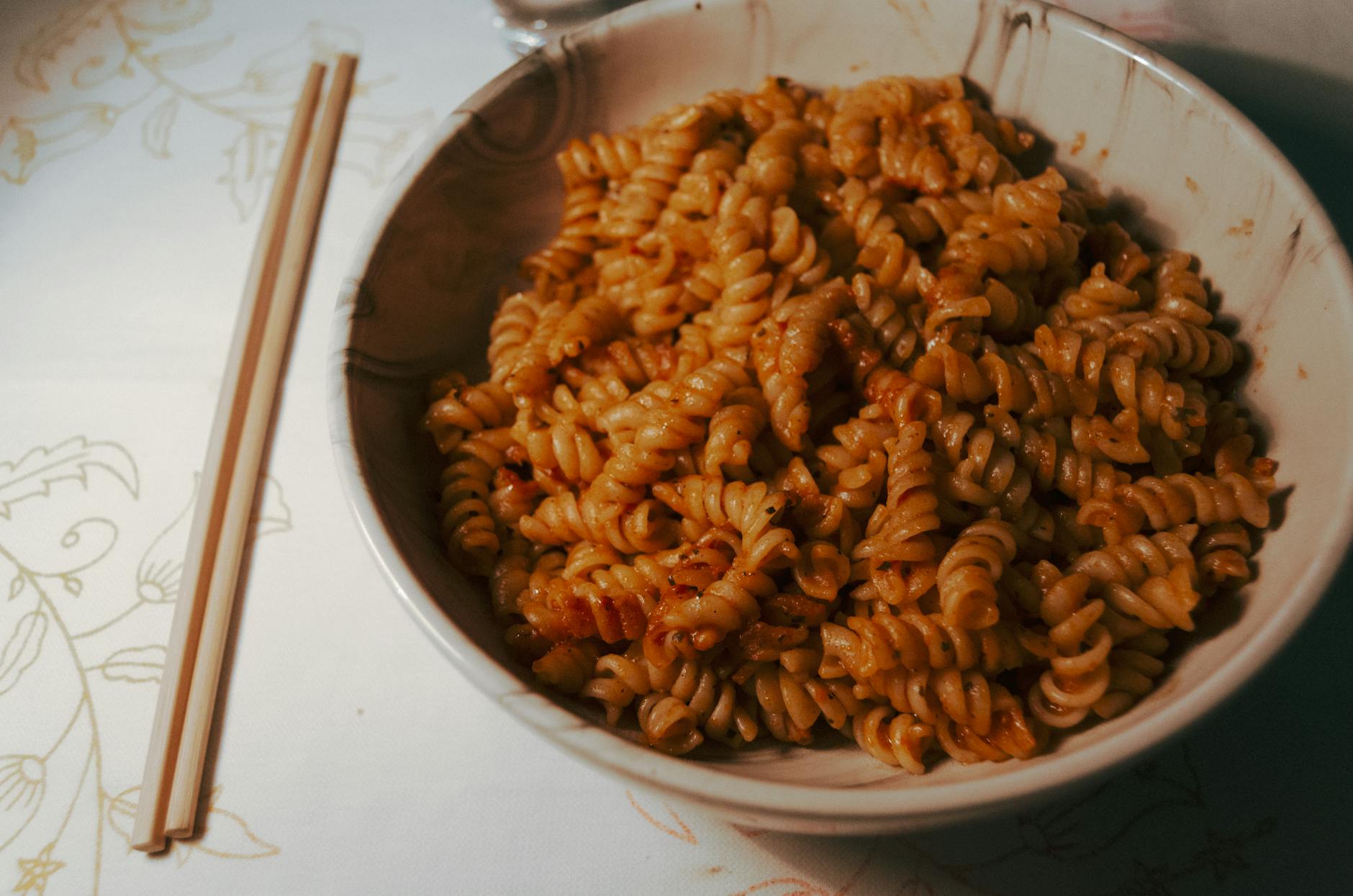
?f?? Photo by Tim Douglas on Pexels – Free to use under the Pexels License
Why This Recipe Works: The Food Science Behind It
The secret to fast, flavorful dinners lies in three core principles: the Maillard reaction, thermal conductivity, and flavor layering. Let’s start with the Maillard reaction—the chemical process that creates the deep brown crust on seared meat and the golden edges of roasted vegetables. This reaction occurs between amino acids and reducing sugars at temperatures above 284°F (140°C), producing hundreds of new flavor compounds. In our recipe, we’ll sear chicken thighs at 375°F (190°C) for just 4 minutes per side to maximize this reaction without overcooking the meat.
According to Mayo Clinic, nutrition science and health plays an important role in understanding food preparation and nutrition.
Thermal conductivity explains why certain pans and techniques work better for quick cooking. Cast iron, for instance, retains heat exceptionally well, making it ideal for searing proteins. When you add cold chicken to a preheated cast-iron skillet, the pan’s stored heat immediately starts the Maillard reaction instead of dropping in temperature. In contrast, thin stainless steel pans would lose heat rapidly, leading to steamed rather than seared meat. We’ll use this principle to our advantage by preheating our pan for 5 minutes before adding any ingredients.
Finally, flavor layering is the art of building complexity in minutes. This involves adding ingredients in stages based on their volatility. Aromatics like garlic and onions release their flavors quickly, so we’ll cook them first to extract their oils. Herbs like rosemary and thyme, which contain less volatile compounds, can withstand longer cooking times. By adding them midway through, we ensure their flavors infuse the dish without burning. This strategic timing is what transforms simple ingredients into a symphony of taste.
Complete Ingredient Breakdown
Every ingredient in this recipe serves a specific purpose, contributing to texture, flavor, or nutritional balance. Let’s break them down by category:
According to USDA FoodData Central, nutritional data and food composition plays an important role in understanding food preparation and nutrition.
Proteins
- Chicken thighs (4, bone-in, skin-on, ~6 oz/170g each): Thighs are ideal for quick cooking because their higher fat content keeps them moist during rapid, high-heat cooking. The skin crisps beautifully when seared, adding texture contrast. For a leaner option, boneless, skinless thighs work but require 1-2 minutes less cooking time. Substitution: Pork chops or firm white fish like cod can replace chicken, but adjust cooking times (pork: 5-6 minutes per side; fish: 3-4 minutes total).
- Chorizo (2 oz/56g, Spanish-style, diced): This cured sausage adds depth with its smoky paprika and garlic notes. The fat renders quickly, creating a flavorful base for other ingredients. Substitution: Smoked paprika (1 tsp) plus 1 tbsp olive oil can mimic the flavor, though the texture will differ. For a vegetarian option, use smoked tofu cubes.
- Yellow onion (1 medium, ~8 oz/225g, thinly sliced): Onions provide a sweet, caramelized base when cooked slowly over medium heat. Their sulfur compounds break down into sweeter, more complex flavors. Substitution: Shallots offer a milder, more elegant flavor but cook faster (reduce time by 2 minutes).
- Garlic (4 cloves, minced): Garlic’s alliinase enzyme activates when crushed, creating allicin—a compound with anti-inflammatory benefits and a pungent aroma. Cooking mellows its bite while preserving its health benefits. Substitution: Garlic powder (1 tsp) works in a pinch but lacks the same depth.
- Cherry tomatoes (1 pint/300g, halved): These burst during cooking, releasing their juices to create a quick pan sauce. Their high acidity balances the richness of the chicken. Substitution: Sun-dried tomatoes add intensity but require soaking to soften.
- Baby spinach (4 cups/120g, loosely packed): Spinach wilts in seconds, adding iron, vitamin K, and a vibrant green color. Its mild flavor absorbs pan juices beautifully. Substitution: Kale or Swiss chard work but require 1-2 minutes longer to soften.
- Lemon (1, zest and juice): The zest contains aromatic oils that brighten the dish, while the juice’s acidity cuts through fat and enhances other flavors. Substitution: Lime or orange zest/juice for a different citrus note.
- Fresh rosemary (1 sprig, leaves stripped): Rosemary’s piney aroma complements chicken, and its woody texture holds up to high heat. Substitution: Thyme or oregano (1 tsp dried) for a different herbal profile.
- Olive oil (3 tbsp, extra-virgin): The oil’s low smoke point (375°F/190°C) makes it ideal for medium-high heat. Its polyphenols add anti-inflammatory benefits. Substitution: Avocado oil for higher heat (smoke point 520°F/270°C).
- Salt (1 tsp kosher, plus more to taste): Salt enhances natural flavors and helps break down proteins for tender meat. Kosher salt’s larger grains distribute more evenly than table salt. Substitution: Sea salt or Himalayan pink salt, but reduce by 25% (they’re saltier by volume).
- Black pepper (1/2 tsp, freshly ground): Piperine, the compound that gives pepper its heat, is most potent when freshly ground. It also enhances the absorption of curcumin (found in turmeric, if added).
- Sear the Chicken:
Pat the chicken thighs dry with paper towels—this ensures a crispy skin. Season both sides generously with 1/2 tsp salt and 1/4 tsp pepper. Heat a 12-inch cast-iron or stainless-steel skillet over medium-high heat for 5 minutes. Add 1 tbsp olive oil and swirl to coat. Place the chicken skin-side down in the pan (don’t crowd it—work in batches if needed). Sear for 4 minutes until the skin is golden brown and releases easily from the pan. Flip and sear the other side for 3 minutes. Transfer to a plate.
Science note: The initial sear creates a flavorful crust through the Maillard reaction. Resist the urge to move the chicken—let it develop a fond (browned bits) on the pan, which we’ll use for the sauce.
- Build the Flavor Base:
Reduce the heat to medium. Add the remaining 2 tbsp olive oil to the pan, then add the diced chorizo. Cook for 2 minutes, stirring occasionally, until the fat renders and the chorizo crisps slightly. Add the sliced onions and cook for 4 minutes, stirring occasionally, until softened and lightly browned. Add the minced garlic and rosemary, cooking for 30 seconds until fragrant (don’t let the garlic burn).
Science note: The chorizo’s fat carries fat-soluble flavors (like paprika) into the onions, while the onions’ water content helps deglaze the pan, lifting the fond for maximum flavor.
- Deglaze and Simmer:
Pour in 1/4 cup water or chicken stock, scraping the bottom of the pan with a wooden spoon to dissolve the browned bits. Add the cherry tomatoes and cook for 2 minutes, stirring occasionally, until they start to burst. Stir in the lemon zest and remaining 1/2 tsp salt.
Science note: Deglazing with liquid captures the water-soluble flavor compounds left behind from searing. The tomatoes’ acidity helps tenderize the chicken when we return it to the pan.
- Finish the Chicken:
Return the chicken to the pan, skin-side up, along with any accumulated juices. Spoon the tomato-onion mixture over the chicken. Transfer the pan to the oven (if using) and roast for 8-10 minutes, or until the chicken reaches 165°F (74°C) internally. If not using an oven, cover the pan and cook on the stovetop over low heat for 10-12 minutes.
Doneness check: The chicken is done when the juices run clear and a thermometer inserted into the thickest part (avoiding bone) reads 165°F (74°C). The skin should be crispy, not rubbery.
- Add the Greens:
Remove the pan from the oven (or stovetop). Using tongs, transfer the chicken to a serving platter. Add the baby spinach to the pan, stirring until just wilted (about 30 seconds). Squeeze in the lemon juice and stir to combine.
Science note: The residual heat from the pan gently wilt the spinach, preserving its bright color and nutrients. Overcooking would turn it mushy and dull.
- Plate and Serve:
Spoon the tomato-spinach mixture over the chicken. Garnish with extra rosemary leaves and a lemon wedge. Serve immediately with crusty bread or over couscous to soak up the pan juices.
Pro tip: Let the chicken rest for 2 minutes before serving—this allows the juices to redistribute, keeping the meat moist. For more delicious ideas, explore our healthy dinner recipes collection.
- Temperature Control:
High heat is your friend for searing, but medium heat is crucial for building flavor. When I first made this recipe, I cranked the heat to high for the entire process, thinking it would save time. The result? Burnt garlic, tough chicken, and a pan sauce that tasted bitter. Now, I use high heat only for searing, then reduce it to medium to gently cook the aromatics. Science reason: Garlic and onions contain sugars that caramelize at 230°F (110°C) but burn at 300°F (150°C). Medium heat strikes the perfect balance.
- Ingredient Quality:
Not all chicken thighs are created equal. I once used factory-farmed thighs from a discount store, and the meat turned out dry and bland. Now, I splurge on organic, pasture-raised thighs—they have more fat marbling, which keeps them juicy during quick cooking. Similarly, using fresh (not pre-minced) garlic makes a world of difference. Pre-minced garlic is often treated with preservatives that dull its flavor. Pro tip: Buy whole garlic bulbs and mince it yourself—it takes 30 seconds and transforms the dish.
- Timing and Patience:
Rushing the searing step is a common mistake. I used to flip the chicken after just 2 minutes, thinking it was enough. But the skin needs those full 4 minutes to render its fat and develop a crispy crust. Similarly, adding the spinach too early (before the chicken is done) turns it into a sad, overcooked mush. Visual cue: The chicken is ready to flip when the skin releases easily from the pan and is golden brown. If it sticks, give it another minute.
- Seasoning Balance:
Salt isn’t just for flavor—it’s a tool for building layers. I now salt the chicken 15 minutes before cooking (a technique called dry brining). This gives the salt time to penetrate the meat, seasoning it from within and helping it retain moisture. Science reason: Salt dissolves muscle proteins, creating a gel that traps water during cooking. For this recipe, I use 1/2 tsp salt on the chicken before searing and add the rest to the pan sauce to avoid over-salting.
Aromatics and Vegetables
Seasonings and Finishing Touches
Step-by-Step Instructions
Before you start, practice mise en place—measure and prep all ingredients. This recipe moves quickly, and you won’t have time to chop mid-cooking. Heat your oven to 400°F (200°C) if using (we’ll finish the chicken there for even cooking). Have a timer ready—precision is key in fast cooking.
Expert Tips from Years of Kitchen Experience
After cooking this dish hundreds of times, I’ve learned that the difference between a good version and an outstanding one often comes down to small details. Here’s what I wish I’d known when I started:
Nutritional Benefits and Health Insights
This dish isn’t just fast—it’s a nutritional powerhouse. A single serving (one chicken thigh plus 1/4 of the pan sauce) provides approximately 420 calories, 38g protein, 22g fat (mostly heart-healthy monounsaturated fats from olive oil), and 12g carbohydrates. Here’s a deeper dive into its health benefits:
The chicken thighs are rich in B vitamins, particularly B12 and niacin, which support energy metabolism and nerve function. They’re also an excellent source of selenium, a mineral that acts as a powerful antioxidant, protecting cells from damage. The skin-on thighs provide collagen, which supports joint health and skin elasticity. While the skin adds fat, it also keeps the meat moist, making it more satisfying and reducing the need for added oils.
The olive oil contributes polyphenols, compounds with anti-inflammatory properties linked to reduced risk of chronic diseases like heart disease and diabetes. The cherry tomatoes are packed with lycopene, a carotenoid that gives them their red color and has been shown to reduce the risk of certain cancers. Cooking the tomatoes actually increases lycopene’s bioavailability, making it easier for your body to absorb. The spinach adds vitamin K (essential for blood clotting and bone health), iron (which helps transport oxygen in the blood), and lutein (a carotenoid that supports eye health).
For dietary adaptations, this recipe is naturally gluten-free and can be made dairy-free by omitting the chorizo (or using a dairy-free substitute). To reduce sodium, use low-sodium chicken stock and skip the added salt (the chorizo already contains salt). For a lower-fat version, remove the chicken skin after searing—though this will reduce crispiness and some flavor. For more delicious ideas, explore our vegetarian meal ideas collection.
Creative Variations and Dietary Adaptations
One of the joys of this recipe is its versatility. Here are five ways to adapt it to different tastes and dietary needs:
1. Mediterranean Twist
Swap the chorizo for 1/4 cup (30g) crumbled feta cheese and add 1/2 cup (75g) pitted Kalamata olives. Replace the rosemary with 1 tsp dried oregano and add 1 tsp grated lemon zest to the pan sauce. Serve with warm pita bread. Nutritional boost: Olives add heart-healthy monounsaturated fats and antioxidants like oleuropein.
2. Spicy Thai-Inspired
Replace the chorizo with 1 tbsp Thai red curry paste and add 1/2 cup (120ml) coconut milk to the pan sauce. Swap the rosemary for 1 tbsp fresh cilantro and 1 tsp grated ginger. Garnish with sliced red chili and lime wedges. Nutritional boost: Coconut milk provides medium-chain triglycerides (MCTs), a type of fat that may support brain health.
3. Vegetarian Mushroom & White Bean
Omit the chicken and chorizo. Sauté 8 oz (225g) sliced cremini mushrooms with 1 tsp smoked paprika until golden. Add 1 can (15 oz/425g) white beans (drained and rinsed) to the pan with the tomatoes. Finish with 1/4 cup (15g) chopped parsley. Nutritional boost: Mushrooms provide vitamin D and immune-supporting beta-glucans, while white beans add fiber and plant-based protein.
4. Meal-Prep Friendly
Double the recipe and divide it into meal-prep containers. Store the chicken and sauce separately to maintain texture. Reheat the chicken in a skillet over medium heat for 3-4 minutes, then add the sauce and spinach. Serve with pre-cooked quinoa or cauliflower rice. Storage tip: The dish keeps for 4 days in the fridge or 3 months in the freezer (without spinach).
5. Low-Carb Cauliflower Rice Bowl
Skip the bread or couscous. Pulse 2 cups (200g) cauliflower florets in a food processor until rice-like. Sauté the cauliflower rice in 1 tbsp olive oil for 3-4 minutes until tender. Top with the chicken and pan sauce. Nutritional boost: Cauliflower is rich in vitamin C, folate, and fiber, with only 25 calories per cup.
Frequently Asked Questions
Why does my chicken skin turn out rubbery instead of crispy?
Rubbery skin is usually the result of two mistakes: not drying the chicken thoroughly before cooking or moving it too soon. Chicken skin contains water, and when you add it to a hot pan, that water needs to evaporate before the skin can crisp. If you flip the chicken before the water has fully evaporated, the skin steams instead of searing. Solution: Pat the chicken dry with paper towels before seasoning, and resist the urge to move it for the first 4 minutes of cooking. You’ll know it’s ready to flip when it releases easily from the pan.
Can I make this dish ahead of time? How should I reheat it?
Yes! This dish reheats beautifully if you follow a few key steps. First, store the chicken and sauce separately to prevent the skin from losing its crispiness. To reheat, place the chicken on a wire rack set over a baking sheet (this allows air to circulate, keeping the skin crispy). Warm in a 350°F (175°C) oven for 10-12 minutes. Meanwhile, reheat the sauce in a skillet over medium heat for 3-4 minutes, adding a splash of water if it’s too thick. Add the spinach just before serving. Pro tip: If freezing, portion the chicken and sauce into airtight containers. Thaw overnight in the fridge before reheating.
I’m allergic to garlic. What can I use instead?
Garlic’s pungent flavor comes from sulfur compounds, but you can mimic its depth with a few alternatives. For this recipe, try 1 tbsp grated fresh ginger plus 1 tsp fish sauce (or coconut aminos for a vegetarian option). The ginger adds warmth, while the fish sauce provides umami. Another option is 1 tsp asafoetida powder (a spice used in Indian cooking that has a garlicky-onion flavor), but use it sparingly—it’s potent! Science note: Asafoetida contains sulfur compounds similar to garlic, which is why it works as a substitute.
My pan sauce always turns out watery. How can I thicken it?
A watery sauce usually means the tomatoes released too much liquid or the pan wasn’t hot enough to reduce the sauce. Here’s how to fix it: After adding the tomatoes, let them cook for 3-4 minutes until they’ve released their juices and started to break down. Then, increase the heat to high and let the liquid reduce by half (about 2 minutes). If it’s still too thin, mix 1 tsp cornstarch with 1 tbsp cold water and stir it into the sauce. Cook for 1 minute until thickened. Science note: Cornstarch works by absorbing water and forming a gel when heated, which thickens the sauce without altering its flavor.
Final Thoughts
There’s something magical about pulling a vibrant, aromatic dinner out of the oven just 30 minutes after walking in the door. It’s not about cutting corners—it’s about working with your ingredients, not against them. This recipe has become a weekly ritual in my home, not just because it’s fast, but because it’s reliable. Reliable in flavor, reliable in texture, and reliable in bringing my family together around the table.
I encourage you to make this dish your own. Swap the chorizo for smoked paprika if you prefer, or add a handful of capers for a briny punch. The beauty of quick cooking is that it invites experimentation—there’s no time for overthinking, just instinct and joy. And if your first attempt isn’t perfect? That’s part of the process. I’ve burned my fair share of garlic and overcooked more chicken than I’d like to admit. But each mistake taught me something new, and each successful meal reminded me why I fell in love with cooking in the first place.
So preheat that pan, gather your ingredients, and trust the process. In just 30 minutes, you’ll have a dinner that’s not just nourishing, but memorable. And who knows? It might just become your new weeknight staple too.