


?? In This Article
- The Rich History and Cultural Roots of This Dish
- Why This Recipe Works: The Food Science Behind It
- Complete Ingredient Breakdown
- Step-by-Step Instructions
- Expert Tips from Years of Kitchen Experience
- Nutritional Benefits and Health Insights
- Creative Variations and Dietary Adaptations
- Frequently Asked Questions
- Final Thoughts
There’s something magical about the smell of garlic and butter sizzling in the oven—it’s the kind of aroma that pulls everyone into the kitchen before the timer even goes off. I remember the first time I made these Parmesan garlic breadsticks on a whim for a last-minute game night. My friends devoured them in minutes, and I’ve been perfecting the recipe ever since. What started as a quick fix for hungry guests has become a staple in my kitchen, especially on those nights when time is short but cravings are strong. The best part? These breadsticks require no fancy techniques or hard-to-find ingredients, just a little patience and a love for bold, savory flavors.
The Rich History and Cultural Roots of This Dish
Breadsticks, or grissini as they’re known in Italy, have a history as rich and layered as their crispy texture. Originating in the 17th century in the Piedmont region of Italy, they were reportedly created by a baker named Antonio Brunero in the town of Turin. The story goes that Brunero invented them as a way to help the young Duke of Savoy, who struggled with digestion, enjoy bread without discomfort. The thin, dry breadsticks were easier to digest than traditional loaves, and their elongated shape made them perfect for dipping into soups or enjoying as a light snack.
Over time, grissini became a symbol of Italian cuisine, spreading across Europe and eventually making their way to the United States with Italian immigrants. In America, they evolved into the buttery, garlicky, cheese-laden versions we know today, often served as appetizers in Italian-American restaurants. While traditional grissini are simple—just flour, water, and yeast—modern adaptations like these Parmesan garlic breadsticks reflect the fusion of Italian technique with global flavors. The addition of garlic and Parmesan is a nod to the Italian-American love affair with bold, cheesy, and aromatic ingredients.
Interestingly, breadsticks have also played a role in culinary innovation beyond Italy. In the 19th century, they became a popular accompaniment to French onion soup, thanks to their ability to soak up rich broth without falling apart. Today, they’re a versatile snack that can be dressed up or down, from elegant dinner parties to casual movie nights. This recipe takes inspiration from both the rustic simplicity of grissini and the indulgent flavors of American-style garlic bread, creating a hybrid that’s quick, delicious, and endlessly adaptable.
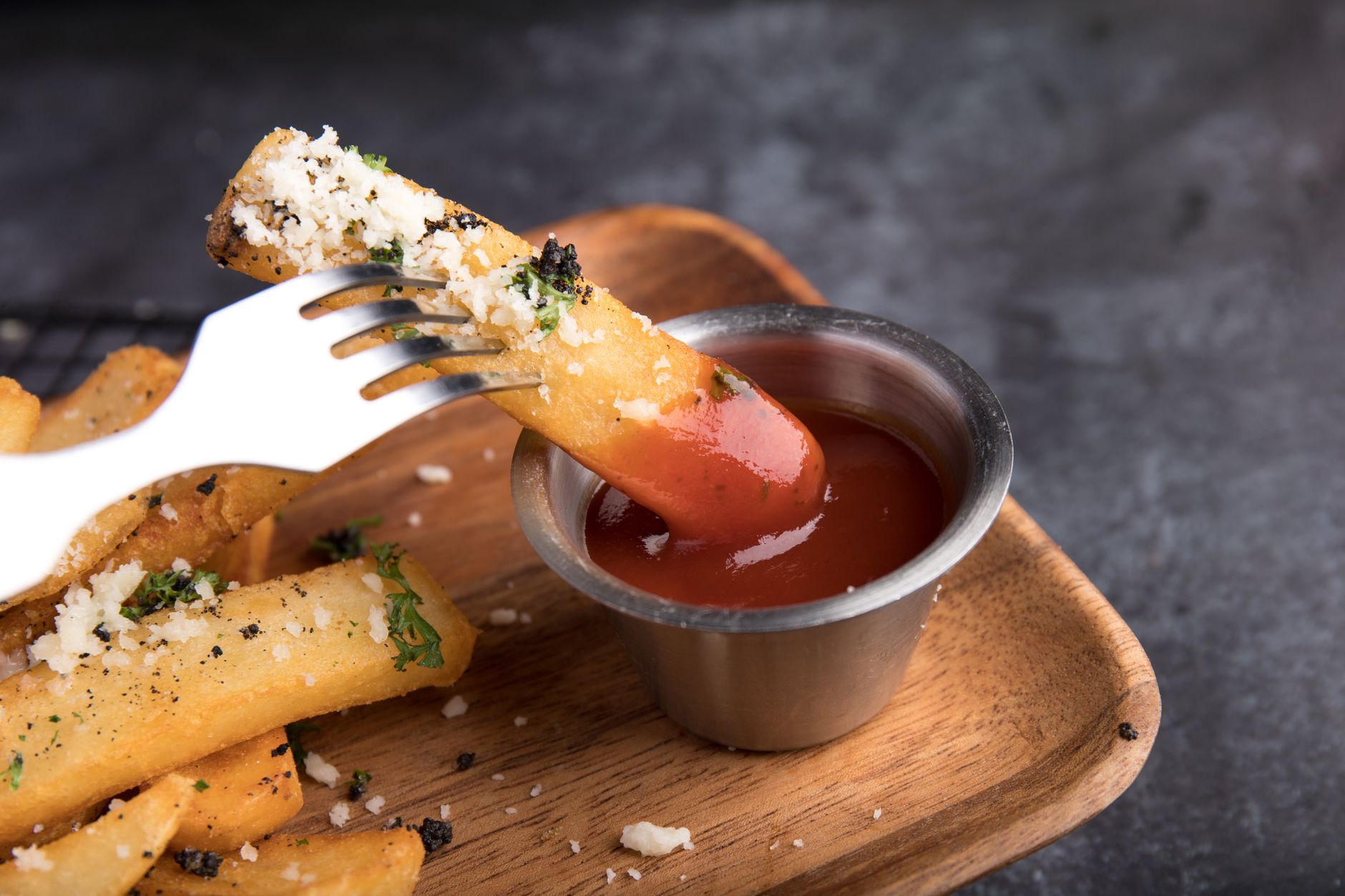
?f?? Photo by kei photo on Pexels – Free to use under the Pexels License
Why This Recipe Works: The Food Science Behind It
The secret to perfect Parmesan garlic breadsticks lies in understanding a few key food science principles. First, the Maillard reaction—the chemical process that gives bread its golden-brown crust and deep, complex flavors—is critical here. When the breadsticks hit the hot oven, the sugars and amino acids in the dough react, creating that irresistible color and aroma. To maximize this effect, I brush the breadsticks with melted butter before baking. The fat in the butter conducts heat more efficiently than air, ensuring even browning and a crispier texture.
According to Mayo Clinic, nutrition science and health plays an important role in understanding food preparation and nutrition.
Another important factor is gluten development. While these breadsticks aren’t kneaded as thoroughly as traditional bread dough, the brief mixing and resting period allows the gluten strands to relax and align, giving the breadsticks their signature chewy-yet-crisp texture. Overworking the dough would make them tough, while underworking it would result in a crumbly mess. The balance is delicate, but with this recipe, it’s foolproof—just mix until the dough comes together, then let it rest while you prep the other ingredients.
Finally, the combination of garlic and Parmesan isn’t just about flavor—it’s about umami synergy. Garlic contains sulfur compounds that enhance the savory notes of Parmesan, which is rich in glutamates. When these two ingredients are heated together, their flavors amplify each other, creating a taste that’s greater than the sum of its parts. That’s why these breadsticks taste so addictive, even though they’re made with simple ingredients.
Complete Ingredient Breakdown
Every ingredient in this recipe plays a specific role, contributing to the texture, flavor, and overall success of the breadsticks. Here’s a detailed breakdown of what you’ll need and why each component matters:
According to USDA FoodData Central, nutritional data and food composition plays an important role in understanding food preparation and nutrition.
For the Dough:
- 2 cups (250g) all-purpose flour: The base of the dough, providing structure and chew. All-purpose flour strikes the perfect balance between protein content (around 10-12%) and tenderness. If you’re gluten-free, a 1:1 gluten-free flour blend can work, but the texture will be slightly denser. For a lighter result, you can substitute ½ cup of the all-purpose flour with bread flour, which has a higher protein content for more gluten development.
- 1 tablespoon (12g) granulated sugar: Sugar isn’t just for sweetness—it feeds the yeast, helping the dough rise faster. It also contributes to browning through caramelization. If you’re out of sugar, honey or maple syrup can work in a pinch, but reduce the liquid in the recipe slightly to compensate for their moisture.
- 1 packet (2 ¼ teaspoons or 7g) active dry yeast: The leavening agent that gives the breadsticks their light, airy texture. Make sure your yeast is fresh (check the expiration date) and that the water you use to activate it is between 105°F and 110°F (40°C to 43°C). Too hot, and you’ll kill the yeast; too cold, and it won’t activate properly.
- ¾ cup (180ml) warm water: The liquid that hydrates the dough and activates the yeast. Warm water speeds up the fermentation process, helping the dough rise in just 10 minutes. If your kitchen is cold, you can use slightly warmer water (up to 115°F or 46°C) to compensate.
- 2 tablespoons (30ml) olive oil: Olive oil adds richness and tenderness to the dough, preventing it from becoming too dry or tough. It also helps create a softer crust. For a more neutral flavor, you can use vegetable oil, but olive oil adds a subtle fruity note that pairs beautifully with the garlic and Parmesan.
- ½ teaspoon (3g) salt: Salt enhances the flavor of the dough and controls yeast activity, preventing over-fermentation. Without it, the breadsticks would taste bland and rise too quickly, resulting in a weak structure. Use fine sea salt or table salt for even distribution.
- 4 tablespoons (57g) unsalted butter, melted: Butter is the glue that holds the garlic and Parmesan to the breadsticks while adding richness and flavor. Unsalted butter allows you to control the saltiness of the final dish. If you only have salted butter, reduce the salt in the dough by ¼ teaspoon to avoid over-seasoning.
- 4 cloves garlic, minced (about 1 tablespoon): Garlic is the star of the show, providing a pungent, aromatic base. Mincing it finely ensures even distribution and maximizes flavor. For a milder taste, you can roast the garlic first or use 1 teaspoon of garlic powder, but fresh garlic is always best. If you’re short on time, pre-minced garlic from a jar works, but it won’t be as vibrant.
- ½ cup (50g) grated Parmesan cheese: Parmesan adds a salty, nutty depth that complements the garlic. Use freshly grated Parmesan for the best texture and flavor—pre-shredded cheese contains anti-caking agents that prevent it from melting smoothly. For a vegetarian option, look for Parmesan made with microbial rennet, or substitute Pecorino Romano for a sharper taste.
- 1 teaspoon (1g) dried parsley: Parsley brightens up the dish with a fresh, herbal note. It’s not just for garnish—it balances the richness of the butter and cheese. If you have fresh parsley, use 1 tablespoon finely chopped for a more vibrant flavor. Dried oregano or basil can also work in a pinch.
- ½ teaspoon (1g) garlic powder (optional): An extra boost of garlic flavor, especially useful if you’re using jarred minced garlic. It’s not essential, but it adds depth. If you’re sensitive to strong garlic flavors, you can omit it.
- ¼ teaspoon (0.5g) red pepper flakes (optional): A pinch of heat to cut through the richness. Adjust to taste—start with ⅛ teaspoon if you’re heat-sensitive. Smoked paprika or cayenne pepper can also add a subtle kick.
- Activate the Yeast:
In a small bowl, combine the warm water, sugar, and yeast. Stir gently and let it sit for 5 minutes until the mixture becomes frothy. This step is crucial—if the yeast doesn’t bubble, it’s not active, and your dough won’t rise. If that happens, start over with fresh yeast. While the yeast activates, measure out the rest of your ingredients and preheat your oven to 400°F (200°C). Line a baking sheet with parchment paper or a silicone mat for easy cleanup.
- Mix the Dough:
In a large bowl, whisk together the flour and salt. Make a well in the center and pour in the yeast mixture and olive oil. Stir with a wooden spoon or spatula until a shaggy dough forms. It should pull away from the sides of the bowl but still be slightly sticky. If it’s too wet, add 1 tablespoon of flour at a time until it comes together. If it’s too dry, add 1 teaspoon of water at a time. Avoid overmixing—just combine until no dry spots remain.
- Let the Dough Rest:
Cover the bowl with a clean kitchen towel or plastic wrap and let the dough rest for 10 minutes. This short rest allows the gluten to relax, making the dough easier to shape. While the dough rests, melt the butter in a small saucepan over low heat. Once melted, remove it from the heat and stir in the minced garlic, garlic powder (if using), and red pepper flakes. Let it steep for 5 minutes to infuse the butter with garlic flavor. This step ensures the garlic doesn’t burn in the oven.
- Shape the Breadsticks:
After the dough has rested, turn it out onto a lightly floured surface. Divide it into 12 equal pieces (about 40g each). Roll each piece into a 6-inch (15cm) rope, about ½ inch (1.25cm) thick. If the dough resists, let it rest for another 2 minutes before continuing. Place the ropes on the prepared baking sheet, spacing them about 1 inch (2.5cm) apart to allow for expansion. Brush each rope generously with the garlic butter, using about half of the mixture. Reserve the rest for later.
- Bake the Breadsticks:
Bake the breadsticks for 10 minutes, or until they’re lightly golden and puffed. Rotate the baking sheet halfway through for even browning. While they bake, mix the grated Parmesan and dried parsley in a small bowl. After 10 minutes, remove the breadsticks from the oven and brush them with the remaining garlic butter. Sprinkle the Parmesan-parsley mixture evenly over the top, pressing lightly so it sticks. Return them to the oven for another 3-5 minutes, or until the cheese is melted and the breadsticks are deep golden brown. Watch them closely during this stage—the cheese can burn quickly.
- Serve and Enjoy:
Let the breadsticks cool on the baking sheet for 2 minutes before transferring them to a wire rack. They’ll crisp up slightly as they cool. Serve warm with marinara sauce, hummus, or a creamy garlic dip. If you’re not serving them immediately, keep them warm in a 200°F (95°C) oven for up to 30 minutes. Leftovers can be reheated in the oven at 350°F (175°C) for 5 minutes to restore their crispiness. For more delicious ideas, explore our drinks and beverages collection.
- Temperature Control:
The oven temperature is critical for achieving the perfect texture. Too low, and the breadsticks will be soft and doughy; too high, and they’ll burn before the cheese melts. I recommend using an oven thermometer to ensure accuracy—many home ovens run hotter or cooler than the dial indicates. If your oven has hot spots, rotate the baking sheet halfway through baking. For extra crispiness, broil the breadsticks for 1-2 minutes at the end, but keep a close eye on them to prevent burning.
- Ingredient Quality:
Not all Parmesan is created equal. For the best results, use a block of authentic Parmigiano-Reggiano and grate it yourself. Pre-shredded cheese contains anti-caking agents that prevent it from melting smoothly, resulting in a grainy texture. Similarly, fresh garlic has a brighter, more vibrant flavor than jarred minced garlic. If you’re using dried herbs, rub them between your fingers before sprinkling to release their essential oils and enhance their aroma.
- Timing and Patience:
One of the biggest mistakes home cooks make is rushing the dough. While these breadsticks come together quickly, the 10-minute rest is non-negotiable. It allows the gluten to relax, making the dough easier to shape and resulting in a lighter, more tender breadstick. Similarly, don’t skip the step of steeping the garlic in the melted butter—this infuses the butter with flavor and prevents the garlic from burning in the oven. If you’re short on time, you can use the microwave to melt the butter, but heat it in 15-second bursts to avoid overheating.
- Seasoning Balance:
The key to great flavor is balance. The salt in the dough enhances the savory notes of the garlic and Parmesan, while the sugar feeds the yeast and adds a subtle sweetness. If you’re using salted butter, reduce the salt in the dough by ¼ teaspoon to avoid over-seasoning. Taste the garlic butter before brushing it on the breadsticks—adjust the seasoning with more salt or red pepper flakes if needed. Remember, you can always add more seasoning, but you can’t take it away, so start with less and build up.
- Cheesy Jalapeño Breadsticks:
For a spicy kick, add 1 tablespoon of finely chopped jalapeños to the garlic butter and mix ¼ cup of shredded cheddar cheese with the Parmesan. The cheddar melts beautifully, creating a gooey, spicy topping that pairs perfectly with the crispy breadsticks. If you like heat, add a pinch of cayenne pepper to the dough for an extra punch.
- Herb and Garlic Breadsticks:
Swap the Parmesan for a mix of grated Pecorino Romano and fresh herbs like rosemary, thyme, and basil. Brush the breadsticks with olive oil instead of butter for a lighter, more aromatic flavor. These are especially delicious served with a balsamic glaze or a creamy goat cheese dip.
- Vegan Garlic Breadsticks:
Use vegan butter or olive oil in place of the butter, and substitute the Parmesan with a blend of nutritional yeast, cashews, and salt. Add 1 tablespoon of lemon juice to the dough for brightness, and brush the breadsticks with garlic-infused olive oil before baking. For extra flavor, sprinkle them with smoked paprika or everything bagel seasoning.
- Everything Bagel Breadsticks:
Skip the Parmesan and garlic butter, and instead brush the breadsticks with olive oil and sprinkle them generously with everything bagel seasoning before baking. These are fantastic served with cream cheese or hummus for dipping. For a fun twist, shape the dough into small knots or twists before baking.
- Pesto and Sun-Dried Tomato Breadsticks:
Mix 2 tablespoons of pesto into the garlic butter and spread it on the breadsticks before baking. Top with ¼ cup of chopped sun-dried tomatoes and ¼ cup of shredded mozzarella. The pesto adds a vibrant, herby flavor, while the sun-dried tomatoes provide a tangy sweetness. These are perfect for serving with a creamy tomato soup.
For the Topping:
Step-by-Step Instructions
Making these Parmesan garlic breadsticks is easier than you think, but a few key steps will ensure they turn out perfectly every time. The key is to work efficiently while the dough rests, so have all your ingredients prepped and ready to go before you start. Here’s how to do it:
Expert Tips from Years of Kitchen Experience
Over the years, I’ve made these breadsticks countless times, and I’ve learned a few tricks that take them from good to outstanding. Here’s what separates a mediocre batch from one that disappears in minutes:
Nutritional Benefits and Health Insights
While Parmesan garlic breadsticks are undeniably indulgent, they also offer some surprising nutritional benefits when made with quality ingredients. A single breadstick (based on this recipe) contains approximately 120 calories, 4g of protein, 14g of carbohydrates, and 5g of fat. The protein comes primarily from the Parmesan cheese, which is also a rich source of calcium (about 10% of the daily value per breadstick) and phosphorus, both essential for bone health. Garlic, meanwhile, is packed with antioxidants and has been shown to support heart health by helping to lower blood pressure and cholesterol levels.
The olive oil in the dough provides heart-healthy monounsaturated fats, which can help reduce inflammation and improve cardiovascular health. Unlike butter, which is high in saturated fat, olive oil contains polyphenols that have been linked to a reduced risk of chronic diseases. If you’re watching your sodium intake, you can reduce the salt in the dough by half and use low-sodium Parmesan, though keep in mind that Parmesan is naturally salty, so the flavor may be milder.
For those with dietary restrictions, these breadsticks can be adapted in several ways. To make them gluten-free, use a 1:1 gluten-free flour blend and add ½ teaspoon of xanthan gum to mimic the structure of gluten. For a dairy-free version, substitute the butter with olive oil or vegan butter and use a plant-based Parmesan alternative. Nutritional yeast can add a cheesy flavor without dairy, though the texture will be slightly different. If you’re looking to boost the fiber content, replace ½ cup of the all-purpose flour with whole wheat flour, but keep in mind that this will make the breadsticks denser. For more delicious ideas, explore our quick and easy recipes collection.
Creative Variations and Dietary Adaptations
One of the things I love most about this recipe is how versatile it is. With a few simple tweaks, you can transform these breadsticks into something entirely new. Here are some of my favorite variations:
Frequently Asked Questions
Can I make the dough ahead of time?
Yes! You can prepare the dough up to 24 hours in advance. After mixing, cover the bowl tightly with plastic wrap and refrigerate. The cold temperature slows down the yeast activity, giving the dough a deeper flavor as it ferments slowly. When you’re ready to bake, let the dough come to room temperature for about 30 minutes, then shape and bake as directed. You can also freeze the dough for up to 1 month. Thaw it in the refrigerator overnight, then let it come to room temperature before shaping.
How do I store and reheat leftovers?
Leftover breadsticks can be stored in an airtight container at room temperature for up to 2 days. To reheat, place them on a baking sheet in a 350°F (175°C) oven for 5-7 minutes, or until crispy. Avoid the microwave, as it will make them soggy. For longer storage, freeze the baked breadsticks in a single layer on a baking sheet, then transfer them to a freezer bag. Reheat from frozen in a 375°F (190°C) oven for 8-10 minutes.
Can I make these breadsticks gluten-free?
Absolutely! Use a 1:1 gluten-free flour blend that includes xanthan gum, which helps mimic the structure of gluten. If your blend doesn’t include xanthan gum, add ½ teaspoon to the dry ingredients. Keep in mind that gluten-free dough can be stickier, so you may need to wet your hands slightly when shaping the breadsticks. The texture will be slightly denser than the original, but they’ll still be delicious.
Why did my breadsticks turn out dense or tough?
Dense or tough breadsticks are usually the result of overworking the dough or not letting it rest long enough. Gluten develops when flour and water are mixed, and overmixing can make the dough tough. To avoid this, mix the dough just until it comes together, then let it rest for the full 10 minutes. Another common mistake is using too much flour when shaping the dough. Use as little flour as possible to prevent the breadsticks from becoming dry and dense. If your kitchen is cold, the dough may take longer to rise—give it an extra 5 minutes if needed.
Final Thoughts
There’s something deeply satisfying about pulling a tray of golden, garlicky breadsticks out of the oven—it’s the kind of snack that brings people together, whether it’s for a casual weeknight dinner or a festive gathering. What I love most about this recipe is how it balances simplicity with sophistication. With just a handful of ingredients and 30 minutes, you can create something that tastes like it came from a gourmet bakery. And the best part? It’s endlessly adaptable. Whether you’re in the mood for something spicy, herby, or cheesy, these breadsticks can be customized to suit any craving.
Over the years, I’ve made these breadsticks for countless occasions—from impromptu movie nights to holiday parties—and they’ve never failed to impress. The key is to embrace the process, trust the science, and not be afraid to experiment. Try adding your favorite herbs, swapping in different cheeses, or even turning them into a sweet treat with a sprinkle of cinnamon sugar. The possibilities are endless, and that’s what makes cooking so much fun.
So the next time you’re craving something warm, crispy, and irresistibly savory, give this recipe a try. I promise it’ll become a go-to in your kitchen, just like it has in mine. And who knows? Maybe these Parmesan garlic breadsticks will become a new tradition in your home, too.