


?? In This Article
- The Rich History and Cultural Roots of This Dish
- Why This Recipe Works: The Food Science Behind It
- Complete Ingredient Breakdown
- Step-by-Step Instructions
- Expert Tips from Years of Kitchen Experience
- Nutritional Benefits and Health Insights
- Creative Variations and Dietary Adaptations
- Frequently Asked Questions
- Final Thoughts
I still remember the first time I tasted a proper Mediterranean chickpea bowl—it was at a tiny café in Athens where the owner, Maria, served me a steaming bowl of spiced chickpeas with roasted vegetables and a dollop of creamy tahini. The flavors were so vibrant, so alive, that I nearly cried into my pita. Fast forward to today, and I’ve spent years perfecting a version that captures that same magic but fits into a 30-minute lunch break. The secret? A few smart shortcuts and a deep understanding of how heat transforms humble ingredients into something extraordinary.
What makes this dish so special isn’t just its speed—it’s the way it balances textures and flavors. Crispy roasted chickpeas, tender caramelized vegetables, cool cucumber, and a tangy tahini dressing all come together in a symphony of contrasts. And the best part? It’s endlessly adaptable. Whether you’re feeding a family, meal-prepping for the week, or just craving something fresh and satisfying, this recipe delivers. Let’s dive into why this dish works, how to make it, and how to make it your own.
The Rich History and Cultural Roots of This Dish
The Mediterranean chickpea bowl is a modern twist on a culinary tradition that stretches back thousands of years. Chickpeas, one of the oldest cultivated crops, originated in the Fertile Crescent around 7,500 years ago. Ancient Egyptians, Greeks, and Romans all prized them for their versatility and nutritional value. In fact, chickpeas were so revered in ancient Rome that they were often used as currency and even buried with the dead as offerings to the gods.
In the Mediterranean, chickpeas became a staple in dishes like falafel (deep-fried chickpea balls popular in the Levant), hummus (a creamy dip made from blended chickpeas, tahini, and lemon), and revithada (a slow-cooked Greek chickpea stew). The bowl format we’re making today is a contemporary interpretation, blending elements from across the region. The roasted vegetables and tahini dressing draw inspiration from Levantine cuisine, while the fresh herbs and lemon reflect the bright, bold flavors of Greece and southern Italy.
What’s fascinating is how this dish has evolved to suit modern lifestyles. Traditional Mediterranean meals often involve slow cooking and multiple courses, but today’s busy schedules demand speed without sacrificing flavor. That’s where this recipe shines—it takes the essence of Mediterranean cuisine and streamlines it for the 21st century. The result is a dish that’s as nourishing as it is delicious, packed with the same ingredients that have sustained cultures for millennia.
Culturally, chickpeas hold deep significance. In Jewish tradition, they’re a key part of mimouna, a North African celebration marking the end of Passover. In India, they’re the star of chana masala, a spiced chickpea curry. And in the Mediterranean, they’re a symbol of resilience—able to thrive in arid climates and provide sustenance even in lean times. This dish isn’t just food; it’s a celebration of history, culture, and the simple joy of eating well.
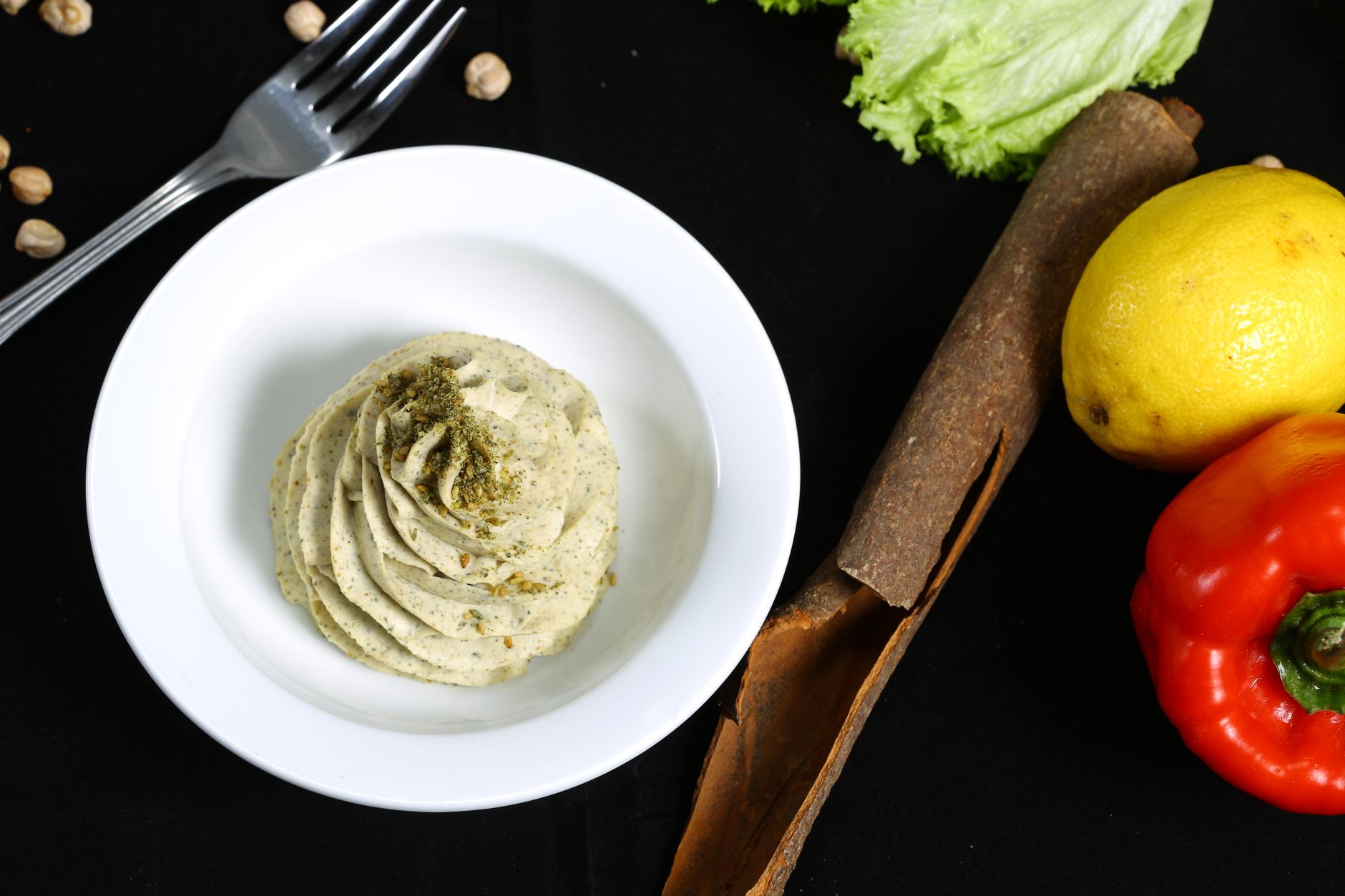
?f?? Photo by Shameel mukkath on Pexels – Free to use under the Pexels License
Why This Recipe Works: The Food Science Behind It
At first glance, this dish might seem simple—just chickpeas, vegetables, and a dressing. But beneath the surface, a series of chemical reactions are working together to create its signature flavors and textures. The key to unlocking these reactions? Heat, timing, and a few clever techniques.
According to Mayo Clinic, nutrition science and health plays an important role in understanding food preparation and nutrition.
Let’s start with the chickpeas. When you roast them at 425°F (220°C), two critical reactions occur: the Maillard reaction and caramelization. The Maillard reaction, named after French chemist Louis-Camille Maillard, is a chemical process between amino acids and reducing sugars that gives browned foods their complex, savory flavors. It’s what makes the chickpeas crispy on the outside and tender on the inside. Caramelization, on the other hand, is the breakdown of sugars under heat, which adds a subtle sweetness and deepens the color. Together, these reactions transform bland chickpeas into something irresistibly crunchy and flavorful.
The vegetables undergo a similar transformation. When you roast bell peppers, zucchini, and red onions at high heat, their natural sugars caramelize, intensifying their sweetness and adding depth to their flavor. The high heat also evaporates moisture, concentrating the vegetables’ natural umami compounds. This is why roasted vegetables taste so much richer than their raw counterparts. The tahini dressing, meanwhile, is an emulsion—a stable mixture of two liquids that don’t naturally combine (in this case, tahini and lemon juice). The key to a smooth emulsion is gradual incorporation and constant whisking, which breaks the tahini’s fat molecules into tiny droplets that disperse evenly throughout the liquid. The result is a creamy, velvety dressing that clings to every bite.
Finally, the fresh ingredients—cucumber, tomatoes, and herbs—provide a bright, cooling contrast to the roasted components. This balance of hot and cold, crispy and creamy, is what makes the dish so satisfying. It’s a masterclass in texture and temperature contrast, a principle that’s central to Mediterranean cuisine.
Complete Ingredient Breakdown
Every ingredient in this recipe plays a specific role, contributing to the dish’s flavor, texture, or nutritional profile. Here’s a detailed breakdown of what each component brings to the table—and how to swap them if needed.
According to USDA FoodData Central, nutritional data and food composition plays an important role in understanding food preparation and nutrition.
The Base: Chickpeas and Vegetables
- 1 can (15 oz) chickpeas, drained and rinsed: Chickpeas are the protein powerhouse of this dish, providing 14.5 grams of plant-based protein per cup. They’re also rich in fiber (12.5 grams per cup), which aids digestion and keeps you full. For the best texture, use canned chickpeas—they’re pre-cooked and ready to roast. If you prefer dried chickpeas, soak them overnight and boil for 1-1.5 hours until tender before roasting. Substitution: White beans or lentils work in a pinch, but they won’t crisp up as nicely.
- 1 red bell pepper, diced (about 1 cup): Bell peppers add a sweet, slightly smoky flavor and a pop of color. They’re also packed with vitamin C—one medium pepper provides 169% of your daily needs. For a spicier kick, swap in a poblano or jalapeño. Substitution: Zucchini or eggplant can replace bell peppers, but they’ll release more moisture, so roast them separately to avoid sogginess.
- 1 medium zucchini, diced (about 1.5 cups): Zucchini brings a mild, slightly buttery flavor and a tender texture. It’s low in calories (just 17 per cup) but high in vitamin B6 and manganese. For extra flavor, leave the skin on. Substitution: Yellow squash or cauliflower florets work well here.
- 1 small red onion, thinly sliced (about 1 cup): Red onions add a sharp, slightly sweet flavor that mellows when roasted. They’re also rich in quercetin, an antioxidant with anti-inflammatory properties. If you’re sensitive to raw onions, soak the slices in cold water for 10 minutes to soften their bite. Substitution: Shallots or yellow onions can be used, but they’ll be milder.
- 1 tsp ground cumin: Cumin adds earthy, warm notes that are quintessential to Mediterranean cuisine. It’s also been shown to aid digestion and may help regulate blood sugar. Substitution: Ground coriander or caraway seeds offer a similar warmth.
- 1 tsp smoked paprika: Smoked paprika lends a deep, smoky flavor that mimics the taste of grilled vegetables. It’s rich in capsaicin, which has metabolism-boosting properties. Substitution: Regular paprika or a pinch of cayenne for heat.
- 1/2 tsp ground turmeric: Turmeric adds a golden hue and a mild, earthy flavor. It’s also a potent anti-inflammatory, thanks to its active compound, curcumin. Substitution: A pinch of saffron for color (though it won’t provide the same health benefits).
- 1/2 tsp salt, plus more to taste: Salt enhances the natural flavors of the ingredients and helps draw out moisture from the vegetables, aiding in caramelization. Use kosher salt for even distribution. Substitution: Soy sauce or tamari for a umami boost (use sparingly).
- 1/4 tsp black pepper: Black pepper adds a subtle heat and enhances the absorption of turmeric’s curcumin. Freshly ground pepper is best for maximum flavor. Substitution: White pepper or a pinch of chili flakes.
- 2 tbsp olive oil, divided: Olive oil is the backbone of Mediterranean cuisine, adding richness and helping to conduct heat evenly during roasting. It’s also rich in heart-healthy monounsaturated fats. Substitution: Avocado oil or grapeseed oil for a neutral flavor.
- 1/4 cup fresh parsley, chopped: Parsley adds a bright, fresh flavor and a pop of color. It’s also rich in vitamin K, which supports bone health. Substitution: Fresh cilantro or mint for a different flavor profile.
- 1/4 cup fresh dill, chopped: Dill brings a grassy, slightly tangy flavor that pairs beautifully with the tahini dressing. It’s also a good source of vitamin A and iron. Substitution: Fresh basil or chives.
- 1/4 cup tahini: Tahini, a paste made from ground sesame seeds, is the star of the dressing. It’s rich in healthy fats, calcium, and zinc. Look for tahini made from 100% sesame seeds with no added oils or preservatives. Substitution: Peanut butter or almond butter for a nutty flavor (though the texture will be thicker).
- 3 tbsp lemon juice (about 1 lemon): Lemon juice adds acidity, which balances the richness of the tahini and brightens the dish. It’s also high in vitamin C. Substitution: Lime juice or apple cider vinegar for a different tang.
- 1 tbsp honey or maple syrup: A touch of sweetness rounds out the dressing’s flavors. Honey also has antibacterial properties, while maple syrup provides manganese and zinc. Substitution: Agave syrup or a pinch of sugar.
- 1 small garlic clove, minced: Garlic adds a pungent, savory depth to the dressing. It’s also rich in allicin, a compound with heart-protective benefits. Substitution: 1/4 tsp garlic powder or a pinch of asafoetida for a milder flavor.
- 2-3 tbsp water, as needed: Water thins the dressing to the perfect consistency. Add it gradually to avoid making the dressing too runny. Substitution: Plain yogurt or buttermilk for a creamier texture.
- 1 cup cherry tomatoes, halved: Cherry tomatoes add a juicy, sweet-tart burst of flavor. They’re also rich in lycopene, an antioxidant linked to heart health. Substitution: Sun-dried tomatoes for a chewy, intense flavor.
- 1/2 English cucumber, diced (about 1 cup): Cucumber provides a refreshing crunch and hydrating contrast to the roasted ingredients. It’s also low in calories and high in silica, which supports skin health. Substitution: Radishes or jicama for a peppery crunch.
- 1/4 cup crumbled feta cheese (optional): Feta adds a salty, tangy creaminess that pairs beautifully with the tahini dressing. It’s also a good source of calcium and protein. Substitution: Goat cheese or vegan feta for a dairy-free option.
- 2 tbsp toasted pine nuts or slivered almonds: Nuts add a buttery crunch and healthy fats. Pine nuts are traditional in Mediterranean cuisine, but almonds are a more affordable alternative. Substitution: Toasted pumpkin seeds or sunflower seeds for a nut-free option.
- Prep the Chickpeas and Vegetables:
Preheat your oven to 425°F (220°C) and line a large baking sheet with parchment paper. Drain and rinse the chickpeas, then pat them dry with a clean kitchen towel or paper towels. This step is crucial—excess moisture will prevent the chickpeas from crisping up. In a large bowl, toss the chickpeas with 1 tablespoon of olive oil, 1/2 teaspoon of salt, 1/2 teaspoon of cumin, 1/2 teaspoon of smoked paprika, and 1/4 teaspoon of turmeric. Spread them in a single layer on one side of the baking sheet.
In the same bowl, toss the diced bell pepper, zucchini, and red onion with the remaining 1 tablespoon of olive oil, 1/2 teaspoon of salt, and 1/4 teaspoon of black pepper. Spread the vegetables in a single layer on the other side of the baking sheet. If the sheet is too crowded, use two sheets—overcrowding will steam the vegetables instead of roasting them.
- Roast the Chickpeas and Vegetables:
Place the baking sheet in the preheated oven and roast for 15 minutes. After 15 minutes, remove the sheet from the oven and flip the chickpeas and vegetables with a spatula. This ensures even browning. Return the sheet to the oven and roast for another 10-12 minutes, or until the chickpeas are golden and crispy and the vegetables are tender and slightly caramelized. Keep an eye on the vegetables—they should be soft but not mushy, with edges that are just starting to char.
While the chickpeas and vegetables roast, prepare the tahini dressing. In a small bowl, whisk together the tahini, lemon juice, honey (or maple syrup), minced garlic, and a pinch of salt. The mixture will thicken at first, but continue whisking and add water, 1 tablespoon at a time, until the dressing is smooth and pourable. It should coat the back of a spoon but still be thin enough to drizzle. Taste and adjust the seasoning—you may want to add more lemon juice for acidity or honey for sweetness.
- Assemble the Bowls:
While the chickpeas and vegetables finish roasting, assemble the fresh components of your bowls. In a large bowl, combine the halved cherry tomatoes, diced cucumber, chopped parsley, and chopped dill. If using feta, crumble it over the top. Once the roasted chickpeas and vegetables are done, let them cool for 2-3 minutes—this helps them crisp up further.
To assemble the bowls, start with a base of the fresh tomato-cucumber mixture. Top with the roasted vegetables and chickpeas, then drizzle generously with the tahini dressing. Sprinkle with toasted pine nuts or almonds for crunch. If you’re meal-prepping, store the components separately and assemble just before eating to keep everything fresh.
- Serve and Enjoy:
Serve the bowls immediately, while the chickpeas and vegetables are still warm. The contrast of warm and cool, crispy and creamy, is what makes this dish so satisfying. If you’re serving it to a crowd, set out the components family-style and let everyone build their own bowls. Leftovers will keep in the fridge for up to 3 days, though the chickpeas may lose some of their crispiness. To revive them, spread them on a baking sheet and warm them in a 350°F (175°C) oven for 5-10 minutes. For more delicious ideas, explore our easy lunch ideas collection.
- Temperature Control:
The difference between perfectly roasted chickpeas and sad, soggy ones often comes down to temperature. If your oven runs hot, reduce the temperature to 400°F (200°C) and roast for a few extra minutes. If it runs cool, increase the temperature to 450°F (230°C) and keep a close eye on them. The goal is to achieve a deep golden color without burning—this is where the Maillard reaction works its magic, creating complex, savory flavors. If your chickpeas aren’t crisping up, try roasting them on a wire rack set over the baking sheet. This allows air to circulate underneath, ensuring even browning.
- Ingredient Quality:
Not all tahini is created equal. Cheap tahini can be bitter or overly oily, which will throw off the balance of your dressing. Look for tahini made from 100% sesame seeds, with no added oils or preservatives. Brands like Soom or Al Wadi are consistently high-quality. Similarly, use the freshest vegetables you can find—wilted zucchini or soft bell peppers won’t roast as nicely. If your herbs are looking limp, revive them by trimming the stems and placing them in a glass of water for 10-15 minutes before chopping.
- Timing and Patience:
One of the biggest mistakes home cooks make with this dish is rushing the roasting process. Resist the urge to peek at the chickpeas and vegetables too often—every time you open the oven, you let out heat, which can slow down the cooking process. Instead, set a timer and trust the process. The vegetables should be tender but still hold their shape, with edges that are just starting to char. If they’re mushy, you’ve overcooked them. The chickpeas should be crispy on the outside and tender on the inside—if they’re still soft, roast them for another 5 minutes.
Another timing tip: prep the dressing while the chickpeas and vegetables roast. This ensures that everything is ready at the same time, so you’re not scrambling to assemble the bowls while the roasted components cool. If you’re short on time, you can make the dressing up to 3 days ahead—just store it in an airtight container in the fridge and whisk it well before using.
- Seasoning Balance:
Seasoning is where many home cooks go wrong. It’s easy to under-season the chickpeas and vegetables, leaving them bland, or over-season the dressing, making it cloying. Start with the recommended amounts of salt and spices, then taste as you go. Remember, the tahini dressing will add saltiness and acidity, so the roasted components should be seasoned just enough to stand on their own. If you’re unsure, err on the side of under-seasoning—you can always add more salt or spices at the end.
When it comes to the dressing, balance is key. The tahini should be rich and nutty, the lemon juice bright and tangy, and the honey just sweet enough to round out the flavors. If the dressing tastes too bitter, add a bit more honey. If it’s too thick, thin it with water. And if it’s too bland, a pinch of salt or a squeeze of lemon juice will brighten it up. Taste as you go, and don’t be afraid to adjust.
The Seasoning: Spices and Herbs
The Dressing: Tahini and Lemon
The Garnishes: Fresh and Crunchy
Step-by-Step Instructions
This recipe is all about efficiency, so start by preheating your oven and prepping your ingredients. The key to success is mise en place—having everything chopped, measured, and ready to go before you start cooking. This way, you can move quickly and avoid overcooking any component. Here’s how to bring it all together in 30 minutes or less.
Expert Tips from Years of Kitchen Experience
Over the years, I’ve made this dish countless times, and I’ve learned a few tricks that take it from good to outstanding. These tips are the result of trial and error, kitchen mishaps, and a deep love for Mediterranean flavors. Here’s what I wish I’d known when I first started making chickpea bowls.
Nutritional Benefits and Health Insights
This Mediterranean chickpea bowl isn’t just delicious—it’s also a nutritional powerhouse. Each component brings something unique to the table, making this dish a well-rounded, health-boosting meal. Here’s a breakdown of the key nutrients and their benefits.
Chickpeas are the star of this dish, providing 14.5 grams of plant-based protein and 12.5 grams of fiber per cup. Protein is essential for muscle repair and growth, while fiber supports digestive health and helps regulate blood sugar levels. Chickpeas are also rich in folate, iron, and manganese, which play crucial roles in energy production and red blood cell formation. The fiber in chickpeas has been shown to promote satiety, making this dish a great option for weight management.
The vegetables in this recipe are packed with vitamins, minerals, and antioxidants. Bell peppers are one of the best sources of vitamin C, with one medium pepper providing 169% of your daily needs. Vitamin C is a powerful antioxidant that supports immune function and skin health. Zucchini is low in calories but high in vitamin B6, which is important for brain health and metabolism. Red onions are rich in quercetin, an antioxidant with anti-inflammatory properties that may help reduce the risk of chronic diseases like heart disease and cancer.
The tahini dressing adds healthy fats, calcium, and zinc to the dish. Tahini is made from sesame seeds, which are rich in monounsaturated and polyunsaturated fats—both of which support heart health. These fats also help your body absorb fat-soluble vitamins like A, D, E, and K. The lemon juice in the dressing provides vitamin C, which enhances the absorption of iron from the chickpeas. And the garlic adds allicin, a compound with antibacterial and antiviral properties that may help boost immune function.
For those with dietary restrictions, this dish is naturally gluten-free and can easily be made vegan by omitting the feta or using a plant-based alternative. To reduce the sodium content, use low-sodium chickpeas and reduce the amount of salt in the dressing. If you’re watching your carb intake, you can reduce the amount of honey in the dressing or omit it altogether. And for a lower-fat option, use less tahini or thin the dressing with more water. For more delicious ideas, explore our cooking tips and guides collection.
Creative Variations and Dietary Adaptations
One of the things I love most about this recipe is how adaptable it is. Whether you’re feeding a crowd with different dietary needs or just looking to switch things up, there are endless ways to customize this dish. Here are a few of my favorite variations, each with a unique twist.
1. Spicy Harissa Chickpea Bowls
For a North African-inspired twist, add 1-2 tablespoons of harissa paste to the chickpeas before roasting. Harissa is a spicy chili paste made from roasted red peppers, garlic, and spices like cumin and coriander. It adds a smoky, fiery kick that pairs beautifully with the tahini dressing. To balance the heat, add a dollop of plain yogurt or a sprinkle of pomegranate seeds to the finished bowls. This variation is perfect for those who love bold, spicy flavors.
2. Greek-Inspired Bowls with Tzatziki
Swap the tahini dressing for a creamy tzatziki sauce made with Greek yogurt, grated cucumber, garlic, lemon juice, and dill. Tzatziki adds a cool, tangy contrast to the roasted chickpeas and vegetables. Top the bowls with Kalamata olives, crumbled feta, and a sprinkle of oregano for an authentic Greek flavor. This variation is a great way to use up leftover tzatziki from a gyro night.
3. Vegan Buddha Bowls with Turmeric Tahini
For a fully plant-based version, omit the feta and add a pinch of turmeric to the tahini dressing for a vibrant golden color. Turmeric is a powerful anti-inflammatory, and its earthy flavor pairs well with the other spices in the dish. Add roasted sweet potatoes or butternut squash for extra heartiness, and top with avocado slices for creaminess. This variation is perfect for meal prep—just store the components separately and assemble when ready to eat.
4. Meal-Prep Friendly Freezer Bowls
If you’re meal-prepping for the week, this dish is a lifesaver. To make it freezer-friendly, roast the chickpeas and vegetables as directed, then let them cool completely. Store them in airtight containers with the fresh components (tomatoes, cucumber, herbs) and dressing in separate containers. When you’re ready to eat, thaw the roasted components in the fridge overnight and assemble the bowls. The fresh components should be added just before eating to maintain their texture.
5. Middle Eastern Falafel-Style Bowls
For a falafel-inspired twist, add 1 teaspoon of ground coriander and 1/2 teaspoon of ground cardamom to the chickpeas before roasting. These spices are commonly used in falafel and add a warm, aromatic depth to the dish. Serve the bowls with warm pita bread, pickled vegetables, and a drizzle of tahini sauce. This variation is a great way to enjoy the flavors of falafel without the fuss of deep-frying.
Frequently Asked Questions
Why did my chickpeas turn out soggy instead of crispy?
Soggy chickpeas are usually the result of excess moisture or overcrowding. First, make sure you pat the chickpeas dry thoroughly after rinsing them—any lingering moisture will steam them instead of roasting them. Second, spread them in a single layer on the baking sheet, with space between each chickpea. If they’re too close together, they’ll steam rather than crisp. Finally, don’t skip the flipping step—turning the chickpeas halfway through roasting ensures even browning on all sides. If your oven runs cool, you may need to roast them for an extra 5-10 minutes.
Can I make this dish ahead of time for meal prep?
Absolutely! This dish is perfect for meal prep, but there are a few tricks to keep it fresh. Store the roasted chickpeas and vegetables in an airtight container in the fridge for up to 3 days. The fresh components (tomatoes, cucumber, herbs) should be stored separately and added just before eating to prevent them from getting soggy. The tahini dressing can be made up to 3 days ahead and stored in the fridge—just whisk it well before using, as it may thicken over time. If you’re prepping for the week, consider roasting a double batch of chickpeas and vegetables and using them in different meals, like salads, wraps, or grain bowls.
What can I use instead of tahini if I don’t like the taste?
If you’re not a fan of tahini’s nutty flavor, there are plenty of alternatives. For a creamy dressing, try using plain Greek yogurt mixed with lemon juice, garlic, and a touch of honey. This will give you a tangy, protein-rich dressing that’s lighter than tahini. Another option is to use a nut butter, like almond or cashew butter, thinned with water or lemon juice. Nut butters have a sweeter, nuttier flavor that pairs well with the roasted vegetables. If you prefer a vinaigrette, whisk together olive oil, lemon juice, Dijon mustard, and a pinch of salt for a bright, acidic dressing.
How can I make this dish lower in carbs?
To reduce the carb content of this dish, focus on the vegetables and dressing. Swap the honey in the tahini dressing for a sugar-free sweetener like stevia or monk fruit. Reduce the amount of chickpeas by half and add more low-carb vegetables, like cauliflower, broccoli, or Brussels sprouts. You can also omit the cherry tomatoes and cucumber, which are higher in natural sugars, and add more leafy greens or avocado for creaminess. If you’re following a keto diet, you can replace the chickpeas with roasted tofu or tempeh for a lower-carb protein option.
What’s the best way to reheat leftovers?
The best way to reheat leftovers is in the oven or toaster oven. Spread the roasted chickpeas and vegetables on a baking sheet and warm them at 350°F (175°C) for 5-10 minutes, or until heated through. This helps restore some of their crispiness. Avoid microwaving, as it will make the chickpeas soggy and the vegetables mushy. If you’re reheating the entire bowl, assemble it fresh with the reheated components and add the fresh ingredients (tomatoes, cucumber, herbs) just before eating. The tahini dressing can be served cold or at room temperature.
Final Thoughts
There’s something magical about a dish that’s both nourishing and quick to prepare. This Mediterranean chickpea bowl is one of those rare recipes that manages to be both—packed with protein, fiber, and bold flavors, yet ready in just 30 minutes. It’s the kind of meal that makes you feel good while you’re eating it and even better afterward, knowing you’ve fueled your body with wholesome ingredients.
What I love most about this dish is how it brings people together. Whether you’re serving it to your family on a busy weeknight or packing it for a picnic with friends, it’s a meal that sparks conversation and leaves everyone satisfied. And the best part? It’s endlessly adaptable. Swap in your favorite vegetables, play with the spices, or experiment with different dressings—this recipe is just a starting point.
So go ahead, give it a try. Make it your own. And the next time you’re craving something fresh, flavorful, and fuss-free, remember that the perfect lunch is just 30 minutes away. Happy cooking!