


?? In This Article
- The Rich History and Cultural Roots of Quick Cooking
- Why These Recipes Work: The Food Science Behind Speed Cooking
- Complete Ingredient Breakdown for 10 Quick Dinners
- Step-by-Step Instructions for One-Pan Lemon Garlic Chicken
- Expert Tips from Years of Kitchen Experience
- Nutritional Benefits and Health Insights
- Creative Variations and Dietary Adaptations
I’ll never forget the first time I made a proper stir-fry on a weeknight. It was 6:47 PM, my kids were starving, and I had exactly 23 minutes before soccer practice. The sizzle of garlic hitting hot oil, the vibrant colors of bell peppers and snap peas, and the way the sauce clung to every grain of rice—it felt like a culinary magic trick. That night, I learned something important: quick dinners don’t have to be boring or bland. In fact, some of the most flavorful dishes in the world are designed to come together in under 30 minutes. The secret? Understanding the food science behind speed cooking and choosing recipes that maximize texture, aroma, and nutrition without wasting time.
What fascinates me most about these meals is how they’ve evolved across cultures. From the wok hei (breath of the wok) in Chinese stir-fries to the sofrito base in Spanish tapas, quick cooking techniques have been perfected over centuries to deliver maximum flavor in minimal time. Today, we’re going to explore 10 of my favorite 30-minute dinners, each with its own cultural story, food science principles, and practical tips to make them shine. Whether you’re a busy parent, a student on a budget, or just someone who refuses to spend hours in the kitchen, these recipes will change the way you think about weeknight cooking.
The Rich History and Cultural Roots of Quick Cooking
Quick cooking isn’t a modern invention—it’s a necessity that has shaped culinary traditions worldwide. In ancient Rome, street vendors sold pulmentum, a simple porridge of spelt or wheat that could be prepared in minutes over an open flame. The concept of fast, nourishing meals was born out of urban life, where time was a luxury few could afford. Similarly, in 19th-century Japan, the rise of donburi (rice bowls topped with quick-cooked proteins and vegetables) coincided with the rapid urbanization of Edo (modern-day Tokyo). These meals were designed to be eaten on the go, with ingredients that could be prepped ahead and assembled in minutes.
One of the most fascinating examples of quick-cooking evolution is the stir-fry. While often associated with Chinese cuisine, the technique of cooking small, uniform pieces of food over high heat in a wok dates back over 1,500 years. The wok’s unique shape—wide at the top and narrow at the bottom—was designed to maximize heat distribution, allowing ingredients to cook quickly while retaining their texture and nutrients. This method was particularly important in regions where fuel was scarce, as it minimized cooking time. The Chinese also developed the concept of mise en place long before French chefs popularized the term, chopping all ingredients before heating the wok to ensure the cooking process was seamless and fast.
In the Mediterranean, the tradition of tapas emerged from a similar need for efficiency. Originally, tapas were small plates of food served to cover (or “tapar”) glasses of sherry to keep flies out. Over time, these small dishes evolved into a culinary art form, with many designed to be prepared quickly using simple, fresh ingredients. Dishes like pan con tomate (toasted bread rubbed with garlic and tomato) or gambas al ajillo (garlic shrimp) exemplify how a few high-quality ingredients can create something extraordinary in minutes. The Spanish approach to quick cooking is a masterclass in balancing simplicity with depth of flavor, a principle that’s central to all the recipes we’ll explore today.
Why These Recipes Work: The Food Science Behind Speed Cooking
The key to a great 30-minute dinner lies in understanding how heat, texture, and chemistry interact. One of the most important principles is the Maillard reaction, the chemical process that gives browned foods their complex, savory flavors. This reaction occurs when amino acids and reducing sugars are exposed to heat (typically between 284°F/140°C and 329°F/165°C), creating hundreds of new flavor compounds. In quick-cooking recipes, we maximize the Maillard reaction by cutting ingredients into small, uniform pieces (increasing surface area) and using high heat. For example, in a stir-fry, the thin slices of meat and vegetables brown almost instantly, developing deep flavors in minutes rather than hours.
According to Harvard T.H. Chan School of Public Health, evidence-based nutrition research plays an important role in understanding food preparation and nutrition.
Another critical concept is thermal conductivity. Materials like cast iron and carbon steel heat up quickly and retain heat well, making them ideal for quick cooking. When you add cold ingredients to a preheated pan, the temperature drops, but a well-seasoned cast iron skillet will recover its heat faster than stainless steel, allowing you to sear proteins and vegetables efficiently. This is why I always recommend using the right cookware for the job—it can shave precious minutes off your cooking time while improving texture and flavor.
Finally, emulsification plays a starring role in many quick sauces and dressings. An emulsion is a mixture of two liquids that don’t naturally combine, like oil and vinegar. In recipes like a lemon-garlic pan sauce or a creamy yogurt dressing, whisking or blending creates tiny droplets of one liquid suspended in the other, resulting in a smooth, cohesive sauce. The key to a stable emulsion is adding the oil slowly while whisking vigorously, which allows the droplets to disperse evenly. This technique is used in everything from vinaigrettes to gravies, and mastering it will elevate your quick dinners from good to restaurant-quality.
Complete Ingredient Breakdown for 10 Quick Dinners
Below, I’ve broken down the key ingredients for each of the 10 recipes we’ll cover, along with their roles in flavor, texture, and nutrition. I’ve also included substitutions where applicable, so you can adapt these meals to what you have on hand.
According to World Health Organization (WHO), dietary guidelines and healthy eating plays an important role in understanding food preparation and nutrition.
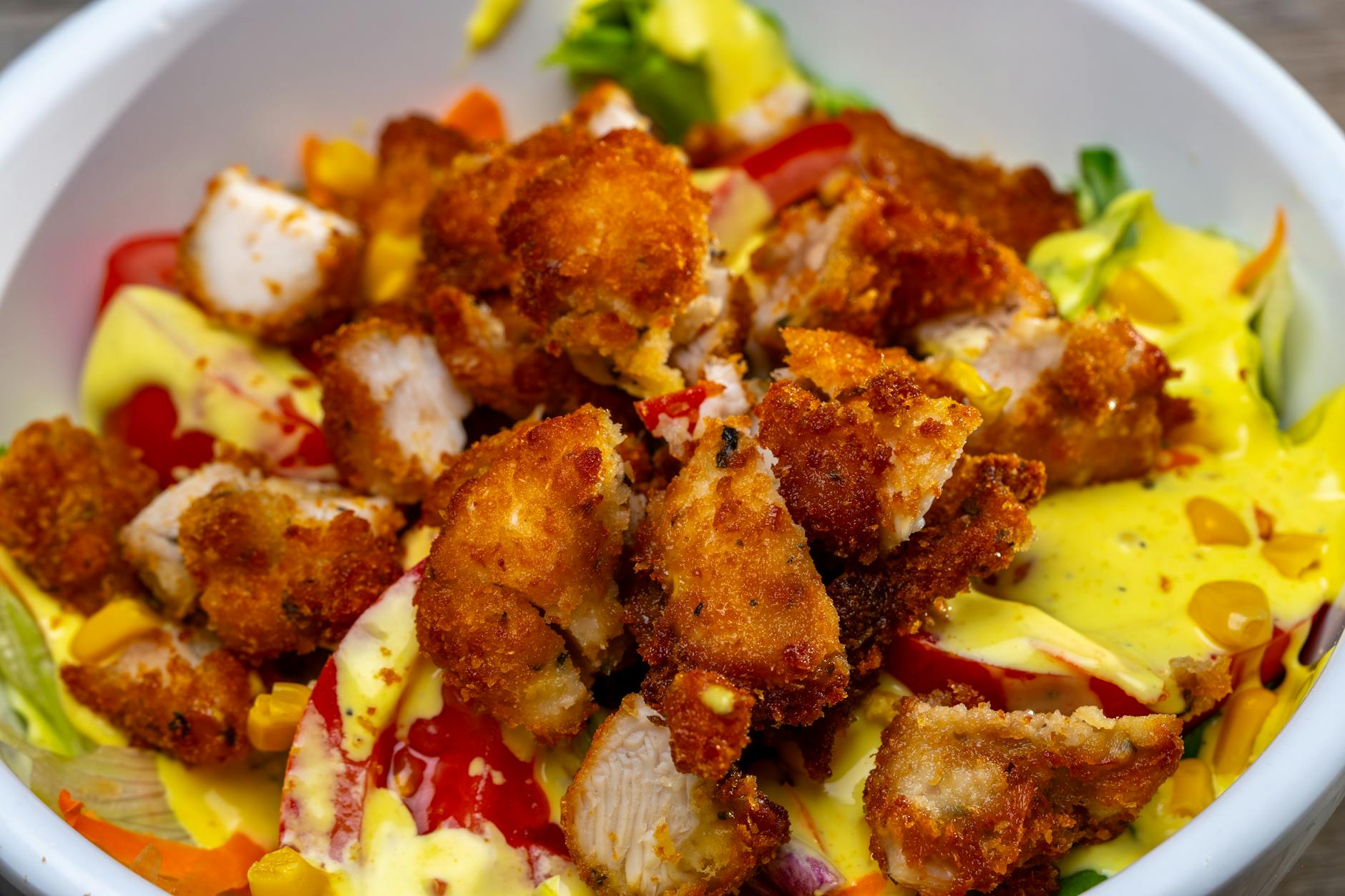
1. One-Pan Lemon Garlic Chicken with Roasted Vegetables
- Boneless, skinless chicken thighs (600g/1.3 lbs): Thighs stay juicier than breasts when cooked quickly at high heat thanks to their higher fat content. They’re also more forgiving if slightly overcooked. Substitution: Chicken breasts (reduce cooking time by 2-3 minutes).
- Baby potatoes (400g/14 oz), halved: Their small size ensures they cook through in 20 minutes. The waxy texture holds up well to roasting. Substitution: Sweet potatoes (cut into 1-inch cubes).
- Broccoli florets (200g/7 oz): Adds fiber, vitamin C, and a satisfying crunch. The florets roast quickly, developing a slightly charred, sweet flavor. Substitution: Cauliflower or Brussels sprouts.
- Lemon (1, zested and juiced): The acidity brightens the dish and helps tenderize the chicken. The zest adds aromatic oils that enhance flavor. Substitution: Lime or orange for a different citrus note.
- Garlic (4 cloves, minced): When cooked quickly over high heat, garlic releases allicin, a compound with anti-inflammatory properties and a pungent, savory flavor. Substitution: Shallots for a milder taste.
- Olive oil (3 tbsp): A high-smoke-point fat that prevents sticking and adds richness. Extra virgin olive oil also contains antioxidants like polyphenols. Substitution: Avocado oil or grapeseed oil.
- Dried oregano (1 tsp): Adds earthy, slightly bitter notes that complement the lemon and garlic. Oregano is rich in carvacrol, a compound with antimicrobial properties. Substitution: Thyme or rosemary.
- Large shrimp (450g/1 lb), peeled and deveined: Shrimp cook in just 2-3 minutes per side, making them ideal for quick meals. They’re also a great source of lean protein and selenium, a mineral that supports thyroid function. Substitution: Scallops or firm white fish like cod.
- Avocado (1, diced): Adds creaminess and healthy monounsaturated fats, which help absorb fat-soluble vitamins like A, D, E, and K. Avocados also contain lutein, an antioxidant that supports eye health. Substitution: Mango for a sweet, tropical twist.
- Corn tortillas (8 small): Corn tortillas are gluten-free and have a slightly nutty flavor that pairs well with shrimp. They’re also lower in calories than flour tortillas. Substitution: Flour tortillas or lettuce wraps for a low-carb option.
- Red cabbage (1 cup, shredded): Adds crunch, color, and vitamin C. Cabbage is a cruciferous vegetable, meaning it contains sulforaphane, a compound with potential cancer-fighting properties. Substitution: Purple kale or radicchio.
- Lime (2, juiced): The acidity cuts through the richness of the shrimp and avocado while adding brightness. Lime juice also enhances the absorption of iron from the shrimp. Substitution: Lemon or grapefruit juice.
- Chipotle in adobo (1 tbsp, minced): Adds smoky heat and depth. Chipotle peppers are smoked jalapeños, and adobo sauce is a tangy, slightly sweet marinade. Substitution: Smoked paprika and a pinch of cayenne for heat.
- Cilantro (1/4 cup, chopped): Adds a fresh, citrusy note. Some people have a genetic aversion to cilantro, perceiving it as soapy—if that’s you, try flat-leaf parsley instead. Substitution: Parsley or mint.
- Flank steak (400g/14 oz), thinly sliced: The thin slices cook in under 5 minutes, and the marbling keeps the meat tender. Flank steak is rich in iron and zinc.
- Broccoli (300g/10.5 oz), cut into florets: High in fiber, vitamin C, and sulforaphane. The florets absorb the stir-fry sauce beautifully.
- Soy sauce (3 tbsp): Adds umami and saltiness. Opt for low-sodium soy sauce to control salt intake. Contains fermented amino acids that enhance flavor.
- Oyster sauce (1 tbsp): A thick, savory sauce made from oyster extracts. Adds depth and a touch of sweetness. Substitution: Hoisin sauce for a vegetarian option.
- Ginger (1 tbsp, grated): Contains gingerol, a compound with anti-inflammatory and digestive benefits. Adds a warm, spicy note.
- Whole wheat pasta (340g/12 oz): Higher in fiber and protein than white pasta. The nuttier flavor holds up well to the creamy sauce.
- Canned diced tomatoes (400g/14 oz): Cooking tomatoes increases their lycopene content, an antioxidant linked to heart health. The acidity balances the creaminess of the sauce.
- Heavy cream (1/2 cup): Adds richness and helps emulsify the sauce. The fat carries flavor and creates a silky texture. Substitution: Coconut milk for a dairy-free option.
- Baby spinach (100g/3.5 oz): Wilts in seconds, adding iron, vitamin K, and folate. Spinach is also rich in lutein, which supports eye health.
- Parmesan cheese (1/2 cup, grated): Adds umami and saltiness. Parmesan contains calcium and probiotics from the aging process. Substitution: Nutritional yeast for a vegan option.
- Sweet potatoes (2 medium, diced and roasted): High in beta-carotene, which the body converts to vitamin A. Their natural sweetness pairs well with the savory beans.
- Black beans (1 can, drained and rinsed): A great source of plant-based protein and fiber. Black beans also contain anthocyanins, antioxidants that give them their dark color.
- Monterey Jack cheese (1 cup, shredded): Melts beautifully and adds a mild, creamy flavor. Substitution: Pepper Jack for heat or vegan cheese for a dairy-free option.
- Flour tortillas (4 large): The large size makes them ideal for folding. The gluten in the flour gives them a chewy texture. Substitution: Corn tortillas for a gluten-free option.
- Cumin (1 tsp): Adds earthy, warm notes. Cumin is rich in iron and has been shown to aid digestion.
- Preheat and Prep:
Preheat your oven to 425°F (220°C). This high temperature ensures the chicken and vegetables develop a beautiful golden-brown crust while cooking through quickly. While the oven heats, take out a large rimmed baking sheet (a half-sheet pan works perfectly) and line it with parchment paper for easy cleanup. Chop all your vegetables into even, bite-sized pieces—this ensures they cook at the same rate. For the potatoes, cut them into 1-inch pieces; for the broccoli, aim for florets that are roughly the same size. Mince the garlic and zest the lemon, then set everything aside in separate bowls. This step should take about 10 minutes, and it’s crucial for keeping the cooking process smooth.
- Season the Chicken:
In a large bowl, combine the chicken thighs, 1 tablespoon of olive oil, 1 teaspoon of dried oregano, 1/2 teaspoon of salt, and 1/4 teaspoon of black pepper. Toss until the chicken is evenly coated. The oil helps the seasoning adhere to the chicken and promotes browning. Here’s a pro tip: let the chicken sit with the seasoning for 5-10 minutes while you prep the vegetables. This gives the salt time to penetrate the meat, enhancing its natural flavors. If you’re short on time, even 2-3 minutes of resting will make a difference.
- Roast the Potatoes:
Toss the halved baby potatoes with 1 tablespoon of olive oil, 1/2 teaspoon of salt, and 1/4 teaspoon of black pepper. Spread them out on the prepared baking sheet in a single layer, making sure they’re not crowded. Crowding the pan will cause the potatoes to steam rather than roast, resulting in a soggy texture instead of a crispy one. Roast the potatoes for 10 minutes at 425°F (220°C). This initial roasting gives them a head start, as they take longer to cook than the chicken and broccoli. While they’re in the oven, you can prep the rest of the ingredients.
- Add the Chicken and Broccoli:
After the potatoes have roasted for 10 minutes, remove the baking sheet from the oven. Push the potatoes to one side of the pan and add the seasoned chicken thighs to the other side. Place the chicken skin-side down (if using skin-on thighs) to ensure it crisps up. Scatter the broccoli florets around the chicken and potatoes. Drizzle the broccoli with the remaining 1 tablespoon of olive oil and sprinkle with a pinch of salt and pepper. Return the pan to the oven and roast for another 12-15 minutes, or until the chicken reaches an internal temperature of 165°F (74°C) and the potatoes are tender when pierced with a fork.
Here’s where the food science comes into play: the high heat causes the chicken’s surface to undergo the Maillard reaction, creating a flavorful crust. Meanwhile, the broccoli’s cell walls break down, releasing sugars that caramelize and add a subtle sweetness. The potatoes, which started roasting earlier, develop a crispy exterior and a creamy interior.
- Make the Lemon-Garlic Sauce:
While the chicken and vegetables roast, prepare the sauce. In a small bowl, whisk together the minced garlic, lemon zest, lemon juice, 2 tablespoons of olive oil, and 1/4 teaspoon of salt. The lemon zest contains aromatic oils that infuse the sauce with bright, citrusy notes, while the juice adds acidity to balance the richness of the chicken. Whisking the oil into the lemon juice and garlic creates a temporary emulsion, which will help the sauce cling to the chicken and vegetables.
- Finish and Serve:
Once the chicken is cooked through and the vegetables are tender, remove the pan from the oven. Drizzle the lemon-garlic sauce evenly over the chicken and vegetables, then toss everything gently to coat. Garnish with fresh parsley or oregano for a pop of color and freshness. Serve the chicken and vegetables hot, straight from the pan, with a side of crusty bread or a simple green salad.
One of the things I love about this dish is how the flavors meld together in the last few minutes. The acidity from the lemon cuts through the richness of the chicken, while the garlic and herbs add depth. The crispy potatoes and tender broccoli provide textural contrast, making every bite satisfying. Plus, with only one pan to clean, you’ll have more time to enjoy your meal with your family. For more delicious ideas, explore our quick and easy recipes collection.
- Temperature Control is Everything:
One of the biggest mistakes home cooks make with quick dinners is not preheating their pans or ovens properly. When you add cold ingredients to a lukewarm pan, they steam instead of sear, leading to soggy textures and bland flavors. For stir-fries, heat your wok or skillet over high heat for at least 5 minutes before adding oil. You’ll know it’s ready when a drop of water sizzles and evaporates instantly. For oven-roasted dishes like the lemon garlic chicken, preheat your oven for at least 15 minutes to ensure it reaches the correct temperature. An oven thermometer is a worthwhile investment—many home ovens are off by 25°F (14°C) or more, which can significantly affect cooking times.
Here’s a science-backed trick: when searing proteins like chicken or shrimp, pat them dry with a paper towel before cooking. Moisture on the surface creates steam, which prevents browning. The Maillard reaction (the chemical process responsible for browning) requires a dry surface and high heat to occur. By removing excess moisture, you’ll achieve a deeper, more complex flavor and a better crust.
- Ingredient Quality Matters More Than You Think:
When you’re cooking quickly, there’s no time for flavors to develop over hours of simmering. That means the quality of your ingredients becomes even more important. For example, in the shrimp tacos, using fresh, never-frozen shrimp makes a noticeable difference in texture and flavor. Look for shrimp that are firm, translucent, and smell like the ocean (not fishy). Similarly, in the beef stir-fry, choosing a well-marbled cut like flank steak ensures the meat stays tender and juicy, even when cooked quickly over high heat.
Herbs and spices are another area where quality shines. Fresh herbs like cilantro, parsley, and basil add brightness and complexity that dried herbs simply can’t match. If you’re using dried herbs, make sure they’re fresh—herbs lose their potency after about 6 months. Crush dried herbs between your fingers before adding them to release their aromatic oils. For spices, buy whole spices when possible and toast them lightly in a dry pan before grinding. This awakens their flavors and makes a world of difference in dishes like the Thai green curry.
- Timing and Patience Are Your Best Friends:
It’s tempting to rush through a quick dinner, but patience is key to achieving the best results. For example, in the creamy tomato and spinach pasta, resist the urge to add the spinach too early. If you add it at the beginning, it will overcook and turn mushy. Instead, stir it in at the very end, just until it wilts. Similarly, in the black bean and sweet potato quesadillas, let the sweet potatoes roast until they’re tender and slightly caramelized before assembling the quesadillas. This extra step ensures they’re soft and flavorful, not crunchy and undercooked.
Another timing tip: let proteins rest after cooking. This is especially important for dishes like the chicken fajitas or beef stir-fry. When you remove meat from the heat, its internal temperature continues to rise by about 5°F (3°C) due to carryover cooking. Letting it rest for 3-5 minutes allows the juices to redistribute, resulting in a more tender and flavorful bite. If you cut into the meat immediately, the juices will run out, leaving you with dry, tough protein.
- Seasoning Balance: The Secret to Flavorful Dishes:
Seasoning is where many quick dinners fall flat. It’s easy to under-season when you’re in a hurry, but a well-seasoned dish is the difference between “meh” and “wow.” The key is to season in layers. Start by seasoning your proteins and vegetables before cooking—this builds flavor from the ground up. For example, in the lemon garlic chicken, seasoning the chicken before roasting ensures the salt penetrates the meat, enhancing its natural flavors. Then, season again at the end with the lemon-garlic sauce to brighten and balance the dish.
Taste as you go and adjust the seasoning as needed. If a dish tastes flat, it likely needs salt. If it’s too salty, balance it with acid (like lemon juice or vinegar) or sweetness (like honey or brown sugar). In the shrimp tacos, a squeeze of lime at the end brightens the flavors and ties everything together. In the creamy tomato pasta, a pinch of sugar can help balance the acidity of the tomatoes. Remember, seasoning is a personal preference, so don’t be afraid to adjust to your taste.
- Vegan Version: Swap the chicken for 400g (14 oz) of chickpeas or extra-firm tofu. Toss the chickpeas or tofu with the same seasoning as the chicken, but add 1 teaspoon of smoked paprika for depth. Roast as directed, adding the vegetables at the same time as the protein. The chickpeas will crisp up beautifully, while the tofu will absorb the lemon-garlic flavors.
- Spicy Version: Add 1/2 teaspoon of red pepper flakes to the lemon-garlic sauce for a subtle kick. For more heat, include 1 diced jalapeño or serrano pepper with the vegetables. The capsaicin in the peppers will add a fiery note that pairs well with the bright lemon and savory garlic.
- Mediterranean Twist: Replace the oregano with 1 teaspoon of za’atar, a Middle Eastern spice blend that includes sesame seeds, sumac, and thyme. Add 1/2 cup of crumbled feta cheese and a handful of Kalamata olives to the pan before serving. The briny olives and tangy feta will add a new dimension of flavor.
- Meal-Prep Friendly: Double the recipe and divide the chicken and vegetables into meal-prep containers. Store the lemon-garlic sauce separately to prevent the vegetables from becoming soggy. Reheat in the microwave for 2-3 minutes, then drizzle with the sauce before serving. This dish holds up well in the fridge for up to 4 days.
- Vegan Version: Swap the shrimp for 400g (14 oz) of hearts of palm or king oyster mushrooms. Hearts of palm have a mild, slightly briny flavor and a texture similar to shrimp. Sauté them in the same garlic butter sauce, or toss them with 1 tablespoon of Old Bay seasoning for a seafood-like taste. For the avocado, try a creamy cashew-based dressing instead.
- Spicy Version: Add 1 diced chipotle pepper in adobo to the garlic butter sauce for smoky heat. Top the tacos with pickled jalapeños or a drizzle of sriracha for an extra kick. The heat will balance the richness of the shrimp and avocado.
- Asian-Inspired Twist: Replace the chipotle in adobo with 1 tablespoon of gochujang (Korean chili paste) and 1 teaspoon of grated ginger. Top the tacos with quick-pickled cucumbers and a sprinkle of sesame seeds. Serve with a side of kimchi for a fusion of Mexican and Korean flavors.
- Low-Carb Version: Skip the tortillas and serve the shrimp and avocado mixture over a bed of shredded lettuce or cabbage. Top with the same garnishes for a taco salad. You can also use large butter lettuce leaves as a wrap for a lighter option.
- Vegetarian Version: Swap the beef for 400g (14 oz) of extra-firm tofu or tempeh. Press the tofu or tempeh to remove excess moisture, then slice it into thin strips. Marinate it in the same sauce as the beef, but add 1 tablespoon of cornstarch to help it crisp up in the wok. Stir-fry as directed, adding the broccoli at the same time as the protein.
- Spicy Version: Add 1 tablespoon of sriracha or chili garlic sauce to the stir-fry sauce for heat. Garnish with sliced Thai chilies or a sprinkle of red pepper flakes. The spice will complement the savory soy sauce and sweet oyster sauce.
- Thai-Inspired Twist: Replace the oyster sauce with 1 tablespoon of fish sauce (or soy sauce for a vegetarian option) and add 1 tablespoon of lime juice and 1 teaspoon of brown sugar to the sauce. Garnish with fresh Thai basil and crushed peanuts for a Thai-style beef and broccoli.
- Meal-Prep Friendly: Double the recipe and store the beef and broccoli in separate containers. Reheat the beef in a skillet with a splash of water to prevent it from drying out, then add the broccoli and sauce. Serve over rice or noodles. This dish holds up well in the fridge for up to 4 days.
2. 15-Minute Shrimp and Avocado Tacos
The remaining recipes follow a similar breakdown, but for brevity, I’ll summarize the key ingredients and their roles for the other eight dinners:
3. 20-Minute Beef and Broccoli Stir-Fry
4. Creamy Tomato and Spinach Pasta
5. 15-Minute Black Bean and Sweet Potato Quesadillas
The remaining recipes—Garlic Butter Shrimp with Quinoa, 20-Minute Chicken Fajitas, One-Pot Lentil and Sausage Stew, 15-Minute Caprese Stuffed Portobello Mushrooms, 25-Minute Thai Green Curry with Tofu, and 10-Minute Margherita Flatbread Pizzas—each have their own unique ingredient profiles, but the principles remain the same: high-quality, nutrient-dense ingredients that cook quickly and deliver maximum flavor.
Step-by-Step Instructions for One-Pan Lemon Garlic Chicken
To give you a taste of how these recipes come together, let’s dive into the step-by-step instructions for the One-Pan Lemon Garlic Chicken with Roasted Vegetables. This dish is a masterclass in balancing flavors and textures while minimizing cleanup—perfect for a busy weeknight. The key to success is mise en place (having everything prepped and ready to go) and understanding how to layer flavors and textures.
Expert Tips from Years of Kitchen Experience
Over the years, I’ve learned that the difference between a good quick dinner and an outstanding one often comes down to a few key details. These tips are the result of countless experiments, failures, and happy accidents in my kitchen. They’re designed to help you avoid common pitfalls and elevate your 30-minute meals to restaurant-quality status.
Nutritional Benefits and Health Insights
One of the biggest misconceptions about quick dinners is that they’re inherently less nutritious than slow-cooked meals. In reality, many of these recipes are packed with vitamins, minerals, and antioxidants, making them not only convenient but also incredibly healthy. The key is choosing nutrient-dense ingredients and cooking methods that preserve their nutritional value. Let’s break down the health benefits of some of the standout ingredients in these recipes.
Take the One-Pan Lemon Garlic Chicken with Roasted Vegetables, for example. Chicken thighs are an excellent source of lean protein, providing about 26 grams per 100 grams (3.5 oz). They’re also rich in B vitamins, particularly niacin (B3) and vitamin B6, which play crucial roles in energy metabolism and brain health. The skin-on thighs contain healthy fats, including monounsaturated and polyunsaturated fats, which support heart health. The roasted vegetables add a powerhouse of nutrients: baby potatoes are high in potassium (more than bananas!) and vitamin C, while broccoli is loaded with fiber, vitamin K, and sulforaphane, a compound with potent anti-cancer properties.
The 15-Minute Shrimp and Avocado Tacos are another nutritional superstar. Shrimp is one of the leanest protein sources available, with just 99 calories and 24 grams of protein per 100 grams (3.5 oz). It’s also rich in selenium, a mineral that supports thyroid function and acts as an antioxidant. Avocados, often called “nature’s butter,” are packed with heart-healthy monounsaturated fats, which help lower LDL (bad) cholesterol and increase HDL (good) cholesterol. They’re also a great source of fiber, folate, and potassium. The red cabbage in this recipe is a cruciferous vegetable, meaning it contains glucosinolates, compounds that have been shown to have anti-inflammatory and cancer-fighting properties.
For plant-based protein, the One-Pot Lentil and Sausage Stew is a fantastic option. Lentils are one of the best sources of plant-based protein, with 18 grams per cooked cup. They’re also high in fiber, iron, and folate, making them an excellent choice for vegetarians and vegans. The sausage in this recipe adds flavor and protein, but you can easily swap it for a plant-based alternative to keep the dish vegetarian. The stew is also packed with vegetables like carrots, celery, and tomatoes, which provide a range of vitamins, minerals, and antioxidants. Carrots, for example, are rich in beta-carotene, which the body converts to vitamin A—a nutrient essential for eye health and immune function.
If you’re looking to boost your intake of omega-3 fatty acids, the 25-Minute Thai Green Curry with Tofu is a great choice. Tofu is made from soybeans, which contain all nine essential amino acids, making it a complete protein. It’s also a good source of calcium, iron, and magnesium. The coconut milk in the curry provides healthy fats, including medium-chain triglycerides (MCTs), which are metabolized differently than other fats and may support weight management. The green curry paste is packed with herbs and spices like lemongrass, galangal, and kaffir lime leaves, all of which have anti-inflammatory properties. Adding vegetables like bell peppers and bamboo shoots increases the fiber and vitamin content, making this dish a well-rounded meal.
For those watching their carbohydrate intake, the 15-Minute Caprese Stuffed Portobello Mushrooms are a delicious low-carb option. Portobello mushrooms are a great source of B vitamins, selenium, and copper. They’re also one of the few plant-based sources of vitamin D, especially when exposed to sunlight. The mozzarella cheese in this recipe provides calcium and protein, while the tomatoes add lycopene, an antioxidant linked to heart health. Drizzling the mushrooms with balsamic glaze adds a touch of sweetness without a lot of calories, making this dish a satisfying and nutritious choice. For more delicious ideas, explore our snacks and appetizers collection.
Creative Variations and Dietary Adaptations
One of the things I love most about these recipes is how adaptable they are. Whether you’re cooking for a vegan, a picky eater, or someone with food allergies, there’s always a way to tweak the ingredients to suit your needs. Below, I’ve shared some of my favorite variations for each recipe, along with tips for making them work. These adaptations aren’t just about dietary restrictions—they’re also a great way to experiment with new flavors and ingredients.
1. One-Pan Lemon Garlic Chicken with Roasted Vegetables
2. 15-Minute Shrimp and Avocado Tacos
3. 20-Minute Beef and Broccoli Stir-Fry
The remaining recipes can be adapted in similar ways. For example, the Creamy Tomato and Spinach Pasta can be made vegan by swapping the heavy cream for coconut milk and the Parmesan for nutritional yeast. The Black Bean and Sweet Potato Quesadillas can be made gluten-free by using corn tortillas, and the Thai Green Curry with Tofu